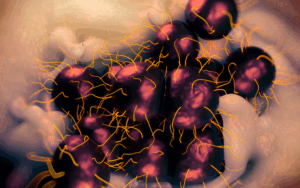
It is a type of hemolytic anemia where acanthocytes or spur cells are found in the bloodstream. Hemolytic anemias are caused by red blood cells being destroyed too early which leads to inadequate production and lack of oxygen.These irregular and spiky cells are caused by changes in intracellular lipid composition. They can be observed under a microscope in peripheral blood smear studies.
Epidemiology
Five percent of individuals with severe liver illness have spur cell anemia which is an uncommon trait that is inherited in an autosomal-recessive manner. The condition known as abetalipoproteinemia usually appears in the first few weeks of life.
Anatomy
Pathophysiology
Nearly equal amounts of phospholipids and unesterified cholesterol are asymmetrically distributed across the lipid bilayer.Acanthocytes can arise from anomalies in membrane proteins and lipids by affectingthe phospholipids and cholesterol which are deposited in the membrane of the red blood cell.
Etiology
Nonalcoholic steatohepatitis (NASH) and anorexia nervosaand hypothyroidism are further reasons. Disorders such as chorea-acanthocytosis syndrome is a X-linked McLeod phenotype and abetalipoproteinemia/aprebetalipoproteinemia are connected to neuroacanthocytosis. ALK inhibitor alectinibwhich is used to treat lung cancer which has recently been linked to spheroacanthocytosis without causing appreciable hemolytic anemia. Although the precise defect is unknown the erythropoiesis may be impacted by the cytoskeleton.
Genetics
Prognostic Factors
With severe liver illness the spur cell hemolyticanemia (HA) has a dismal prognosis that frequently results in mortality in a matter of weeks or months. Sepsis and hepatic encephalopathyor gastrointestinal hemorrhage account for most patient deaths. Patients with alphalipoproteinemia experience early functional decline and die before reaching their third decade of life. The condition known as chorea-acanthocytosis advances slowly and permanently whichultimately leads to death in 8 to 14 years.
Clinical History
AgeGroup:
Abetalipoproteinemia is a rare genetic disorder associated with acanthocytosis which is usually present from birth. McLeod syndrome may also have an adult onset and often in the same age range. Spur cell anemia associated with liver diseases such as cirrhosis which can affect individuals of various age groups.
Physical Examination
Blood count: Variable degrees of anemia along with the hematocrit commonly between 15% and 20%. White blood cell and platelet counts may be normal but they are decreased in most cases due to severe and advanced liver disease.
Reticulocyte count: Increased but usually greater than 5% and depending on the degree of anemia.
Liver function tests: Hyperbilirubinemia which is predominantly indirect bilirubin and is present along with its increase parallels the hemolysis.
Plasma lipids: Low levels of serum cholesterol and triglyceride in cases of abetalipoproteinemia. Lipoprotein electrophoresis reveals the absence of beta-lipoproteins.
Blood typing: Kell antisera react poorly with red blood cells in the McLeod phenotype.
Age group
Associated comorbidity
Associated activity
Acuity of presentation
The onset of symptoms in Chorea-acanthocytosis is typically gradual, and individuals may initially experience subtle movement abnormalities. McLeod syndrome can also be gradual along with neurological symptoms becoming more apparent over time. In cases where spur cell anemia is associated with liver diseases like cirrhosis and the acuity of presentation may depend on the underlying liver condition.
Differential Diagnoses
Abetalipoproteinemia
Metabolic disorders
Nutritional deficiencies
Paroxysmal Nocturnal Hemoglobinuria
Laboratory Studies
Imaging Studies
Procedures
Histologic Findings
Staging
Treatment Paradigm
Management of Underlying Disorders: That means there is no cure for neuroacanthocytosis syndromes for now. Treatment usually is directed at help patients cope with symptoms and offering supportive services. Dietary management and supplementation: One of its potential applications is when it comes to address the nutritional deficiencies linked with abetalipoproteinemia. This can be achieved using vitamin E administration with a defined diet plan. Anemia-related Symptoms: The treatment of anemia may concern itself with remedying symptoms, such as fatigue, weakness, by blood transfusions, iron supplementation or other methods depending upon the condition and severity of anemia. Genetic Counseling: Spur of cell anemia has genetic causes, so this genetic counseling is an essential part of treatment. It plays an integral role by educating individuals and their families about the genetic base of the disorder, apprising them about the likelihood of passing it on to the next generation and assist in their decision-making process on family planning.
Follow Safety Measures: Apply safety arrangements in order to decrease the likelihood of falls and injuries. This includes also adding handrails, proper lighting and other falls and injury preventive measures. Adaptive Equipment: Given the level of movement disturbance, different types of aids such as walking sticks, canes or wheelchair can be used to facilitate and as well as encourage independence in movement. Daily Living Activities: Amid people with neuroacanthocytosis syndrome assistance in day-to-day activities like putting on the clothing, grooming and showering may help them a lot. Assistive Devices: For the purposes of people with articulation and communication impediments, the special devices might be of great help: communication boards, speech-generating devices, or software and programs in a personal computer specifically designed for these needs. Physical Therapy: It is the physical therapy that really gets the ball rolling by helping to retain the quality of the movement, enhancing the strength of muscles and even preventing muscle contractures. Therapists can be equipped with creating regimented exercise programs that aim at individual objectives for the players. Occupational Therapy: A vocational therapist may present modalities that allow an individual to act independently through practical approaches and adaptive techniques.
Role of Vitamins
Micronutrients and lipophilic nutrients that have a preponderant role in the manipulation of cases that are associated with spur cells anaemia. Vitamin E: Vitamin E is a kind of antioxidants which helps cell to survive harmful oxidative reaction. This components are also equally important like manganese that it is needed for the calcium utilization as well as muscle health. Vitamin A: Vitamin A helps to develop normal sight, works efficiently to start the immune mechanisms, and promotes clearer skin. As gene activation and deactivation is implicated in its function, it is also involved in the differentiation of cells. If fat absorption is affected including the disease in which supplements of fat and protein are not added, vitamin A deficiency may develop.
Deep Brain Stimulation (DBS): The DBS procedure is surgical and elective in nature and involves precise placement of electrodes on particular brain areas which are then connected to stimulator device. This treatment method might be intended for the channelling of motor irregularities brought by the disease. Gastrostomy Tube Placement: Those with neuroacanthocytosis syndromes who are eligible will undergo a gastrostomy tube placement, irrespective of whether they are having swallowing difficulties or nutritional issues. In that case, the technique of feeding tube insertion beneath the skin that directly reaches the stomach is applied to provide enough nutrition so the fluids are maintained too.
use-of-phases-in-managing-spur-cell-anemia
Palliative Care
Diagnostic Phase: It starts with a detailed medical history and physical examination. These are followed by laboratory checks, such as imaging tests, to assist in the diagnosis process. Supportive Therapies: Sometimes the physical therapy, the occupation therapy and the speech therapy begin for mobility, skills and problems of speaking. Nutritional Support: If certain nutritional deficits are found, then the diet will be change to the required one rounded off with supplements. Monitoring and Adaptation Phase: Ongoing outpatient visits every 1-3 months with collaborative health care team are mandatory to check symptoms growth and timely change medications status and respond to arising health issues. Genetic Counselling: Along with genetic counseling, the process may include a lot of information and decisional control about the condition and gene one for the affected person and their family. Palliative Care: When disease progresses, some people may be introduced to palliative care to be able to improve quality of life with other pain management priorities such as end of life considerations.
It is a type of hemolytic anemia where acanthocytes or spur cells are found in the bloodstream. Hemolytic anemias are caused by red blood cells being destroyed too early which leads to inadequate production and lack of oxygen.These irregular and spiky cells are caused by changes in intracellular lipid composition. They can be observed under a microscope in peripheral blood smear studies.
Five percent of individuals with severe liver illness have spur cell anemia which is an uncommon trait that is inherited in an autosomal-recessive manner. The condition known as abetalipoproteinemia usually appears in the first few weeks of life.
Nearly equal amounts of phospholipids and unesterified cholesterol are asymmetrically distributed across the lipid bilayer.Acanthocytes can arise from anomalies in membrane proteins and lipids by affectingthe phospholipids and cholesterol which are deposited in the membrane of the red blood cell.
Nonalcoholic steatohepatitis (NASH) and anorexia nervosaand hypothyroidism are further reasons. Disorders such as chorea-acanthocytosis syndrome is a X-linked McLeod phenotype and abetalipoproteinemia/aprebetalipoproteinemia are connected to neuroacanthocytosis. ALK inhibitor alectinibwhich is used to treat lung cancer which has recently been linked to spheroacanthocytosis without causing appreciable hemolytic anemia. Although the precise defect is unknown the erythropoiesis may be impacted by the cytoskeleton.
With severe liver illness the spur cell hemolyticanemia (HA) has a dismal prognosis that frequently results in mortality in a matter of weeks or months. Sepsis and hepatic encephalopathyor gastrointestinal hemorrhage account for most patient deaths. Patients with alphalipoproteinemia experience early functional decline and die before reaching their third decade of life. The condition known as chorea-acanthocytosis advances slowly and permanently whichultimately leads to death in 8 to 14 years.
AgeGroup:
Abetalipoproteinemia is a rare genetic disorder associated with acanthocytosis which is usually present from birth. McLeod syndrome may also have an adult onset and often in the same age range. Spur cell anemia associated with liver diseases such as cirrhosis which can affect individuals of various age groups.
Blood count: Variable degrees of anemia along with the hematocrit commonly between 15% and 20%. White blood cell and platelet counts may be normal but they are decreased in most cases due to severe and advanced liver disease.
Reticulocyte count: Increased but usually greater than 5% and depending on the degree of anemia.
Liver function tests: Hyperbilirubinemia which is predominantly indirect bilirubin and is present along with its increase parallels the hemolysis.
Plasma lipids: Low levels of serum cholesterol and triglyceride in cases of abetalipoproteinemia. Lipoprotein electrophoresis reveals the absence of beta-lipoproteins.
Blood typing: Kell antisera react poorly with red blood cells in the McLeod phenotype.
The onset of symptoms in Chorea-acanthocytosis is typically gradual, and individuals may initially experience subtle movement abnormalities. McLeod syndrome can also be gradual along with neurological symptoms becoming more apparent over time. In cases where spur cell anemia is associated with liver diseases like cirrhosis and the acuity of presentation may depend on the underlying liver condition.
Abetalipoproteinemia
Metabolic disorders
Nutritional deficiencies
Paroxysmal Nocturnal Hemoglobinuria
Management of Underlying Disorders: That means there is no cure for neuroacanthocytosis syndromes for now. Treatment usually is directed at help patients cope with symptoms and offering supportive services. Dietary management and supplementation: One of its potential applications is when it comes to address the nutritional deficiencies linked with abetalipoproteinemia. This can be achieved using vitamin E administration with a defined diet plan. Anemia-related Symptoms: The treatment of anemia may concern itself with remedying symptoms, such as fatigue, weakness, by blood transfusions, iron supplementation or other methods depending upon the condition and severity of anemia. Genetic Counseling: Spur of cell anemia has genetic causes, so this genetic counseling is an essential part of treatment. It plays an integral role by educating individuals and their families about the genetic base of the disorder, apprising them about the likelihood of passing it on to the next generation and assist in their decision-making process on family planning.
Hematology
Follow Safety Measures: Apply safety arrangements in order to decrease the likelihood of falls and injuries. This includes also adding handrails, proper lighting and other falls and injury preventive measures. Adaptive Equipment: Given the level of movement disturbance, different types of aids such as walking sticks, canes or wheelchair can be used to facilitate and as well as encourage independence in movement. Daily Living Activities: Amid people with neuroacanthocytosis syndrome assistance in day-to-day activities like putting on the clothing, grooming and showering may help them a lot. Assistive Devices: For the purposes of people with articulation and communication impediments, the special devices might be of great help: communication boards, speech-generating devices, or software and programs in a personal computer specifically designed for these needs. Physical Therapy: It is the physical therapy that really gets the ball rolling by helping to retain the quality of the movement, enhancing the strength of muscles and even preventing muscle contractures. Therapists can be equipped with creating regimented exercise programs that aim at individual objectives for the players. Occupational Therapy: A vocational therapist may present modalities that allow an individual to act independently through practical approaches and adaptive techniques.
Hematology
Micronutrients and lipophilic nutrients that have a preponderant role in the manipulation of cases that are associated with spur cells anaemia. Vitamin E: Vitamin E is a kind of antioxidants which helps cell to survive harmful oxidative reaction. This components are also equally important like manganese that it is needed for the calcium utilization as well as muscle health. Vitamin A: Vitamin A helps to develop normal sight, works efficiently to start the immune mechanisms, and promotes clearer skin. As gene activation and deactivation is implicated in its function, it is also involved in the differentiation of cells. If fat absorption is affected including the disease in which supplements of fat and protein are not added, vitamin A deficiency may develop.
Hematology
Neurology
Deep Brain Stimulation (DBS): The DBS procedure is surgical and elective in nature and involves precise placement of electrodes on particular brain areas which are then connected to stimulator device. This treatment method might be intended for the channelling of motor irregularities brought by the disease. Gastrostomy Tube Placement: Those with neuroacanthocytosis syndromes who are eligible will undergo a gastrostomy tube placement, irrespective of whether they are having swallowing difficulties or nutritional issues. In that case, the technique of feeding tube insertion beneath the skin that directly reaches the stomach is applied to provide enough nutrition so the fluids are maintained too.
Hematology
Physical Medicine and Rehabilitation
Palliative Care
Diagnostic Phase: It starts with a detailed medical history and physical examination. These are followed by laboratory checks, such as imaging tests, to assist in the diagnosis process. Supportive Therapies: Sometimes the physical therapy, the occupation therapy and the speech therapy begin for mobility, skills and problems of speaking. Nutritional Support: If certain nutritional deficits are found, then the diet will be change to the required one rounded off with supplements. Monitoring and Adaptation Phase: Ongoing outpatient visits every 1-3 months with collaborative health care team are mandatory to check symptoms growth and timely change medications status and respond to arising health issues. Genetic Counselling: Along with genetic counseling, the process may include a lot of information and decisional control about the condition and gene one for the affected person and their family. Palliative Care: When disease progresses, some people may be introduced to palliative care to be able to improve quality of life with other pain management priorities such as end of life considerations.
It is a type of hemolytic anemia where acanthocytes or spur cells are found in the bloodstream. Hemolytic anemias are caused by red blood cells being destroyed too early which leads to inadequate production and lack of oxygen.These irregular and spiky cells are caused by changes in intracellular lipid composition. They can be observed under a microscope in peripheral blood smear studies.
Five percent of individuals with severe liver illness have spur cell anemia which is an uncommon trait that is inherited in an autosomal-recessive manner. The condition known as abetalipoproteinemia usually appears in the first few weeks of life.
Nearly equal amounts of phospholipids and unesterified cholesterol are asymmetrically distributed across the lipid bilayer.Acanthocytes can arise from anomalies in membrane proteins and lipids by affectingthe phospholipids and cholesterol which are deposited in the membrane of the red blood cell.
Nonalcoholic steatohepatitis (NASH) and anorexia nervosaand hypothyroidism are further reasons. Disorders such as chorea-acanthocytosis syndrome is a X-linked McLeod phenotype and abetalipoproteinemia/aprebetalipoproteinemia are connected to neuroacanthocytosis. ALK inhibitor alectinibwhich is used to treat lung cancer which has recently been linked to spheroacanthocytosis without causing appreciable hemolytic anemia. Although the precise defect is unknown the erythropoiesis may be impacted by the cytoskeleton.
With severe liver illness the spur cell hemolyticanemia (HA) has a dismal prognosis that frequently results in mortality in a matter of weeks or months. Sepsis and hepatic encephalopathyor gastrointestinal hemorrhage account for most patient deaths. Patients with alphalipoproteinemia experience early functional decline and die before reaching their third decade of life. The condition known as chorea-acanthocytosis advances slowly and permanently whichultimately leads to death in 8 to 14 years.
AgeGroup:
Abetalipoproteinemia is a rare genetic disorder associated with acanthocytosis which is usually present from birth. McLeod syndrome may also have an adult onset and often in the same age range. Spur cell anemia associated with liver diseases such as cirrhosis which can affect individuals of various age groups.
Blood count: Variable degrees of anemia along with the hematocrit commonly between 15% and 20%. White blood cell and platelet counts may be normal but they are decreased in most cases due to severe and advanced liver disease.
Reticulocyte count: Increased but usually greater than 5% and depending on the degree of anemia.
Liver function tests: Hyperbilirubinemia which is predominantly indirect bilirubin and is present along with its increase parallels the hemolysis.
Plasma lipids: Low levels of serum cholesterol and triglyceride in cases of abetalipoproteinemia. Lipoprotein electrophoresis reveals the absence of beta-lipoproteins.
Blood typing: Kell antisera react poorly with red blood cells in the McLeod phenotype.
The onset of symptoms in Chorea-acanthocytosis is typically gradual, and individuals may initially experience subtle movement abnormalities. McLeod syndrome can also be gradual along with neurological symptoms becoming more apparent over time. In cases where spur cell anemia is associated with liver diseases like cirrhosis and the acuity of presentation may depend on the underlying liver condition.
Abetalipoproteinemia
Metabolic disorders
Nutritional deficiencies
Paroxysmal Nocturnal Hemoglobinuria
Management of Underlying Disorders: That means there is no cure for neuroacanthocytosis syndromes for now. Treatment usually is directed at help patients cope with symptoms and offering supportive services. Dietary management and supplementation: One of its potential applications is when it comes to address the nutritional deficiencies linked with abetalipoproteinemia. This can be achieved using vitamin E administration with a defined diet plan. Anemia-related Symptoms: The treatment of anemia may concern itself with remedying symptoms, such as fatigue, weakness, by blood transfusions, iron supplementation or other methods depending upon the condition and severity of anemia. Genetic Counseling: Spur of cell anemia has genetic causes, so this genetic counseling is an essential part of treatment. It plays an integral role by educating individuals and their families about the genetic base of the disorder, apprising them about the likelihood of passing it on to the next generation and assist in their decision-making process on family planning.
Hematology
Follow Safety Measures: Apply safety arrangements in order to decrease the likelihood of falls and injuries. This includes also adding handrails, proper lighting and other falls and injury preventive measures. Adaptive Equipment: Given the level of movement disturbance, different types of aids such as walking sticks, canes or wheelchair can be used to facilitate and as well as encourage independence in movement. Daily Living Activities: Amid people with neuroacanthocytosis syndrome assistance in day-to-day activities like putting on the clothing, grooming and showering may help them a lot. Assistive Devices: For the purposes of people with articulation and communication impediments, the special devices might be of great help: communication boards, speech-generating devices, or software and programs in a personal computer specifically designed for these needs. Physical Therapy: It is the physical therapy that really gets the ball rolling by helping to retain the quality of the movement, enhancing the strength of muscles and even preventing muscle contractures. Therapists can be equipped with creating regimented exercise programs that aim at individual objectives for the players. Occupational Therapy: A vocational therapist may present modalities that allow an individual to act independently through practical approaches and adaptive techniques.
Hematology
Micronutrients and lipophilic nutrients that have a preponderant role in the manipulation of cases that are associated with spur cells anaemia. Vitamin E: Vitamin E is a kind of antioxidants which helps cell to survive harmful oxidative reaction. This components are also equally important like manganese that it is needed for the calcium utilization as well as muscle health. Vitamin A: Vitamin A helps to develop normal sight, works efficiently to start the immune mechanisms, and promotes clearer skin. As gene activation and deactivation is implicated in its function, it is also involved in the differentiation of cells. If fat absorption is affected including the disease in which supplements of fat and protein are not added, vitamin A deficiency may develop.
Hematology
Neurology
Deep Brain Stimulation (DBS): The DBS procedure is surgical and elective in nature and involves precise placement of electrodes on particular brain areas which are then connected to stimulator device. This treatment method might be intended for the channelling of motor irregularities brought by the disease. Gastrostomy Tube Placement: Those with neuroacanthocytosis syndromes who are eligible will undergo a gastrostomy tube placement, irrespective of whether they are having swallowing difficulties or nutritional issues. In that case, the technique of feeding tube insertion beneath the skin that directly reaches the stomach is applied to provide enough nutrition so the fluids are maintained too.
Hematology
Physical Medicine and Rehabilitation
Palliative Care
Diagnostic Phase: It starts with a detailed medical history and physical examination. These are followed by laboratory checks, such as imaging tests, to assist in the diagnosis process. Supportive Therapies: Sometimes the physical therapy, the occupation therapy and the speech therapy begin for mobility, skills and problems of speaking. Nutritional Support: If certain nutritional deficits are found, then the diet will be change to the required one rounded off with supplements. Monitoring and Adaptation Phase: Ongoing outpatient visits every 1-3 months with collaborative health care team are mandatory to check symptoms growth and timely change medications status and respond to arising health issues. Genetic Counselling: Along with genetic counseling, the process may include a lot of information and decisional control about the condition and gene one for the affected person and their family. Palliative Care: When disease progresses, some people may be introduced to palliative care to be able to improve quality of life with other pain management priorities such as end of life considerations.
Both our subscription plans include Free CME/CPD AMA PRA Category 1 credits.
Digital Certificate PDF
On course completion, you will receive a full-sized presentation quality digital certificate.
medtigo Simulation
A dynamic medical simulation platform designed to train healthcare professionals and students to effectively run code situations through an immersive hands-on experience in a live, interactive 3D environment.
medtigo Points
medtigo points is our unique point redemption system created to award users for interacting on our site. These points can be redeemed for special discounts on the medtigo marketplace as well as towards the membership cost itself.
Community Forum post/reply = 5 points
*Redemption of points can occur only through the medtigo marketplace, courses, or simulation system. Money will not be credited to your bank account. 10 points = $1.
All Your Certificates in One Place
When you have your licenses, certificates and CMEs in one place, it's easier to track your career growth. You can easily share these with hospitals as well, using your medtigo app.