RyR1 Structural Alterations Explain Statin-Associated Muscle Dysfunction
December 16, 2025






Background
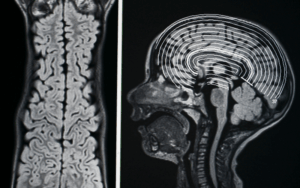
Tabes dorsalis is a late-stage manifestation of neurosyphilis, which is a complication of untreated or inadequately treated syphilis infection. It primarily affects the dorsal columns of the spinal cord, leading to a range of neurological symptoms and signs. Tabes dorsalis is characterized by progressive degeneration of the sensory neurons and their associated tracts in the spinal cord, resulting in various sensory, motor, and autonomic disturbances.
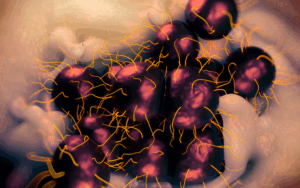
It is considered a rare condition due to the widespread use of antibiotics for treating syphilis. Tabes dorsalis typically develops years to decades after the initial syphilis infection. It is associated with the tertiary stage of syphilis, which occurs when the bacteria, Treponema pallidum, invade the nervous system. The exact mechanisms underlying the development of tabes dorsalis are not fully understood, but it is thought to be immune-mediated, with an inflammatory response leading to damage to the spinal cord.
Epidemiology
Tabes dorsalis is a rare condition that represents a late-stage complication of untreated or inadequately treated syphilis infection. The epidemiology of tabes dorsalis is closely tied to the epidemiology of syphilis itself. Here are some key points regarding the epidemiology of tabes dorsalis:
Anatomy
Pathophysiology
Tabes dorsalis is a late-stage manifestation of neurosyphilis, a condition caused by the invasion of the central nervous system (CNS) by the bacterium Treponema pallidum, which is responsible for syphilis. The pathophysiology of tabes dorsalis involves the progressive degeneration of the dorsal columns of the spinal cord, leading to various neurological manifestations. Here are the key pathophysiological mechanisms involved in tabes dorsalis:
Etiology
Tabes dorsalis is a late-stage complication of neurosyphilis, which is caused by the bacterium Treponema pallidum. The etiology of tabes dorsalis is directly related to the chronic infection and progression of syphilis. Here are the key points regarding the etiology of tabes dorsalis:
Genetics
Prognostic Factors
The prognosis of tabes dorsalis, a late-stage manifestation of neurosyphilis, can vary depending on several factors, including the extent of neurological involvement, the duration of the disease, the response to treatment, and the presence of other medical conditions. Here are some key points regarding the prognosis of tabes dorsalis:
Neurological Damage: Tabes dorsalis is characterized by progressive degeneration of the sensory neurons in the spinal cord. The extent of neurological damage at the time of diagnosis greatly influences the prognosis. Individuals with advanced or severe neurological involvement may have more persistent and debilitating symptoms compared to those with milder forms of the disease.
Treatment Response: Timely and appropriate treatment with antibiotics can halt the progression of the underlying syphilis infection and prevent further neurological damage. However, treatment may not reverse the existing nerve damage. The response to treatment varies among individuals, and some may experience stabilization or improvement in their symptoms, while others may continue to have residual neurological deficits.
Symptomatic Management: The management of symptoms associated with tabes dorsalis, such as neuropathic pain, ataxia, and bladder dysfunction, can significantly impact the patient’s quality of life. Adequate pain management and rehabilitation efforts, including physical therapy, can help alleviate symptoms and improve functional outcomes.
Disease Progression: Without treatment, tabes dorsalis generally progresses slowly over many years, resulting in ongoing neurological deterioration. However, with appropriate treatment and management, the progression of the disease can be halted or slowed down. Regular monitoring and follow-up evaluations are essential to assess disease progression and adjust treatment strategies accordingly.
Coexisting Medical Conditions: The presence of other medical conditions or comorbidities can impact the overall prognosis and management of tabes dorsalis. Individuals with pre-existing medical conditions or complications related to syphilis, such as cardiovascular involvement, may have a less favorable prognosis and require additional medical interventions.
Individual Variability: The prognosis can vary significantly from person to person, depending on their overall health, response to treatment, and adherence to recommended management strategies. Some individuals may experience long periods of stability, while others may have a more progressive course with ongoing neurological decline.
Clinical History
Clinical history
The clinical history of tabes dorsalis, a late-stage manifestation of neurosyphilis, can provide important clues for diagnosis. The clinical history typically includes the following aspects:
Physical Examination
Physical examination
During a physical examination of a patient suspected to have tabes dorsalis, healthcare professionals will assess various neurological signs and perform specific tests to evaluate the extent of sensory and motor abnormalities. Here are key components of the physical examination for tabes dorsalis:
Age group
Associated comorbidity
Associated activity
Acuity of presentation
Differential Diagnoses
Differential diagnosis
Tabes dorsalis, a late-stage manifestation of neurosyphilis, can present with various neurological symptoms. The differential diagnosis of tabes dorsalis involves considering other conditions that can cause similar clinical features. Here are some conditions that may be included in the differential diagnosis of tabes dorsalis:
Multiple Sclerosis (MS): MS is an autoimmune disease that affects the central nervous system, including the spinal cord. It can present with symptoms such as ataxia, sensory disturbances, and bladder dysfunction. Clinical and imaging findings can help differentiate MS from tabes dorsalis.
Vitamin B12 Deficiency: Severe vitamin B12 deficiency can lead to neurological symptoms resembling those of tabes dorsalis, including ataxia, paresthesia, and sensory disturbances. A detailed medical history, blood tests to assess vitamin B12 levels, and response to vitamin B12 supplementation can aid in differentiating it from tabes dorsalis.
Peripheral Neuropathy: Various peripheral neuropathies can result in similar sensory symptoms as seen in tabes dorsalis. Diabetic neuropathy, for example, can present with sensory disturbances, pain, and autonomic dysfunction. A thorough evaluation, including nerve conduction studies and blood tests, can help differentiate peripheral neuropathy from tabes dorsalis.
Syringomyelia: Syringomyelia is a condition characterized by the presence of a fluid-filled cyst (syrinx) within the spinal cord. It can lead to sensory disturbances, loss of coordination, and motor deficits similar to those seen in tabes dorsalis. Imaging studies such as MRI can help identify syringomyelia and distinguish it from tabes dorsalis.
Subacute Combined Degeneration: Subacute combined degeneration of the spinal cord is caused by vitamin B12 deficiency, often associated with pernicious anemia. It can present with sensory ataxia, weakness, and paresthesia, resembling some of the symptoms of tabes dorsalis. Blood tests and imaging studies can help differentiate the two conditions.
Hereditary Ataxias: Certain hereditary ataxias, such as Friedreich’s ataxia, can exhibit similar symptoms to tabes dorsalis, including ataxia, sensory disturbances, and neurological deficits. Genetic testing and clinical evaluation can help differentiate hereditary ataxias from tabes dorsalis.
Other Causes of Spinal Cord Compression: Conditions that cause compression of the spinal cord, such as tumors or spinal stenosis, can present with symptoms similar to tabes dorsalis. Imaging studies can help identify spinal cord compression and distinguish it from tabes dorsalis.
Laboratory Studies
Imaging Studies
Procedures
Histologic Findings
Staging
Treatment Paradigm
Tabes dorsalis, as a late-stage manifestation of neurosyphilis, requires comprehensive treatment aimed at controlling the underlying syphilis infection and managing the associated neurological symptoms. The primary treatment approach for tabes dorsalis involves the following:
Antibiotic Therapy: The cornerstone of treatment for tabes dorsalis is antibiotic therapy to eradicate the underlying syphilis infection. The choice of antibiotics depends on the stage of syphilis and the individual patient’s clinical situation. Intravenous or intramuscular penicillin G is the most commonly used antibiotic for neurosyphilis. Other antibiotics, such as ceftriaxone or doxycycline, may be used if the patient has a penicillin allergy.
Pain Management: The neuropathic pain experienced by individuals with tabes dorsalis often requires effective pain management. Medications such as tricyclic antidepressants, anticonvulsants (e.g., gabapentin, pregabalin), or opioids may be prescribed to help alleviate the pain. However, the use of opioids should be carefully monitored due to the risk of dependence and side effects.
Symptomatic Treatment: Various symptoms associated with tabes dorsalis, such as ataxia, bladder dysfunction, and sensory disturbances, can be managed symptomatically to improve quality of life. Physical therapy and rehabilitation exercises can help improve balance and gait. Bladder dysfunction may require the use of medications to manage urinary symptoms or intermittent catheterization for bladder emptying.
Multidisciplinary Care: Given the complex nature of tabes dorsalis, a multidisciplinary approach involving neurologists, infectious disease specialists, pain specialists, physical therapists, and other healthcare professionals is often necessary. This ensures comprehensive evaluation, tailored treatment, and ongoing management of the condition.
by Stage
by Modality
Chemotherapy
Radiation Therapy
Surgical Interventions
Hormone Therapy
Immunotherapy
Hyperthermia
Photodynamic Therapy
Stem Cell Transplant
Targeted Therapy
Palliative Care
Medication
Future Trends
References
https://www.ncbi.nlm.nih.gov/books/NBK557891/
Tabes dorsalis is a late-stage manifestation of neurosyphilis, which is a complication of untreated or inadequately treated syphilis infection. It primarily affects the dorsal columns of the spinal cord, leading to a range of neurological symptoms and signs. Tabes dorsalis is characterized by progressive degeneration of the sensory neurons and their associated tracts in the spinal cord, resulting in various sensory, motor, and autonomic disturbances.
It is considered a rare condition due to the widespread use of antibiotics for treating syphilis. Tabes dorsalis typically develops years to decades after the initial syphilis infection. It is associated with the tertiary stage of syphilis, which occurs when the bacteria, Treponema pallidum, invade the nervous system. The exact mechanisms underlying the development of tabes dorsalis are not fully understood, but it is thought to be immune-mediated, with an inflammatory response leading to damage to the spinal cord.
Tabes dorsalis is a rare condition that represents a late-stage complication of untreated or inadequately treated syphilis infection. The epidemiology of tabes dorsalis is closely tied to the epidemiology of syphilis itself. Here are some key points regarding the epidemiology of tabes dorsalis:
Tabes dorsalis is a late-stage manifestation of neurosyphilis, a condition caused by the invasion of the central nervous system (CNS) by the bacterium Treponema pallidum, which is responsible for syphilis. The pathophysiology of tabes dorsalis involves the progressive degeneration of the dorsal columns of the spinal cord, leading to various neurological manifestations. Here are the key pathophysiological mechanisms involved in tabes dorsalis:
Tabes dorsalis is a late-stage complication of neurosyphilis, which is caused by the bacterium Treponema pallidum. The etiology of tabes dorsalis is directly related to the chronic infection and progression of syphilis. Here are the key points regarding the etiology of tabes dorsalis:
The prognosis of tabes dorsalis, a late-stage manifestation of neurosyphilis, can vary depending on several factors, including the extent of neurological involvement, the duration of the disease, the response to treatment, and the presence of other medical conditions. Here are some key points regarding the prognosis of tabes dorsalis:
Neurological Damage: Tabes dorsalis is characterized by progressive degeneration of the sensory neurons in the spinal cord. The extent of neurological damage at the time of diagnosis greatly influences the prognosis. Individuals with advanced or severe neurological involvement may have more persistent and debilitating symptoms compared to those with milder forms of the disease.
Treatment Response: Timely and appropriate treatment with antibiotics can halt the progression of the underlying syphilis infection and prevent further neurological damage. However, treatment may not reverse the existing nerve damage. The response to treatment varies among individuals, and some may experience stabilization or improvement in their symptoms, while others may continue to have residual neurological deficits.
Symptomatic Management: The management of symptoms associated with tabes dorsalis, such as neuropathic pain, ataxia, and bladder dysfunction, can significantly impact the patient’s quality of life. Adequate pain management and rehabilitation efforts, including physical therapy, can help alleviate symptoms and improve functional outcomes.
Disease Progression: Without treatment, tabes dorsalis generally progresses slowly over many years, resulting in ongoing neurological deterioration. However, with appropriate treatment and management, the progression of the disease can be halted or slowed down. Regular monitoring and follow-up evaluations are essential to assess disease progression and adjust treatment strategies accordingly.
Coexisting Medical Conditions: The presence of other medical conditions or comorbidities can impact the overall prognosis and management of tabes dorsalis. Individuals with pre-existing medical conditions or complications related to syphilis, such as cardiovascular involvement, may have a less favorable prognosis and require additional medical interventions.
Individual Variability: The prognosis can vary significantly from person to person, depending on their overall health, response to treatment, and adherence to recommended management strategies. Some individuals may experience long periods of stability, while others may have a more progressive course with ongoing neurological decline.
Clinical history
The clinical history of tabes dorsalis, a late-stage manifestation of neurosyphilis, can provide important clues for diagnosis. The clinical history typically includes the following aspects:
Physical examination
During a physical examination of a patient suspected to have tabes dorsalis, healthcare professionals will assess various neurological signs and perform specific tests to evaluate the extent of sensory and motor abnormalities. Here are key components of the physical examination for tabes dorsalis:
Differential diagnosis
Tabes dorsalis, a late-stage manifestation of neurosyphilis, can present with various neurological symptoms. The differential diagnosis of tabes dorsalis involves considering other conditions that can cause similar clinical features. Here are some conditions that may be included in the differential diagnosis of tabes dorsalis:
Multiple Sclerosis (MS): MS is an autoimmune disease that affects the central nervous system, including the spinal cord. It can present with symptoms such as ataxia, sensory disturbances, and bladder dysfunction. Clinical and imaging findings can help differentiate MS from tabes dorsalis.
Vitamin B12 Deficiency: Severe vitamin B12 deficiency can lead to neurological symptoms resembling those of tabes dorsalis, including ataxia, paresthesia, and sensory disturbances. A detailed medical history, blood tests to assess vitamin B12 levels, and response to vitamin B12 supplementation can aid in differentiating it from tabes dorsalis.
Peripheral Neuropathy: Various peripheral neuropathies can result in similar sensory symptoms as seen in tabes dorsalis. Diabetic neuropathy, for example, can present with sensory disturbances, pain, and autonomic dysfunction. A thorough evaluation, including nerve conduction studies and blood tests, can help differentiate peripheral neuropathy from tabes dorsalis.
Syringomyelia: Syringomyelia is a condition characterized by the presence of a fluid-filled cyst (syrinx) within the spinal cord. It can lead to sensory disturbances, loss of coordination, and motor deficits similar to those seen in tabes dorsalis. Imaging studies such as MRI can help identify syringomyelia and distinguish it from tabes dorsalis.
Subacute Combined Degeneration: Subacute combined degeneration of the spinal cord is caused by vitamin B12 deficiency, often associated with pernicious anemia. It can present with sensory ataxia, weakness, and paresthesia, resembling some of the symptoms of tabes dorsalis. Blood tests and imaging studies can help differentiate the two conditions.
Hereditary Ataxias: Certain hereditary ataxias, such as Friedreich’s ataxia, can exhibit similar symptoms to tabes dorsalis, including ataxia, sensory disturbances, and neurological deficits. Genetic testing and clinical evaluation can help differentiate hereditary ataxias from tabes dorsalis.
Other Causes of Spinal Cord Compression: Conditions that cause compression of the spinal cord, such as tumors or spinal stenosis, can present with symptoms similar to tabes dorsalis. Imaging studies can help identify spinal cord compression and distinguish it from tabes dorsalis.
Tabes dorsalis, as a late-stage manifestation of neurosyphilis, requires comprehensive treatment aimed at controlling the underlying syphilis infection and managing the associated neurological symptoms. The primary treatment approach for tabes dorsalis involves the following:
Antibiotic Therapy: The cornerstone of treatment for tabes dorsalis is antibiotic therapy to eradicate the underlying syphilis infection. The choice of antibiotics depends on the stage of syphilis and the individual patient’s clinical situation. Intravenous or intramuscular penicillin G is the most commonly used antibiotic for neurosyphilis. Other antibiotics, such as ceftriaxone or doxycycline, may be used if the patient has a penicillin allergy.
Pain Management: The neuropathic pain experienced by individuals with tabes dorsalis often requires effective pain management. Medications such as tricyclic antidepressants, anticonvulsants (e.g., gabapentin, pregabalin), or opioids may be prescribed to help alleviate the pain. However, the use of opioids should be carefully monitored due to the risk of dependence and side effects.
Symptomatic Treatment: Various symptoms associated with tabes dorsalis, such as ataxia, bladder dysfunction, and sensory disturbances, can be managed symptomatically to improve quality of life. Physical therapy and rehabilitation exercises can help improve balance and gait. Bladder dysfunction may require the use of medications to manage urinary symptoms or intermittent catheterization for bladder emptying.
Multidisciplinary Care: Given the complex nature of tabes dorsalis, a multidisciplinary approach involving neurologists, infectious disease specialists, pain specialists, physical therapists, and other healthcare professionals is often necessary. This ensures comprehensive evaluation, tailored treatment, and ongoing management of the condition.
https://www.ncbi.nlm.nih.gov/books/NBK557891/

Tabes dorsalis is a late-stage manifestation of neurosyphilis, which is a complication of untreated or inadequately treated syphilis infection. It primarily affects the dorsal columns of the spinal cord, leading to a range of neurological symptoms and signs. Tabes dorsalis is characterized by progressive degeneration of the sensory neurons and their associated tracts in the spinal cord, resulting in various sensory, motor, and autonomic disturbances.
It is considered a rare condition due to the widespread use of antibiotics for treating syphilis. Tabes dorsalis typically develops years to decades after the initial syphilis infection. It is associated with the tertiary stage of syphilis, which occurs when the bacteria, Treponema pallidum, invade the nervous system. The exact mechanisms underlying the development of tabes dorsalis are not fully understood, but it is thought to be immune-mediated, with an inflammatory response leading to damage to the spinal cord.
Tabes dorsalis is a rare condition that represents a late-stage complication of untreated or inadequately treated syphilis infection. The epidemiology of tabes dorsalis is closely tied to the epidemiology of syphilis itself. Here are some key points regarding the epidemiology of tabes dorsalis:
Tabes dorsalis is a late-stage manifestation of neurosyphilis, a condition caused by the invasion of the central nervous system (CNS) by the bacterium Treponema pallidum, which is responsible for syphilis. The pathophysiology of tabes dorsalis involves the progressive degeneration of the dorsal columns of the spinal cord, leading to various neurological manifestations. Here are the key pathophysiological mechanisms involved in tabes dorsalis:
Tabes dorsalis is a late-stage complication of neurosyphilis, which is caused by the bacterium Treponema pallidum. The etiology of tabes dorsalis is directly related to the chronic infection and progression of syphilis. Here are the key points regarding the etiology of tabes dorsalis:
The prognosis of tabes dorsalis, a late-stage manifestation of neurosyphilis, can vary depending on several factors, including the extent of neurological involvement, the duration of the disease, the response to treatment, and the presence of other medical conditions. Here are some key points regarding the prognosis of tabes dorsalis:
Neurological Damage: Tabes dorsalis is characterized by progressive degeneration of the sensory neurons in the spinal cord. The extent of neurological damage at the time of diagnosis greatly influences the prognosis. Individuals with advanced or severe neurological involvement may have more persistent and debilitating symptoms compared to those with milder forms of the disease.
Treatment Response: Timely and appropriate treatment with antibiotics can halt the progression of the underlying syphilis infection and prevent further neurological damage. However, treatment may not reverse the existing nerve damage. The response to treatment varies among individuals, and some may experience stabilization or improvement in their symptoms, while others may continue to have residual neurological deficits.
Symptomatic Management: The management of symptoms associated with tabes dorsalis, such as neuropathic pain, ataxia, and bladder dysfunction, can significantly impact the patient’s quality of life. Adequate pain management and rehabilitation efforts, including physical therapy, can help alleviate symptoms and improve functional outcomes.
Disease Progression: Without treatment, tabes dorsalis generally progresses slowly over many years, resulting in ongoing neurological deterioration. However, with appropriate treatment and management, the progression of the disease can be halted or slowed down. Regular monitoring and follow-up evaluations are essential to assess disease progression and adjust treatment strategies accordingly.
Coexisting Medical Conditions: The presence of other medical conditions or comorbidities can impact the overall prognosis and management of tabes dorsalis. Individuals with pre-existing medical conditions or complications related to syphilis, such as cardiovascular involvement, may have a less favorable prognosis and require additional medical interventions.
Individual Variability: The prognosis can vary significantly from person to person, depending on their overall health, response to treatment, and adherence to recommended management strategies. Some individuals may experience long periods of stability, while others may have a more progressive course with ongoing neurological decline.
Clinical history
The clinical history of tabes dorsalis, a late-stage manifestation of neurosyphilis, can provide important clues for diagnosis. The clinical history typically includes the following aspects:
Physical examination
During a physical examination of a patient suspected to have tabes dorsalis, healthcare professionals will assess various neurological signs and perform specific tests to evaluate the extent of sensory and motor abnormalities. Here are key components of the physical examination for tabes dorsalis:
Differential diagnosis
Tabes dorsalis, a late-stage manifestation of neurosyphilis, can present with various neurological symptoms. The differential diagnosis of tabes dorsalis involves considering other conditions that can cause similar clinical features. Here are some conditions that may be included in the differential diagnosis of tabes dorsalis:
Multiple Sclerosis (MS): MS is an autoimmune disease that affects the central nervous system, including the spinal cord. It can present with symptoms such as ataxia, sensory disturbances, and bladder dysfunction. Clinical and imaging findings can help differentiate MS from tabes dorsalis.
Vitamin B12 Deficiency: Severe vitamin B12 deficiency can lead to neurological symptoms resembling those of tabes dorsalis, including ataxia, paresthesia, and sensory disturbances. A detailed medical history, blood tests to assess vitamin B12 levels, and response to vitamin B12 supplementation can aid in differentiating it from tabes dorsalis.
Peripheral Neuropathy: Various peripheral neuropathies can result in similar sensory symptoms as seen in tabes dorsalis. Diabetic neuropathy, for example, can present with sensory disturbances, pain, and autonomic dysfunction. A thorough evaluation, including nerve conduction studies and blood tests, can help differentiate peripheral neuropathy from tabes dorsalis.
Syringomyelia: Syringomyelia is a condition characterized by the presence of a fluid-filled cyst (syrinx) within the spinal cord. It can lead to sensory disturbances, loss of coordination, and motor deficits similar to those seen in tabes dorsalis. Imaging studies such as MRI can help identify syringomyelia and distinguish it from tabes dorsalis.
Subacute Combined Degeneration: Subacute combined degeneration of the spinal cord is caused by vitamin B12 deficiency, often associated with pernicious anemia. It can present with sensory ataxia, weakness, and paresthesia, resembling some of the symptoms of tabes dorsalis. Blood tests and imaging studies can help differentiate the two conditions.
Hereditary Ataxias: Certain hereditary ataxias, such as Friedreich’s ataxia, can exhibit similar symptoms to tabes dorsalis, including ataxia, sensory disturbances, and neurological deficits. Genetic testing and clinical evaluation can help differentiate hereditary ataxias from tabes dorsalis.
Other Causes of Spinal Cord Compression: Conditions that cause compression of the spinal cord, such as tumors or spinal stenosis, can present with symptoms similar to tabes dorsalis. Imaging studies can help identify spinal cord compression and distinguish it from tabes dorsalis.
Tabes dorsalis, as a late-stage manifestation of neurosyphilis, requires comprehensive treatment aimed at controlling the underlying syphilis infection and managing the associated neurological symptoms. The primary treatment approach for tabes dorsalis involves the following:
Antibiotic Therapy: The cornerstone of treatment for tabes dorsalis is antibiotic therapy to eradicate the underlying syphilis infection. The choice of antibiotics depends on the stage of syphilis and the individual patient’s clinical situation. Intravenous or intramuscular penicillin G is the most commonly used antibiotic for neurosyphilis. Other antibiotics, such as ceftriaxone or doxycycline, may be used if the patient has a penicillin allergy.
Pain Management: The neuropathic pain experienced by individuals with tabes dorsalis often requires effective pain management. Medications such as tricyclic antidepressants, anticonvulsants (e.g., gabapentin, pregabalin), or opioids may be prescribed to help alleviate the pain. However, the use of opioids should be carefully monitored due to the risk of dependence and side effects.
Symptomatic Treatment: Various symptoms associated with tabes dorsalis, such as ataxia, bladder dysfunction, and sensory disturbances, can be managed symptomatically to improve quality of life. Physical therapy and rehabilitation exercises can help improve balance and gait. Bladder dysfunction may require the use of medications to manage urinary symptoms or intermittent catheterization for bladder emptying.
Multidisciplinary Care: Given the complex nature of tabes dorsalis, a multidisciplinary approach involving neurologists, infectious disease specialists, pain specialists, physical therapists, and other healthcare professionals is often necessary. This ensures comprehensive evaluation, tailored treatment, and ongoing management of the condition.
https://www.ncbi.nlm.nih.gov/books/NBK557891/

Both our subscription plans include Free CME/CPD AMA PRA Category 1 credits.

On course completion, you will receive a full-sized presentation quality digital certificate.
A dynamic medical simulation platform designed to train healthcare professionals and students to effectively run code situations through an immersive hands-on experience in a live, interactive 3D environment.

When you have your licenses, certificates and CMEs in one place, it's easier to track your career growth. You can easily share these with hospitals as well, using your medtigo app.