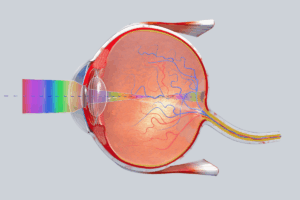
World’s First Human Implant of a 3D-Printed Cornea Restores Sight
December 15, 2025






Background
Several associated anomalies often accompany tricuspid atresia, including:
Children born with tricuspid atresia typically exhibit cyanosis (bluish tint to the skin) due to inadequate oxygenation of the blood. Prompt medical attention is essential, and treatment often involves surgical intervention to create a new pathway for blood flow or to modify existing structures to improve oxygenation.
Epidemiology
Anatomy
Pathophysiology
Absent or Underdeveloped Tricuspid Valve:
Hypoplastic Right Ventricle:
Cyanosis and Mixing of Blood:
Atrial Septal Defect (ASD) and Ventricular Septal Defect (VSD):
Alternative Pathways for Blood Flow:
Surgical Interventions:
Etiology
Genetic Factors:
Maternal Factors:
Fetal Developmental Factors:
Unknown Causes:
Associated Anomalies:
Tricuspid atresia is often associated with other cardiac anomalies, such as atrial septal defects (ASD), ventricular septal defects (VSD), and abnormalities in the pulmonary arteries and valves. These additional anomalies may contribute to the overall pathophysiology.
Genetics
Prognostic Factors
Clinical History
The clinical presentation of tricuspid atresia can vary based on the age of the individual and the presence of associated anomalies.
Newborns and Infants:
Early Childhood:
Older Children and Adolescents:
Adulthood:
Physical Examination
Age group
Associated comorbidity
Associated activity
Acuity of presentation
Differential Diagnoses
Laboratory Studies
Imaging Studies
Procedures
Histologic Findings
Staging
Treatment Paradigm
Medical Management:
Surgical Interventions:
Catheter Interventions:
Management of Complications:
Long-Term Follow-Up:
Pregnancy Management:
by Stage
by Modality
Chemotherapy
Radiation Therapy
Surgical Interventions
Hormone Therapy
Immunotherapy
Hyperthermia
Photodynamic Therapy
Stem Cell Transplant
Targeted Therapy
Palliative Care
use-of-a-non-pharmacological-approach-for-treating-tricuspid-atresia
Role of Prostaglandin E1 (PGE1) in the treatment of tricuspid atresia
Prostaglandin E1 (PGE1) plays a crucial role in the treatment of tricuspid atresia, especially in the early management of neonates with this congenital heart defect. Tricuspid atresia is characterized by the absence or severe underdevelopment of the tricuspid valve, leading to inadequate blood flow from the right atrium to the right ventricle. This condition results in a single ventricle physiology, where one ventricle (usually the left ventricle) is responsible for pumping blood to both the pulmonary and systemic circulations.
use-of-intervention-with-a-procedure-in-treating-tricuspid-atresia
Specialty wise- Pediatric Cardiology, Pediatric Cardiothoracic Surgery
The treatment of tricuspid atresia often involves staged surgical interventions to redirect blood flow, optimize oxygenation, and improve overall cardiac function. These procedures aim to address the unique anatomical challenges posed by the absence or severe underdevelopment of the tricuspid valve. Here are some key interventions and procedures commonly used in treating tricuspid atresia:
Palliative Procedures:
Palliative procedures are performed to regulate pulmonary blood flow and improve systemic oxygenation, especially in the absence of a fully functional right ventricle.
Examples:
Norwood Procedure:
The Norwood procedure is part of the staged surgical approach for single ventricle palliation. It involves creating a connection between the pulmonary artery and the aorta, establishing an alternative pathway for blood flow. This is crucial in the context of tricuspid atresia with a single functional ventricle.
Bidirectional Glenn Shunt:
The Bidirectional Glenn procedure is another stage in the single ventricle palliation process. It involves connecting the superior vena cava to the pulmonary artery, diverting the deoxygenated blood directly to the pulmonary circulation. This helps reduce the workload on the single ventricle and optimize oxygenation.
Fontan Procedure:
The Fontan procedure is the final stage in the single ventricle palliation process. It involves creating a conduit (extra-cardiac or intra-atrial) between the inferior vena cava and the pulmonary arteries. This results in the total systemic venous return flowing passively into the pulmonary vessels, bypassing the right ventricle. The Fontan procedure has undergone modifications, and the conduit may be fenestrated to provide a “pop-off” valve as the lungs adjust to the extra blood flow from the lower body.
Catheter Interventions:
In some cases, a catheter-based intervention called balloon atrial septostomy may be performed to create or enlarge an atrial communication, improving blood flow and oxygenation.
Reparative Procedures:
use-of-phases-in-managing-tricuspid-atresia
Diagnosis and Evaluation:
Initiation of Prostaglandin E1 (PGE1):
Stabilization of Hypoxemia:
Palliation and Intermediate Procedures
Palliative Procedures:
Monitoring and Optimization:
Surgical Palliation and Single Ventricle Pathway
Norwood Procedure:
Bidirectional Glenn Shunt:
Final Surgical Palliation
Fontan Procedure:
Medication
Future Trends
References
Several associated anomalies often accompany tricuspid atresia, including:
Children born with tricuspid atresia typically exhibit cyanosis (bluish tint to the skin) due to inadequate oxygenation of the blood. Prompt medical attention is essential, and treatment often involves surgical intervention to create a new pathway for blood flow or to modify existing structures to improve oxygenation.
Absent or Underdeveloped Tricuspid Valve:
Hypoplastic Right Ventricle:
Cyanosis and Mixing of Blood:
Atrial Septal Defect (ASD) and Ventricular Septal Defect (VSD):
Alternative Pathways for Blood Flow:
Surgical Interventions:
Genetic Factors:
Maternal Factors:
Fetal Developmental Factors:
Unknown Causes:
Associated Anomalies:
Tricuspid atresia is often associated with other cardiac anomalies, such as atrial septal defects (ASD), ventricular septal defects (VSD), and abnormalities in the pulmonary arteries and valves. These additional anomalies may contribute to the overall pathophysiology.
The clinical presentation of tricuspid atresia can vary based on the age of the individual and the presence of associated anomalies.
Newborns and Infants:
Early Childhood:
Older Children and Adolescents:
Adulthood:
Medical Management:
Surgical Interventions:
Catheter Interventions:
Management of Complications:
Long-Term Follow-Up:
Pregnancy Management:
Prostaglandin E1 (PGE1) plays a crucial role in the treatment of tricuspid atresia, especially in the early management of neonates with this congenital heart defect. Tricuspid atresia is characterized by the absence or severe underdevelopment of the tricuspid valve, leading to inadequate blood flow from the right atrium to the right ventricle. This condition results in a single ventricle physiology, where one ventricle (usually the left ventricle) is responsible for pumping blood to both the pulmonary and systemic circulations.
Specialty wise- Pediatric Cardiology, Pediatric Cardiothoracic Surgery
The treatment of tricuspid atresia often involves staged surgical interventions to redirect blood flow, optimize oxygenation, and improve overall cardiac function. These procedures aim to address the unique anatomical challenges posed by the absence or severe underdevelopment of the tricuspid valve. Here are some key interventions and procedures commonly used in treating tricuspid atresia:
Palliative Procedures:
Palliative procedures are performed to regulate pulmonary blood flow and improve systemic oxygenation, especially in the absence of a fully functional right ventricle.
Examples:
Norwood Procedure:
The Norwood procedure is part of the staged surgical approach for single ventricle palliation. It involves creating a connection between the pulmonary artery and the aorta, establishing an alternative pathway for blood flow. This is crucial in the context of tricuspid atresia with a single functional ventricle.
Bidirectional Glenn Shunt:
The Bidirectional Glenn procedure is another stage in the single ventricle palliation process. It involves connecting the superior vena cava to the pulmonary artery, diverting the deoxygenated blood directly to the pulmonary circulation. This helps reduce the workload on the single ventricle and optimize oxygenation.
Fontan Procedure:
The Fontan procedure is the final stage in the single ventricle palliation process. It involves creating a conduit (extra-cardiac or intra-atrial) between the inferior vena cava and the pulmonary arteries. This results in the total systemic venous return flowing passively into the pulmonary vessels, bypassing the right ventricle. The Fontan procedure has undergone modifications, and the conduit may be fenestrated to provide a “pop-off” valve as the lungs adjust to the extra blood flow from the lower body.
Catheter Interventions:
In some cases, a catheter-based intervention called balloon atrial septostomy may be performed to create or enlarge an atrial communication, improving blood flow and oxygenation.
Reparative Procedures:
Diagnosis and Evaluation:
Initiation of Prostaglandin E1 (PGE1):
Stabilization of Hypoxemia:
Palliation and Intermediate Procedures
Palliative Procedures:
Monitoring and Optimization:
Surgical Palliation and Single Ventricle Pathway
Norwood Procedure:
Bidirectional Glenn Shunt:
Final Surgical Palliation
Fontan Procedure:

Several associated anomalies often accompany tricuspid atresia, including:
Children born with tricuspid atresia typically exhibit cyanosis (bluish tint to the skin) due to inadequate oxygenation of the blood. Prompt medical attention is essential, and treatment often involves surgical intervention to create a new pathway for blood flow or to modify existing structures to improve oxygenation.
Absent or Underdeveloped Tricuspid Valve:
Hypoplastic Right Ventricle:
Cyanosis and Mixing of Blood:
Atrial Septal Defect (ASD) and Ventricular Septal Defect (VSD):
Alternative Pathways for Blood Flow:
Surgical Interventions:
Genetic Factors:
Maternal Factors:
Fetal Developmental Factors:
Unknown Causes:
Associated Anomalies:
Tricuspid atresia is often associated with other cardiac anomalies, such as atrial septal defects (ASD), ventricular septal defects (VSD), and abnormalities in the pulmonary arteries and valves. These additional anomalies may contribute to the overall pathophysiology.
The clinical presentation of tricuspid atresia can vary based on the age of the individual and the presence of associated anomalies.
Newborns and Infants:
Early Childhood:
Older Children and Adolescents:
Adulthood:
Medical Management:
Surgical Interventions:
Catheter Interventions:
Management of Complications:
Long-Term Follow-Up:
Pregnancy Management:
Prostaglandin E1 (PGE1) plays a crucial role in the treatment of tricuspid atresia, especially in the early management of neonates with this congenital heart defect. Tricuspid atresia is characterized by the absence or severe underdevelopment of the tricuspid valve, leading to inadequate blood flow from the right atrium to the right ventricle. This condition results in a single ventricle physiology, where one ventricle (usually the left ventricle) is responsible for pumping blood to both the pulmonary and systemic circulations.
Specialty wise- Pediatric Cardiology, Pediatric Cardiothoracic Surgery
The treatment of tricuspid atresia often involves staged surgical interventions to redirect blood flow, optimize oxygenation, and improve overall cardiac function. These procedures aim to address the unique anatomical challenges posed by the absence or severe underdevelopment of the tricuspid valve. Here are some key interventions and procedures commonly used in treating tricuspid atresia:
Palliative Procedures:
Palliative procedures are performed to regulate pulmonary blood flow and improve systemic oxygenation, especially in the absence of a fully functional right ventricle.
Examples:
Norwood Procedure:
The Norwood procedure is part of the staged surgical approach for single ventricle palliation. It involves creating a connection between the pulmonary artery and the aorta, establishing an alternative pathway for blood flow. This is crucial in the context of tricuspid atresia with a single functional ventricle.
Bidirectional Glenn Shunt:
The Bidirectional Glenn procedure is another stage in the single ventricle palliation process. It involves connecting the superior vena cava to the pulmonary artery, diverting the deoxygenated blood directly to the pulmonary circulation. This helps reduce the workload on the single ventricle and optimize oxygenation.
Fontan Procedure:
The Fontan procedure is the final stage in the single ventricle palliation process. It involves creating a conduit (extra-cardiac or intra-atrial) between the inferior vena cava and the pulmonary arteries. This results in the total systemic venous return flowing passively into the pulmonary vessels, bypassing the right ventricle. The Fontan procedure has undergone modifications, and the conduit may be fenestrated to provide a “pop-off” valve as the lungs adjust to the extra blood flow from the lower body.
Catheter Interventions:
In some cases, a catheter-based intervention called balloon atrial septostomy may be performed to create or enlarge an atrial communication, improving blood flow and oxygenation.
Reparative Procedures:
Diagnosis and Evaluation:
Initiation of Prostaglandin E1 (PGE1):
Stabilization of Hypoxemia:
Palliation and Intermediate Procedures
Palliative Procedures:
Monitoring and Optimization:
Surgical Palliation and Single Ventricle Pathway
Norwood Procedure:
Bidirectional Glenn Shunt:
Final Surgical Palliation
Fontan Procedure:

Both our subscription plans include Free CME/CPD AMA PRA Category 1 credits.

On course completion, you will receive a full-sized presentation quality digital certificate.
A dynamic medical simulation platform designed to train healthcare professionals and students to effectively run code situations through an immersive hands-on experience in a live, interactive 3D environment.

When you have your licenses, certificates and CMEs in one place, it's easier to track your career growth. You can easily share these with hospitals as well, using your medtigo app.