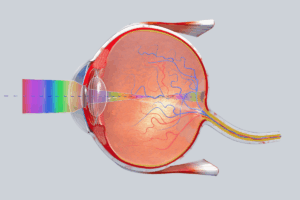
World’s First Human Implant of a 3D-Printed Cornea Restores Sight
December 15, 2025






Background
The kidneys play some vital roles. They are necessary for control of blood pressure, electrolyte and fluid balance, secretion of erythropoietin, and regulating acid-base levels. They originate from metanephric mesoderm that extends onto distal tubules during fetal development. The minor and major calyces, collecting ducts, ureter, and renal pelvis all develop from ureteric bud. This bud emerges from mesonephric duct around the 5th week of gestation. Consequently, the entire ureteropelvic junction is derived from ureteric bud than from the fusion of various mesenchymal tissues.
UPJO is a widely known entity. The flow of urine from renal pelvis to the ureter is deficient or maybe partially obstructed. If this obstruction is not identified and managed accordingly, the kidney will be completely lost. It is a condition mostly congenital and can be determined antenatally during ultrasound from the second trimester of pregnancy.
Epidemiology
UPJO occurs more frequently in children than in adults and more frequently in boys than in girls. In fact, the incidence in males is up to twofold that in females. In addition, this condition has been said to occur on the left side about twice as often as on the right. It accounts for approximately 80% of antenatally detected hydronephrosis.
The estimated incidence of UPJO is around 1 in 1,000 to 1,500 births. Although more common in children, UPJO may be diagnosed in adults as well.
Anatomy
Pathophysiology
Abnormal smooth muscle arrangements, absence, or hypertrophy may change the pressure within the renal pelvis and the peristaltic activity of the ureter, which influences the urine flow from the renal pelvis to the ureter. The rarer ones are those produced by the congenital ureteropelvic junction obstruction, but it can also be the result of accessory renal vessels, aorta, vena cava, or iliac vessels. Acquired causes may cause UPJ stenosis, resulting in reactive fibrosis and annual strictures. The vast majority of UPJOs are partial, and increased vasoactive peptides and cytokine production encourage inflammatory cell infiltration that eventually affects the renal blood supply, lowering total GFR in the affected kidney. Understanding the pathophysiology of UPJO may lead providers to earlier intervention to avoid worse outcomes. This also reduces GFR in the affected kidney through the renin-angiotensin system because of its vasoconstrictive action.
Etiology
Probable etiologies of UPJO involve:
Congenital sources:
Ureteral hypoplasia might result in a peristaltic segment of ureter, thus impeding the drainage of urine from renal pelvis to the ureter. Therefore, functional obstruction than mechanical will result. Elevated ureteric insertion into renal pelvis may mean that urine emptying fails due to renal scarring or ureteral hypoplasia. This leads to acute angulation at the ureteropelvic junction, causing functional obstruction and resulting in hydronephrosis. Additionally, the entrapment of ureter by a crossing accessory renal vessel often originating from the lower pole disrupts urine flow and is a contributing factor in nearly 50% of symptomatic children who undergo surgery for UPJO. Malrotation of the kidney may also result in UPJO.
Acquired sources:
Extrinsic
The most common cause, however, remains to be external compression at the proximal ureter or the ureteropelvic junction.
Possible causes include:
Intrinsic
This could be secondary to scarring due to an impacted stone, exposure to radiation or chronic inflammation to the ureteral wall and adjacent tissue. Ureteric tumors, such as transitional cell carcinoma of the ureteric urothelium, are also known causes of scarring. Iatrogenic causes are also found, including:
Genetics
Prognostic Factors
In most cases, hydronephrosis and neonatal UPJO resolve gradually without the need for surgical intervention. There is a notable relation between the severity of hydronephrosis and the likelihood of spontaneous resolution. The society for fetal urology has established a grading system for hydronephrosis with four levels. According to this system:
Clinical History
Neonates may present with hydronephrosis, while older children can present with urinary tract infection, flank mass, or intermittent flank pain caused by primary UPJ obstruction. Hematuria could also be seen in those where obstruction is associated with an infection.
Symptoms of UPJ obstruction in adults can include back and flank pain, UTIs, or pyelonephritis. Careful history taking may often elucidate that the pain occurs frequently after large fluid intake or ingesting diuretic food, also known as Dietl’s crisis.
Physical Examination
General appearance: The condition of the patient should be assessed for signs of distress or discomfort, and for signs of systemic illness like fever or jaundice which may indicate a complication.
Abdominal examination: To diagnose hydronephrosis, inspect for visible abdominal distension or asymmetry, palpate the flanks for palpable masses, assess for tenderness in the flank area for inflammation or infection, and percuss the abdomen and flanks for dullness which may indicate fluid accumulation or an enlarged kidney.
Tenderness in CVA (costovertebral angle): The costovertebral angle where the lower ribs meet the spine can be found to be tender or painful, potentially indicating kidney inflammation or injection linked to UPJO.
Assessment of hydronephrosis: Assess the hydration status of the patient to prevent dehydration-related symptoms and inquire about urinary symptoms like changes in output, haematuria or signs of urinary tract infection.
Age group
Associated comorbidity
Complications include:
Complications that arise from surgeries of UJPO
Associated activity
Acuity of presentation
Differential Diagnoses
Paediatric or Antenatal hydronephrosis
In adults
Laboratory Studies
Imaging Studies
Procedures
Histologic Findings
Staging
Treatment Paradigm
Medical therapy:
Medical therapy in children with UPJ obstruction is directed to maintaining sterile urine and monitoring kidney function and hydronephrosis. If the imaging studies shows incomplete obstruction, then patients are followed by renal ultrasonography and nuclear medicine renography. No medical therapy is available to reverse UPJ obstruction in adults or children. In the majority children are treated conservatively and followed up. Intervention is indicated if there is impaired drainage of kidneys or poor growth. Other symptoms and signs include pain, hypertension, bleeding, secondary renal calculi, and recurrent urinary tract infections.
Surgical therapy:
Obstructed UPJ correction is in general a procedure done in the presence of deteriorating renal function surgically. The basic principles of surgical repair include funnel, dependent drainage, watertight anastomosis, and a tension-free anastomosis. In children, the Anderson-Hynes dismembered pyeloplasty forms the procedure of choice and can be done via anterior extraperitoneal approach, dorsal lumbotomy approach, or a flank approach. Laparoscopic pyeloplasty entails a minimally invasive treatment approach to UPJO with comparable success rates to open pyeloplasty procedures.
Laparoscopic pyeloplasty is technologically challenging and requires a considerable amount of experience in laparoscopy. Robotic-assisted laparoscopic pyeloplasty, with the rise of the robotics program availability, is becoming quite popular. Endoscopic options include a retrograde or an antegrade endopylotomy, an incision made with the endoscope through the obstructing segment.
The reported failure rate for incising a UPJ obstruction with minimally invasive pyeloplasty is 7%, while that for open pyeloplasty is 9%, while the failure rate for endopyelotomy is 15%. Endopyelotomy consists of incising the area of the obstruction with a laser, electrocautery, or endoscopic scalpel and is followed by a prolonged ureteral stenting for 4-8 weeks. Reported success rates with ureteroscopic and percutaneous endopyelotomy are high at 80-90%.
Open surgical repairs that can be used to treat UPJ obstruction include Foley Y-V plasty, Anderson-Hynes dismembered pyeloplasty, and vertical and spiral flaps with ureterocalycostomy.
by Stage
by Modality
Chemotherapy
Radiation Therapy
Surgical Interventions
Hormone Therapy
Immunotherapy
Hyperthermia
Photodynamic Therapy
Stem Cell Transplant
Targeted Therapy
Palliative Care
Administration of Pharmaceutical agents with drugs
Medical management focuses on treating UTI’s, maintaining sterile urine and regularly assessing the renal function and the degree of hydronephrosis. However, medical management alone cannot reverse UPJO.
intervention-with-a-procedure
Surgical treatment is indicated in the following:
Enodopyelotomy:
This technique can be done in a retrograde and antegrade manner using either a laser or knife for endopyelotomy. This is usually done in patients who have recurrent disease after pyeloplasty or in older patients with moderate hydronephrosis. The procedure has a high rate of recurrence.
Pyeloplasty:
use-of-phases-of-management-in-treating-upjo-ureteropelvic-junction-obstruction
Diagnosis and evaluation:
The clinical assessment involves reviewing of symptoms like flank pain, UTIs, or hydronephrosis using imaging studies like IVP, ultrasound or CT, functional testing like diuretic renogram and urodynamics to identify the function and dynamics of bladder.
Conservative management:
Regular monitoring with imaging and functional tests may be sufficient for mild obstructions while medical therapy may be used to address symptoms like pain or infections.
Surgical intervention:
Surgery is recommended for persistent symptoms, kidney function impairment, recurrent infections, or worsening hydronephrosis. Types of surgery include Dismembered Pyeloplasty, Non-dismembered Pyeloplasty, and Endopyelotomy. Te approach is either retroperitoneal or transperitoneal. The surgery is typically performed with a laser or knife.
Postoperative care:
Regular monitoring assesses kidney function, recovery, and potential complications. Rehabilitation supports recovery, pain management, and gradual return to normal activities. Complication management addresses postoperative issues.
Long-term follow up:
The patient undergoes regular evaluations and functional tests to ensure successful resolution of obstruction and maintain kidney function, and their management plans are adjusted based on recovery and new symptoms.
Medication
Future Trends
The kidneys play some vital roles. They are necessary for control of blood pressure, electrolyte and fluid balance, secretion of erythropoietin, and regulating acid-base levels. They originate from metanephric mesoderm that extends onto distal tubules during fetal development. The minor and major calyces, collecting ducts, ureter, and renal pelvis all develop from ureteric bud. This bud emerges from mesonephric duct around the 5th week of gestation. Consequently, the entire ureteropelvic junction is derived from ureteric bud than from the fusion of various mesenchymal tissues.
UPJO is a widely known entity. The flow of urine from renal pelvis to the ureter is deficient or maybe partially obstructed. If this obstruction is not identified and managed accordingly, the kidney will be completely lost. It is a condition mostly congenital and can be determined antenatally during ultrasound from the second trimester of pregnancy.
UPJO occurs more frequently in children than in adults and more frequently in boys than in girls. In fact, the incidence in males is up to twofold that in females. In addition, this condition has been said to occur on the left side about twice as often as on the right. It accounts for approximately 80% of antenatally detected hydronephrosis.
The estimated incidence of UPJO is around 1 in 1,000 to 1,500 births. Although more common in children, UPJO may be diagnosed in adults as well.
Abnormal smooth muscle arrangements, absence, or hypertrophy may change the pressure within the renal pelvis and the peristaltic activity of the ureter, which influences the urine flow from the renal pelvis to the ureter. The rarer ones are those produced by the congenital ureteropelvic junction obstruction, but it can also be the result of accessory renal vessels, aorta, vena cava, or iliac vessels. Acquired causes may cause UPJ stenosis, resulting in reactive fibrosis and annual strictures. The vast majority of UPJOs are partial, and increased vasoactive peptides and cytokine production encourage inflammatory cell infiltration that eventually affects the renal blood supply, lowering total GFR in the affected kidney. Understanding the pathophysiology of UPJO may lead providers to earlier intervention to avoid worse outcomes. This also reduces GFR in the affected kidney through the renin-angiotensin system because of its vasoconstrictive action.
Probable etiologies of UPJO involve:
Congenital sources:
Ureteral hypoplasia might result in a peristaltic segment of ureter, thus impeding the drainage of urine from renal pelvis to the ureter. Therefore, functional obstruction than mechanical will result. Elevated ureteric insertion into renal pelvis may mean that urine emptying fails due to renal scarring or ureteral hypoplasia. This leads to acute angulation at the ureteropelvic junction, causing functional obstruction and resulting in hydronephrosis. Additionally, the entrapment of ureter by a crossing accessory renal vessel often originating from the lower pole disrupts urine flow and is a contributing factor in nearly 50% of symptomatic children who undergo surgery for UPJO. Malrotation of the kidney may also result in UPJO.
Acquired sources:
Extrinsic
The most common cause, however, remains to be external compression at the proximal ureter or the ureteropelvic junction.
Possible causes include:
Intrinsic
This could be secondary to scarring due to an impacted stone, exposure to radiation or chronic inflammation to the ureteral wall and adjacent tissue. Ureteric tumors, such as transitional cell carcinoma of the ureteric urothelium, are also known causes of scarring. Iatrogenic causes are also found, including:
In most cases, hydronephrosis and neonatal UPJO resolve gradually without the need for surgical intervention. There is a notable relation between the severity of hydronephrosis and the likelihood of spontaneous resolution. The society for fetal urology has established a grading system for hydronephrosis with four levels. According to this system:
Neonates may present with hydronephrosis, while older children can present with urinary tract infection, flank mass, or intermittent flank pain caused by primary UPJ obstruction. Hematuria could also be seen in those where obstruction is associated with an infection.
Symptoms of UPJ obstruction in adults can include back and flank pain, UTIs, or pyelonephritis. Careful history taking may often elucidate that the pain occurs frequently after large fluid intake or ingesting diuretic food, also known as Dietl’s crisis.
General appearance: The condition of the patient should be assessed for signs of distress or discomfort, and for signs of systemic illness like fever or jaundice which may indicate a complication.
Abdominal examination: To diagnose hydronephrosis, inspect for visible abdominal distension or asymmetry, palpate the flanks for palpable masses, assess for tenderness in the flank area for inflammation or infection, and percuss the abdomen and flanks for dullness which may indicate fluid accumulation or an enlarged kidney.
Tenderness in CVA (costovertebral angle): The costovertebral angle where the lower ribs meet the spine can be found to be tender or painful, potentially indicating kidney inflammation or injection linked to UPJO.
Assessment of hydronephrosis: Assess the hydration status of the patient to prevent dehydration-related symptoms and inquire about urinary symptoms like changes in output, haematuria or signs of urinary tract infection.
Complications include:
Complications that arise from surgeries of UJPO
Paediatric or Antenatal hydronephrosis
In adults
Medical therapy:
Medical therapy in children with UPJ obstruction is directed to maintaining sterile urine and monitoring kidney function and hydronephrosis. If the imaging studies shows incomplete obstruction, then patients are followed by renal ultrasonography and nuclear medicine renography. No medical therapy is available to reverse UPJ obstruction in adults or children. In the majority children are treated conservatively and followed up. Intervention is indicated if there is impaired drainage of kidneys or poor growth. Other symptoms and signs include pain, hypertension, bleeding, secondary renal calculi, and recurrent urinary tract infections.
Surgical therapy:
Obstructed UPJ correction is in general a procedure done in the presence of deteriorating renal function surgically. The basic principles of surgical repair include funnel, dependent drainage, watertight anastomosis, and a tension-free anastomosis. In children, the Anderson-Hynes dismembered pyeloplasty forms the procedure of choice and can be done via anterior extraperitoneal approach, dorsal lumbotomy approach, or a flank approach. Laparoscopic pyeloplasty entails a minimally invasive treatment approach to UPJO with comparable success rates to open pyeloplasty procedures.
Laparoscopic pyeloplasty is technologically challenging and requires a considerable amount of experience in laparoscopy. Robotic-assisted laparoscopic pyeloplasty, with the rise of the robotics program availability, is becoming quite popular. Endoscopic options include a retrograde or an antegrade endopylotomy, an incision made with the endoscope through the obstructing segment.
The reported failure rate for incising a UPJ obstruction with minimally invasive pyeloplasty is 7%, while that for open pyeloplasty is 9%, while the failure rate for endopyelotomy is 15%. Endopyelotomy consists of incising the area of the obstruction with a laser, electrocautery, or endoscopic scalpel and is followed by a prolonged ureteral stenting for 4-8 weeks. Reported success rates with ureteroscopic and percutaneous endopyelotomy are high at 80-90%.
Open surgical repairs that can be used to treat UPJ obstruction include Foley Y-V plasty, Anderson-Hynes dismembered pyeloplasty, and vertical and spiral flaps with ureterocalycostomy.
Urology
Medical management focuses on treating UTI’s, maintaining sterile urine and regularly assessing the renal function and the degree of hydronephrosis. However, medical management alone cannot reverse UPJO.
Urology
Surgical treatment is indicated in the following:
Enodopyelotomy:
This technique can be done in a retrograde and antegrade manner using either a laser or knife for endopyelotomy. This is usually done in patients who have recurrent disease after pyeloplasty or in older patients with moderate hydronephrosis. The procedure has a high rate of recurrence.
Pyeloplasty:
Urology
Diagnosis and evaluation:
The clinical assessment involves reviewing of symptoms like flank pain, UTIs, or hydronephrosis using imaging studies like IVP, ultrasound or CT, functional testing like diuretic renogram and urodynamics to identify the function and dynamics of bladder.
Conservative management:
Regular monitoring with imaging and functional tests may be sufficient for mild obstructions while medical therapy may be used to address symptoms like pain or infections.
Surgical intervention:
Surgery is recommended for persistent symptoms, kidney function impairment, recurrent infections, or worsening hydronephrosis. Types of surgery include Dismembered Pyeloplasty, Non-dismembered Pyeloplasty, and Endopyelotomy. Te approach is either retroperitoneal or transperitoneal. The surgery is typically performed with a laser or knife.
Postoperative care:
Regular monitoring assesses kidney function, recovery, and potential complications. Rehabilitation supports recovery, pain management, and gradual return to normal activities. Complication management addresses postoperative issues.
Long-term follow up:
The patient undergoes regular evaluations and functional tests to ensure successful resolution of obstruction and maintain kidney function, and their management plans are adjusted based on recovery and new symptoms.

The kidneys play some vital roles. They are necessary for control of blood pressure, electrolyte and fluid balance, secretion of erythropoietin, and regulating acid-base levels. They originate from metanephric mesoderm that extends onto distal tubules during fetal development. The minor and major calyces, collecting ducts, ureter, and renal pelvis all develop from ureteric bud. This bud emerges from mesonephric duct around the 5th week of gestation. Consequently, the entire ureteropelvic junction is derived from ureteric bud than from the fusion of various mesenchymal tissues.
UPJO is a widely known entity. The flow of urine from renal pelvis to the ureter is deficient or maybe partially obstructed. If this obstruction is not identified and managed accordingly, the kidney will be completely lost. It is a condition mostly congenital and can be determined antenatally during ultrasound from the second trimester of pregnancy.
UPJO occurs more frequently in children than in adults and more frequently in boys than in girls. In fact, the incidence in males is up to twofold that in females. In addition, this condition has been said to occur on the left side about twice as often as on the right. It accounts for approximately 80% of antenatally detected hydronephrosis.
The estimated incidence of UPJO is around 1 in 1,000 to 1,500 births. Although more common in children, UPJO may be diagnosed in adults as well.
Abnormal smooth muscle arrangements, absence, or hypertrophy may change the pressure within the renal pelvis and the peristaltic activity of the ureter, which influences the urine flow from the renal pelvis to the ureter. The rarer ones are those produced by the congenital ureteropelvic junction obstruction, but it can also be the result of accessory renal vessels, aorta, vena cava, or iliac vessels. Acquired causes may cause UPJ stenosis, resulting in reactive fibrosis and annual strictures. The vast majority of UPJOs are partial, and increased vasoactive peptides and cytokine production encourage inflammatory cell infiltration that eventually affects the renal blood supply, lowering total GFR in the affected kidney. Understanding the pathophysiology of UPJO may lead providers to earlier intervention to avoid worse outcomes. This also reduces GFR in the affected kidney through the renin-angiotensin system because of its vasoconstrictive action.
Probable etiologies of UPJO involve:
Congenital sources:
Ureteral hypoplasia might result in a peristaltic segment of ureter, thus impeding the drainage of urine from renal pelvis to the ureter. Therefore, functional obstruction than mechanical will result. Elevated ureteric insertion into renal pelvis may mean that urine emptying fails due to renal scarring or ureteral hypoplasia. This leads to acute angulation at the ureteropelvic junction, causing functional obstruction and resulting in hydronephrosis. Additionally, the entrapment of ureter by a crossing accessory renal vessel often originating from the lower pole disrupts urine flow and is a contributing factor in nearly 50% of symptomatic children who undergo surgery for UPJO. Malrotation of the kidney may also result in UPJO.
Acquired sources:
Extrinsic
The most common cause, however, remains to be external compression at the proximal ureter or the ureteropelvic junction.
Possible causes include:
Intrinsic
This could be secondary to scarring due to an impacted stone, exposure to radiation or chronic inflammation to the ureteral wall and adjacent tissue. Ureteric tumors, such as transitional cell carcinoma of the ureteric urothelium, are also known causes of scarring. Iatrogenic causes are also found, including:
In most cases, hydronephrosis and neonatal UPJO resolve gradually without the need for surgical intervention. There is a notable relation between the severity of hydronephrosis and the likelihood of spontaneous resolution. The society for fetal urology has established a grading system for hydronephrosis with four levels. According to this system:
Neonates may present with hydronephrosis, while older children can present with urinary tract infection, flank mass, or intermittent flank pain caused by primary UPJ obstruction. Hematuria could also be seen in those where obstruction is associated with an infection.
Symptoms of UPJ obstruction in adults can include back and flank pain, UTIs, or pyelonephritis. Careful history taking may often elucidate that the pain occurs frequently after large fluid intake or ingesting diuretic food, also known as Dietl’s crisis.
General appearance: The condition of the patient should be assessed for signs of distress or discomfort, and for signs of systemic illness like fever or jaundice which may indicate a complication.
Abdominal examination: To diagnose hydronephrosis, inspect for visible abdominal distension or asymmetry, palpate the flanks for palpable masses, assess for tenderness in the flank area for inflammation or infection, and percuss the abdomen and flanks for dullness which may indicate fluid accumulation or an enlarged kidney.
Tenderness in CVA (costovertebral angle): The costovertebral angle where the lower ribs meet the spine can be found to be tender or painful, potentially indicating kidney inflammation or injection linked to UPJO.
Assessment of hydronephrosis: Assess the hydration status of the patient to prevent dehydration-related symptoms and inquire about urinary symptoms like changes in output, haematuria or signs of urinary tract infection.
Complications include:
Complications that arise from surgeries of UJPO
Paediatric or Antenatal hydronephrosis
In adults
Medical therapy:
Medical therapy in children with UPJ obstruction is directed to maintaining sterile urine and monitoring kidney function and hydronephrosis. If the imaging studies shows incomplete obstruction, then patients are followed by renal ultrasonography and nuclear medicine renography. No medical therapy is available to reverse UPJ obstruction in adults or children. In the majority children are treated conservatively and followed up. Intervention is indicated if there is impaired drainage of kidneys or poor growth. Other symptoms and signs include pain, hypertension, bleeding, secondary renal calculi, and recurrent urinary tract infections.
Surgical therapy:
Obstructed UPJ correction is in general a procedure done in the presence of deteriorating renal function surgically. The basic principles of surgical repair include funnel, dependent drainage, watertight anastomosis, and a tension-free anastomosis. In children, the Anderson-Hynes dismembered pyeloplasty forms the procedure of choice and can be done via anterior extraperitoneal approach, dorsal lumbotomy approach, or a flank approach. Laparoscopic pyeloplasty entails a minimally invasive treatment approach to UPJO with comparable success rates to open pyeloplasty procedures.
Laparoscopic pyeloplasty is technologically challenging and requires a considerable amount of experience in laparoscopy. Robotic-assisted laparoscopic pyeloplasty, with the rise of the robotics program availability, is becoming quite popular. Endoscopic options include a retrograde or an antegrade endopylotomy, an incision made with the endoscope through the obstructing segment.
The reported failure rate for incising a UPJ obstruction with minimally invasive pyeloplasty is 7%, while that for open pyeloplasty is 9%, while the failure rate for endopyelotomy is 15%. Endopyelotomy consists of incising the area of the obstruction with a laser, electrocautery, or endoscopic scalpel and is followed by a prolonged ureteral stenting for 4-8 weeks. Reported success rates with ureteroscopic and percutaneous endopyelotomy are high at 80-90%.
Open surgical repairs that can be used to treat UPJ obstruction include Foley Y-V plasty, Anderson-Hynes dismembered pyeloplasty, and vertical and spiral flaps with ureterocalycostomy.
Urology
Medical management focuses on treating UTI’s, maintaining sterile urine and regularly assessing the renal function and the degree of hydronephrosis. However, medical management alone cannot reverse UPJO.
Urology
Surgical treatment is indicated in the following:
Enodopyelotomy:
This technique can be done in a retrograde and antegrade manner using either a laser or knife for endopyelotomy. This is usually done in patients who have recurrent disease after pyeloplasty or in older patients with moderate hydronephrosis. The procedure has a high rate of recurrence.
Pyeloplasty:
Urology
Diagnosis and evaluation:
The clinical assessment involves reviewing of symptoms like flank pain, UTIs, or hydronephrosis using imaging studies like IVP, ultrasound or CT, functional testing like diuretic renogram and urodynamics to identify the function and dynamics of bladder.
Conservative management:
Regular monitoring with imaging and functional tests may be sufficient for mild obstructions while medical therapy may be used to address symptoms like pain or infections.
Surgical intervention:
Surgery is recommended for persistent symptoms, kidney function impairment, recurrent infections, or worsening hydronephrosis. Types of surgery include Dismembered Pyeloplasty, Non-dismembered Pyeloplasty, and Endopyelotomy. Te approach is either retroperitoneal or transperitoneal. The surgery is typically performed with a laser or knife.
Postoperative care:
Regular monitoring assesses kidney function, recovery, and potential complications. Rehabilitation supports recovery, pain management, and gradual return to normal activities. Complication management addresses postoperative issues.
Long-term follow up:
The patient undergoes regular evaluations and functional tests to ensure successful resolution of obstruction and maintain kidney function, and their management plans are adjusted based on recovery and new symptoms.

Both our subscription plans include Free CME/CPD AMA PRA Category 1 credits.

On course completion, you will receive a full-sized presentation quality digital certificate.
A dynamic medical simulation platform designed to train healthcare professionals and students to effectively run code situations through an immersive hands-on experience in a live, interactive 3D environment.

When you have your licenses, certificates and CMEs in one place, it's easier to track your career growth. You can easily share these with hospitals as well, using your medtigo app.