Uveal melanoma

Updated: October 6, 2023

Mail Whatsapp PDF Image

Background

  • Uveal melanoma, also known as intraocular or ocular melanoma, is a rare and potentially deadly form of cancer that affects the eye.
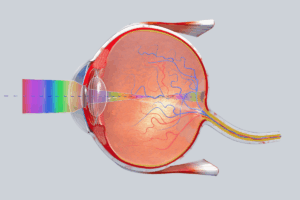
  • Uveal melanoma originates in the uvea, which is the middle layer of the eye. The uvea consists of three main parts: the iris, the ciliary body, and the choroid.
  • People with fair skin and light-colored eyes (blue or green) are at a slightly higher risk. Prolonged exposure to ultraviolet (UV) radiation from the sun or artificial sources may increase the risk.
  • Uveal melanoma often presents with no early symptoms, and it may be detected during a routine eye exam. As the tumor grows, individuals may experience symptoms such as blurry or distorted vision, changes in the appearance of the iris, flashes of light, and in some cases, eye pain.

Epidemiology

  • Uveal melanoma is relatively rare compared to cutaneous (skin) melanoma. It accounts for about 3-5% of all melanoma cases. The annual incidence of uveal melanoma varies by region but is generally estimated to be between 4 and 6 cases per million people.
  • The location of the tumor within the eye can impact its behavior and prognosis. Tumor size is a critical factor in determining prognosis, with larger tumors being associated with a higher risk of metastasis.
  • The most significant concern in uveal melanoma is the potential for metastasis i.e., spread of the cancer to other parts of the body.
  • The liver is the most common site for uveal melanoma metastases, and the presence of metastatic disease is associated with poor outcomes.

Anatomy

Pathophysiology

  • Uveal melanoma is associated with specific genetic mutations, the most common of which are mutations in the GNAQ and GNA11 genes. These mutations lead to the activation of intracellular signaling pathways, including the MAPK and PI3K pathways, promoting cell growth and survival.
  • Uveal melanomas typically grow within the eye and can remain asymptomatic in the early stages. As they grow, they can cause changes in vision or other ocular symptoms.
  • Uveal melanomas can stimulate angiogenesis, which is the formation of new blood vessels. This process provides the tumor with a blood supply, allowing it to grow and potentially metastasize.
  • The development of new blood vessels can also lead to retinal detachment and other complications.

Etiology

  • Prolonged exposure to ultraviolet (UV) radiation from sunlight is a known risk factor for cutaneous (skin) melanoma.
  • The relationship between UV radiation and uveal melanoma is not as clear as it is for cutaneous melanoma, but it remains an area of investigation.
  • People with fair skin and light-colored eyes (blue or green) may have a slightly higher risk of developing uveal melanoma. This association suggests that genetic factors related to pigmentation may be involved.
  • Fair-skinned individuals are generally more susceptible to the harmful effects of UV radiation. Ocular melanocytosis is a condition in which there is an increased number of melanocytes in the uveal tract of the eye.

Genetics

Prognostic Factors

  • The size of the primary tumor is one of the most significant prognostic factors. Tumor size is often measured in millimeters or in terms of tumor thickness.
  • The location of the tumor within the eye can impact prognosis. Uveal melanomas can occur in the choroid, ciliary body, or iris. Tumors located in the ciliary body or choroid, particularly those near the optic nerve, tend to have a higher risk of metastasis.
  • Uveal melanomas can be categorized into different cell types, including spindle cell, epithelioid cell, or mixed cell types. Epithelioid cell type is associated with a higher risk of metastasis and a less favorable prognosis compared to spindle cell type.

Clinical History

Age Group:

Uveal melanoma can affect individuals of various age groups, but it is most diagnosed in adults. The average age at diagnosis typically falls within the range of 50 to 70 years old.

Physical Examination

Age group

Associated comorbidity

  • Ocular melanocytosis is a rare condition characterized by an increased number of melanocytes (pigment-producing cells) in the eye. People with ocular melanocytosis may have a higher risk of developing uveal melanoma.
  • If uveal melanoma metastasizes to other organs, the liver is the most common site for metastasis. Therefore, individuals with pre-existing liver disease may face additional challenges if they develop metastatic uveal melanoma.

Associated activity

Acuity of presentation

  • Uveal melanoma is discovered incidentally during a routine eye exam, and patients may not experience any noticeable symptoms, especially in the early stages. This underscores the importance of regular eye check-ups.
  • Blurred or distorted vision is a common symptom when the tumor affects the macula, which is the central part of the retina responsible for sharp central vision. This can impact the ability to read or see fine details.
  • Flashes of light, also known as photopsia, can occur if the tumor exerts traction on the retina or the vitreous humor. Patients may describe seeing flashes or brief bursts of light.
  • When uveal melanoma affects the iris (the colored part of the eye), it can lead to changes in the appearance of the eye. This may include a dark spot on the iris or uneven coloring.

Differential Diagnoses

Choroidal Nevus: A choroidal nevus is a benign, pigmented lesion in the choroid layer of the eye. It is a common finding and can resemble a uveal melanoma in appearance. Regular monitoring and evaluation by an eye specialist are essential to differentiate between a nevus and a melanoma.

Choroidal Hemangioma: A choroidal hemangioma is a benign vascular tumor that can appear like uveal melanoma on imaging. It is typically not malignant and may require a different approach to management.

Choroidal Osteoma: Choroidal osteoma is a rare, benign tumor characterized by the formation of bone-like tissue within the choroid. It can sometimes be mistaken for uveal melanoma due to its calcified appearance.

Retinal Pigment Epithelial (RPE) Hypertrophy: Changes in the pigmented layer of the retina, known as the retinal pigment epithelium (RPE), can mimic the appearance of uveal melanoma. Conditions like RPE hypertrophy or atrophy can be associated with aging and other factors.

Laboratory Studies

Imaging Studies

Procedures

Histologic Findings

Staging

Treatment Paradigm

  • Observation and Monitoring: Small uveal melanomas that are not causing vision problems or other symptoms may be closely monitored through regular eye examinations.
  • Radiation Therapy: Radiation therapy is a common treatment for uveal melanoma. Different types of radiation therapy may be used, including:
  • Plaque Brachytherapy: A small radioactive plaque is surgically placed on the surface of the eye, directly over the tumor. The plaque delivers radiation to the tumor while minimizing damage to surrounding tissues.
  • Surgery: Surgical removal of the eye may be necessary in certain situations, particularly when the tumor is large, causing severe pain, or when other treatments are not feasible.
  • In cases where the eye can be preserved, surgical techniques such as transscleral resection or endoresection may be considered to remove the tumor while sparing the eye.
  • Targeted Therapies: Clinical trials are exploring novel therapies for uveal melanoma, including targeted therapies and immunotherapies. These therapies aim to inhibit specific pathways or boost the body’s immune response against the cancer.

by Stage

by Modality

Chemotherapy

Radiation Therapy

Surgical Interventions

Hormone Therapy

Immunotherapy

Hyperthermia

Photodynamic Therapy

Stem Cell Transplant

Targeted Therapy

Palliative Care

use-of-non-pharmacological-approach-for-treating-uveal-melanoma

  • Eye Protection from UV Radiation: Wear sunglasses that block both UVA and UVB rays to reduce the risk of other eye conditions and skin cancer.
  • Wide-brimmed hats and seeking shade can also provide additional protection from sunlight.
  • Regular Eye Examinations: Consistent monitoring through regular eye examinations is essential for individuals with uveal melanoma. Follow your ophthalmologist’s recommendations for follow-up appointments.
  • Healthy Lifestyle Choices: Maintaining a healthy lifestyle, including a balanced diet and regular exercise, can contribute to overall well-being.
  • Eating a diet rich in fruits, vegetables, and antioxidants may support your general health.
  • Awareness about Symptoms: Be aware of potential symptoms or changes in your vision, eye color, or eye comfort. Promptly report any unusual symptoms to your healthcare provider.

Use of Immune Checkpoint Inhibitors

  • Immune checkpoint inhibitors, such as pembrolizumab and nivolumab, are immunotherapeutic drugs that work by blocking certain proteins on immune cells and cancer cells, allowing the immune system to recognize and attack cancer cells.
  • Pembrolizumab and Nivolumab: These are immune checkpoint inhibitor that targets the programmed cell death protein 1 (PD-1) receptor on immune cells.
  • By blocking PD-1, pembrolizumab aims to release the brakes on the immune system, allowing it to recognize and attack cancer cells, including melanoma cells.

Use of targeted therapies

Targeted therapies focus on specific genetic mutations or molecular pathways involved in uveal melanoma.

MEK Inhibitors: Drugs like trametinib and cobimetinib target the MEK pathway, which is activated in uveal melanoma.

Trametinib and cobimetinib: These are inhibitors of the MEK protein. By inhibiting MEK, these drugs aim to disrupt the aberrant signalling pathway and slow down the growth of uveal melanoma cells.

use-of-intervention-with-a-procedure-in-treating-uveal-melanoma

  • Plaque Brachytherapy: Plaque brachytherapy is a common treatment for small to medium-sized uveal melanomas. It involves the surgical placement of a small, radioactive plaque on the sclera (the white part of the eye) directly over the tumor.
  • Proton Beam Therapy: Proton beam therapy is a type of external beam radiation therapy that uses proton beams to target the tumor with precision. It is particularly useful for uveal melanomas located near critical structures within the eye, such as the optic nerve.
  • Proton beam therapy allows for a highly focused treatment while sparing nearby healthy tissues.
  • Enucleation: Enucleation is the surgical removal of the entire eye. It is considered when the tumor is very large, when there is severe pain or other complications, or when other treatments are not feasible.
  • Enucleation may also be recommended in cases where the tumor has caused extensive damage to the eye and there is a concern about its potential to spread.
  • Laser Photocoagulation: Laser photocoagulation may be used to treat small uveal melanomas located in the iris or ciliary body. It involves using a laser to destroy or shrink the tumor.

use-of-phases-in-managing-uveal-melanoma

  • Diagnosis Phase: This initial phase involves the diagnosis of uveal melanoma through clinical evaluation, imaging studies, and often a biopsy (fine-needle aspiration) to confirm the diagnosis. Staging is performed to determine the extent of the tumor and whether it has metastasized (spread) to other parts of the body.
  • Treatment Phase: Once the diagnosis is confirmed and staging is completed, the healthcare team, including ophthalmologists and oncologists, works with the patient to develop a personalized treatment plan.
  • Adjuvant Therapy: Adjuvant therapy may be considered after primary treatment to reduce the risk of recurrence or metastasis. Adjuvant therapies can include additional radiation therapy or experimental treatments available through clinical trials.
  • Monitoring and Follow-Up Phase: Regular monitoring and follow-up are crucial to track the tumor’s response to treatment and to detect any signs of recurrence or metastasis. Follow-up visits often involve eye examinations, imaging studies, and other tests as needed.
  • Supportive Care: Throughout the management process, supportive care plays a vital role. This includes addressing symptoms, pain management, psychological and emotional support, and assistance with side effects of treatment.
  • Palliative Care: Palliative care focuses on improving the quality of life for individuals with advanced or metastatic uveal melanoma. It aims to manage symptoms, provide emotional support, and enhance overall well-being.

Medication

Media Gallary

References

  • Metastatic Uveal Melanoma Treatment (webmd.com)
  • Intraocular (Uveal) Melanoma Treatment – NCI (cancer.gov)
Content loading

Latest Posts

Uveal melanoma

Updated : October 6, 2023

Mail Whatsapp PDF Image


  • Uveal melanoma, also known as intraocular or ocular melanoma, is a rare and potentially deadly form of cancer that affects the eye.
  • Uveal melanoma originates in the uvea, which is the middle layer of the eye. The uvea consists of three main parts: the iris, the ciliary body, and the choroid.
  • People with fair skin and light-colored eyes (blue or green) are at a slightly higher risk. Prolonged exposure to ultraviolet (UV) radiation from the sun or artificial sources may increase the risk.
  • Uveal melanoma often presents with no early symptoms, and it may be detected during a routine eye exam. As the tumor grows, individuals may experience symptoms such as blurry or distorted vision, changes in the appearance of the iris, flashes of light, and in some cases, eye pain.
  • Uveal melanoma is relatively rare compared to cutaneous (skin) melanoma. It accounts for about 3-5% of all melanoma cases. The annual incidence of uveal melanoma varies by region but is generally estimated to be between 4 and 6 cases per million people.
  • The location of the tumor within the eye can impact its behavior and prognosis. Tumor size is a critical factor in determining prognosis, with larger tumors being associated with a higher risk of metastasis.
  • The most significant concern in uveal melanoma is the potential for metastasis i.e., spread of the cancer to other parts of the body.
  • The liver is the most common site for uveal melanoma metastases, and the presence of metastatic disease is associated with poor outcomes.
  • Uveal melanoma is associated with specific genetic mutations, the most common of which are mutations in the GNAQ and GNA11 genes. These mutations lead to the activation of intracellular signaling pathways, including the MAPK and PI3K pathways, promoting cell growth and survival.
  • Uveal melanomas typically grow within the eye and can remain asymptomatic in the early stages. As they grow, they can cause changes in vision or other ocular symptoms.
  • Uveal melanomas can stimulate angiogenesis, which is the formation of new blood vessels. This process provides the tumor with a blood supply, allowing it to grow and potentially metastasize.
  • The development of new blood vessels can also lead to retinal detachment and other complications.
  • Prolonged exposure to ultraviolet (UV) radiation from sunlight is a known risk factor for cutaneous (skin) melanoma.
  • The relationship between UV radiation and uveal melanoma is not as clear as it is for cutaneous melanoma, but it remains an area of investigation.
  • People with fair skin and light-colored eyes (blue or green) may have a slightly higher risk of developing uveal melanoma. This association suggests that genetic factors related to pigmentation may be involved.
  • Fair-skinned individuals are generally more susceptible to the harmful effects of UV radiation. Ocular melanocytosis is a condition in which there is an increased number of melanocytes in the uveal tract of the eye.
  • The size of the primary tumor is one of the most significant prognostic factors. Tumor size is often measured in millimeters or in terms of tumor thickness.
  • The location of the tumor within the eye can impact prognosis. Uveal melanomas can occur in the choroid, ciliary body, or iris. Tumors located in the ciliary body or choroid, particularly those near the optic nerve, tend to have a higher risk of metastasis.
  • Uveal melanomas can be categorized into different cell types, including spindle cell, epithelioid cell, or mixed cell types. Epithelioid cell type is associated with a higher risk of metastasis and a less favorable prognosis compared to spindle cell type.

Age Group:

Uveal melanoma can affect individuals of various age groups, but it is most diagnosed in adults. The average age at diagnosis typically falls within the range of 50 to 70 years old.

  • Ocular melanocytosis is a rare condition characterized by an increased number of melanocytes (pigment-producing cells) in the eye. People with ocular melanocytosis may have a higher risk of developing uveal melanoma.
  • If uveal melanoma metastasizes to other organs, the liver is the most common site for metastasis. Therefore, individuals with pre-existing liver disease may face additional challenges if they develop metastatic uveal melanoma.
  • Uveal melanoma is discovered incidentally during a routine eye exam, and patients may not experience any noticeable symptoms, especially in the early stages. This underscores the importance of regular eye check-ups.
  • Blurred or distorted vision is a common symptom when the tumor affects the macula, which is the central part of the retina responsible for sharp central vision. This can impact the ability to read or see fine details.
  • Flashes of light, also known as photopsia, can occur if the tumor exerts traction on the retina or the vitreous humor. Patients may describe seeing flashes or brief bursts of light.
  • When uveal melanoma affects the iris (the colored part of the eye), it can lead to changes in the appearance of the eye. This may include a dark spot on the iris or uneven coloring.

Choroidal Nevus: A choroidal nevus is a benign, pigmented lesion in the choroid layer of the eye. It is a common finding and can resemble a uveal melanoma in appearance. Regular monitoring and evaluation by an eye specialist are essential to differentiate between a nevus and a melanoma.

Choroidal Hemangioma: A choroidal hemangioma is a benign vascular tumor that can appear like uveal melanoma on imaging. It is typically not malignant and may require a different approach to management.

Choroidal Osteoma: Choroidal osteoma is a rare, benign tumor characterized by the formation of bone-like tissue within the choroid. It can sometimes be mistaken for uveal melanoma due to its calcified appearance.

Retinal Pigment Epithelial (RPE) Hypertrophy: Changes in the pigmented layer of the retina, known as the retinal pigment epithelium (RPE), can mimic the appearance of uveal melanoma. Conditions like RPE hypertrophy or atrophy can be associated with aging and other factors.

  • Observation and Monitoring: Small uveal melanomas that are not causing vision problems or other symptoms may be closely monitored through regular eye examinations.
  • Radiation Therapy: Radiation therapy is a common treatment for uveal melanoma. Different types of radiation therapy may be used, including:
  • Plaque Brachytherapy: A small radioactive plaque is surgically placed on the surface of the eye, directly over the tumor. The plaque delivers radiation to the tumor while minimizing damage to surrounding tissues.
  • Surgery: Surgical removal of the eye may be necessary in certain situations, particularly when the tumor is large, causing severe pain, or when other treatments are not feasible.
  • In cases where the eye can be preserved, surgical techniques such as transscleral resection or endoresection may be considered to remove the tumor while sparing the eye.
  • Targeted Therapies: Clinical trials are exploring novel therapies for uveal melanoma, including targeted therapies and immunotherapies. These therapies aim to inhibit specific pathways or boost the body’s immune response against the cancer.

Ophthalmology

  • Eye Protection from UV Radiation: Wear sunglasses that block both UVA and UVB rays to reduce the risk of other eye conditions and skin cancer.
  • Wide-brimmed hats and seeking shade can also provide additional protection from sunlight.
  • Regular Eye Examinations: Consistent monitoring through regular eye examinations is essential for individuals with uveal melanoma. Follow your ophthalmologist’s recommendations for follow-up appointments.
  • Healthy Lifestyle Choices: Maintaining a healthy lifestyle, including a balanced diet and regular exercise, can contribute to overall well-being.
  • Eating a diet rich in fruits, vegetables, and antioxidants may support your general health.
  • Awareness about Symptoms: Be aware of potential symptoms or changes in your vision, eye color, or eye comfort. Promptly report any unusual symptoms to your healthcare provider.

Ophthalmology

  • Immune checkpoint inhibitors, such as pembrolizumab and nivolumab, are immunotherapeutic drugs that work by blocking certain proteins on immune cells and cancer cells, allowing the immune system to recognize and attack cancer cells.
  • Pembrolizumab and Nivolumab: These are immune checkpoint inhibitor that targets the programmed cell death protein 1 (PD-1) receptor on immune cells.
  • By blocking PD-1, pembrolizumab aims to release the brakes on the immune system, allowing it to recognize and attack cancer cells, including melanoma cells.

Targeted therapies focus on specific genetic mutations or molecular pathways involved in uveal melanoma.

MEK Inhibitors: Drugs like trametinib and cobimetinib target the MEK pathway, which is activated in uveal melanoma.

Trametinib and cobimetinib: These are inhibitors of the MEK protein. By inhibiting MEK, these drugs aim to disrupt the aberrant signalling pathway and slow down the growth of uveal melanoma cells.

Ophthalmology

  • Plaque Brachytherapy: Plaque brachytherapy is a common treatment for small to medium-sized uveal melanomas. It involves the surgical placement of a small, radioactive plaque on the sclera (the white part of the eye) directly over the tumor.
  • Proton Beam Therapy: Proton beam therapy is a type of external beam radiation therapy that uses proton beams to target the tumor with precision. It is particularly useful for uveal melanomas located near critical structures within the eye, such as the optic nerve.
  • Proton beam therapy allows for a highly focused treatment while sparing nearby healthy tissues.
  • Enucleation: Enucleation is the surgical removal of the entire eye. It is considered when the tumor is very large, when there is severe pain or other complications, or when other treatments are not feasible.
  • Enucleation may also be recommended in cases where the tumor has caused extensive damage to the eye and there is a concern about its potential to spread.
  • Laser Photocoagulation: Laser photocoagulation may be used to treat small uveal melanomas located in the iris or ciliary body. It involves using a laser to destroy or shrink the tumor.

Ophthalmology

  • Diagnosis Phase: This initial phase involves the diagnosis of uveal melanoma through clinical evaluation, imaging studies, and often a biopsy (fine-needle aspiration) to confirm the diagnosis. Staging is performed to determine the extent of the tumor and whether it has metastasized (spread) to other parts of the body.
  • Treatment Phase: Once the diagnosis is confirmed and staging is completed, the healthcare team, including ophthalmologists and oncologists, works with the patient to develop a personalized treatment plan.
  • Adjuvant Therapy: Adjuvant therapy may be considered after primary treatment to reduce the risk of recurrence or metastasis. Adjuvant therapies can include additional radiation therapy or experimental treatments available through clinical trials.
  • Monitoring and Follow-Up Phase: Regular monitoring and follow-up are crucial to track the tumor’s response to treatment and to detect any signs of recurrence or metastasis. Follow-up visits often involve eye examinations, imaging studies, and other tests as needed.
  • Supportive Care: Throughout the management process, supportive care plays a vital role. This includes addressing symptoms, pain management, psychological and emotional support, and assistance with side effects of treatment.
  • Palliative Care: Palliative care focuses on improving the quality of life for individuals with advanced or metastatic uveal melanoma. It aims to manage symptoms, provide emotional support, and enhance overall well-being.

  • Metastatic Uveal Melanoma Treatment (webmd.com)
  • Intraocular (Uveal) Melanoma Treatment – NCI (cancer.gov)

Free CME credits

Both our subscription plans include Free CME/CPD AMA PRA Category 1 credits.

Digital Certificate PDF

On course completion, you will receive a full-sized presentation quality digital certificate.

medtigo Simulation

A dynamic medical simulation platform designed to train healthcare professionals and students to effectively run code situations through an immersive hands-on experience in a live, interactive 3D environment.

medtigo Points

medtigo points is our unique point redemption system created to award users for interacting on our site. These points can be redeemed for special discounts on the medtigo marketplace as well as towards the membership cost itself.
 
  • Registration with medtigo = 10 points
  • 1 visit to medtigo’s website = 1 point
  • Interacting with medtigo posts (through comments/clinical cases etc.) = 5 points
  • Attempting a game = 1 point
  • Community Forum post/reply = 5 points

    *Redemption of points can occur only through the medtigo marketplace, courses, or simulation system. Money will not be credited to your bank account. 10 points = $1.

All Your Certificates in One Place

When you have your licenses, certificates and CMEs in one place, it's easier to track your career growth. You can easily share these with hospitals as well, using your medtigo app.

Our Certificate Courses