WAGR syndrome is a rare genetic disorder that primarily affects children. The name “WAGR” is an acronym that stands as follows:
Wilms Tumor: This refers to a type of kidney cancer called Wilms tumor, which is one of the features of WAGR syndrome. Wilms tumor typically develops in childhood and is characterized by the formation of cancerous cells in one or both kidneys.
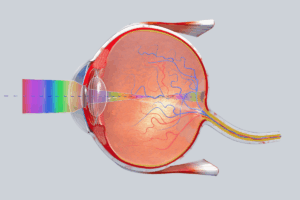
Aniridia: Aniridia is a condition characterized by the partial or complete absence of the iris, the colored part of the eye. People with WAGR syndrome often have aniridia, which can lead to vision problems such as sensitivity to light and reduced visual acuity.
Genitourinary Abnormalities: WAGR syndrome can also involve abnormalities in the genitourinary system, including malformations of the genitals and urinary tract. These abnormalities can vary in severity and may require medical intervention.
Range of Features: In addition to the core features of WAGR syndrome, affected individuals may exhibit a range of other health issues, such as obesity, hearing loss, and behavioral problems.
Epidemiology
WAGR syndrome is considered a rare disorder, with an estimated incidence of 1 in 500,000 to 1 in 1,000,000 live births.
The majority of WAGR syndrome cases are sporadic, meaning they occur as random events and are not inherited from parents. In these cases, the genetic deletion responsible for WAGR syndrome typically arises spontaneously during early development.
WAGR syndrome appears to affect individuals of all genders and ethnic backgrounds equally.
Anatomy
Pathophysiology
Loss of one copy of the WT1 gene is thought to be responsible for the development of Wilms tumor, a type of kidney cancer that is a hallmark feature of WAGR syndrome.
WT1 normally acts as a tumor suppressor gene, helping to regulate cell growth and prevent the formation of cancerous cells in the kidneys.
Loss of one copy of PAX6 can result in aniridia, a condition characterized by the partial or complete absence of the iris.
PAX6 regulates eye development and the formation of the iris, so its absence leads to the characteristic eye abnormalities seen in WAGR syndrome.
Etiology
WAGR syndrome is typically associated with a chromosomal deletion that occurs sporadically during early embryonic development. This deletion involves the loss of genetic material from one copy of chromosome 11 in the 11p13 region.
The 11p13 region contains several genes that play essential roles in various aspects of development and cellular function.
WT1 is a tumor suppressor gene that normally regulates cell growth and prevents the formation of cancerous cells in the kidneys. When one copy of WT1 is deleted, it disrupts these regulatory mechanisms, increasing the risk of Wilms tumor.
The PAX6 gene is crucial for eye development and the formation of the iris. Loss of one copy of PAX6 leads to aniridia, a characteristic feature of WAGR syndrome.
Genetics
Prognostic Factors
Early diagnosis and intervention are key factors in improving the prognosis for individuals with WAGR syndrome. Detecting and addressing health issues such as Wilms tumor at an early stage can lead to more favorable outcomes.
The size and extent of the chromosomal deletion in the 11p13 region can influence the severity and combination of symptoms in WAGR syndrome. Individuals with larger deletions may be at higher risk for more severe health issues.
The prognosis for Wilms tumor, a common feature of WAGR syndrome, depends on various factors, including the tumor’s stage at diagnosis, its size, and whether it has spread to other organs. Treatment options for Wilms tumor may include surgery, chemotherapy, and radiation therapy. The earlier the tumor is detected and treated, the better the prognosis.
The prognosis for genitourinary abnormalities in WAGR syndrome can vary widely depending on the specific nature and severity of the abnormalities. Some may require surgical correction, while others may be managed conservatively. The outlook often depends on the success of any required surgical interventions.
Clinical History
Age Group:
WAGR syndrome primarily affects children. The characteristic features of WAGR syndrome typically become evident during infancy or early childhood. This syndrome is often diagnosed in children under the age of five, although the age at diagnosis can vary.
Aniridia, the absence or partial absence of the iris, is often noticeable at birth or shortly thereafter, and it can lead to vision problems that become apparent in early childhood.
Genitourinary abnormalities and developmental delays may also become evident in early childhood and can contribute to the diagnosis of WAGR syndrome.
Physical Examination
Abdominal Examination: Palpate the abdomen to check for the presence of abdominal masses or tumors, particularly Wilms tumor. Wilms tumor is a common feature of WAGR syndrome and may present as an abdominal lump.
Genitourinary Examination: Evaluate the external genitalia for any structural abnormalities. Consider imaging studies, such as ultrasound, to assess the urinary tract for potential abnormalities.
Neurological and Developmental Assessment: Assess neurological development, including motor skills and speech development. Observe for any signs of developmental delays or learning difficulties.
Behavioral and Psychosocial Assessment: Inquire about and observe behavioral issues, including attention deficits, hyperactivity, and social difficulties.
Age group
Associated comorbidity
WAGR syndrome is associated with a range of genitourinary abnormalities, which can include structural malformations of the genitals and urinary tract. These abnormalities may vary in severity and can require medical intervention.
Many individuals with WAGR syndrome experience intellectual disabilities, including developmental delays and learning difficulties. The severity of these cognitive challenges can vary, but early intervention and educational support can help individuals reach their full potential.
Behavioural problems, such as attention deficits, hyperactivity, and social difficulties, may be present in individuals with WAGR syndrome. Psychosocial support and interventions can be essential in addressing these challenges.
Obesity is more common in individuals with WAGR syndrome, and it can be associated with metabolic and hormonal factors.
Associated activity
Acuity of presentation
Aniridia, the partial or complete absence of the iris is present from birth or becomes noticeable in early infancy. Babies with aniridia may exhibit light sensitivity and may have difficulty controlling the size of their pupils in response to changing light conditions.
Wilms tumor, a type of kidney cancer, is one of the most critical features of WAGR syndrome. The acuity of Wilms tumor presentation can vary. In some cases, it may be detected during routine screenings in early childhood before the child experiences any symptoms.
Differential Diagnoses
Beckwith-Wiedemann Syndrome (BWS): BWS is a genetic syndrome that can present with similar features, including kidney abnormalities and an increased risk of Wilms tumor. BWS, however, is characterized by specific clinical findings such as macroglossia (enlarged tongue), abdominal wall defects, and overgrowth. Molecular genetic testing can differentiate between BWS and WAGR syndrome.
Non-syndromic Intellectual Disabilities: Intellectual disabilities can occur as isolated conditions without the presence of other syndromic features. A thorough assessment of cognitive function, family history, and genetic testing can help distinguish non-syndromic intellectual disabilities from WAGR syndrome.
Prader-Willi Syndrome (PWS): PWS is a genetic disorder characterized by intellectual disabilities, behavioral problems, and hyperphagia. It may be considered in the differential diagnosis due to shared features with WAGR syndrome.
Laboratory Studies
Imaging Studies
Procedures
Histologic Findings
Staging
Treatment Paradigm
Early Diagnosis: Early diagnosis is crucial for timely intervention and management. Regular medical check-ups and monitoring are essential to detect and address health issues as they arise.
Screening for Wilms tumor, eye abnormalities, genitourinary abnormalities, and other associated conditions should be a part of routine care.
Wilms Tumor Management: Wilms tumor, a type of kidney cancer, is a common feature of WAGR syndrome. Treatment may include surgery, chemotherapy, and, in some cases, radiation therapy.
Ophthalmological Care: Individuals with WAGR syndrome require regular eye examinations by an ophthalmologist to manage aniridia and associated eye problems.
Corrective lenses and treatments for conditions like cataracts or glaucoma may be necessary.
Intellectual and Developmental Support: Early intervention services, including speech therapy, physical therapy, and occupational therapy, can help address developmental delays and cognitive challenges.
Educational support and individualized education plans (IEPs) can assist with learning difficulties.
Psychosocial Support: Psychological and emotional support for both affected individuals and their families can help them cope with the challenges associated with WAGR syndrome.
Nutritional Management: Nutrition and weight management are important, as obesity can be a comorbidity of WAGR syndrome.
Friendly Environment for vision: Ensure adequate lighting in living spaces to accommodate vision difficulties associated with aniridia.
Use window coverings or tinted windows to reduce sensitivity to light (photophobia). Minimize glare from reflective surfaces. Use non-glare materials for flooring, countertops, and other surfaces to reduce visual distractions.
Accessibility: Make the home environment wheelchair-accessible if mobility issues are present. Install ramps, handrails, and grab bars as needed. Remove tripping hazards and obstacles from walkways and living spaces.
Safety Measures: Childproof the environment if necessary, considering the developmental stage of the individual.
Install safety gates, cabinet locks, and other childproofing devices as needed. Ensure that medications, cleaning supplies, and other potentially harmful items are stored out of reach.
Visual Aids and Assistive Devices: Provide and encourage the use of visual aids and assistive devices such as magnifiers, large-print books, and screen-reading software for computers.
Quiet and Calm Spaces: Create quiet and calming areas within the home for relaxation and sensory regulation, as individuals with WAGR syndrome may experience sensory sensitivities.
Supportive Seating: Choose supportive and comfortable furniture and seating arrangements, considering mobility and comfort needs.
Communication Support: Implement communication aids and systems, including speech-generating devices or communication boards, for individuals with speech and language challenges.
Role of chemotherapy drugs with complete response to treat Wilms tumor
Vincristine, Dactinomycin, and Doxorubicin are commonly used chemotherapy drugs in the treatment of Wilms tumor, which is one of the key features of WAGR (Wilms tumor, Aniridia, Genitourinary abnormalities, and intellectual disabilities) syndrome.
Vincristine: Vincristine is an antineoplastic drug that is frequently used in combination with other chemotherapy drugs for the treatment of Wilms tumor.
Vincristine works by interfering with the growth and division of cancer cells. It disrupts the microtubules within the cells, preventing them from dividing and spreading.
Dactinomycin: Dactinomycin is another chemotherapy drug commonly used in the treatment of Wilms tumor.
Dactinomycin inhibits DNA replication and RNA transcription in cancer cells, ultimately leading to cell death.
Doxorubicin: Doxorubicin is used in the treatment of Wilms tumor, especially in cases where the tumor is at a high risk of recurrence or has spread beyond the kidney.
Doxorubicin is an anthracycline chemotherapy drug that interferes with DNA replication and damages cancer cell DNA, leading to cell death.
Role of chemotherapy drugs with incomplete response to treat Wilms tumor
Cyclophosphamide, carboplatin, and etoposide are chemotherapy drugs that can be used in the treatment of Wilms. These drugs are typically part of combination chemotherapy regimens used to target and treat Wilms tumor.
Cyclophosphamide: Cyclophosphamide is an alkylating agent and is commonly used in combination with other chemotherapy drugs for the treatment of Wilms tumor.
Cyclophosphamide interferes with the DNA of cancer cells, preventing them from dividing and multiplying. This ultimately leads to cell death.
Carboplatin: Carboplatin is a platinum-based chemotherapy drug that is often included in the treatment regimen for Wilms tumor.
Carboplatin forms chemical bonds with DNA, disrupting its structure and preventing cancer cells from replicating.
Etoposide: Etoposide is a topoisomerase inhibitor and is used in combination chemotherapy regimens for treating Wilms tumor.
Etoposide interferes with the action of enzymes called topoisomerases, which are essential for DNA replication.
Genitourinary Surgery: Individuals with WAGR syndrome may have structural abnormalities of the genitals or urinary tract that require surgical correction. Surgical procedures may include reconstructive surgery to address abnormalities such as hypospadias, ureteral reimplantation for vesicoureteral reflux, or other urological interventions.
Cataract Surgery: Individuals with aniridia may develop cataracts, which can significantly impair vision. Cataract surgery involves the removal of the cloudy lens and its replacement with an artificial intraocular lens (IOL) to improve vision.
Hearing Procedures: For individuals with hearing loss, interventions may include hearing aid fittings, cochlear implant surgery, or other procedures to address specific hearing issues.
Dental and Oral Procedures: Dental care and procedures may be necessary to address oral health issues, such as dental anomalies or dental caries, which can be more common in individuals with WAGR syndrome.
Surgery for Wilms Tumor: If a Wilms tumor is detected, surgical intervention is often necessary. The specific surgical procedure depends on the size, location, and stage of the tumor.
use-of-phases-in-managing-wagr-syndrome
Diagnosis and Early Intervention Phase: This phase begins with the diagnosis of WAGR syndrome, which often occurs in early childhood when characteristic features such as aniridia or developmental delays become apparent.
Surgical Interventions Phase: If structural genitourinary abnormalities are present, surgical procedures may be performed to correct these issues.
Ongoing Medical Monitoring: Throughout the management of WAGR syndrome, individuals receive regular medical check-ups to monitor overall health, screen for potential health issues, and adjust interventions as needed.
Educational and Developmental Support: Educational and developmental interventions are ongoing to address intellectual and developmental disabilities.
Psychosocial Support: Behavioural and psychosocial support services are provided to address emotional and behavioural challenges.
Support may include counselling, social skills training, and strategies for managing behavioural issues.
Vision and Eye Care: Regular eye care and interventions are essential to manage aniridia and associated eye problems.
Vision aids, visual aids, and assistive technology are provided to optimize vision and daily functioning.
Long-Term Follow-Up and Support: Long-term follow-up care continues throughout an individual’s life to ensure ongoing health and well-being.
Medication
Future Trends
Media Gallary
References
WAGR Syndrome – What Is, Symptoms, Pictures, Treatment (syndromespedia.com)
WAGR syndrome – About the Disease – Genetic and Rare Diseases Information Center (nih.gov)
WAGR syndrome is a rare genetic disorder that primarily affects children. The name “WAGR” is an acronym that stands as follows:
Wilms Tumor: This refers to a type of kidney cancer called Wilms tumor, which is one of the features of WAGR syndrome. Wilms tumor typically develops in childhood and is characterized by the formation of cancerous cells in one or both kidneys.
Aniridia: Aniridia is a condition characterized by the partial or complete absence of the iris, the colored part of the eye. People with WAGR syndrome often have aniridia, which can lead to vision problems such as sensitivity to light and reduced visual acuity.
Genitourinary Abnormalities: WAGR syndrome can also involve abnormalities in the genitourinary system, including malformations of the genitals and urinary tract. These abnormalities can vary in severity and may require medical intervention.
Range of Features: In addition to the core features of WAGR syndrome, affected individuals may exhibit a range of other health issues, such as obesity, hearing loss, and behavioral problems.
WAGR syndrome is considered a rare disorder, with an estimated incidence of 1 in 500,000 to 1 in 1,000,000 live births.
The majority of WAGR syndrome cases are sporadic, meaning they occur as random events and are not inherited from parents. In these cases, the genetic deletion responsible for WAGR syndrome typically arises spontaneously during early development.
WAGR syndrome appears to affect individuals of all genders and ethnic backgrounds equally.
Loss of one copy of the WT1 gene is thought to be responsible for the development of Wilms tumor, a type of kidney cancer that is a hallmark feature of WAGR syndrome.
WT1 normally acts as a tumor suppressor gene, helping to regulate cell growth and prevent the formation of cancerous cells in the kidneys.
Loss of one copy of PAX6 can result in aniridia, a condition characterized by the partial or complete absence of the iris.
PAX6 regulates eye development and the formation of the iris, so its absence leads to the characteristic eye abnormalities seen in WAGR syndrome.
WAGR syndrome is typically associated with a chromosomal deletion that occurs sporadically during early embryonic development. This deletion involves the loss of genetic material from one copy of chromosome 11 in the 11p13 region.
The 11p13 region contains several genes that play essential roles in various aspects of development and cellular function.
WT1 is a tumor suppressor gene that normally regulates cell growth and prevents the formation of cancerous cells in the kidneys. When one copy of WT1 is deleted, it disrupts these regulatory mechanisms, increasing the risk of Wilms tumor.
The PAX6 gene is crucial for eye development and the formation of the iris. Loss of one copy of PAX6 leads to aniridia, a characteristic feature of WAGR syndrome.
Early diagnosis and intervention are key factors in improving the prognosis for individuals with WAGR syndrome. Detecting and addressing health issues such as Wilms tumor at an early stage can lead to more favorable outcomes.
The size and extent of the chromosomal deletion in the 11p13 region can influence the severity and combination of symptoms in WAGR syndrome. Individuals with larger deletions may be at higher risk for more severe health issues.
The prognosis for Wilms tumor, a common feature of WAGR syndrome, depends on various factors, including the tumor’s stage at diagnosis, its size, and whether it has spread to other organs. Treatment options for Wilms tumor may include surgery, chemotherapy, and radiation therapy. The earlier the tumor is detected and treated, the better the prognosis.
The prognosis for genitourinary abnormalities in WAGR syndrome can vary widely depending on the specific nature and severity of the abnormalities. Some may require surgical correction, while others may be managed conservatively. The outlook often depends on the success of any required surgical interventions.
Age Group:
WAGR syndrome primarily affects children. The characteristic features of WAGR syndrome typically become evident during infancy or early childhood. This syndrome is often diagnosed in children under the age of five, although the age at diagnosis can vary.
Aniridia, the absence or partial absence of the iris, is often noticeable at birth or shortly thereafter, and it can lead to vision problems that become apparent in early childhood.
Genitourinary abnormalities and developmental delays may also become evident in early childhood and can contribute to the diagnosis of WAGR syndrome.
Abdominal Examination: Palpate the abdomen to check for the presence of abdominal masses or tumors, particularly Wilms tumor. Wilms tumor is a common feature of WAGR syndrome and may present as an abdominal lump.
Genitourinary Examination: Evaluate the external genitalia for any structural abnormalities. Consider imaging studies, such as ultrasound, to assess the urinary tract for potential abnormalities.
Neurological and Developmental Assessment: Assess neurological development, including motor skills and speech development. Observe for any signs of developmental delays or learning difficulties.
Behavioral and Psychosocial Assessment: Inquire about and observe behavioral issues, including attention deficits, hyperactivity, and social difficulties.
WAGR syndrome is associated with a range of genitourinary abnormalities, which can include structural malformations of the genitals and urinary tract. These abnormalities may vary in severity and can require medical intervention.
Many individuals with WAGR syndrome experience intellectual disabilities, including developmental delays and learning difficulties. The severity of these cognitive challenges can vary, but early intervention and educational support can help individuals reach their full potential.
Behavioural problems, such as attention deficits, hyperactivity, and social difficulties, may be present in individuals with WAGR syndrome. Psychosocial support and interventions can be essential in addressing these challenges.
Obesity is more common in individuals with WAGR syndrome, and it can be associated with metabolic and hormonal factors.
Aniridia, the partial or complete absence of the iris is present from birth or becomes noticeable in early infancy. Babies with aniridia may exhibit light sensitivity and may have difficulty controlling the size of their pupils in response to changing light conditions.
Wilms tumor, a type of kidney cancer, is one of the most critical features of WAGR syndrome. The acuity of Wilms tumor presentation can vary. In some cases, it may be detected during routine screenings in early childhood before the child experiences any symptoms.
Beckwith-Wiedemann Syndrome (BWS): BWS is a genetic syndrome that can present with similar features, including kidney abnormalities and an increased risk of Wilms tumor. BWS, however, is characterized by specific clinical findings such as macroglossia (enlarged tongue), abdominal wall defects, and overgrowth. Molecular genetic testing can differentiate between BWS and WAGR syndrome.
Non-syndromic Intellectual Disabilities: Intellectual disabilities can occur as isolated conditions without the presence of other syndromic features. A thorough assessment of cognitive function, family history, and genetic testing can help distinguish non-syndromic intellectual disabilities from WAGR syndrome.
Prader-Willi Syndrome (PWS): PWS is a genetic disorder characterized by intellectual disabilities, behavioral problems, and hyperphagia. It may be considered in the differential diagnosis due to shared features with WAGR syndrome.
Early Diagnosis: Early diagnosis is crucial for timely intervention and management. Regular medical check-ups and monitoring are essential to detect and address health issues as they arise.
Screening for Wilms tumor, eye abnormalities, genitourinary abnormalities, and other associated conditions should be a part of routine care.
Wilms Tumor Management: Wilms tumor, a type of kidney cancer, is a common feature of WAGR syndrome. Treatment may include surgery, chemotherapy, and, in some cases, radiation therapy.
Ophthalmological Care: Individuals with WAGR syndrome require regular eye examinations by an ophthalmologist to manage aniridia and associated eye problems.
Corrective lenses and treatments for conditions like cataracts or glaucoma may be necessary.
Intellectual and Developmental Support: Early intervention services, including speech therapy, physical therapy, and occupational therapy, can help address developmental delays and cognitive challenges.
Educational support and individualized education plans (IEPs) can assist with learning difficulties.
Psychosocial Support: Psychological and emotional support for both affected individuals and their families can help them cope with the challenges associated with WAGR syndrome.
Nutritional Management: Nutrition and weight management are important, as obesity can be a comorbidity of WAGR syndrome.
Ophthalmology
Friendly Environment for vision: Ensure adequate lighting in living spaces to accommodate vision difficulties associated with aniridia.
Use window coverings or tinted windows to reduce sensitivity to light (photophobia). Minimize glare from reflective surfaces. Use non-glare materials for flooring, countertops, and other surfaces to reduce visual distractions.
Accessibility: Make the home environment wheelchair-accessible if mobility issues are present. Install ramps, handrails, and grab bars as needed. Remove tripping hazards and obstacles from walkways and living spaces.
Safety Measures: Childproof the environment if necessary, considering the developmental stage of the individual.
Install safety gates, cabinet locks, and other childproofing devices as needed. Ensure that medications, cleaning supplies, and other potentially harmful items are stored out of reach.
Visual Aids and Assistive Devices: Provide and encourage the use of visual aids and assistive devices such as magnifiers, large-print books, and screen-reading software for computers.
Quiet and Calm Spaces: Create quiet and calming areas within the home for relaxation and sensory regulation, as individuals with WAGR syndrome may experience sensory sensitivities.
Supportive Seating: Choose supportive and comfortable furniture and seating arrangements, considering mobility and comfort needs.
Communication Support: Implement communication aids and systems, including speech-generating devices or communication boards, for individuals with speech and language challenges.
Oncology, Other
Vincristine, Dactinomycin, and Doxorubicin are commonly used chemotherapy drugs in the treatment of Wilms tumor, which is one of the key features of WAGR (Wilms tumor, Aniridia, Genitourinary abnormalities, and intellectual disabilities) syndrome.
Vincristine: Vincristine is an antineoplastic drug that is frequently used in combination with other chemotherapy drugs for the treatment of Wilms tumor.
Vincristine works by interfering with the growth and division of cancer cells. It disrupts the microtubules within the cells, preventing them from dividing and spreading.
Dactinomycin: Dactinomycin is another chemotherapy drug commonly used in the treatment of Wilms tumor.
Dactinomycin inhibits DNA replication and RNA transcription in cancer cells, ultimately leading to cell death.
Doxorubicin: Doxorubicin is used in the treatment of Wilms tumor, especially in cases where the tumor is at a high risk of recurrence or has spread beyond the kidney.
Doxorubicin is an anthracycline chemotherapy drug that interferes with DNA replication and damages cancer cell DNA, leading to cell death.
Oncology, Other
Cyclophosphamide, carboplatin, and etoposide are chemotherapy drugs that can be used in the treatment of Wilms. These drugs are typically part of combination chemotherapy regimens used to target and treat Wilms tumor.
Cyclophosphamide: Cyclophosphamide is an alkylating agent and is commonly used in combination with other chemotherapy drugs for the treatment of Wilms tumor.
Cyclophosphamide interferes with the DNA of cancer cells, preventing them from dividing and multiplying. This ultimately leads to cell death.
Carboplatin: Carboplatin is a platinum-based chemotherapy drug that is often included in the treatment regimen for Wilms tumor.
Carboplatin forms chemical bonds with DNA, disrupting its structure and preventing cancer cells from replicating.
Etoposide: Etoposide is a topoisomerase inhibitor and is used in combination chemotherapy regimens for treating Wilms tumor.
Etoposide interferes with the action of enzymes called topoisomerases, which are essential for DNA replication.
Surgery, General
Genitourinary Surgery: Individuals with WAGR syndrome may have structural abnormalities of the genitals or urinary tract that require surgical correction. Surgical procedures may include reconstructive surgery to address abnormalities such as hypospadias, ureteral reimplantation for vesicoureteral reflux, or other urological interventions.
Cataract Surgery: Individuals with aniridia may develop cataracts, which can significantly impair vision. Cataract surgery involves the removal of the cloudy lens and its replacement with an artificial intraocular lens (IOL) to improve vision.
Hearing Procedures: For individuals with hearing loss, interventions may include hearing aid fittings, cochlear implant surgery, or other procedures to address specific hearing issues.
Dental and Oral Procedures: Dental care and procedures may be necessary to address oral health issues, such as dental anomalies or dental caries, which can be more common in individuals with WAGR syndrome.
Surgery for Wilms Tumor: If a Wilms tumor is detected, surgical intervention is often necessary. The specific surgical procedure depends on the size, location, and stage of the tumor.
Pediatrics, General
Diagnosis and Early Intervention Phase: This phase begins with the diagnosis of WAGR syndrome, which often occurs in early childhood when characteristic features such as aniridia or developmental delays become apparent.
Surgical Interventions Phase: If structural genitourinary abnormalities are present, surgical procedures may be performed to correct these issues.
Ongoing Medical Monitoring: Throughout the management of WAGR syndrome, individuals receive regular medical check-ups to monitor overall health, screen for potential health issues, and adjust interventions as needed.
Educational and Developmental Support: Educational and developmental interventions are ongoing to address intellectual and developmental disabilities.
Psychosocial Support: Behavioural and psychosocial support services are provided to address emotional and behavioural challenges.
Support may include counselling, social skills training, and strategies for managing behavioural issues.
Vision and Eye Care: Regular eye care and interventions are essential to manage aniridia and associated eye problems.
Vision aids, visual aids, and assistive technology are provided to optimize vision and daily functioning.
Long-Term Follow-Up and Support: Long-term follow-up care continues throughout an individual’s life to ensure ongoing health and well-being.
WAGR Syndrome – What Is, Symptoms, Pictures, Treatment (syndromespedia.com)
WAGR syndrome – About the Disease – Genetic and Rare Diseases Information Center (nih.gov)
medtigo
WAGR Syndrome
Updated :
October 6, 2023
WAGR syndrome is a rare genetic disorder that primarily affects children. The name “WAGR” is an acronym that stands as follows:
Wilms Tumor: This refers to a type of kidney cancer called Wilms tumor, which is one of the features of WAGR syndrome. Wilms tumor typically develops in childhood and is characterized by the formation of cancerous cells in one or both kidneys.
Aniridia: Aniridia is a condition characterized by the partial or complete absence of the iris, the colored part of the eye. People with WAGR syndrome often have aniridia, which can lead to vision problems such as sensitivity to light and reduced visual acuity.
Genitourinary Abnormalities: WAGR syndrome can also involve abnormalities in the genitourinary system, including malformations of the genitals and urinary tract. These abnormalities can vary in severity and may require medical intervention.
Range of Features: In addition to the core features of WAGR syndrome, affected individuals may exhibit a range of other health issues, such as obesity, hearing loss, and behavioral problems.
WAGR syndrome is considered a rare disorder, with an estimated incidence of 1 in 500,000 to 1 in 1,000,000 live births.
The majority of WAGR syndrome cases are sporadic, meaning they occur as random events and are not inherited from parents. In these cases, the genetic deletion responsible for WAGR syndrome typically arises spontaneously during early development.
WAGR syndrome appears to affect individuals of all genders and ethnic backgrounds equally.
Loss of one copy of the WT1 gene is thought to be responsible for the development of Wilms tumor, a type of kidney cancer that is a hallmark feature of WAGR syndrome.
WT1 normally acts as a tumor suppressor gene, helping to regulate cell growth and prevent the formation of cancerous cells in the kidneys.
Loss of one copy of PAX6 can result in aniridia, a condition characterized by the partial or complete absence of the iris.
PAX6 regulates eye development and the formation of the iris, so its absence leads to the characteristic eye abnormalities seen in WAGR syndrome.
WAGR syndrome is typically associated with a chromosomal deletion that occurs sporadically during early embryonic development. This deletion involves the loss of genetic material from one copy of chromosome 11 in the 11p13 region.
The 11p13 region contains several genes that play essential roles in various aspects of development and cellular function.
WT1 is a tumor suppressor gene that normally regulates cell growth and prevents the formation of cancerous cells in the kidneys. When one copy of WT1 is deleted, it disrupts these regulatory mechanisms, increasing the risk of Wilms tumor.
The PAX6 gene is crucial for eye development and the formation of the iris. Loss of one copy of PAX6 leads to aniridia, a characteristic feature of WAGR syndrome.
Early diagnosis and intervention are key factors in improving the prognosis for individuals with WAGR syndrome. Detecting and addressing health issues such as Wilms tumor at an early stage can lead to more favorable outcomes.
The size and extent of the chromosomal deletion in the 11p13 region can influence the severity and combination of symptoms in WAGR syndrome. Individuals with larger deletions may be at higher risk for more severe health issues.
The prognosis for Wilms tumor, a common feature of WAGR syndrome, depends on various factors, including the tumor’s stage at diagnosis, its size, and whether it has spread to other organs. Treatment options for Wilms tumor may include surgery, chemotherapy, and radiation therapy. The earlier the tumor is detected and treated, the better the prognosis.
The prognosis for genitourinary abnormalities in WAGR syndrome can vary widely depending on the specific nature and severity of the abnormalities. Some may require surgical correction, while others may be managed conservatively. The outlook often depends on the success of any required surgical interventions.
Age Group:
WAGR syndrome primarily affects children. The characteristic features of WAGR syndrome typically become evident during infancy or early childhood. This syndrome is often diagnosed in children under the age of five, although the age at diagnosis can vary.
Aniridia, the absence or partial absence of the iris, is often noticeable at birth or shortly thereafter, and it can lead to vision problems that become apparent in early childhood.
Genitourinary abnormalities and developmental delays may also become evident in early childhood and can contribute to the diagnosis of WAGR syndrome.
Abdominal Examination: Palpate the abdomen to check for the presence of abdominal masses or tumors, particularly Wilms tumor. Wilms tumor is a common feature of WAGR syndrome and may present as an abdominal lump.
Genitourinary Examination: Evaluate the external genitalia for any structural abnormalities. Consider imaging studies, such as ultrasound, to assess the urinary tract for potential abnormalities.
Neurological and Developmental Assessment: Assess neurological development, including motor skills and speech development. Observe for any signs of developmental delays or learning difficulties.
Behavioral and Psychosocial Assessment: Inquire about and observe behavioral issues, including attention deficits, hyperactivity, and social difficulties.
WAGR syndrome is associated with a range of genitourinary abnormalities, which can include structural malformations of the genitals and urinary tract. These abnormalities may vary in severity and can require medical intervention.
Many individuals with WAGR syndrome experience intellectual disabilities, including developmental delays and learning difficulties. The severity of these cognitive challenges can vary, but early intervention and educational support can help individuals reach their full potential.
Behavioural problems, such as attention deficits, hyperactivity, and social difficulties, may be present in individuals with WAGR syndrome. Psychosocial support and interventions can be essential in addressing these challenges.
Obesity is more common in individuals with WAGR syndrome, and it can be associated with metabolic and hormonal factors.
Aniridia, the partial or complete absence of the iris is present from birth or becomes noticeable in early infancy. Babies with aniridia may exhibit light sensitivity and may have difficulty controlling the size of their pupils in response to changing light conditions.
Wilms tumor, a type of kidney cancer, is one of the most critical features of WAGR syndrome. The acuity of Wilms tumor presentation can vary. In some cases, it may be detected during routine screenings in early childhood before the child experiences any symptoms.
Beckwith-Wiedemann Syndrome (BWS): BWS is a genetic syndrome that can present with similar features, including kidney abnormalities and an increased risk of Wilms tumor. BWS, however, is characterized by specific clinical findings such as macroglossia (enlarged tongue), abdominal wall defects, and overgrowth. Molecular genetic testing can differentiate between BWS and WAGR syndrome.
Non-syndromic Intellectual Disabilities: Intellectual disabilities can occur as isolated conditions without the presence of other syndromic features. A thorough assessment of cognitive function, family history, and genetic testing can help distinguish non-syndromic intellectual disabilities from WAGR syndrome.
Prader-Willi Syndrome (PWS): PWS is a genetic disorder characterized by intellectual disabilities, behavioral problems, and hyperphagia. It may be considered in the differential diagnosis due to shared features with WAGR syndrome.
Early Diagnosis: Early diagnosis is crucial for timely intervention and management. Regular medical check-ups and monitoring are essential to detect and address health issues as they arise.
Screening for Wilms tumor, eye abnormalities, genitourinary abnormalities, and other associated conditions should be a part of routine care.
Wilms Tumor Management: Wilms tumor, a type of kidney cancer, is a common feature of WAGR syndrome. Treatment may include surgery, chemotherapy, and, in some cases, radiation therapy.
Ophthalmological Care: Individuals with WAGR syndrome require regular eye examinations by an ophthalmologist to manage aniridia and associated eye problems.
Corrective lenses and treatments for conditions like cataracts or glaucoma may be necessary.
Intellectual and Developmental Support: Early intervention services, including speech therapy, physical therapy, and occupational therapy, can help address developmental delays and cognitive challenges.
Educational support and individualized education plans (IEPs) can assist with learning difficulties.
Psychosocial Support: Psychological and emotional support for both affected individuals and their families can help them cope with the challenges associated with WAGR syndrome.
Nutritional Management: Nutrition and weight management are important, as obesity can be a comorbidity of WAGR syndrome.
Ophthalmology
Friendly Environment for vision: Ensure adequate lighting in living spaces to accommodate vision difficulties associated with aniridia.
Use window coverings or tinted windows to reduce sensitivity to light (photophobia). Minimize glare from reflective surfaces. Use non-glare materials for flooring, countertops, and other surfaces to reduce visual distractions.
Accessibility: Make the home environment wheelchair-accessible if mobility issues are present. Install ramps, handrails, and grab bars as needed. Remove tripping hazards and obstacles from walkways and living spaces.
Safety Measures: Childproof the environment if necessary, considering the developmental stage of the individual.
Install safety gates, cabinet locks, and other childproofing devices as needed. Ensure that medications, cleaning supplies, and other potentially harmful items are stored out of reach.
Visual Aids and Assistive Devices: Provide and encourage the use of visual aids and assistive devices such as magnifiers, large-print books, and screen-reading software for computers.
Quiet and Calm Spaces: Create quiet and calming areas within the home for relaxation and sensory regulation, as individuals with WAGR syndrome may experience sensory sensitivities.
Supportive Seating: Choose supportive and comfortable furniture and seating arrangements, considering mobility and comfort needs.
Communication Support: Implement communication aids and systems, including speech-generating devices or communication boards, for individuals with speech and language challenges.
Oncology, Other
Vincristine, Dactinomycin, and Doxorubicin are commonly used chemotherapy drugs in the treatment of Wilms tumor, which is one of the key features of WAGR (Wilms tumor, Aniridia, Genitourinary abnormalities, and intellectual disabilities) syndrome.
Vincristine: Vincristine is an antineoplastic drug that is frequently used in combination with other chemotherapy drugs for the treatment of Wilms tumor.
Vincristine works by interfering with the growth and division of cancer cells. It disrupts the microtubules within the cells, preventing them from dividing and spreading.
Dactinomycin: Dactinomycin is another chemotherapy drug commonly used in the treatment of Wilms tumor.
Dactinomycin inhibits DNA replication and RNA transcription in cancer cells, ultimately leading to cell death.
Doxorubicin: Doxorubicin is used in the treatment of Wilms tumor, especially in cases where the tumor is at a high risk of recurrence or has spread beyond the kidney.
Doxorubicin is an anthracycline chemotherapy drug that interferes with DNA replication and damages cancer cell DNA, leading to cell death.
Oncology, Other
Cyclophosphamide, carboplatin, and etoposide are chemotherapy drugs that can be used in the treatment of Wilms. These drugs are typically part of combination chemotherapy regimens used to target and treat Wilms tumor.
Cyclophosphamide: Cyclophosphamide is an alkylating agent and is commonly used in combination with other chemotherapy drugs for the treatment of Wilms tumor.
Cyclophosphamide interferes with the DNA of cancer cells, preventing them from dividing and multiplying. This ultimately leads to cell death.
Carboplatin: Carboplatin is a platinum-based chemotherapy drug that is often included in the treatment regimen for Wilms tumor.
Carboplatin forms chemical bonds with DNA, disrupting its structure and preventing cancer cells from replicating.
Etoposide: Etoposide is a topoisomerase inhibitor and is used in combination chemotherapy regimens for treating Wilms tumor.
Etoposide interferes with the action of enzymes called topoisomerases, which are essential for DNA replication.
Surgery, General
Genitourinary Surgery: Individuals with WAGR syndrome may have structural abnormalities of the genitals or urinary tract that require surgical correction. Surgical procedures may include reconstructive surgery to address abnormalities such as hypospadias, ureteral reimplantation for vesicoureteral reflux, or other urological interventions.
Cataract Surgery: Individuals with aniridia may develop cataracts, which can significantly impair vision. Cataract surgery involves the removal of the cloudy lens and its replacement with an artificial intraocular lens (IOL) to improve vision.
Hearing Procedures: For individuals with hearing loss, interventions may include hearing aid fittings, cochlear implant surgery, or other procedures to address specific hearing issues.
Dental and Oral Procedures: Dental care and procedures may be necessary to address oral health issues, such as dental anomalies or dental caries, which can be more common in individuals with WAGR syndrome.
Surgery for Wilms Tumor: If a Wilms tumor is detected, surgical intervention is often necessary. The specific surgical procedure depends on the size, location, and stage of the tumor.
Pediatrics, General
Diagnosis and Early Intervention Phase: This phase begins with the diagnosis of WAGR syndrome, which often occurs in early childhood when characteristic features such as aniridia or developmental delays become apparent.
Surgical Interventions Phase: If structural genitourinary abnormalities are present, surgical procedures may be performed to correct these issues.
Ongoing Medical Monitoring: Throughout the management of WAGR syndrome, individuals receive regular medical check-ups to monitor overall health, screen for potential health issues, and adjust interventions as needed.
Educational and Developmental Support: Educational and developmental interventions are ongoing to address intellectual and developmental disabilities.
Psychosocial Support: Behavioural and psychosocial support services are provided to address emotional and behavioural challenges.
Support may include counselling, social skills training, and strategies for managing behavioural issues.
Vision and Eye Care: Regular eye care and interventions are essential to manage aniridia and associated eye problems.
Vision aids, visual aids, and assistive technology are provided to optimize vision and daily functioning.
Long-Term Follow-Up and Support: Long-term follow-up care continues throughout an individual’s life to ensure ongoing health and well-being.
WAGR Syndrome – What Is, Symptoms, Pictures, Treatment (syndromespedia.com)
WAGR syndrome – About the Disease – Genetic and Rare Diseases Information Center (nih.gov)
Loading...
Free CME credits
Both our subscription plans include Free CME/CPD AMA PRA Category 1 credits.
Digital Certificate PDF
On course completion, you will receive a full-sized presentation quality digital certificate.
medtigo Simulation
A dynamic medical simulation platform designed to train healthcare professionals and students to effectively run code situations through an immersive hands-on experience in a live, interactive 3D environment.
medtigo Points
medtigo points is our unique point redemption system created to award users for interacting on our site. These points can be redeemed for special discounts on the medtigo marketplace as well as towards the membership cost itself.
Community Forum post/reply = 5 points
*Redemption of points can occur only through the medtigo marketplace, courses, or simulation system. Money will not be credited to your bank account. 10 points = $1.
All Your Certificates in One Place
When you have your licenses, certificates and CMEs in one place, it's easier to track your career growth. You can easily share these with hospitals as well, using your medtigo app.