
Inside U.S. Medical Regulation: A Complete Guide to the System
April 9, 2026




Brand Name :
N/A
Synonyms :
ACV, Apple cider vinegar, Vinaigre de Cidre, Cider vinegar, Vinagre de Manzana, Malus sylvestris
Class :
Herbals, Metabolic agent




Brand Name :
N/A
Synonyms :
ACV, Apple cider vinegar, Vinaigre de Cidre, Cider vinegar, Vinagre de Manzana, Malus sylvestris
Class :
Herbals, Metabolic agent
Dosage Forms & Strengths
Take 2 tablespoons daily, one before lunch and the other before dinner
Take about 1½ tablespoons after a meal daily
Gastroesophageal Reflux Disease (GERD)
Take one teaspoon after a meal daily
Not determined
Actions and spectrum:
Apple cider vinegar consists of acetic acid, and it will act against bacteria.
Frequency not defined
Hyperreninemia
Hypokalemia
Esophageal damage
Damage to the tooth enamel
Skin irritation
Black Box Warning
Keep out of reach of children.
Contraindication/Caution:
Contraindication:
Pregnancy
Lactation
Hypokalemia
Pregnancy Warnings:
Pregnancy category: N/A
Lactation: Excretion of the drug into the human breast milk is unknown
Pregnancy categories:
Pharmacology:
Apple cider vinegar is an herbal supplement derived from the fermentation of crushed apples.
Pharmacodynamics:
Apple cider vinegar consists of flavonoids, vitamins, minerals, organic acids, phenolic chemicals, and chlorogenic acid. It also has antioxidant properties.
Pharmacokinetics:
Limited information is available on ADME.
Administration:
Apple cider vinegar should be taken orally.
Patient information leaflet
Generic Name: apple cider vinegar
Why do we use apple cider vinegar?
Apple cider vinegar is indicated in various conditions due to its properties as an antimicrobial, anti-hypertensive, antidiabetic agent.
It is also used in the management of weight loss, varicose veins, and as antidandruff.
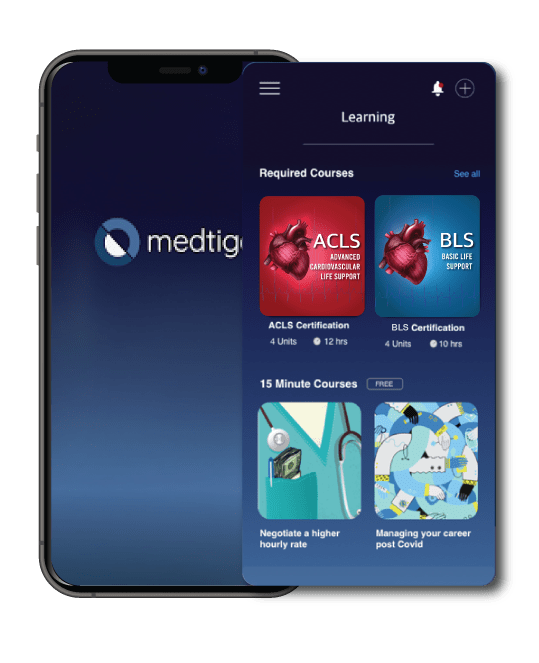
Both our subscription plans include Free CME/CPD AMA PRA Category 1 credits.

On course completion, you will receive a full-sized presentation quality digital certificate.
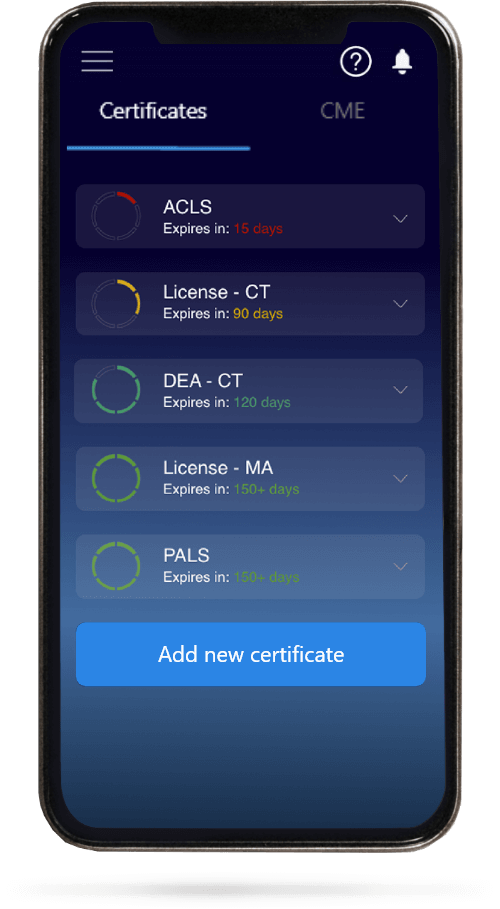
When you have your licenses, certificates and CMEs in one place, it's easier to track your career growth. You can easily share these with hospitals as well, using your medtigo app.