Abdominal Fat Linked More Strongly to Heart Failure Than BMI
March 19, 2026




Brand Name :
Tinosorb M
(United States) [Available] ,Tinosorb S
(United States) [Available]Synonyms :
bemotrizinol / bisoctrizole
Class :
Miscellaneous dermatological's




Brand Name :
Tinosorb M
(United States) [Available] ,Tinosorb S
(United States) [Available]Synonyms :
bemotrizinol / bisoctrizole
Class :
Miscellaneous dermatological's
Dosage forms and strengths
Gel
50 ml
Apply sunscreen topically approximately half an hour prior to engaging in outdoor activities
Not indicated
Refer adult dosing
Actions and Spectrum:
bemotrizinol
Action: bemotrizinol is a broad-spectrum UV filter that effectively protects against UVA and UVB radiation. It primarily works by absorbing UV radiation and converting it into harmless heat, thus preventing it from reaching deeper layers of the skin. bemotrizinol has excellent photostability, which means it remains effective even after prolonged sun exposure.
Spectrum: bemotrizinol has a broad absorption spectrum, spanning both UVA and UVB regions. It offers protection across various wavelengths, making it effective against short-wavelength (UVB) and long-wavelength (UVA) radiation.
bisoctrizole
Action: bisoctrizole is another effective organic UV filter that protects against UVA and UVB radiation. Like bemotrizinol, it absorbs UV radiation and dissipates it as heat, preventing skin damage. bisoctrizole is known for its strong photostability, which retains its protective properties even when sunlight exposes it.
Spectrum: bisoctrizole also offers a broad absorption spectrum covering UVA and UVB wavelengths. It provides comprehensive protection against a wide range of UV radiation.
Frequency not defined
Skin irritation
Black Box Warning:
None
Contraindication/Caution:
Allergy or Sensitivity: Individuals who are sensitive or allergic to bemotrizinol, bisoctrizole, or any other sunscreen ingredients should avoid products containing these compounds.
Skin Conditions: People with certain skin conditions such as eczema, dermatitis, or other skin sensitivities should consult a dermatologist before using bemotrizinol and bisoctrizole products.
Underlying Health Issues: Individuals with pre-existing medical conditions, especially those related to skin disorders, should seek medical advice before using sunscreens containing these compounds.
Children and Infants: Extra caution should be exercised when using sunscreen products containing bemotrizinol and bisoctrizole on children and infants. Consultation with a healthcare provider is advisable.
Pregnancy and Breastfeeding: Although there is limited evidence of harm, pregnant and breastfeeding individuals should consult their healthcare provider before using products with bemotrizinol and bisoctrizole to ensure safety.
Pregnancy warnings:
Pregnancy category: N/A
Lactation: Excreted into human milk is unknown
Pregnancy Categories:
Category A: Studies that were well-controlled and met expectations revealed no risk to the fetus in either the first or second trimester.
Category B: There were a lack of studies on pregnant women and no evidence of risk to the fetus in animal experiments.
Category C: there was evidence of risk of adverse effects in animal reproduction studies, and no adequate evidence in human studies must take care of potential risks in pregnant women.
Category D: adequate data with sufficient evidence of human fetal risk from various platforms, but despite the potential risk, and used only in emergency cases for potential benefits.
Category X: Drugs listed in this category outweigh the risks over benefits. Hence these categories of drugs need to be avoided by pregnant women.
Category N: There is no data available for the drug under this category
Pharmacology:
bemotrizinol, also known by its systematic name bisoctrizole, is an organic compound belonging to the class of dibenzoylmethanes. It is commonly utilized as a broad-spectrum ultraviolet (UV) filter in various sunscreens and cosmetic formulations.
Pharmacodynamics:
Broad-Spectrum Protection: The combination of bemotrizinol and bisoctrizole provides balanced protection against both UVB and UVA rays, ensuring a comprehensive shield against various wavelengths of UV radiation.
Enhanced UV Absorption: The compounds absorb UV energy across a broader spectrum of wavelengths, reducing the amount of UV radiation penetrating the skin.
Pharmacokinetics:
Absorption
Both bemotrizinol and bisoctrizole are intended for topical application and are primarily absorbed through the skin.
They are designed to absorb and dissipate UV radiation to prevent damage to the skin.
Distribution
Once absorbed, bemotrizinol and bisoctrizole may distribute throughout the outermost layer of the skin, offering broad-spectrum UV protection.
They are expected to remain predominantly within the epidermal layers of the skin, reducing the potential for systemic distribution.
Metabolism
bemotrizinol and bisoctrizole are not known to undergo significant metabolism within the body after topical application.
They are generally stable compounds designed to withstand UV radiation and provide prolonged protection.
Excretion and Elimination
Because of their minimal systemic absorption, the elimination of bemotrizinol and bisoctrizole mostly occurs via the natural process of shedding the outermost skin layer. (stratum corneum).
Any minimal amounts that might enter the bloodstream must be eliminated through normal bodily excretion.
Administration:
bemotrizinol/bisoctrizole is predominantly available in topical formulations, such as lotions, creams, gels, and sprays. These dosage forms facilitate convenient application onto the skin, allowing for uniform coverage and absorption.
Patient information leaflet
Generic Name: bemotrizinol / bisoctrizole
Why do we use bemotrizinol / bisoctrizole?
Broad-Spectrum UV Protection: bemotrizinol and bisoctrizole are often used together in sunscreens to provide broad-spectrum protection against both UVA and UVB radiation. This helps prevent sunburn, skin aging, and the risk of skin cancer.
Enhanced Photostability: When combined, bemotrizinol and bisoctrizole can enhance the photostability of other UV filters in sunscreens. This means that the overall effectiveness of the sunscreen is prolonged, providing longer-lasting protection.
Water Resistance: The combination of bemotrizinol and bisoctrizole can contribute to the water resistance of sunscreen formulations. This is particularly beneficial for individuals engaging in water activities or sweating, as the sunscreen will maintain its protective properties even when exposed to water.
Cosmetic Elegance: bemotrizinol and bisoctrizole can help improve the texture and feel of sunscreens, making them more cosmetically elegant. They can reduce the greasiness and stickiness often associated with sunscreens, making them more pleasant to apply and wear.
Photoaging Prevention: bemotrizinol and bisoctrizole, due to their ability to block UVA rays, help prevent skin photoaging, including wrinkles, fine lines, and age spots caused by prolonged sun exposure.

Both our subscription plans include Free CME/CPD AMA PRA Category 1 credits.

On course completion, you will receive a full-sized presentation quality digital certificate.
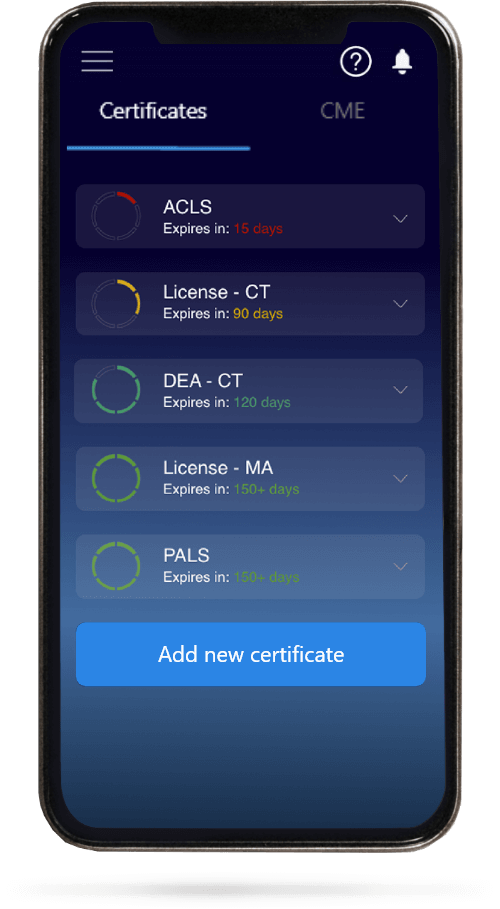
When you have your licenses, certificates and CMEs in one place, it's easier to track your career growth. You can easily share these with hospitals as well, using your medtigo app.