Indicated for menstrual pain boron Intake that is Safe No RDA has been established for the nutrient, which is a natural product 1 to 20 mg/day; maximum safe dose ~20 mg/day
Dosage forms & strengthsÂ
Tablets/capsules/liquid solutionÂ
3 mgÂ
6 mgÂ
11 mgÂ
17 mgÂ
maximum safe dose ~20 mg/dayÂ
Refer to the adult dosing regimenÂ
Frequency not definedÂ
DermatitisÂ
Epigastric painÂ
Renal impairmentÂ
Green/Blue discoloration of fecesÂ
DiarrheaÂ
NauseaÂ
VomitingÂ
Black Box Warning:Â
boron is not associated with any black box warnings.Â
Contraindication/Caution:Â
Contraindication:Â
boron does not have any specific contraindications. Â
Caution:Â
While boron is generally considered safe when consumed in appropriate amounts through dietary sources, supplementation with high doses of boron may require caution. Â
Kidney and liver conditions: Individuals with impaired kidney or liver function should exercise caution when taking boron supplements, as high doses may exacerbate these conditions.Â
Hormonal conditions: boron may affect hormone levels in the body, particularly estrogen and testosterone. Â
Pregnancy and breastfeeding: The safety of boron supplementation during pregnancy and breastfeeding is not known.Â
Allergies or sensitivities: Some individuals are allergic or sensitive to boron or boron-containing compounds.
Comorbidities:Â
There is limited information available regarding specific comorbidities related to boron. However, individuals with certain health conditions may need to exercise caution when using boron supplements. These conditions may include:Â
Kidney or liver disease: boron is primarily excreted through the kidneys, and individuals with impaired kidney or liver function may have difficulty eliminating boron from the body.Â
Hormonal conditions: boron can influence hormone levels, particularly estrogen and testosterone. Individuals with hormone-related conditions, such as breast cancer, prostate cancer, or hormone-sensitive conditions.Â
Pregnancy consideration: N/AÂ
Lactation: N/AÂ Â
Pregnancy category:Â
Category A: Satisfactory and well-controlled studies show no risk to the fetus in the first or later trimester.Â
Category B: There is no evidence of risk to the fetus found in animal reproduction studies and there are not enough studies on pregnant women.Â
Category C: Adverse effects on the fetus found with evidence in animal reproduction studies and no adequate evidence for an effect in humans, care must be taken for potential risks in pregnant women.Â
Category D: There is adequate data available with sufficient evidence of human fetal risk from various platforms, but despite potential risks may be used only in emergency cases for potential benefits.Â
Category X: Drugs listed in this category outweigh risks over benefits These category drugs should be prohibited for pregnant women.Â
Category N: There is no data available for the drug under this category.Â
Pharmacology:Â
Enzyme modulation: boron has been shown to influence the activity of certain enzymes involved in processes such as carbohydrate metabolism, protein synthesis, and bone formation.Â
Hormone regulation: boron may play a role in regulating the levels and activity of certain hormones, including estrogen, testosterone, and vitamin D. It is thought to enhance estrogen and testosterone synthesis and activity, potentially affecting hormonal balance.Â
Bone health: boron is involved in the metabolism of minerals like calcium, magnesium, and phosphorus, which are essential for bone health. It may support the formation and maintenance of healthy bones.Â
Anti-inflammatory effects: boron has been reported to exhibit anti-inflammatory properties, potentially reducing inflammation and associated symptoms in certain conditions.Â
Antioxidant activity: boron may have antioxidant effects, helping to neutralize free radicals in body and protect against oxidative stress.
Pharmacodynamics:Â
Enzyme activity modulation: boron is thought to influence the activity of certain enzymes involved in various metabolic processes. It may interact with enzymes by binding to active sites or modulating their conformation, thereby affecting their catalytic activity.Â
Hormone regulation: boron has been shown to influence the levels and activity of certain hormones, including estrogen, testosterone, and vitamin D. It may enhance the synthesis and activity of these hormones, potentially affecting hormone balance and related physiological processes.Â
Mineral metabolism: boron is involved in the metabolism of minerals. It may facilitate their absorption, utilization, and metabolism in the body, particularly in relation to bone health and mineralized tissues.Â
Anti-inflammatory effects: boron has been reported to exhibit anti-inflammatory properties. It may help reduce inflammation by modulating inflammatory mediators and signalling pathways, potentially contributing to its therapeutic effects in certain inflammatory conditions.Â
Antioxidant activity: boron has been suggested to possess antioxidant properties, which means it can help neutralize harmful free radicals and reduce oxidative stress. By scavenging free radicals, boron may protect cells and tissues from damage caused by oxidative processes.
Pharmacokinetics:Â
AbsorptionÂ
boron is primarily absorbed in the gastrointestinal tract. The absorption process may vary depending on factors such as the chemical form of boron, dietary factors, and individual variation. boron can be absorbed through both passive diffusion and active transport mechanisms.Â
DistributionÂ
Once absorbed, boron is distributed throughout the body. It has a wide distribution, with studies showing its presence in various tissues and body fluids, including bones, blood, liver, and kidneys. boron is not known to accumulate significantly in any specific organ or tissue.Â
MetabolismÂ
boron undergoes minimal metabolism in the body. It is excreted unchanged in urine, indicating that it is not extensively metabolized. However, some studies suggest that boron may undergo limited metabolism involving conjugation with certain compounds.Â
Elimination and excretionÂ
boron is primarily excreted through the kidneys via urine. The exact mechanisms of boron excretion are not fully known, but it is believed to involve glomerular filtration followed by tubular reabsorption and subsequent elimination in the urine.Â
Administration:Â
boron is naturally present in many foods, and dietary intake is the primary way to obtain boron. It is available as dietary supplement in various forms, including boron tablets, capsules, and liquid solutions. The administration of boron depends on the intended use and formulation. Here are some common administration methods:Â
Dietary Intake: boron is naturally present in foods such as fruits, vegetables, legumes, nuts, and grains. Including boron-rich foods in your diet can help maintain adequate boron levels. Â
boron Supplements: Boron supplements are available in various forms and strengths. They can be taken orally as tablets, capsules, or liquid solutions.Â
Patient information leafletÂ
Generic Name: boronÂ
Pronounced: (BOH-ron)Â Â
Why do we use boron?Â
Dietary Supplement: boron is used as a dietary supplement to support overall health and well-being.Â
Bone Health: boron is thought to contribute to bone health by promoting the metabolism of calcium, magnesium, and vitamin D, which are essential nutrients for bone formation and maintenance.Â
Arthritis Support: boron helps in reducing joint pain and stiffness associated with arthritis, including osteoarthritis and rheumatoid arthritis.Â
Hormonal Balance: boron may play a role in supporting hormonal balance, particularly in relation to estrogen metabolism. Â
Brain Function: It may support brain health and help maintain cognitive abilities as we age.Â
Plant Nutrition: boron is an essential micronutrient for plant growth and development. It is used as a fertilizer in agricultural practices to improve crop yield and quality.Â
Indicated for menstrual pain boron Intake that is Safe No RDA has been established for the nutrient, which is a natural product 1 to 20 mg/day; maximum safe dose ~20 mg/day
Dosage forms & strengthsÂ
Tablets/capsules/liquid solutionÂ
3 mgÂ
6 mgÂ
11 mgÂ
17 mgÂ
maximum safe dose ~20 mg/dayÂ
Refer to the adult dosing regimenÂ
DRUG INTERACTION
boron
&
boron +
No Drug Intearction Found. for boron and .
Actions and spectrum:Â
Actions:Â
Essential nutrient: boron plays a crucial role in several physiological processes in plants, animals, and humans.Â
Bone health: boron is involved in bone metabolism and the maintenance of healthy bones.Â
Hormonal regulation: boron influences the metabolism and function of certain hormones, including estrogen, testosterone, and vitamin D.Â
Anti-inflammatory properties: boron exhibits anti-inflammatory effects and may help reduce inflammation in certain conditions.Â
Antimicrobial activity: boron has antimicrobial properties and may have a role in controlling microbial growth.Â
Spectrum:Â
Dietary supplement: boron supplements are available to support overall health and well-being.Â
Bone health: boron supplements may be used to support bone health, especially in conditions like osteoporosis.Â
Hormonal balance: boron supplementation may help maintain healthy hormone levels, particularly in individuals with hormonal imbalances.Â
Anti-inflammatory support: boron may be used as a natural remedy for managing inflammatory conditions.Â
Skin health: boron-containing creams or lotions may be used topically for various skin conditions.Â
Frequency not definedÂ
DermatitisÂ
Epigastric painÂ
Renal impairmentÂ
Green/Blue discoloration of fecesÂ
DiarrheaÂ
NauseaÂ
VomitingÂ
Black Box Warning:Â
boron is not associated with any black box warnings.Â
Contraindication/Caution:Â
Contraindication:Â
boron does not have any specific contraindications. Â
Caution:Â
While boron is generally considered safe when consumed in appropriate amounts through dietary sources, supplementation with high doses of boron may require caution. Â
Kidney and liver conditions: Individuals with impaired kidney or liver function should exercise caution when taking boron supplements, as high doses may exacerbate these conditions.Â
Hormonal conditions: boron may affect hormone levels in the body, particularly estrogen and testosterone. Â
Pregnancy and breastfeeding: The safety of boron supplementation during pregnancy and breastfeeding is not known.Â
Allergies or sensitivities: Some individuals are allergic or sensitive to boron or boron-containing compounds.
Comorbidities:Â
There is limited information available regarding specific comorbidities related to boron. However, individuals with certain health conditions may need to exercise caution when using boron supplements. These conditions may include:Â
Kidney or liver disease: boron is primarily excreted through the kidneys, and individuals with impaired kidney or liver function may have difficulty eliminating boron from the body.Â
Hormonal conditions: boron can influence hormone levels, particularly estrogen and testosterone. Individuals with hormone-related conditions, such as breast cancer, prostate cancer, or hormone-sensitive conditions.Â
Pregnancy consideration: N/AÂ
Lactation: N/AÂ Â
Pregnancy category:Â
Category A: Satisfactory and well-controlled studies show no risk to the fetus in the first or later trimester.Â
Category B: There is no evidence of risk to the fetus found in animal reproduction studies and there are not enough studies on pregnant women.Â
Category C: Adverse effects on the fetus found with evidence in animal reproduction studies and no adequate evidence for an effect in humans, care must be taken for potential risks in pregnant women.Â
Category D: There is adequate data available with sufficient evidence of human fetal risk from various platforms, but despite potential risks may be used only in emergency cases for potential benefits.Â
Category X: Drugs listed in this category outweigh risks over benefits These category drugs should be prohibited for pregnant women.Â
Category N: There is no data available for the drug under this category.Â
Pharmacology:Â
Enzyme modulation: boron has been shown to influence the activity of certain enzymes involved in processes such as carbohydrate metabolism, protein synthesis, and bone formation.Â
Hormone regulation: boron may play a role in regulating the levels and activity of certain hormones, including estrogen, testosterone, and vitamin D. It is thought to enhance estrogen and testosterone synthesis and activity, potentially affecting hormonal balance.Â
Bone health: boron is involved in the metabolism of minerals like calcium, magnesium, and phosphorus, which are essential for bone health. It may support the formation and maintenance of healthy bones.Â
Anti-inflammatory effects: boron has been reported to exhibit anti-inflammatory properties, potentially reducing inflammation and associated symptoms in certain conditions.Â
Antioxidant activity: boron may have antioxidant effects, helping to neutralize free radicals in body and protect against oxidative stress.
Pharmacodynamics:Â
Enzyme activity modulation: boron is thought to influence the activity of certain enzymes involved in various metabolic processes. It may interact with enzymes by binding to active sites or modulating their conformation, thereby affecting their catalytic activity.Â
Hormone regulation: boron has been shown to influence the levels and activity of certain hormones, including estrogen, testosterone, and vitamin D. It may enhance the synthesis and activity of these hormones, potentially affecting hormone balance and related physiological processes.Â
Mineral metabolism: boron is involved in the metabolism of minerals. It may facilitate their absorption, utilization, and metabolism in the body, particularly in relation to bone health and mineralized tissues.Â
Anti-inflammatory effects: boron has been reported to exhibit anti-inflammatory properties. It may help reduce inflammation by modulating inflammatory mediators and signalling pathways, potentially contributing to its therapeutic effects in certain inflammatory conditions.Â
Antioxidant activity: boron has been suggested to possess antioxidant properties, which means it can help neutralize harmful free radicals and reduce oxidative stress. By scavenging free radicals, boron may protect cells and tissues from damage caused by oxidative processes.
Pharmacokinetics:Â
AbsorptionÂ
boron is primarily absorbed in the gastrointestinal tract. The absorption process may vary depending on factors such as the chemical form of boron, dietary factors, and individual variation. boron can be absorbed through both passive diffusion and active transport mechanisms.Â
DistributionÂ
Once absorbed, boron is distributed throughout the body. It has a wide distribution, with studies showing its presence in various tissues and body fluids, including bones, blood, liver, and kidneys. boron is not known to accumulate significantly in any specific organ or tissue.Â
MetabolismÂ
boron undergoes minimal metabolism in the body. It is excreted unchanged in urine, indicating that it is not extensively metabolized. However, some studies suggest that boron may undergo limited metabolism involving conjugation with certain compounds.Â
Elimination and excretionÂ
boron is primarily excreted through the kidneys via urine. The exact mechanisms of boron excretion are not fully known, but it is believed to involve glomerular filtration followed by tubular reabsorption and subsequent elimination in the urine.Â
Administration:Â
boron is naturally present in many foods, and dietary intake is the primary way to obtain boron. It is available as dietary supplement in various forms, including boron tablets, capsules, and liquid solutions. The administration of boron depends on the intended use and formulation. Here are some common administration methods:Â
Dietary Intake: boron is naturally present in foods such as fruits, vegetables, legumes, nuts, and grains. Including boron-rich foods in your diet can help maintain adequate boron levels. Â
boron Supplements: Boron supplements are available in various forms and strengths. They can be taken orally as tablets, capsules, or liquid solutions.Â
Patient information leafletÂ
Generic Name: boronÂ
Pronounced: (BOH-ron)Â Â
Why do we use boron?Â
Dietary Supplement: boron is used as a dietary supplement to support overall health and well-being.Â
Bone Health: boron is thought to contribute to bone health by promoting the metabolism of calcium, magnesium, and vitamin D, which are essential nutrients for bone formation and maintenance.Â
Arthritis Support: boron helps in reducing joint pain and stiffness associated with arthritis, including osteoarthritis and rheumatoid arthritis.Â
Hormonal Balance: boron may play a role in supporting hormonal balance, particularly in relation to estrogen metabolism. Â
Brain Function: It may support brain health and help maintain cognitive abilities as we age.Â
Plant Nutrition: boron is an essential micronutrient for plant growth and development. It is used as a fertilizer in agricultural practices to improve crop yield and quality.Â
Essential nutrient: boron plays a crucial role in several physiological processes in plants, animals, and humans.Â
Bone health: boron is involved in bone metabolism and the maintenance of healthy bones.Â
Hormonal regulation: boron influences the metabolism and function of certain hormones, including estrogen, testosterone, and vitamin D.Â
Anti-inflammatory properties: boron exhibits anti-inflammatory effects and may help reduce inflammation in certain conditions.Â
Antimicrobial activity: boron has antimicrobial properties and may have a role in controlling microbial growth.Â
Spectrum:Â
Dietary supplement: boron supplements are available to support overall health and well-being.Â
Bone health: boron supplements may be used to support bone health, especially in conditions like osteoporosis.Â
Hormonal balance: boron supplementation may help maintain healthy hormone levels, particularly in individuals with hormonal imbalances.Â
Anti-inflammatory support: boron may be used as a natural remedy for managing inflammatory conditions.Â
Skin health: boron-containing creams or lotions may be used topically for various skin conditions.Â
Dosing & Uses
Drug Interaction
Adverse Reaction
Frequency not definedÂ
DermatitisÂ
Epigastric painÂ
Renal impairmentÂ
Green/Blue discoloration of fecesÂ
DiarrheaÂ
NauseaÂ
VomitingÂ
Black Box Warning
Black Box Warning:Â
boron is not associated with any black box warnings.Â
Contraindication / Caution
Contraindication/Caution:Â
Contraindication:Â
boron does not have any specific contraindications. Â
Caution:Â
While boron is generally considered safe when consumed in appropriate amounts through dietary sources, supplementation with high doses of boron may require caution. Â
Kidney and liver conditions: Individuals with impaired kidney or liver function should exercise caution when taking boron supplements, as high doses may exacerbate these conditions.Â
Hormonal conditions: boron may affect hormone levels in the body, particularly estrogen and testosterone. Â
Pregnancy and breastfeeding: The safety of boron supplementation during pregnancy and breastfeeding is not known.Â
Allergies or sensitivities: Some individuals are allergic or sensitive to boron or boron-containing compounds.
Comorbidities:Â
There is limited information available regarding specific comorbidities related to boron. However, individuals with certain health conditions may need to exercise caution when using boron supplements. These conditions may include:Â
Kidney or liver disease: boron is primarily excreted through the kidneys, and individuals with impaired kidney or liver function may have difficulty eliminating boron from the body.Â
Hormonal conditions: boron can influence hormone levels, particularly estrogen and testosterone. Individuals with hormone-related conditions, such as breast cancer, prostate cancer, or hormone-sensitive conditions.Â
Pregnancy / Lactation
Pregnancy consideration: N/AÂ
Lactation: N/AÂ Â
Pregnancy category:Â
Category A: Satisfactory and well-controlled studies show no risk to the fetus in the first or later trimester.Â
Category B: There is no evidence of risk to the fetus found in animal reproduction studies and there are not enough studies on pregnant women.Â
Category C: Adverse effects on the fetus found with evidence in animal reproduction studies and no adequate evidence for an effect in humans, care must be taken for potential risks in pregnant women.Â
Category D: There is adequate data available with sufficient evidence of human fetal risk from various platforms, but despite potential risks may be used only in emergency cases for potential benefits.Â
Category X: Drugs listed in this category outweigh risks over benefits These category drugs should be prohibited for pregnant women.Â
Category N: There is no data available for the drug under this category.Â
Pharmacology
Pharmacology:Â
Enzyme modulation: boron has been shown to influence the activity of certain enzymes involved in processes such as carbohydrate metabolism, protein synthesis, and bone formation.Â
Hormone regulation: boron may play a role in regulating the levels and activity of certain hormones, including estrogen, testosterone, and vitamin D. It is thought to enhance estrogen and testosterone synthesis and activity, potentially affecting hormonal balance.Â
Bone health: boron is involved in the metabolism of minerals like calcium, magnesium, and phosphorus, which are essential for bone health. It may support the formation and maintenance of healthy bones.Â
Anti-inflammatory effects: boron has been reported to exhibit anti-inflammatory properties, potentially reducing inflammation and associated symptoms in certain conditions.Â
Antioxidant activity: boron may have antioxidant effects, helping to neutralize free radicals in body and protect against oxidative stress.
Pharmacodynamics:Â
Enzyme activity modulation: boron is thought to influence the activity of certain enzymes involved in various metabolic processes. It may interact with enzymes by binding to active sites or modulating their conformation, thereby affecting their catalytic activity.Â
Hormone regulation: boron has been shown to influence the levels and activity of certain hormones, including estrogen, testosterone, and vitamin D. It may enhance the synthesis and activity of these hormones, potentially affecting hormone balance and related physiological processes.Â
Mineral metabolism: boron is involved in the metabolism of minerals. It may facilitate their absorption, utilization, and metabolism in the body, particularly in relation to bone health and mineralized tissues.Â
Anti-inflammatory effects: boron has been reported to exhibit anti-inflammatory properties. It may help reduce inflammation by modulating inflammatory mediators and signalling pathways, potentially contributing to its therapeutic effects in certain inflammatory conditions.Â
Antioxidant activity: boron has been suggested to possess antioxidant properties, which means it can help neutralize harmful free radicals and reduce oxidative stress. By scavenging free radicals, boron may protect cells and tissues from damage caused by oxidative processes.
Pharmacokinetics:Â
AbsorptionÂ
boron is primarily absorbed in the gastrointestinal tract. The absorption process may vary depending on factors such as the chemical form of boron, dietary factors, and individual variation. boron can be absorbed through both passive diffusion and active transport mechanisms.Â
DistributionÂ
Once absorbed, boron is distributed throughout the body. It has a wide distribution, with studies showing its presence in various tissues and body fluids, including bones, blood, liver, and kidneys. boron is not known to accumulate significantly in any specific organ or tissue.Â
MetabolismÂ
boron undergoes minimal metabolism in the body. It is excreted unchanged in urine, indicating that it is not extensively metabolized. However, some studies suggest that boron may undergo limited metabolism involving conjugation with certain compounds.Â
Elimination and excretionÂ
boron is primarily excreted through the kidneys via urine. The exact mechanisms of boron excretion are not fully known, but it is believed to involve glomerular filtration followed by tubular reabsorption and subsequent elimination in the urine.Â
Adminstartion
Administration:Â
boron is naturally present in many foods, and dietary intake is the primary way to obtain boron. It is available as dietary supplement in various forms, including boron tablets, capsules, and liquid solutions. The administration of boron depends on the intended use and formulation. Here are some common administration methods:Â
Dietary Intake: boron is naturally present in foods such as fruits, vegetables, legumes, nuts, and grains. Including boron-rich foods in your diet can help maintain adequate boron levels. Â
boron Supplements: Boron supplements are available in various forms and strengths. They can be taken orally as tablets, capsules, or liquid solutions.Â
Patient Information Leaflet
Patient information leafletÂ
Generic Name: boronÂ
Pronounced: (BOH-ron)Â Â
Why do we use boron?Â
Dietary Supplement: boron is used as a dietary supplement to support overall health and well-being.Â
Bone Health: boron is thought to contribute to bone health by promoting the metabolism of calcium, magnesium, and vitamin D, which are essential nutrients for bone formation and maintenance.Â
Arthritis Support: boron helps in reducing joint pain and stiffness associated with arthritis, including osteoarthritis and rheumatoid arthritis.Â
Hormonal Balance: boron may play a role in supporting hormonal balance, particularly in relation to estrogen metabolism. Â
Brain Function: It may support brain health and help maintain cognitive abilities as we age.Â
Plant Nutrition: boron is an essential micronutrient for plant growth and development. It is used as a fertilizer in agricultural practices to improve crop yield and quality.Â
Loading...
Free CME credits
Both our subscription plans include Free CME/CPD AMA PRA Category 1 credits.
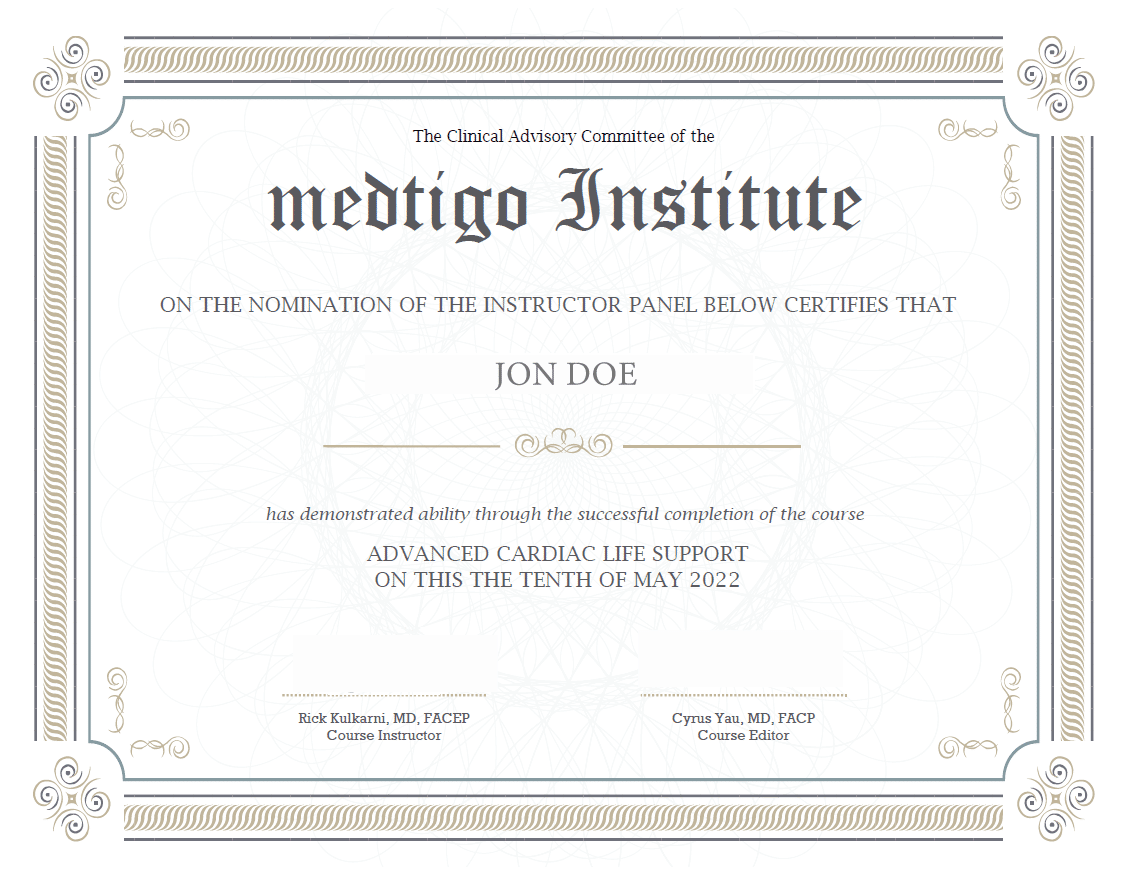
Digital Certificate PDF
On course completion, you will receive a full-sized presentation quality digital certificate.
medtigo Simulation
A dynamic medical simulation platform designed to train healthcare professionals and students to effectively run code situations through an immersive hands-on experience in a live, interactive 3D environment.
medtigo Points
medtigo points is our unique point redemption system created to award users for interacting on our site. These points can be redeemed for special discounts on the medtigo marketplace as well as towards the membership cost itself.
Community Forum post/reply = 5 points
*Redemption of points can occur only through the medtigo marketplace, courses, or simulation system. Money will not be credited to your bank account. 10 points = $1.
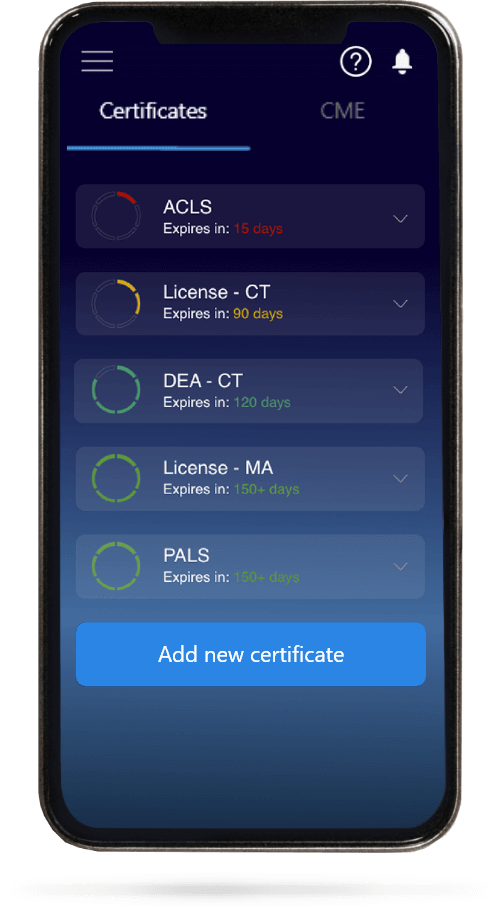
All Your Certificates in One Place
When you have your licenses, certificates and CMEs in one place, it's easier to track your career growth. You can easily share these with hospitals as well, using your medtigo app.