Hidden Risks of Exosome Injections in Pain Management
April 8, 2026




Brand Name :
Cetrotide
Synonyms :
cetrorelix
Class :
Gonadotropin Releasing Hormone Antagonists



Brand Name :
Cetrotide
Synonyms :
cetrorelix
Class :
Gonadotropin Releasing Hormone Antagonists
Dosage Forms & Strengths
injectable solution
3mg
0.25mg
Not recommended
Actions and spectrum:
cetrorelix is a medication that belongs to gonadotropin-releasing hormone (GnRH) antagonists. It acts by blocking the action of GnRH in the pituitary gland, which in turn inhibits the luteinizing hormone (LH) and follicle-stimulating hormone (FSH) release. This results in the suppression of the hormonal signals that regulate the production of estrogen and progesterone in the body.
The spectrum of action of cetrorelix is primarily focused on its use in assisted reproductive technology (ART) procedures, specifically in controlled ovarian stimulation. It is used in women to prevent premature ovulation undergoing in vitro fertilization (IVF) or other assisted reproduction techniques. By inhibiting the surge of LH that triggers ovulation, cetrorelix helps to ensure that the timing of egg retrieval is controlled and optimized for the success of the reproductive procedure.
Frequency defined
<1%
Itching
Swelling
Hypotension
Cough
Injection site erythema
Pruritus
Redness
Rash
1-10%
Nausea (1%)
Headache (1%)
Ovarian hyperstimulation syndrome (4%)
elevation of Hepatic enzyme (1-2%)
Black Box Warning:
There are no black box warnings specifically associated with cetrorelix
Contraindication/Caution:
Contraindication:
Caution:
Comorbidities:
Pregnancy consideration: US FDA pregnancy category: X
Lactation: Excreted into human milk: Unknown
Pregnancy category:
Pharmacology:
cetrorelix is a synthetic peptide analogue of gonadotropin-releasing hormone (GnRH) that acts as a competitive antagonist at the GnRH receptors in the pituitary gland. GnRH normally stimulates the release of luteinizing hormone (LH) and follicle-stimulating hormone (FSH) from the pituitary gland, which play important roles in the regulation of reproductive function.
By acting as a GnRH receptor antagonist, cetrorelix inhibits the LH and FSH release from the pituitary gland. This suppression of LH and FSH prevents premature ovulation in women undergoing controlled ovarian stimulation for assisted reproductive techniques like in vitro fertilization. By suppressing premature ovulation, it allows for the optimal timing of follicle maturation and retrieval during the IVF process.
Pharmacodynamics:
The pharmacodynamics of cetrorelix primarily involves its action as a competitive antagonist at the gonadotropin-releasing hormone (GnRH) receptors in the pituitary gland. By binding to these receptors, cetrorelix prevents the binding of endogenous GnRH, thereby inhibiting the luteinizing hormone (LH) and follicle-stimulating hormone (FSH) release.
The inhibition of LH and FSH release by cetrorelix has several important effects in the context of assisted reproductive technology (ART) procedures. It prevents premature ovulation, allowing for the precise timing of follicle maturation and retrieval during procedures such as in vitro fertilization (IVF). This ensures that the eggs are retrieved at the optimal stage of development for successful fertilization.
cetrorelix also helps to prevent the luteinizing hormone surge that can occur during controlled ovarian stimulation, which could lead to the release of multiple eggs and increase the risk of ovarian hyperstimulation syndrome (OHSS).
Pharmacokinetics:
Absorption
cetrorelix is administered subcutaneously, meaning it is injected into fatty tissue beneath the skin. The drug gets rapidly absorbed into the bloodstream after subcutaneous injection.
Distribution
cetrorelix is distributed throughout the body via the bloodstream. It has a relatively large volume of distribution, indicating that it distributes widely into the tissues.
Metabolism
cetrorelix is not extensively metabolized in the body. It is primarily eliminated unchanged via renal excretion. Metabolic pathways, if any, are likely to be minor.
Elimination and excretion
cetrorelix is primarily excreted in the urine. The drug has short elimination half-life of about 3 to 4 hours, meaning it is cleared from the body within a few hours after administration.
Administration:
Patient information leaflet
Generic Name: cetrorelix
Pronounced: (Seh-troh-REL-ix)
Why do we use cetrorelix?

Both our subscription plans include Free CME/CPD AMA PRA Category 1 credits.

On course completion, you will receive a full-sized presentation quality digital certificate.
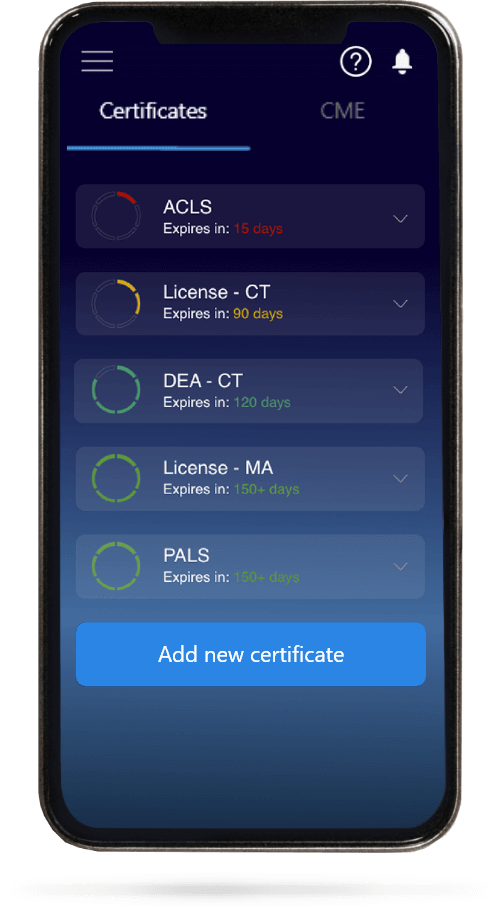
When you have your licenses, certificates and CMEs in one place, it's easier to track your career growth. You can easily share these with hospitals as well, using your medtigo app.