Inside U.S. Medical Regulation: A Complete Guide to the System
April 9, 2026




Brand Name :
Profilnine SD, Bebulin VH, Bebulin
Synonyms :
factor IX complex
Class :
Coagulation factors; Hemostatics




Brand Name :
Profilnine SD, Bebulin VH, Bebulin
Synonyms :
factor IX complex
Class :
Coagulation factors; Hemostatics
Dosage Forms & Strengths
Powder for reconstitution, lyophilized
Human plasma-derived
Each vial is labelled with the factor IX content in International Units (IU), which is standardized in terms of factor IX content.
Indicated for the prevention and management of hemorrhagic episodes:
Bleeding Management
Typical starting dosages are shown below; typically, two-thirds of the starting dose is taken for maintenance.
Minor: Single 25-35 IU/kg IV dosage given once; dose repeatable after 24 hours.
Moderate: 40-55 IU/kg/day IV for two days or until satisfactory wound healing occurs.
Major: 60–70 IU/kg/day IV for 2–3 days or until the wound heals properly
Surgical Procedure Management
Minor: 50-60 IU/kg IV on the day of surgery, then 25-55 IU/kg/day throughout the first postoperative phase (e.g., the first to the second week).
Major: 70-95 IU/kg IV on the day of surgery, then 35-70 IU/kg/day throughout the early postoperative period (i.e., first to second week), then 25-35 IU/kg/day late postoperative phase (i.e., third week and on).
Safety and efficacy not established
Refer adult dosing
Actions and Spectrum:
The factor IX complex works by replenishing the levels of clotting factors in people with deficiencies, thereby promoting the formation of blood clots and reducing the risk of bleeding. factor IX, one of the key components of the complex, is a clotting factor that plays a critical role in the coagulation cascade. When activated, factor IX cleaves factor X to generate activated factor X (factor Xa), which, in turn, activates prothrombin (factor II) to generate thrombin. Thrombin then converts fibrinogen to fibrin, which forms a stable clot.
The factor IX complex is primarily used to treat bleeding disorders caused by deficiencies in clotting factors. One of them is Haemophilia B (also known as Christmas disease), a rare genetic bleeding disorder that affects approximately 1 in 30,000 males. A factor IX deficiency in haemophilia B leads to excessive bleeding and inadequate wound healing. The factor IX complex can also be used to treat bleeding disorders caused by other clotting factor deficiencies, such as those caused by liver disease or vitamin K deficiency.
Frequency not defined
Formation of anti-factor IX antibodies in the circulation
Post-marketing reports
Headache
Thromboembolic events
Abdominal pain
Angioedema
Nephrotic syndrome
Infusion site reactions
Anaphylactic reactions
Contraindications/caution:
Contraindications:
Caution:
Pregnancy consideration: C
Lactation: Excretion of the drug in human breast milk is unknown
Pregnancy category:
Category A: well-controlled and Satisfactory studies show no risk to the fetus in the first or later trimester.
Category B: there was no evidence of risk to the fetus in animal studies, and there were not enough studies on pregnant women.
Category C: there was evidence of risk of adverse effects in animal reproduction studies, and no adequate evidence in human studies must take care of potential risks in pregnant women.
Category D: adequate data available with sufficient evidence of human fetal risk from various platforms, but despite the potential risk, and used only in emergency cases for potential benefits.
Category X: Drugs listed in this category outweigh the risks over benefits. Hence these categories of drugs need to be avoided by pregnant women.
Category N: There is no data available for the drug under this category
Pharmacology:
Pharmacodynamics:
The pharmacodynamics of the factor IX complex involves the replacement of deficient clotting factors in the coagulation cascade, allowing for proper clot formation and stopping bleeding in patients with bleeding disorders such as hemophilia B. The medication can also affect the coagulation system beyond clot formation, including an increased risk of thromboembolic events and potential adverse effects in patients with heart failure or other cardiac conditions.
Pharmacokinetics:
Absorption
factor IX complex is administered intravenously, meaning it is directly introduced into the bloodstream and immediately available for use.
Distribution
The clotting factors in factor IX complex are distributed throughout the body in the bloodstream, allowing for clot formation and stopping bleeding at the injury site.
Metabolism
The clotting factors in factor IX complex are metabolized in the liver, where they are broken down into smaller molecules and cleared from the body.
Elimination and Excretion
The metabolites of the factor IX complex are excreted in the urine and feces, with most of the medication being cleared from the body within 24-48 hours.
Administration:
Patient information leaflet
Generic Name: factor IX complex
Why do we use factor IX complex?

Both our subscription plans include Free CME/CPD AMA PRA Category 1 credits.

On course completion, you will receive a full-sized presentation quality digital certificate.
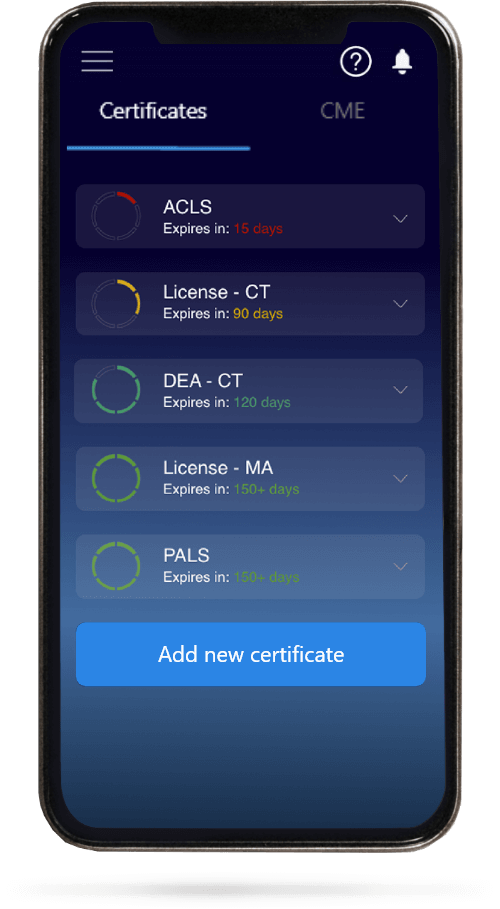
When you have your licenses, certificates and CMEs in one place, it's easier to track your career growth. You can easily share these with hospitals as well, using your medtigo app.