Action: faropenem medoxomil is bactericidal, which kills bacteria. It achieves this by interfering with various bacterial processes necessary for their survival.
Spectrum: faropenem medoxomil has a broad spectrum of activity against a range of bacterial pathogens. It is effective against the Gram-positive and Gram-negative bacteria.
DRUG INTERACTION
faropenem medoxomil
&
faropenem medoxomil +
No drug interaction found for faropenem medoxomil and .
There were no specific black box warnings associated with faropenem medoxomil.
Contraindication/Caution:
Contraindication:
Known Allergy or Hypersensitivity: faropenem medoxomil should not be used in individuals with a known allergy or hypersensitivity to faropenem or any other component of the medication.
Severe Liver Impairment: faropenem medoxomil is primarily metabolized by the liver. In cases of severe liver impairment, the medication may not be effectively processed and could accumulate in the body. It should be used with caution or avoided in individuals with severe liver disease.
History of Severe Gastrointestinal Disease: Individuals with a history of severe gastrointestinal disease or inflammatory bowel disease (e.g., Crohn’s disease, ulcerative colitis) may be at increased risk of experiencing complications while taking antibiotics. The use of faropenem medoxomil should be carefully considered in such cases.
Caution:
Drug Interactions: faropenem medoxomil may interact with other medications, potentially affecting their effectiveness or safety. Healthcare providers should be informed of all medications, including over-the-counter drugs, herbal supplements, and vitamins, that the patient is taking to assess potential interactions.
Renal Impairment: renal impairment patients may require dose adjustments when using faropenem medoxomil. The medication is primarily excreted through the kidneys, and individuals with impaired kidney function may experience prolonged drug exposure. Dosage modifications should be made as necessary to avoid excessive accumulation.
Pregnancy and Lactation: The safety of faropenem medoxomil during pregnancy and lactation should be discussed with a healthcare provider. It should be used during pregnancy only if the potential benefits outweigh the potential risks.
Comorbidities:
Liver Disease: Patients with liver disease, particularly severe liver impairment, may metabolize medications differently. faropenem medoxomil is primarily metabolized by the liver, and severe liver disease can affect its metabolism and clearance.
Seizure Disorders: faropenem medoxomil may lower the seizure threshold in some individuals. Patients with a history of seizure disorders or those at risk of seizures should use the medication with caution.
Clostridium difficile Infection: Patients with a history of CDI or risk factors for CDI should be closely monitored during antibiotic treatment. Antibiotics can disrupt the normal balance of intestinal bacteria, increasing the risk of CDI.
Immunocompromised States: Patients with weakened immune systems, such as those with HIV/AIDS or undergoing immunosuppressive therapy, may be more susceptible to infections. The choice of antibiotic and treatment duration should be carefully considered in these individuals.
Pregnancy consideration: pregnancy category: not assigned
Lactation: excreted into human milk: unknown
Pregnancy category:
Category A: well-controlled and Satisfactory studies show no risk to the fetus in the first or later trimester.
<b>Category B: there was no evidence of risk to the fetus in animal studies, and there were not enough studies on pregnant women.
Category C: there was evidence of risk of adverse effects in animal reproduction studies, and no adequate evidence in human studies must take care of potential risks in pregnant women.
Category D: adequate data with sufficient evidence of human fetal risk from various platforms, but despite the potential risk, and used only in emergency cases for potential benefits.
Category X: Drugs listed in this category outweigh the risks over benefits. Hence these categories of drugs need to be avoided by pregnant women.
Category N: There is no data available for the drug under this category.
Pharmacology:
faropenem medoxomil is an antibiotic medication with a pharmacology that allows it to combat bacterial infections. When ingested, faropenem medoxomil is converted into its active form, faropenem, in the body. faropenem exerts its antibacterial effects by interfering with the synthesis of bacterial cell walls, weakening their structural integrity.
This leads to the death of susceptible bacteria. faropenem medoxomil is effective against a broad spectrum of both Gram-positive and Gram-negative bacteria, making it a versatile treatment option for various bacterial infections. It is administered orally and can be prescribed to treat respiratory, urinary tract, skin, and other infections caused by susceptible bacteria.
Pharmacodynamics:
Bactericidal Action: faropenem medoxomil is classified as a bactericidal antibiotic, meaning it can directly kill bacterial cells. It achieves this by interfering with crucial bacterial processes that are necessary for their survival.
Inhibition of Cell Wall Synthesis: faropenem medoxomil targets the cell walls of bacteria. Bacterial cell walls are essential for maintaining structural integrity, shape, and protection. faropenem disrupts the formation of these cell walls by inhibiting enzymes involved in their synthesis, leading to weakened and structurally unstable bacterial cells.
Broad-Spectrum Activity: faropenem medoxomil exhibits a broad spectrum of antibacterial activity, making it effective against a wide range of bacterial pathogens.
Gram-Positive Bacteria: faropenem medoxomil is active against Gram-positive bacteria, such as Streptococcus pneumoniae, Staphylococcus aureus (including some methicillin-resistant strains), and Enterococcus faecalis.
Gram-Negative Bacteria: It is also effective against Gram-negative bacteria like Haemophilus influenzae and Neisseria gonorrhoeae, among others.
Pharmacokinetics:
Absorption
faropenem medoxomil is administered orally in the form of a prodrug, which means it is converted into its active form (faropenem) in the body. The medoxomil moiety helps improve the drug’s oral absorption. faropenem is then absorbed through the intestinal mucosa and enters the bloodstream.
Distribution
Once in the bloodstream, faropenem is distributed throughout the body. It can penetrate various tissues and body fluids, allowing it to reach sites of infection. The distribution of faropenem to different tissues and body compartments depends on factors such as blood flow, tissue permeability, and protein binding.
Metabolism
faropenem undergoes minimal metabolism in the body. It is eliminated unchanged in the urine. The metabolism of faropenem is not mediated by the liver’s cytochrome P450 enzymes, which means it is less likely to interact with medications that are substrates or inhibitors of these enzymes.
Elimination and excretion
The primary route of excretion for faropenem is renal (via the kidneys). It is eliminated in the urine as unchanged faropenem. The elimination half-life of faropenem can vary but is in the range of several hours.
Administration:
Dosage Form: faropenem medoxomil is available in tablet form, and it is taken by mouth. The dosing schedule for faropenem medoxomil is determined by the prescribing healthcare provider based on the type and severity of the infection being treated.
Take with or without Food: faropenem medoxomil can be taken with or without food. Food does not significantly affect its absorption, so it can be administered at any time, depending on patient preference.
Timing: It is important to take faropenem medoxomil at evenly spaced intervals as directed by the healthcare provider. This helps maintain consistent levels of the medication in the body.
Duration of Treatment: It is determined by the healthcare provider and depends on the type and location of the infection. It is important to complete the full course of treatment as prescribed, even if symptoms improve before the medication is finished.
Patient information leaflet
Generic Name: faropenem medoxomil
Pronounced: (fair-oh-PEH-nem meh-DOX-oh-mil)
Why do we use faropenem medoxomil ?
faropenem medoxomil may be prescribed to treat respiratory tract infections, including Community-acquired pneumonia (CAP), Acute exacerbations of chronic bronchitis, Sinusitis, Pharyngitis, and tonsillitis. It also treats uncomplicated and complicated UTIs, including cystitis and pyelonephritis.
faropenem medoxomil can be used for the management of certain intra-abdominal infections. It may be employed to treat certain bacterial gastrointestinal infections, although the choice of antibiotic depends on the specific pathogen.

No Drug Intearction Found. for faropenem medoxomil and .
Actions and spectrum:
Action: faropenem medoxomil is bactericidal, which kills bacteria. It achieves this by interfering with various bacterial processes necessary for their survival.
Spectrum: faropenem medoxomil has a broad spectrum of activity against a range of bacterial pathogens. It is effective against the Gram-positive and Gram-negative bacteria.
Frequency not defined
Nausea
Seizures
Headache
Diarrhoea
Vomiting
Liver disorder
Hives
Abdominal pain
Black Box Warning:
There were no specific black box warnings associated with faropenem medoxomil.
Contraindication/Caution:
Contraindication:
Known Allergy or Hypersensitivity: faropenem medoxomil should not be used in individuals with a known allergy or hypersensitivity to faropenem or any other component of the medication.
Severe Liver Impairment: faropenem medoxomil is primarily metabolized by the liver. In cases of severe liver impairment, the medication may not be effectively processed and could accumulate in the body. It should be used with caution or avoided in individuals with severe liver disease.
History of Severe Gastrointestinal Disease: Individuals with a history of severe gastrointestinal disease or inflammatory bowel disease (e.g., Crohn’s disease, ulcerative colitis) may be at increased risk of experiencing complications while taking antibiotics. The use of faropenem medoxomil should be carefully considered in such cases.
Caution:
Drug Interactions: faropenem medoxomil may interact with other medications, potentially affecting their effectiveness or safety. Healthcare providers should be informed of all medications, including over-the-counter drugs, herbal supplements, and vitamins, that the patient is taking to assess potential interactions.
Renal Impairment: renal impairment patients may require dose adjustments when using faropenem medoxomil. The medication is primarily excreted through the kidneys, and individuals with impaired kidney function may experience prolonged drug exposure. Dosage modifications should be made as necessary to avoid excessive accumulation.
Pregnancy and Lactation: The safety of faropenem medoxomil during pregnancy and lactation should be discussed with a healthcare provider. It should be used during pregnancy only if the potential benefits outweigh the potential risks.
Comorbidities:
Liver Disease: Patients with liver disease, particularly severe liver impairment, may metabolize medications differently. faropenem medoxomil is primarily metabolized by the liver, and severe liver disease can affect its metabolism and clearance.
Seizure Disorders: faropenem medoxomil may lower the seizure threshold in some individuals. Patients with a history of seizure disorders or those at risk of seizures should use the medication with caution.
Clostridium difficile Infection: Patients with a history of CDI or risk factors for CDI should be closely monitored during antibiotic treatment. Antibiotics can disrupt the normal balance of intestinal bacteria, increasing the risk of CDI.
Immunocompromised States: Patients with weakened immune systems, such as those with HIV/AIDS or undergoing immunosuppressive therapy, may be more susceptible to infections. The choice of antibiotic and treatment duration should be carefully considered in these individuals.
Pregnancy consideration: pregnancy category: not assigned
Lactation: excreted into human milk: unknown
Pregnancy category:
Category A: well-controlled and Satisfactory studies show no risk to the fetus in the first or later trimester.
<b>Category B: there was no evidence of risk to the fetus in animal studies, and there were not enough studies on pregnant women.
Category C: there was evidence of risk of adverse effects in animal reproduction studies, and no adequate evidence in human studies must take care of potential risks in pregnant women.
Category D: adequate data with sufficient evidence of human fetal risk from various platforms, but despite the potential risk, and used only in emergency cases for potential benefits.
Category X: Drugs listed in this category outweigh the risks over benefits. Hence these categories of drugs need to be avoided by pregnant women.
Category N: There is no data available for the drug under this category.
Pharmacology:
faropenem medoxomil is an antibiotic medication with a pharmacology that allows it to combat bacterial infections. When ingested, faropenem medoxomil is converted into its active form, faropenem, in the body. faropenem exerts its antibacterial effects by interfering with the synthesis of bacterial cell walls, weakening their structural integrity.
This leads to the death of susceptible bacteria. faropenem medoxomil is effective against a broad spectrum of both Gram-positive and Gram-negative bacteria, making it a versatile treatment option for various bacterial infections. It is administered orally and can be prescribed to treat respiratory, urinary tract, skin, and other infections caused by susceptible bacteria.
Pharmacodynamics:
Bactericidal Action: faropenem medoxomil is classified as a bactericidal antibiotic, meaning it can directly kill bacterial cells. It achieves this by interfering with crucial bacterial processes that are necessary for their survival.
Inhibition of Cell Wall Synthesis: faropenem medoxomil targets the cell walls of bacteria. Bacterial cell walls are essential for maintaining structural integrity, shape, and protection. faropenem disrupts the formation of these cell walls by inhibiting enzymes involved in their synthesis, leading to weakened and structurally unstable bacterial cells.
Broad-Spectrum Activity: faropenem medoxomil exhibits a broad spectrum of antibacterial activity, making it effective against a wide range of bacterial pathogens.
Gram-Positive Bacteria: faropenem medoxomil is active against Gram-positive bacteria, such as Streptococcus pneumoniae, Staphylococcus aureus (including some methicillin-resistant strains), and Enterococcus faecalis.
Gram-Negative Bacteria: It is also effective against Gram-negative bacteria like Haemophilus influenzae and Neisseria gonorrhoeae, among others.
Pharmacokinetics:
Absorption
faropenem medoxomil is administered orally in the form of a prodrug, which means it is converted into its active form (faropenem) in the body. The medoxomil moiety helps improve the drug’s oral absorption. faropenem is then absorbed through the intestinal mucosa and enters the bloodstream.
Distribution
Once in the bloodstream, faropenem is distributed throughout the body. It can penetrate various tissues and body fluids, allowing it to reach sites of infection. The distribution of faropenem to different tissues and body compartments depends on factors such as blood flow, tissue permeability, and protein binding.
Metabolism
faropenem undergoes minimal metabolism in the body. It is eliminated unchanged in the urine. The metabolism of faropenem is not mediated by the liver’s cytochrome P450 enzymes, which means it is less likely to interact with medications that are substrates or inhibitors of these enzymes.
Elimination and excretion
The primary route of excretion for faropenem is renal (via the kidneys). It is eliminated in the urine as unchanged faropenem. The elimination half-life of faropenem can vary but is in the range of several hours.
Administration:
Dosage Form: faropenem medoxomil is available in tablet form, and it is taken by mouth. The dosing schedule for faropenem medoxomil is determined by the prescribing healthcare provider based on the type and severity of the infection being treated.
Take with or without Food: faropenem medoxomil can be taken with or without food. Food does not significantly affect its absorption, so it can be administered at any time, depending on patient preference.
Timing: It is important to take faropenem medoxomil at evenly spaced intervals as directed by the healthcare provider. This helps maintain consistent levels of the medication in the body.
Duration of Treatment: It is determined by the healthcare provider and depends on the type and location of the infection. It is important to complete the full course of treatment as prescribed, even if symptoms improve before the medication is finished.
Patient information leaflet
Generic Name: faropenem medoxomil
Pronounced: (fair-oh-PEH-nem meh-DOX-oh-mil)
Why do we use faropenem medoxomil ?
faropenem medoxomil may be prescribed to treat respiratory tract infections, including Community-acquired pneumonia (CAP), Acute exacerbations of chronic bronchitis, Sinusitis, Pharyngitis, and tonsillitis. It also treats uncomplicated and complicated UTIs, including cystitis and pyelonephritis.
faropenem medoxomil can be used for the management of certain intra-abdominal infections. It may be employed to treat certain bacterial gastrointestinal infections, although the choice of antibiotic depends on the specific pathogen.
Action: faropenem medoxomil is bactericidal, which kills bacteria. It achieves this by interfering with various bacterial processes necessary for their survival.
Spectrum: faropenem medoxomil has a broad spectrum of activity against a range of bacterial pathogens. It is effective against the Gram-positive and Gram-negative bacteria.
Dosing & Uses
Drug Interaction
Adverse Reaction
Frequency not defined
Nausea
Seizures
Headache
Diarrhoea
Vomiting
Liver disorder
Hives
Abdominal pain
Black Box Warning
Black Box Warning:
There were no specific black box warnings associated with faropenem medoxomil.
Contraindication / Caution
Contraindication/Caution:
Contraindication:
Known Allergy or Hypersensitivity: faropenem medoxomil should not be used in individuals with a known allergy or hypersensitivity to faropenem or any other component of the medication.
Severe Liver Impairment: faropenem medoxomil is primarily metabolized by the liver. In cases of severe liver impairment, the medication may not be effectively processed and could accumulate in the body. It should be used with caution or avoided in individuals with severe liver disease.
History of Severe Gastrointestinal Disease: Individuals with a history of severe gastrointestinal disease or inflammatory bowel disease (e.g., Crohn’s disease, ulcerative colitis) may be at increased risk of experiencing complications while taking antibiotics. The use of faropenem medoxomil should be carefully considered in such cases.
Caution:
Drug Interactions: faropenem medoxomil may interact with other medications, potentially affecting their effectiveness or safety. Healthcare providers should be informed of all medications, including over-the-counter drugs, herbal supplements, and vitamins, that the patient is taking to assess potential interactions.
Renal Impairment: renal impairment patients may require dose adjustments when using faropenem medoxomil. The medication is primarily excreted through the kidneys, and individuals with impaired kidney function may experience prolonged drug exposure. Dosage modifications should be made as necessary to avoid excessive accumulation.
Pregnancy and Lactation: The safety of faropenem medoxomil during pregnancy and lactation should be discussed with a healthcare provider. It should be used during pregnancy only if the potential benefits outweigh the potential risks.
Comorbidities:
Liver Disease: Patients with liver disease, particularly severe liver impairment, may metabolize medications differently. faropenem medoxomil is primarily metabolized by the liver, and severe liver disease can affect its metabolism and clearance.
Seizure Disorders: faropenem medoxomil may lower the seizure threshold in some individuals. Patients with a history of seizure disorders or those at risk of seizures should use the medication with caution.
Clostridium difficile Infection: Patients with a history of CDI or risk factors for CDI should be closely monitored during antibiotic treatment. Antibiotics can disrupt the normal balance of intestinal bacteria, increasing the risk of CDI.
Immunocompromised States: Patients with weakened immune systems, such as those with HIV/AIDS or undergoing immunosuppressive therapy, may be more susceptible to infections. The choice of antibiotic and treatment duration should be carefully considered in these individuals.
Pregnancy / Lactation
Pregnancy consideration: pregnancy category: not assigned
Lactation: excreted into human milk: unknown
Pregnancy category:
Category A: well-controlled and Satisfactory studies show no risk to the fetus in the first or later trimester.
<b>Category B: there was no evidence of risk to the fetus in animal studies, and there were not enough studies on pregnant women.
Category C: there was evidence of risk of adverse effects in animal reproduction studies, and no adequate evidence in human studies must take care of potential risks in pregnant women.
Category D: adequate data with sufficient evidence of human fetal risk from various platforms, but despite the potential risk, and used only in emergency cases for potential benefits.
Category X: Drugs listed in this category outweigh the risks over benefits. Hence these categories of drugs need to be avoided by pregnant women.
Category N: There is no data available for the drug under this category.
Pharmacology
Pharmacology:
faropenem medoxomil is an antibiotic medication with a pharmacology that allows it to combat bacterial infections. When ingested, faropenem medoxomil is converted into its active form, faropenem, in the body. faropenem exerts its antibacterial effects by interfering with the synthesis of bacterial cell walls, weakening their structural integrity.
This leads to the death of susceptible bacteria. faropenem medoxomil is effective against a broad spectrum of both Gram-positive and Gram-negative bacteria, making it a versatile treatment option for various bacterial infections. It is administered orally and can be prescribed to treat respiratory, urinary tract, skin, and other infections caused by susceptible bacteria.
Pharmacodynamics:
Bactericidal Action: faropenem medoxomil is classified as a bactericidal antibiotic, meaning it can directly kill bacterial cells. It achieves this by interfering with crucial bacterial processes that are necessary for their survival.
Inhibition of Cell Wall Synthesis: faropenem medoxomil targets the cell walls of bacteria. Bacterial cell walls are essential for maintaining structural integrity, shape, and protection. faropenem disrupts the formation of these cell walls by inhibiting enzymes involved in their synthesis, leading to weakened and structurally unstable bacterial cells.
Broad-Spectrum Activity: faropenem medoxomil exhibits a broad spectrum of antibacterial activity, making it effective against a wide range of bacterial pathogens.
Gram-Positive Bacteria: faropenem medoxomil is active against Gram-positive bacteria, such as Streptococcus pneumoniae, Staphylococcus aureus (including some methicillin-resistant strains), and Enterococcus faecalis.
Gram-Negative Bacteria: It is also effective against Gram-negative bacteria like Haemophilus influenzae and Neisseria gonorrhoeae, among others.
Pharmacokinetics:
Absorption
faropenem medoxomil is administered orally in the form of a prodrug, which means it is converted into its active form (faropenem) in the body. The medoxomil moiety helps improve the drug’s oral absorption. faropenem is then absorbed through the intestinal mucosa and enters the bloodstream.
Distribution
Once in the bloodstream, faropenem is distributed throughout the body. It can penetrate various tissues and body fluids, allowing it to reach sites of infection. The distribution of faropenem to different tissues and body compartments depends on factors such as blood flow, tissue permeability, and protein binding.
Metabolism
faropenem undergoes minimal metabolism in the body. It is eliminated unchanged in the urine. The metabolism of faropenem is not mediated by the liver’s cytochrome P450 enzymes, which means it is less likely to interact with medications that are substrates or inhibitors of these enzymes.
Elimination and excretion
The primary route of excretion for faropenem is renal (via the kidneys). It is eliminated in the urine as unchanged faropenem. The elimination half-life of faropenem can vary but is in the range of several hours.
Adminstartion
Administration:
Dosage Form: faropenem medoxomil is available in tablet form, and it is taken by mouth. The dosing schedule for faropenem medoxomil is determined by the prescribing healthcare provider based on the type and severity of the infection being treated.
Take with or without Food: faropenem medoxomil can be taken with or without food. Food does not significantly affect its absorption, so it can be administered at any time, depending on patient preference.
Timing: It is important to take faropenem medoxomil at evenly spaced intervals as directed by the healthcare provider. This helps maintain consistent levels of the medication in the body.
Duration of Treatment: It is determined by the healthcare provider and depends on the type and location of the infection. It is important to complete the full course of treatment as prescribed, even if symptoms improve before the medication is finished.
Patient Information Leaflet
Patient information leaflet
Generic Name: faropenem medoxomil
Pronounced: (fair-oh-PEH-nem meh-DOX-oh-mil)
Why do we use faropenem medoxomil ?
faropenem medoxomil may be prescribed to treat respiratory tract infections, including Community-acquired pneumonia (CAP), Acute exacerbations of chronic bronchitis, Sinusitis, Pharyngitis, and tonsillitis. It also treats uncomplicated and complicated UTIs, including cystitis and pyelonephritis.
faropenem medoxomil can be used for the management of certain intra-abdominal infections. It may be employed to treat certain bacterial gastrointestinal infections, although the choice of antibiotic depends on the specific pathogen.
Loading...
Free CME credits
Both our subscription plans include Free CME/CPD AMA PRA Category 1 credits.
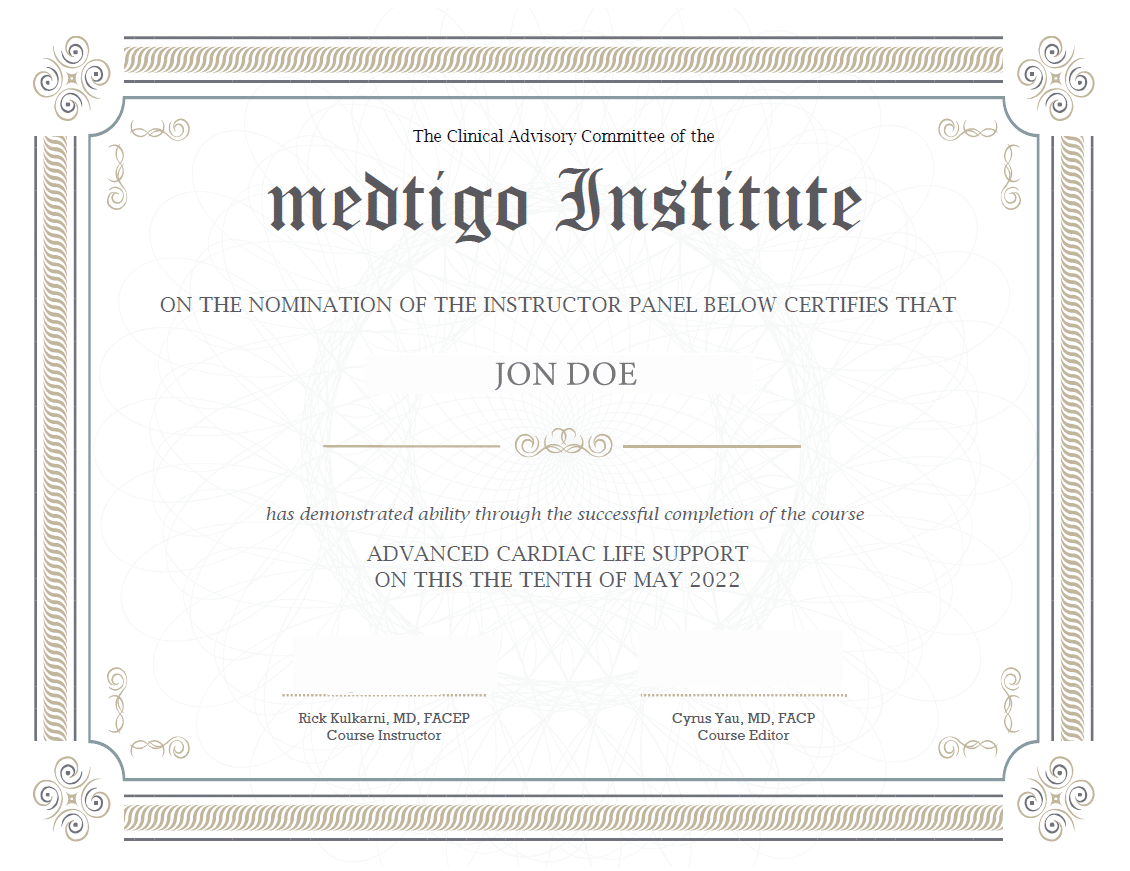
Digital Certificate PDF
On course completion, you will receive a full-sized presentation quality digital certificate.
medtigo Simulation
A dynamic medical simulation platform designed to train healthcare professionals and students to effectively run code situations through an immersive hands-on experience in a live, interactive 3D environment.
medtigo Points
medtigo points is our unique point redemption system created to award users for interacting on our site. These points can be redeemed for special discounts on the medtigo marketplace as well as towards the membership cost itself.
Community Forum post/reply = 5 points
*Redemption of points can occur only through the medtigo marketplace, courses, or simulation system. Money will not be credited to your bank account. 10 points = $1.
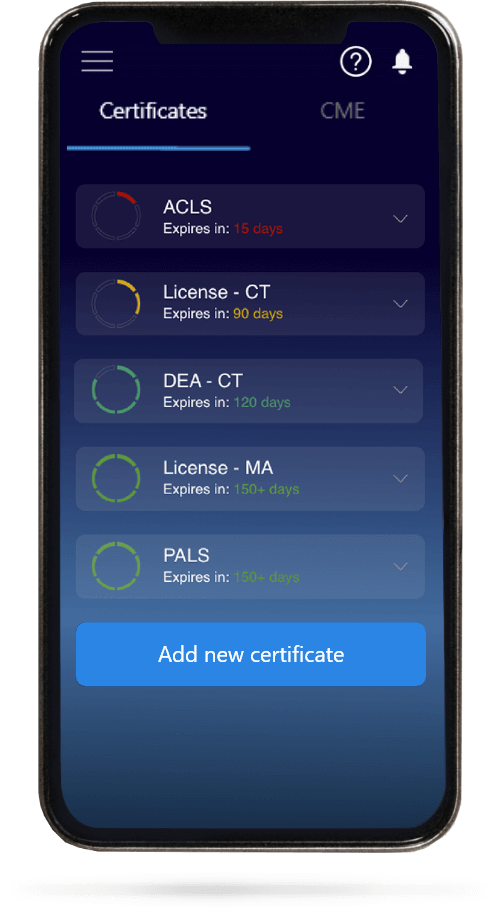
All Your Certificates in One Place
When you have your licenses, certificates and CMEs in one place, it's easier to track your career growth. You can easily share these with hospitals as well, using your medtigo app.