Codes Over Cuts: How Acute Care Surgeons Are Rewriting the Rules of Reimbursement
April 15, 2026




Brand Name :
Geriflo, Flokind-F
Synonyms :
finasteride/tamsulosin
Class :
alpha-blocker, 5-alpha-reductase inhibitor





Brand Name :
Geriflo, Flokind-F
Synonyms :
finasteride/tamsulosin
Class :
alpha-blocker, 5-alpha-reductase inhibitor
Dosage Forms & Strengths
Tablet
5 mg of finasteride/0.4 mg of tamsulosin
Safety and efficacy not established
Refer to adult dosing
Actions and Spectrum:
Action:
finasteride is a medication that inhibits the activity of the enzyme 5-alpha-reductase. This enzyme generally converts testosterone into dihydrotestosterone (DHT), a hormone that plays a role in prostate gland growth. By blocking this conversion, finasteride reduces the levels of DHT in the prostate tissue.
tamsulosin is an alpha-1 adrenergic receptor antagonist. It typically works by relaxing the smooth muscles in the prostate and the bladder neck. Doing so helps to improve urine flow and relieve symptoms associated with BPH, such as urinary hesitancy, urgency, frequency, and weak stream. tamsulosin does not affect the size of the prostate but helps alleviate the obstruction caused by an enlarged prostate.
Spectrum:
Benign Prostatic Hyperplasia (BPH): finasteride is commonly prescribed to men with BPH to reduce the size of the prostate gland, relieve urinary symptoms, and potentially prevent complications such as urinary retention.
Male Pattern Baldness: In lower doses, finasteride is also used to treat male pattern baldness by preventing hair loss and promoting hair regrowth.
Benign Prostatic Hyperplasia (BPH): tamsulosin is primarily prescribed to men with BPH to alleviate the bothersome urinary symptoms associated with the condition. It does not treat the underlying cause (prostate enlargement) but provides symptomatic relief.
Frequency not defined
Breast tenderness
Impotence
Increased libido
Hypersensitivity reactions
Black Box Warning:
None
Contraindication/Caution:
Contraindication
finasteride:
tamsulosin:
Caution
finasteride:
tamsulosin:
Pregnancy consideration:
US FDA pregnancy category: Not assigned.
Lactation:
Excreted into human milk: Not known.
Pregnancy category:
Pharmacology:
finasteride is a 5-alpha-reductase inhibitor that generally blocks the conversion of testosterone to the dihydrotestosterone, a hormone involved in the growth of the prostate gland. By reducing DHT levels, finasteride slows prostate enlargement, typically leading to symptom improvement in conditions like benign prostatic hyperplasia (BPH) and androgenetic alopecia. Conversely, tamsulosin is an alpha-1 adrenergic receptor antagonist that relaxes smooth muscles in the prostate and bladder neck.
This relaxation enhances urine flow and alleviates urinary symptoms associated with BPH. When prescribed, the combination of these medications addresses both the underlying cause of prostate enlargement and the symptomatic relief of urinary issues, offering a comprehensive approach to managing BPH. Their pharmacokinetics include oral administration, sound absorption, and elimination through urine and feces, with half-lives of approximately 6 hours for finasteride and 9-13 hours for tamsulosin.
Pharmacodynamics:
Mechanism of action: finasteride is a 5-alpha-reductase inhibitor. It generally works by inhibiting the activity of the enzyme 5-alpha-reductase, which is generally responsible for converting testosterone into dihydrotestosterone (DHT) in specific tissues, including the prostate gland. DHT is a more potent androgen hormone than testosterone and plays a role in stimulating the growth of the prostate gland. By reducing the levels of DHT in the prostate, finasteride slows down the growth of the prostate tissue and can shrink the size of the prostate over time.
tamsulosin is an alpha-1 adrenergic receptor antagonist. These receptors regulate the tone of smooth muscles in these areas. This relaxation leads to improved urinary flow and reduced symptoms associated with BPH, such as urinary hesitancy, urgency, frequency, and weak urine stream. When used together in treating BPH, finasteride and tamsulosin complement each other’s actions. finasteride addresses the underlying cause of prostate enlargement by reducing DHT levels and slowing prostate growth.
Pharmacokinetics:
Absorption: finasteride is well-absorbed after oral administration. It is absorbed typically in the upper gastrointestinal tract, and food can affect its absorption, leading to slightly increased bioavailability when taken with a meal.
tamsulosin is rapidly absorbed after oral administration, and its absorption is affected by food. Taking tamsulosin approximately 30 minutes after the same meal each day is recommended to enhance its bioavailability.
Distribution: finasteride is extensively distributed throughout the body, including into the prostate gland, which exerts its therapeutic effects. It has a high affinity for binding to plasma proteins.
tamsulosin is extensively distributed in the body, with a high affinity for alpha-1 adrenergic receptors in the prostate, bladder, and blood vessels. It has limited blood-brain barrier penetration, which minimizes central nervous system effects.
Metabolism: finasteride undergoes extensive metabolism in the liver, primarily through the CYP3A4 enzyme. It is converted into metabolites that are less potent than the parent compound. One of the metabolites is eliminated through the urine, while the others are eliminated through feces.
tamsulosin undergoes minimal hepatic metabolism, and most of the drug remains unchanged. It is primarily metabolized by the liver enzyme CYP3A4. Genetic polymorphisms in CYP2D6 can also affect its metabolism in some individuals.
Elimination and Excretion
The elimination half-life of finasteride is approximately 6 hours. Most of the drug and its metabolites are typically excreted in the urine, while a smaller fraction is eliminated in the feces.
tamsulosin has an elimination half-life of approximately 9-13 hours. Most of the drug and its metabolites are typically excreted in the urine, with a smaller fraction eliminated in the feces.
Administration:
The administration of finasteride and tamsulosin involves taking these medications as directed by the healthcare provider.
finasteride:
Dosage: finasteride is typically available in tablet form. The recommended dose for benign prostatic hyperplasia (BPH) is 5 milligrams (mg) once daily.
Timing: finasteride can be taken with or without food. It’s essential to take it simultaneously daily to maintain consistent drug levels.
Duration: The duration of finasteride treatment may vary depending on the condition being treated. For BPH, it often takes a long time to manage symptoms. For male pattern baldness, treatment may continue as long as desired results are maintained.
Follow Healthcare Provider’s Instructions: Always follow your healthcare provider’s instructions regarding the specific dose and duration of finasteride treatment.
Handling: If you are handling finasteride tablets and are a woman of childbearing potential, use caution and wash your hands thoroughly after contact with the medication to avoid potential exposure to a developing male fetus.
Regular Check-ups: Your healthcare provider may schedule regular check-ups to monitor the effectiveness of the medication and assess for any potential side effects.
Administration of tamsulosin:
Dosage: tamsulosin is typically available in capsule form. The most common dose for benign prostatic hyperplasia (BPH) is 0.4 milligrams (mg) once daily.
Timing: tamsulosin should be taken approximately 30 minutes after the same meal daily, as food can affect absorption. Taking it consistently with food can help reduce the risk of dizziness or lightheadedness.
Duration: tamsulosin is often prescribed for long-term use to manage BPH symptoms. Follow your healthcare provider’s guidance regarding the duration of treatment.
Avoid Crushing or Chewing: Swallow tamsulosin capsules whole; do not crush or chew them.
Orthostatic Hypotension: Be cautious when standing up from a sitting or lying position, especially when taking tamsulosin, as it can cause orthostatic hypotension (a drop in blood pressure upon standing).
Regular Check-ups: Your healthcare provider may schedule regular check-ups to monitor your response to tamsulosin and assess any side effects.
Patient information leaflet
Generic Name: finasteride/tamsulosin
Why do we use finasteride/tamsulosin?
The combination of finasteride and tamsulosin is sometimes used in treating men with benign prostatic hyperplasia (BPH), a non-cancerous prostate gland enlargement. BPH can lead to urinary symptoms such as urinary frequency, urgency, weak urine stream, and difficulty starting or stopping urination. The combination of finasteride and tamsulosin can offer a more comprehensive approach to managing BPH by addressing different aspects of the condition.
Management of BPH Symptoms: The combination of finasteride and tamsulosin is often prescribed to help manage the symptoms of BPH more effectively than either medication alone.
Relief of Urinary Symptoms: tamsulosin is an alpha-1 adrenergic receptor antagonist that relaxes the smooth muscles in the prostate and bladder neck. This relaxation helps improve urine flow and reduce urinary symptoms associated with BPH, such as hesitancy, urgency, and weak stream.
Combining Mechanisms of Action: The combination of finasteride and tamsulosin takes advantage of both medications’ different mechanisms of action. finasteride addresses the underlying issue of prostate enlargement, while tamsulosin provides symptomatic relief by relaxing smooth muscles.
Potential Synergy: Some studies suggest combining finasteride and tamsulosin may provide better symptom relief and improved quality of life for men with moderate to severe BPH compared to using either medication alone.

Both our subscription plans include Free CME/CPD AMA PRA Category 1 credits.

On course completion, you will receive a full-sized presentation quality digital certificate.
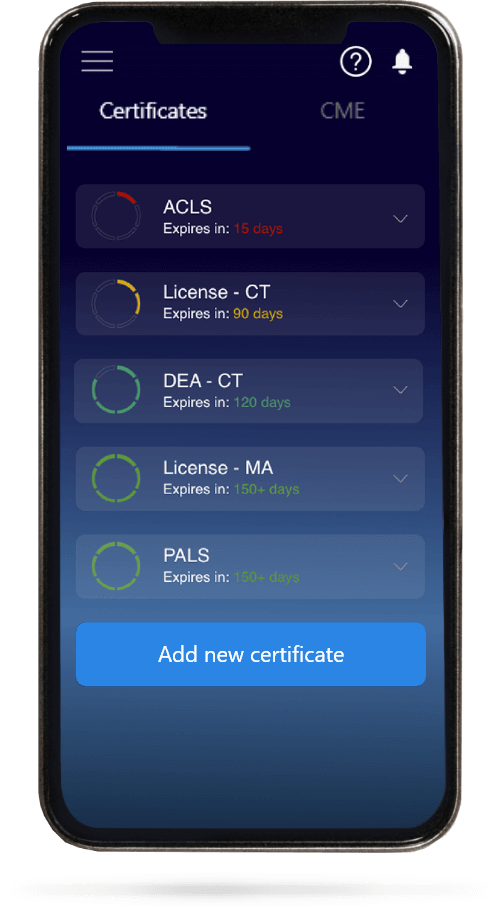
When you have your licenses, certificates and CMEs in one place, it's easier to track your career growth. You can easily share these with hospitals as well, using your medtigo app.