Hidden Risks of Exosome Injections in Pain Management
April 8, 2026




Brand Name :
Clear Eyes Complete, Genteal Tears, Bion Tears, Genteal
Synonyms :
hypromellose, hypromelloses
Class :
Artificial Tears Biopolymers



Brand Name :
Clear Eyes Complete, Genteal Tears, Bion Tears, Genteal
Synonyms :
hypromellose, hypromelloses
Class :
Artificial Tears Biopolymers
Dosage forms and strengths
Ophthalmic solution/drops, suspension/drops
1.92 mg/0/6mL
Ophthalmic solution/drops
20 mg/1mL
Ophthalmic Solution, gel-forming/drops
20 mg/1mL
Ophthalmic solution
20 mg/1mL
Ophthalmic solution
0.32 %
Ophthalmic Solution/drops; suspension/drops
3.2 mg/mL
Ophthalmic solution/drops
5 mg/1mL
Ophthalmic solution
1 %
Ophthalmic solution
0.5 %
Ophthalmic solution
2 %
Dosage forms and strengths
Ophthalmic solution/drops, suspension/drops
1.92 mg/0/6mL
Ophthalmic solution/drops
20 mg/1mL
Ophthalmic Solution, gel-forming/drops
20 mg/1mL
Ophthalmic solution
20 mg/1mL
Ophthalmic solution
0.32 %
Ophthalmic Solution / drops; suspension/drops
3.2 mg/mL
Ophthalmic solution/drops
5 mg/1mL
Ophthalmic solution
1 %
Ophthalmic solution
0.5 %
Ophthalmic solution
2 %
Refer adult dosing
Actions and Spectrum:
Actions:
Ophthalmic Lubrication: In eye drops and ointments, hypromellose acts as a lubricant, providing moisture to the eye’s surface. It provides relief from dryness and the unease linked to ailments such as dry eye syndrome.
Viscosity Modification: hypromellose is often used as a thickening and viscosity-modifying agent. In pharmaceutical formulations, it can enhance the viscosity of liquid medications, helping them maintain a uniform and stable consistency.
Spectrum:
Ocular Conditions: hypromellose eye drops are used to relieve symptoms of dry eyes, provide lubrication, and protect the corneal surface. It’s also used as a tear substitute for those who have insufficient natural tear production.
Frequency not defined
Lump or swelling in eyelid
Puffy eyelids
Vision changes
Eyeredness
Itching or discomfort
Black Box Warning:
None
Contraindication/Caution:
Allergy or Sensitivity: People who experience a recognized hypersensitivity or allergic response to hypromellose or related compounds should refrain from using it. Allergic reactions can manifest as skin rash, itching, redness, swelling, or difficulty breathing.
Severe Eye Infections: hypromellose-containing eye drops are often used to relieve dry eyes and discomfort. However, if an individual has a severe eye infection, using hypromellose eye drops might not be suitable, as it could potentially worsen the infection or delay proper medical treatment.
Eye Trauma: In cases of recent eye injury or trauma, the use of hypromellose eye drops might not be recommended. Trauma to the eye can lead to more serious conditions that require specialized medical care.
Contact Lens Wearers: While hypromellose-based eye drops are generally considered safe for contact lens wearers, It holds significance to adhere to the particular instructions given by your eye care specialist. Some formulations of hypromellose might not be compatible with certain types of contact lenses or might require removal of the lenses before application.
Children and Infants: Certain formulations of hypromellose may not be suitable for use in young children or infants. Always consult a pediatrician before using any eye drops or medications in children.
Pregnancy and Breastfeeding: While hypromellose is generally considered safe, there might be limited information available regarding its safety during pregnancy and breastfeeding. It is recommended to seek guidance from a healthcare professional prior to utilizing any medication during these phases.
Pregnancy warnings:
Pregnancy category: N/A
Lactation: Excreted into human milk is unknown
Pregnancy Categories:
Category A: Studies that were well-controlled and met expectations revealed no risk to the fetus in either the first or second trimester.
<b>Category B: There were a lack of studies on pregnant women and no evidence of risk to the fetus in animal experiments.
Category C: there was evidence of risk of adverse effects in animal reproduction studies, and no adequate evidence in human studies must take care of potential risks in pregnant women.
Category D: adequate data with sufficient evidence of human fetal risk from various platforms, but despite the potential risk, and used only in emergency cases for potential benefits.
Category X: Drugs listed in this category outweigh the risks over benefits. Hence these categories of drugs need to be avoided by pregnant women.
Category N: There is no data available for the drug under this category
Pharmacology:
hypromellose, also known as hydroxypropyl methylcellulose (HPMC), is a synthetic polymer derived from cellulose.
Pharmacodynamics:
Ophthalmic Use (Artificial Tears): In ophthalmic applications, hypromellose acts as an artificial tear substitute. It forms a protective and lubricating film on the surface of the eye, relieving dryness, discomfort, and irritation associated with inadequate tear production or exposure to environmental factors.
Oral and Topical Use: In oral and topical formulations, Hypromellose can function as a thickening agent, binder, and film-forming agent. It can enhance the stability and viscosity of liquid formulations, improve the texture of solid dosage forms, and provide controlled release properties.
Pharmacokinetics:
N/A
Administration:
hypromellose can be administered as Eye Drops or Artificial Tears. hypromellose can also be found in various oral and topical medications. Oral forms may come as tablets or capsules, and the administration instructions will be provided by the healthcare professional or on the medication label.
Patient information leaflet
Generic Name: hypromellose
Why do we use hypromellose?
Ophthalmic Preparations: hypromellose is often used in eye drops and ointments as a lubricant and artificial tear agent. It helps to relieve dry eyes and maintain moisture on the ocular surface.
Oral Solid Dosage Forms: In oral medications, hypromellose can be used as a binder, disintegrant, and controlled-release agent. It helps tablets hold their shape, aids in their dissolution in the gastrointestinal tract, and can control the release of drugs over time.
Topical Preparations: hypromellose can be found in various topical formulations like creams and gels. It provides a smooth and non-greasy texture and can help improve the spreadability of the formulation on the skin.
Modified Release Formulations: Due to its ability to form gels and control the release of water-soluble drugs, hypromellose is used in modified-release drug formulations. It helps extend the drug release profile, leading to prolonged therapeutic effects and potentially reducing the frequency of dosing.
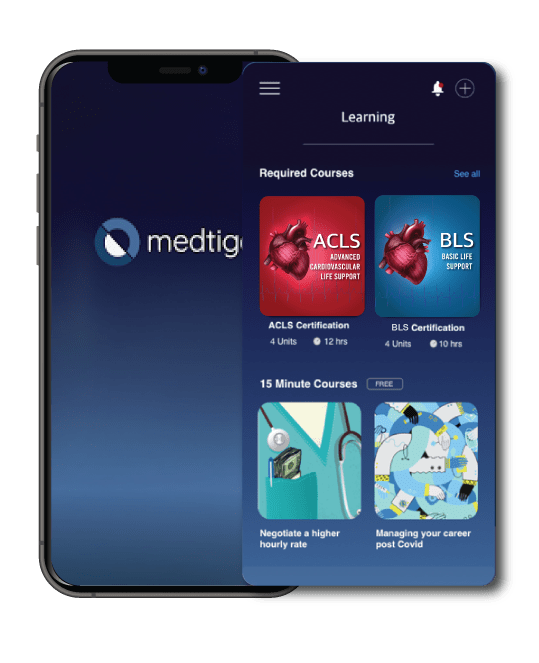
Both our subscription plans include Free CME/CPD AMA PRA Category 1 credits.

On course completion, you will receive a full-sized presentation quality digital certificate.

When you have your licenses, certificates and CMEs in one place, it's easier to track your career growth. You can easily share these with hospitals as well, using your medtigo app.