ASQ-PHI Introduced: A Novel Benchmark Balancing Clinical Data Privacy and Search Utility
April 17, 2026




Brand Name :
BiDil
Synonyms :
isosorbide dinitrate/hydralazine
Class :
Nitrates, Angina




Brand Name :
BiDil
Synonyms :
isosorbide dinitrate/hydralazine
Class :
Nitrates, Angina
Dosage Forms & Strengths
Tablet
20mg/37.5mg
Congestive Heart Failure (CHF)
1 tablet orally every 8 hours
Titrate the dose as required
Do not exceed the dose of more than 2 tablets orally every 8 hours
Decrease the dose to half-tablet every 8 hours if any side effects are not tolerated
Titrate the dose if side effects subside
The above dose is also indicated as an adjunct therapy for heart failure in self-proclaimed African Americans
Safety and efficacy are not seen in pediatrics
Dosage Forms & Strengths
Tablet
20mg/37.5mg
Congestive Heart Failure (CHF)
1 tablet orally every 8 hours
Titrate the dose as required
Actions and Spectrum:
Actions:
isosorbide dinitrate is a vasodilator that relaxes and widens the blood vessels. It primarily dilates the veins (vasodilation), reducing the amount of blood returning to the heart, decreasing the heart’s workload, and improving blood flow.
hydralazine is also a vasodilator, but its primary mechanism is arterial dilation. It relaxes and widens the arteries (arterialization), reducing blood flow resistance and decreasing afterload on the heart.
Spectrum:
hydralazine is also a vasodilator, but its primary mechanism is arterial dilation. It relaxes and widens the arteries (arteriodilation), reducing blood flow resistance and decreasing afterload on the heart. By lowering afterload, hydralazine reduces the pressure against which the heart has to pump, improving its ability to pump blood effectively.
Frequency not defined
Flushing
Hypotension
Palpitations
Rebound hypertension (uncommon)
Orthostatic hypotension
Light-headedness
Syncope
Unstable angina tachyarrhythmia
Restlessness
Weakness
Nausea
Dizziness
Headache
Methemoglobinemia
Hypotension
Headache
Neuropathy
Palpitations
Tachycardia
Anorexia
Vomiting
Agranulocytosis
Diarrhea
Leukopenia
Dyspnea
Nasal congestion
Hepatotoxicity
Chest pain
Black Box Warning:
None
Contraindication/Caution:
Contraindications:
Cautions:
Pregnancy consideration:
No data is available regarding the use in pregnant women.
Breastfeeding warnings:
The presence of the drug in breast milk is unknown.
Pregnancy category:
Category A: well-controlled and satisfactory studies show no risk to the fetus in the first or later trimester.
Category B: there was no evidence of risk to the fetus in animal studies, and there were not enough studies on pregnant women.
Category C: there was evidence of risk of adverse effects in animal reproduction studies, and no adequate evidence in human studies must take care of potential risks in pregnant women.
Category D: adequate data with sufficient evidence of human fetal risk from various platforms, but despite the potential risk, and used only in emergency cases for potential benefits.
Category X: Drugs listed in this category outweigh the risks over benefits. Hence these categories of drugs need to be avoided by pregnant women.
Category N: No data is available for the drug under this category.
Pharmacology:
isosorbide dinitrate is a prodrug, which means it undergoes biotransformation in the body to its active metabolite, nitric oxide (NO). Nitric oxide is a potent vasodilator that relaxes smooth muscle cells in blood vessels, primarily in veins and arteries to some extent. The vasodilation occurs mainly in veins, leading to venous pooling, decreased venous return, and reduced preload on the heart.
hydralazine is involved in directly relaxing vascular smooth muscle cells in arteries. This leads to arterial dilation, reducing peripheral resistance and afterload on the heart. hydralazine’s action is more selective for arteries than veins. Pharmacodynamics:
The primary effect of isosorbide dinitrate is venodilation, which reduces the amount of blood returning to the heart during diastole (the relaxation phase of the cardiac cycle). By decreasing preload, isosorbide dinitrate helps to lower the pressure in the heart’s chambers and decrease the oxygen demand on the heart, improving angina symptoms in patients with coronary artery disease and reducing symptoms of heart failure.
By dilating arterial blood vessels, hydralazine reduces the resistance that the heart must pump against during systole (the contraction phase of the cardiac cycle). This decreases the pressure against which the heart has to pump, improving cardiac output and reducing the workload on the heart. In conditions like heart failure and hypertension, this effect helps improve blood flow throughout the body and decreases the strain on the heart.
Pharmacokinetics:
Absorption
isosorbide dinitrate is well absorbed from the gastrointestinal tract after oral administration.
hydralazine is well absorbed after oral administration.
Distribution
hydralazine is distributed widely throughout the body, including various tissues and organs, including the vascular smooth muscle.
Metabolism
hydralazine undergoes metabolism in the liver via acetylation, forming acetyl hydralazine, its primary metabolite.
Elimination and Excretion
The elimination half-life of hydralazine can vary but is generally around 1-7 hours. The drug and its metabolites get excreted through the urine.
Administration:
The medication is typically administered orally; the tablets should be swallowed whole with a full glass of water. Depending on the specific product instructions, they can be taken with or without food.
Patient information leaflet
Generic Name: isosorbide dinitrate/hydralazine
Pronounced as: hye-DRAL-a-zeen-and-EYE-soe-SOR-bide-dye-NYE-trate
Why do we use isosorbide dinitrate/hydralazine?
isosorbide dinitrate/hydralazine treats heart failure, especially in self-identified African American patients. Combining isosorbide dinitrate and hydralazine has been shown to provide significant benefits in managing heart failure and improving patient outcomes.
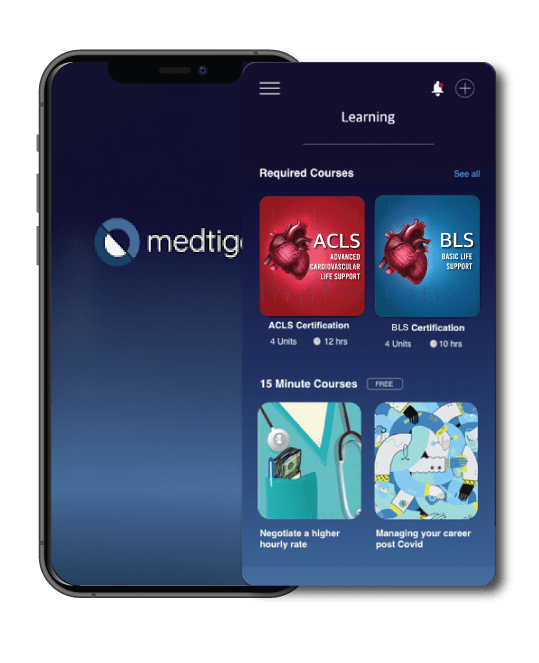
Both our subscription plans include Free CME/CPD AMA PRA Category 1 credits.
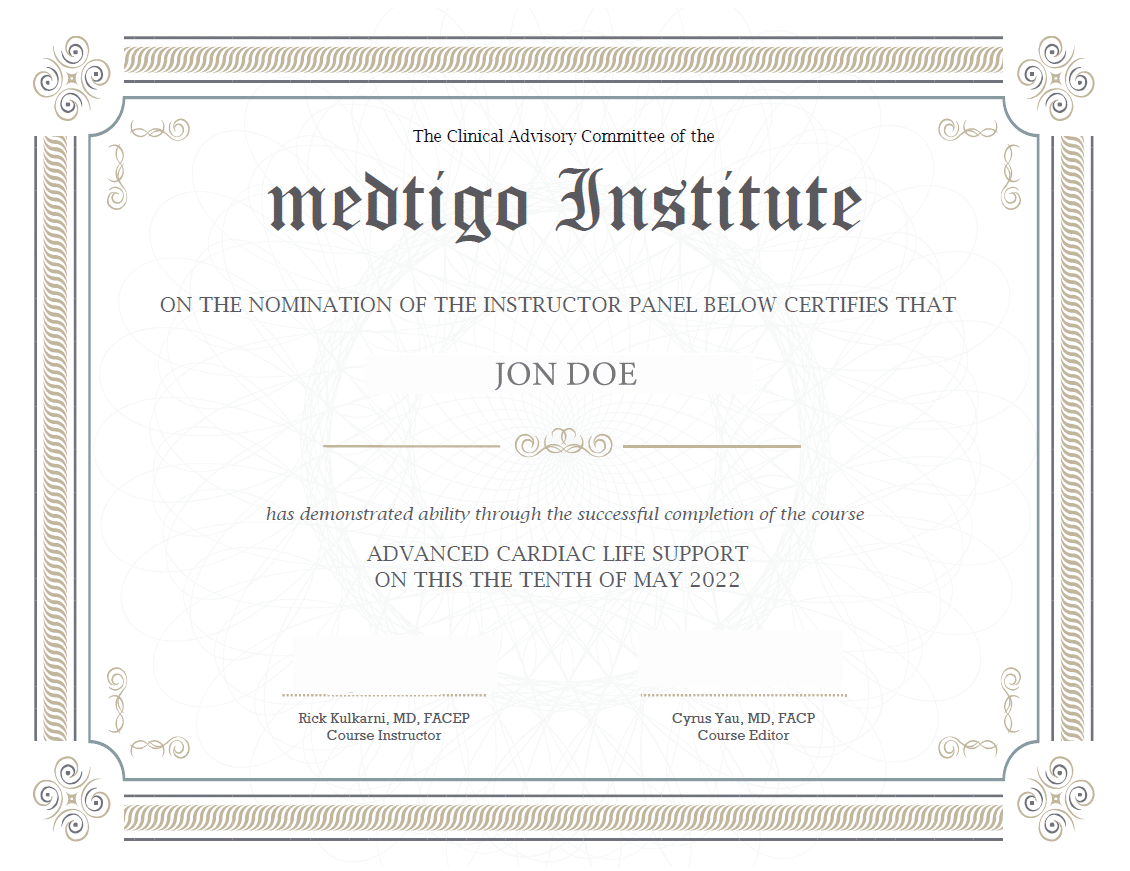
On course completion, you will receive a full-sized presentation quality digital certificate.
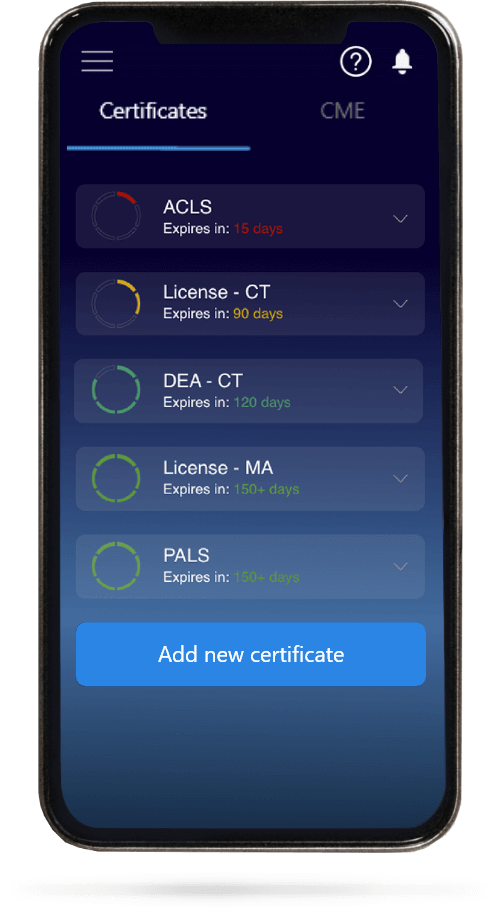
When you have your licenses, certificates and CMEs in one place, it's easier to track your career growth. You can easily share these with hospitals as well, using your medtigo app.