Inside U.S. Medical Regulation: A Complete Guide to the System
April 9, 2026




Brand Name :
Dutrebis
Synonyms :
lamivudine/raltegravir
Class :
HIV, Antiretroviral therapy




Brand Name :
Dutrebis
Synonyms :
lamivudine/raltegravir
Class :
HIV, Antiretroviral therapy
Dosage Forms & Strengths
Tablet
150mg/300mg (lamivudine/raltegravir)
Take 1 tablet orally two times a day
Dosage Modifications
Renal impairment
Moderate-to-severe: avoid use
Hepatic impairment
Mild-to-moderate: dose modification not required
Decompensated liver disease: Safety and efficacy not determined
Severe: study not performed
Dosage Forms & Strengths
Tablet
150mg/300mg (lamivudine/raltegravir)
<6 years: Safety and efficacy not determined
≥6 years and weight more than and equal to 30 kg: take 1 tablet orally two times a day
Dosage Modifications
Renal impairment
moderate-to-severe: avoid use
Hepatic impairment
Mild-to-moderate: dose modification not required
Decompensated liver disease: Safety and efficacy not determined
Severe: study not performed
Refer to adult dosing
Actions and Spectrum
lamivudine is an NRTI (nucleoside reverse transcriptase inhibitor) drug class member. The reverse transcriptase enzyme, which is necessary for the reproduction of HIV, is mostly inhibited by it.
A wide range of HIV-1 strains, including drug-resistant and wild-type strains, are responsive to lamivudine. The class of drugs known as integrase strand transfer inhibitors (INSTIs) includes raltegravir.
The integrase enzyme, which is responsible for integrating the viral DNA into the DNA of the host cell, is the target of its mechanism of action. raltegravir is effective against HIV-1 strains, including drug-resistant and wild-type viruses.
Frequency defined
>10%
For raltegravir
Total cholesterol increased (16%)
>10%
For lamivudine
Nausea
Vomiting
Pancreatitis
Musculoskeletal pain
Peripheral neuropathy
Nervous system neuropathy
Fever (pediatric)
Headache
Cough
Fatigue and malaise
Diarrhea
1-10%
For lamivudine
Abdominal cramps, abdominal pain
Dizziness
Thrombocytopenia
Insomnia
Rash
Arthralgia
Creatine phosphokinase increased
Myalgia
Depression
Chills
Dyspepsia
Anorexia and decreased appetite
1-10%
For raltegravir
Abdominal pain (5%)
Arthralgia (3%)
Influenza (3%)
Pyrexia
Rash (5%)
Dizziness (4%)
Extremity pain (3%)
Nausea
Vomiting (4%)
AST increased (9%)
Nasopharyngitis (6%)
Diarrhea
Insomnia (4%)
Glucose increased (9%)
Cough (5%)
Hyperbilirubinemia (9%)
Fatigue (8%)
<1%
For raltegravir
Thrombocytopenia
Renal failure
Drug related hypersensitivity
Suicidal ideation
Asthenia gastrointestinal disorders
Skin disorders
Lipodystrophy
Frequency Not Defined
For lamivudine
Neutropenia
Hepatitis B exacerbation
Body fat redistribution
Elevated amylase
Post marketing Reports
For raltegravir
Diarrhea
Thrombocytopenia
Psychiatric disorders: including suicidal ideation and behaviors, paranoia, anxiety, depression
Rhabdomyolysis
Skin: Steven’s-Johnson syndrome, rash
Cerebellar ataxia
Hepatic failure
Black Box Warning
None
Contraindication/Caution:
Contraindication:
Caution:
Pregnancy warnings:
Pregnancy category: C
Lactation: Excretion into human milk is unknown and lactation should be avoided
Pregnancy Categories:
Category A: well-controlled and Satisfactory studies show no risk to the fetus in the first or later trimester.
Category B: there was no evidence of risk to the fetus in animal studies, and there were not enough studies on pregnant women.
Category C: there was evidence of risk of adverse effects in animal reproduction studies, and no adequate evidence in human studies must take care of potential risks in pregnant women.
Category D: adequate data with sufficient evidence of human fetal risk from various platforms, but despite the potential risk, and used only in emergency cases for potential benefits.
Category X: Drugs listed in this category outweigh the risks over benefits. Hence these categories of drugs need to be avoided by pregnant women.
Category N: There is no data available for the drug under this category.
Pharmacology
lamivudine is a nucleoside reverse transcriptase inhibitor. It inhibits the reverse transcriptase enzyme of HIV and hepatitis B virus.
raltegravir is an integrase strand transfer inhibitor. It inhibits the integrase enzyme of HIV-1.
Pharmacodynamics
HIV-1 can be inhibited by lamivudine. Both wild-type strains and some strains with resistance mutations are susceptible to their effectiveness.
raltegravir is effective against HIV-1 strains, including those strains with resistance mutations as well as wild-type strains.
Pharmacokinetics
Absorption
lamivudine is well-absorbed after oral administration, with an oral bioavailability of around 80%.
raltegravir is well-absorbed after oral administration, with an oral bioavailability of around 33%.
Distribution
lamivudine has a small volume of distribution; thus, it is distributed predominantly in the extracellular fluid.
raltegravir has a moderate volume of distribution, hence distributes widely throughout the body.
Metabolism
lamivudine is not extensively metabolized. It undergoes minimal hepatic metabolism.
raltegravir undergoes metabolism primarily via glucuronidation in the liver.
Elimination and excretion
Most of the lamivudine is eliminated by the kidneys via glomerular filtration.
The majority of raltegravir and its metabolites are excreted in via biliary excretion.
Administration
lamivudine and raltegravir are both antiretroviral medications and they are mainly available in tablet form.
It should be swallowed whole with water and can be taken with or without food.
Patient information leaflet
Generic Name: lamivudine/raltegravir
Why do we use lamivudine/raltegravir?
lamivudine/raltegravir are both medications used in the treatment of HIV infection.
lamivudine/raltegravir is used as part of combination antiretroviral therapy (ART) for the treatment of HIV-1 infection in adults and children.
lamivudine is also used for the treatment of chronic hepatitis B (HBV) infection in adults and children.
raltegravir helps suppress viral replication, improve immune function, and delay the progression of HIV disease.

Both our subscription plans include Free CME/CPD AMA PRA Category 1 credits.
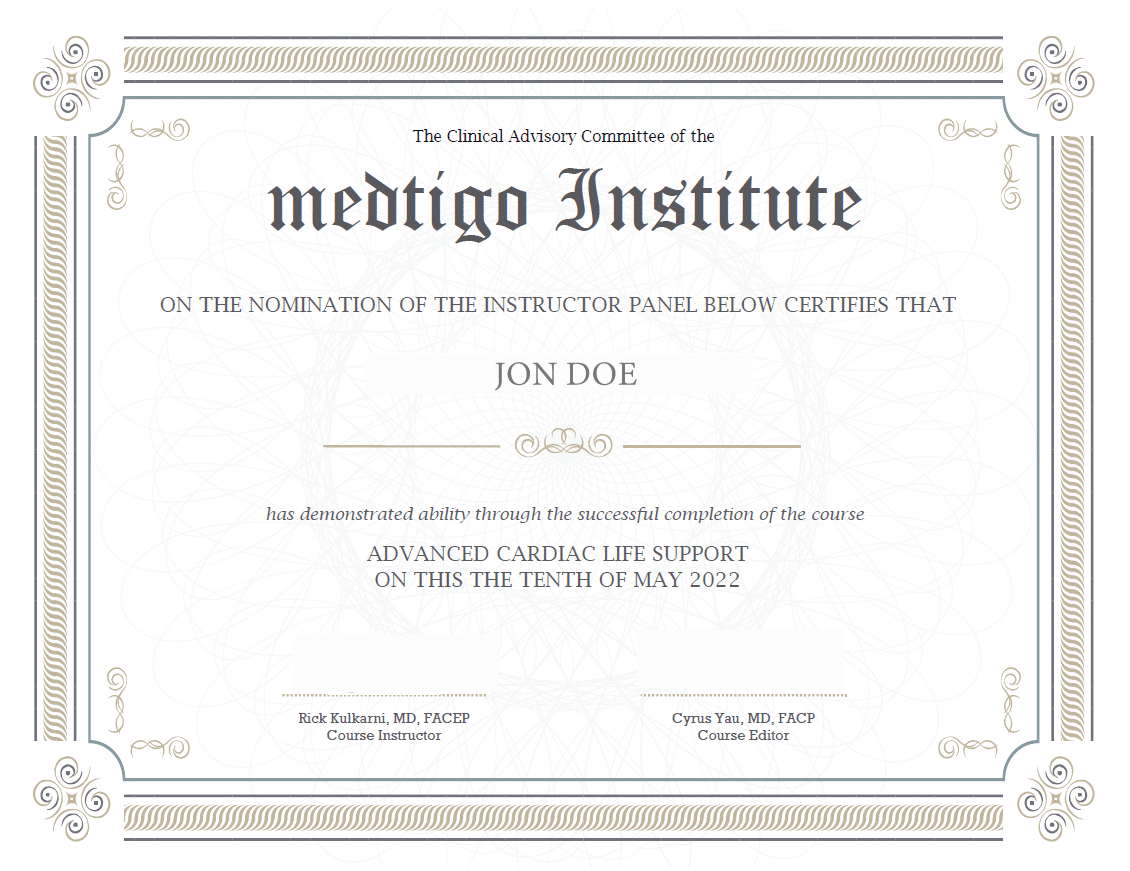
On course completion, you will receive a full-sized presentation quality digital certificate.
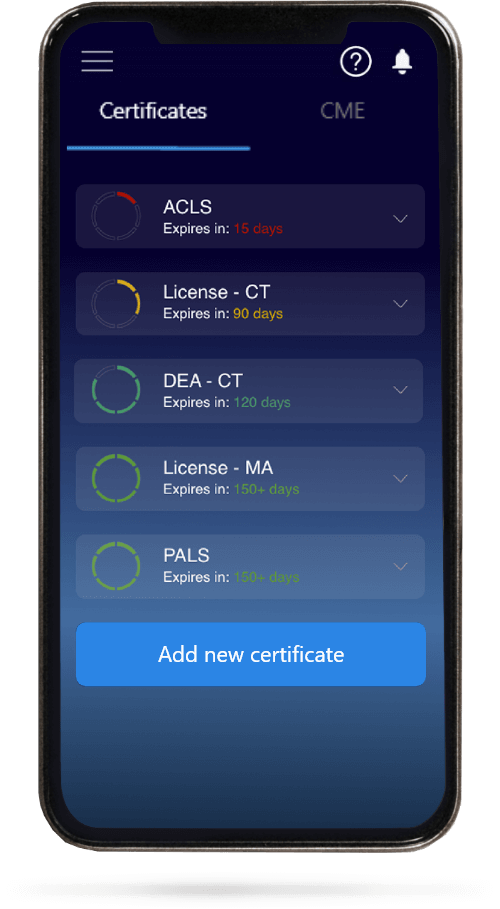
When you have your licenses, certificates and CMEs in one place, it's easier to track your career growth. You can easily share these with hospitals as well, using your medtigo app.