Hidden Risks of Exosome Injections in Pain Management
April 8, 2026




Brand Name :
carnitine, Carnitor
Synonyms :
levocarnitine
Class :
Metabolic and endocrine, other



Brand Name :
carnitine, Carnitor
Synonyms :
levocarnitine
Class :
Metabolic and endocrine, other
Dosage forms and strengths
Tablets
(330mg)
(250mg)
capsule
(250mg)
oral solution
(1g/10mL)
injectable solution
(200mg/mL)
For tablets: The recommended dosage is 990 mg, taken orally every 8 to 12 hours, with a maximum daily dose of 3 g
For oral solution: The initial oral dose is 1000 mg daily, divided as necessary. If administered intravenously
The dosage is 50 mg/kg given as a bolus followed by an additional 50 mg/kg over the next 24 hours, divided every 3 to 6 hours
End Stage Renal Disease (ESRD)
The initial administration involves an IV bolus infusion of 10-20 mg/kg over 2-3 minutes, to be given through the venous return line after a dialysis session
Subsequent doses should be adjusted based on the levocarnitine concentration before dialysis
Indicated for valproic acid overdose
:
Starting dose of 100 mg/kg IV (not to exceed 6 g per dose) should be administered once
Additional doses of 15 mg/kg IV may be given every 4 hours, with a 30-minute infusion time
Dosage forms and strengths
Tablets
(330mg)
(250mg)
capsule
(250mg)
oral solution
(1g/10mL)
injectable solution
(200mg/mL)
The initial dosage is 50 mg/kg per day taken orally, divided into two or three doses every 8 to 12 hours
The dosage may be increased to a maximum of 100 mg/kg per day taken orally, also divided every 8 to 12 hours, but not exceeding 3 g per day
For intravenous administration, The recommended dosage is a 50 mg/kg IV bolus, which can be repeated daily if necessary, not to exceed 300 mg/kg
End Stage Renal Disease (ESRD)
The initial dose involves an IV bolus infusion of 10-20 mg/kg over 2-3 minutes, to be administered through the venous return line after a dialysis session
Subsequent doses should be adjusted based on the levocarnitine concentration before dialysis
Refer adult dosing
It may enhance the risk of adverse effects when combined with nutraceuticals
It may enhance the risk of adverse effects when combined with nutraceuticals
It may enhance the risk of adverse effects when combined with nutraceuticals
It may enhance the risk of adverse effects when combined with nutraceuticals
It may enhance the risk of adverse effects when combined with nutraceuticals
When levocarnitine is used together with ouabain, this leads to reduction in levocarnitine excretion
Actions and Spectrum
levocarnitine acts as a co-factor in facilitating the transfer of long-chain fatty acids across the mitochondrial membrane, allowing for beta-oxidation and subsequent conversion to ATP. This drug also helps to remove excess acyl groups from the cytoplasm, preventing the accumulation of toxic intermediates.
The spectrum of levocarnitine includes its use in treating various metabolic disorders, such as carnitine deficiency, primary systemic carnitine deficiency, and secondary carnitine deficiency due to renal disease or hemodialysis.
Frequency not defined
Peripheral edema
Palpitation
Vomiting
Dizziness
Headache
Hypercalcemia
Paresthesia
GI distress
Mild myasthenia in patients with uremia
Fever
Anemia
Cough
Tachycardia
Black Box Warning:
Increased risk of seizures
Contraindication/Caution:
Hypersensitivity: The drug should not be used in individuals who have a known hypersensitivity to the supplement.
Renal impairment: The drug should be used with caution in individuals with renal impairment, as it may increase the risk of seizures.
Thyroid disease: The drug is contraindicated in this condition.
Peripheral vascular disease: The drug is contraindicated in this condition.
Seizure disorders: The drug is contraindicated in this condition.
Hemodialysis: The drug is contraindicated in this condition.
Pregnancy warnings:
Pregnancy category: N/A
Lactation: Excreted into human milk is unknown
Pregnancy Categories:
Category A: Studies that were well-controlled and met expectations revealed no risk to the fetus in either the first or second trimester.
Category B: There were a lack of studies on pregnant women and no evidence of risk to the fetus in animal experiments.
Category C: there was evidence of risk of adverse effects in animal reproduction studies, and no adequate evidence in human studies must take care of potential risks in pregnant women.
Category D: adequate data with sufficient evidence of human fetal risk from various platforms, but despite the potential risk, and used only in emergency cases for potential benefits.
Category X: Drugs listed in this category outweigh the risks over benefits. Hence these categories of drugs need to be avoided by pregnant women.
Category N: There is no data available for the drug under this category
Pharmacology:
l-carnitine, or levocarnitine, is a derivative of amino acid that is essential in cellular energy production. It acts as a crucial cofactor in the transportation of long-chain fatty acids into mitochondria, where they are metabolized to generate energy.
Pharmacodynamics:
The pharmacodynamics of levocarnitine involve its ability to enhance energy production, reduce oxidative stress and inflammation, and improve glucose metabolism. These effects make it a potentially useful therapeutic agent for a variety of conditions, including cardiovascular disease, diabetes, and neurodegenerative disorders.
Pharmacokinetics:
Absorption
The drug is rapidly and efficiently absorbed from the small intestine, with approximately 14-18% of an oral dose being absorbed intact.
Distribution
This medication is extensively distributed throughout the body, with the most significant amounts located in organs such as the skeletal muscles, heart, liver, and kidneys.
Metabolism
The metabolism of drug take place in liver and kidneys. It is converted into several metabolites, including acetyl-L-carnitine and propionyl-L-carnitine. These metabolites have different biological functions and are involved in various metabolic pathways.
Excretion and elimination
The drug and its metabolites are primarily excreted in the urine, with approximately 95% of an oral dose being excreted unchanged. A small amount of levocarnitine is also excreted in the feces.
Administration:
Dosage: It is typically taken orally in the form of a tablet or solution.
Duration: The duration of treatment with this drug may vary depending on the underlying condition being treated.
Patient information leaflet
Generic Name: levocarnitine
Why do we use levocarnitine?
levocarnitine is commonly used as a dietary supplement to treat or prevent carnitine deficiency, which can occur in individuals with certain genetic disorders or those who have impaired absorption or utilization of dietary carnitine.

Both our subscription plans include Free CME/CPD AMA PRA Category 1 credits.
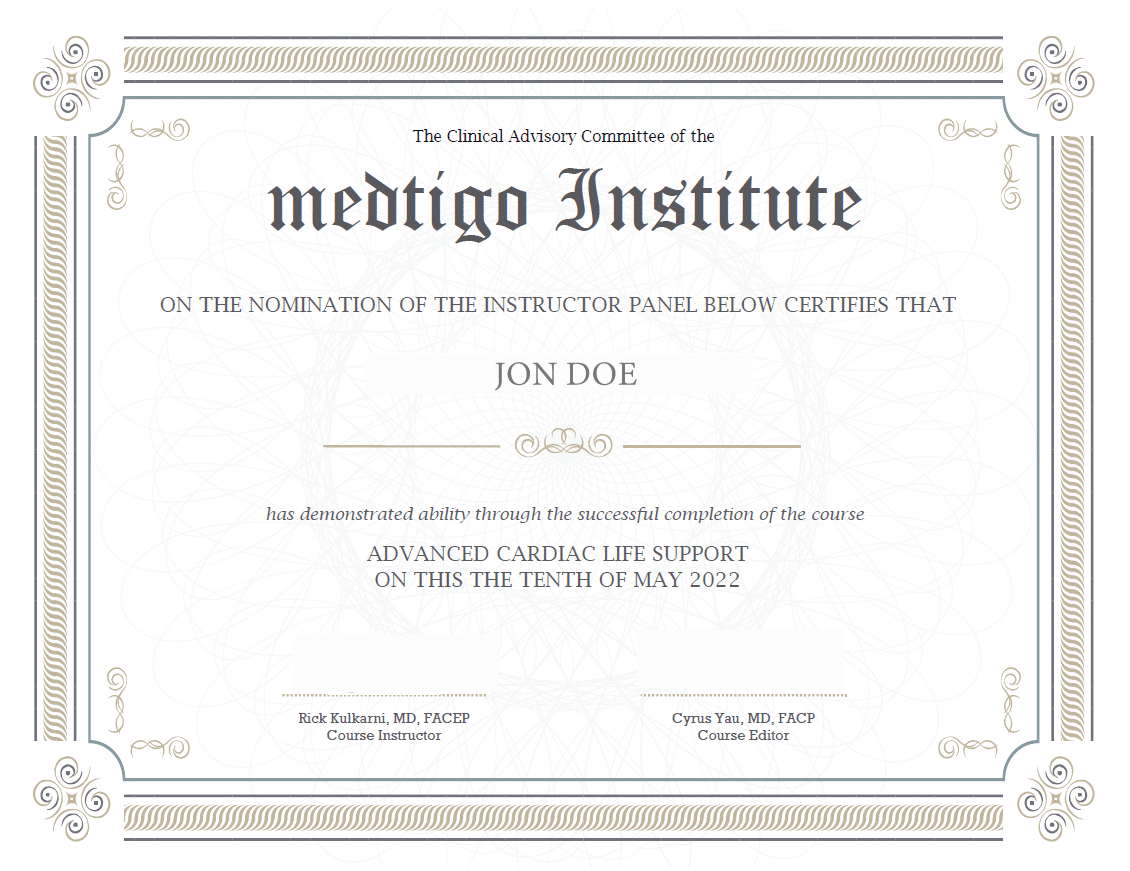
On course completion, you will receive a full-sized presentation quality digital certificate.
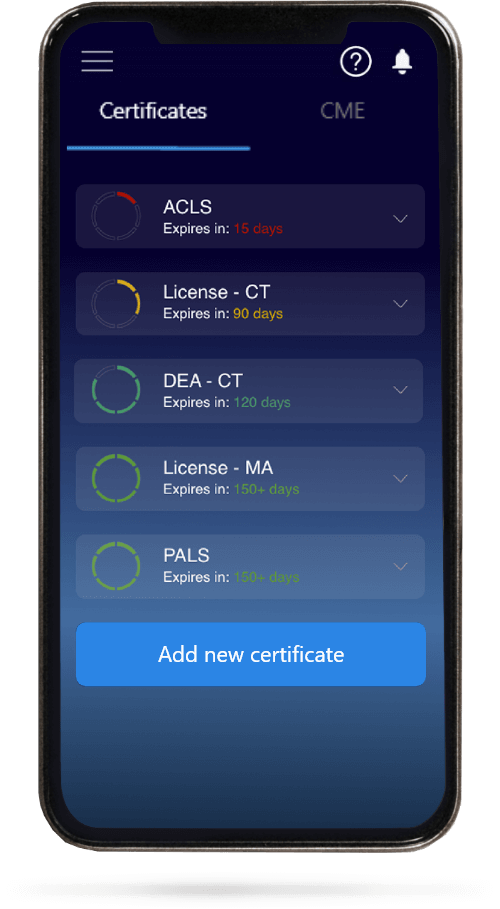
When you have your licenses, certificates and CMEs in one place, it's easier to track your career growth. You can easily share these with hospitals as well, using your medtigo app.