
Coverage Transitions from Medicaid Expansion to Medicare: A Cohort Analysis
April 26, 2026




Brand Name :
Ginkocer M
Synonyms :
mecobalamin/ginkgo Biloba
Class :
Vitamins



Brand Name :
Ginkocer M
Synonyms :
mecobalamin/ginkgo Biloba
Class :
Vitamins
Dosage Forms & Strengths
Capsule
500 mcg of mecobalamin/40 mg of ginkgo Biloba
Safety and efficacy not established
Refer to adult dosing
Actions and Spectrum:
mecobalamin is a form of vitamin B12 that is crucial to the body’s neurological function. It is often used as a dietary supplement to treat conditions related to vitamin B12 deficiency, such as anemia and neuropathy. mecobalamin works by aiding in synthesizing myelin. This helps improve nerve conduction and function, effectively managing neuropathic pain symptoms and neurological disorders. Additionally, mecobalamin is thought to support the regeneration of damaged nerve cells, further contributing to its neuroprotective properties.
On the other hand, ginkgo Biloba is an herbal supplement derived from the ginkgo tree leaves. It is known for its potential cognitive-enhancing effects and ability to improve blood circulation. ginkgo Biloba is thought to work by enhancing blood flow to the brain. It is also rich in antioxidants, which help protect cells from oxidative damage. However, its efficacy in these areas is still a subject of ongoing research and debate.
Frequency not defined
Diarrhea
Vomiting
Constipation
Black Box Warning:
None
Contraindication/Caution:
Contraindication
mecobalamin:
ginkgo biloba:
Caution
mecobalamin:
ginkgo Biloba:
Pregnancy consideration:
US FDA pregnancy category: Not assigned
Lactation:
Excreted into human milk: Not known.
Pregnancy category:
Pharmacology:
mecobalamin, a form of vitamin B12, plays a crucial role in neurological function by acting as a cofactor in synthesizing myelin, a substance that insulates and protects nerve fibers. It contributes to nerve cell health, aids in signal transmission, and may support the regeneration of damaged nerve cells.
On the other hand, ginkgo Biloba, derived from the ginkgo tree leaves, contains active compounds like flavonoids and terpenes that have antioxidant properties and may enhance blood circulation by dilating blood vessels and reducing platelet aggregation.
This improved blood flow to the brain and peripheral tissues is believed to underlie its potential cognitive and circulatory benefits, potentially aiding in memory and cognitive function while assisting with conditions related to poor blood circulation.
Pharmacodynamics:
Mechanism of action: mecobalamin primarily functions as a coenzyme in several essential biochemical processes in the body, particularly those related to DNA synthesis, red blood cell production, and nerve cell maintenance.
Conversion to Coenzyme Forms: mecobalamin is converted within the body into its active coenzyme forms, primarily methylcobalamin. Methylcobalamin plays a pivotal role in various enzymatic reactions, especially those involving the conversion of homocysteine to methionine, a critical process in DNA and protein synthesis.
Nervous System Support: mecobalamin is essential for maintaining the integrity and also function of the nervous system. It aids in forming the protective myelin sheath around nerve fibers, facilitating nerve signal conduction. mecobalamin may also support nerve cell health and regeneration, making it valuable in managing conditions like neuropathy.
Red Blood Cell Formation: mecobalamin is necessary for synthesizing red blood cells (erythropoiesis) by promoting the maturation of red blood cell precursors. This helps prevent certain types of anemia, particularly megaloblastic anemia.
ginkgo biloba:
ginkgo biloba’s mechanism of action primarily revolves around its active compounds, including flavonoids and terpenes. Its actions are mainly associated with its effects on blood circulation and antioxidant properties:
Improved Blood Flow: ginkgo biloba enhances blood circulation by enhancing the blood flow to brain and peripheral tissues. It accomplishes this by dilating blood vessels and reducing platelet aggregation (clumping of blood platelets).
Antioxidant Properties: ginkgo biloba contains antioxidants, such as flavonoids and terpenes, that can help neutralize harmful free radicals in the body. These antioxidants protect cells from oxidative damage, which may play a role in reducing age-related cognitive decline and other health conditions associated with oxidative stress.
Neuroprotective Effects: ginkgo biloba’s improved blood flow and antioxidant properties may contribute to its potential neuroprotective effects.
Anti-inflammatory Effects: Some studies suggest that ginkgo biloba may have mild anti-inflammatory effects, which could contribute to its overall benefits, especially in conditions where inflammation plays a role.
Pharmacokinetics:
Absorption
mecobalamin is typically absorbed in the small intestine, primarily in the ileum. To be absorbed, it requires the presence of an intrinsic factor.
ginkgo biloba is orally administered and absorbed primarily in the gastrointestinal tract, with absorption mainly occurring in the small intestine.
Distribution
Once absorbed, mecobalamin is transported in the bloodstream, bound to transcobalamin II, a transport protein. It can be distributed throughout the body, including to the nervous system, which plays a crucial role in nerve function.
Once absorbed, the active compounds are distributed throughout the body via the bloodstream. ginkgo biloba’s effects on circulation are partly attributed to its ability to improve the blood flow to various tissues, including the brain.
Metabolism
mecobalamin does not undergo significant metabolism in the body. It is primarily converted to its coenzyme forms, such as methylcobalamin and adenosylcobalamin, which are biologically active and participate in various enzymatic reactions.
ginkgo biloba undergoes metabolic processes in the liver, where some of its active compounds are transformed into various metabolites. The exact metabolic pathways can vary depending on the specific compounds within ginkgo biloba.
Elimination and Excretion
Excretion of mecobalamin mainly occurs through the kidneys, primarily as unchanged mecobalamin. The body typically reabsorbs and conserves most of the vitamin B12 it filters through the renal system as an essential nutrient.
Excretion of ginkgo biloba and its metabolites primarily occurs through the urine and feces. The elimination half-life of ginkgo biloba’s active compounds can vary, but it’s generally relatively short, meaning they are excreted from the body within a few days.
Administration:
Mecobalamin and ginkgo biloba administration should be done by the recommended dosages and guidelines provided on the product label/as prescribed by a healthcare professional.
mecobalamin:
Oral Tablets or Capsules: mecobalamin is commonly available in oral tablet or capsule forms.
Sublingual Tablets: Some formulations of mecobalamin come in sublingual tablets that are typically dissolved under the tongue.
Injections: In some instances of severe B12 deficiency or specific medical conditions, mecobalamin may be administered via intramuscular injections. A healthcare professional typically gives these injections.
ginkgo biloba:
Oral Tablets or Capsules: ginkgo biloba supplements are available in oral tablet or capsule forms.
Timing: ginkgo biloba supplements are often taken with meals to enhance absorption and minimize the risk of gastrointestinal discomfort. It’s advisable to take them simultaneously each day for consistency.
Duration of Use: Ginkgo biloba supplementation can vary based on the intended purpose. Some people use it for short-term cognitive support, while others may use it over extended periods. Follow your healthcare provider’s guidance regarding the duration of use.
Quality and Purity: Ensure that you choose a reputable brand of ginkgo biloba supplements to ensure quality and purity. Look for standardized extracts with a known percentage of active compounds (usually flavonoids and terpenes).
Patient information leaflet
Generic Name: mecobalamin/ginkgo biloba
Why do we use mecobalamin/ginkgo biloba?
The combination of mecobalamin and ginkgo Biloba is sometimes used for potential synergistic effects in addressing specific health conditions.
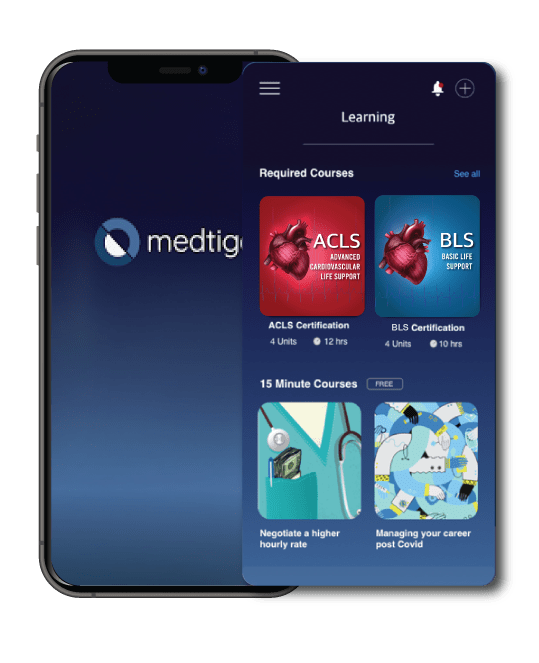
Both our subscription plans include Free CME/CPD AMA PRA Category 1 credits.

On course completion, you will receive a full-sized presentation quality digital certificate.

When you have your licenses, certificates and CMEs in one place, it's easier to track your career growth. You can easily share these with hospitals as well, using your medtigo app.