Rising Adoption of Continuous Glucose Monitors in Medicare Advantage: Trends from 2021–2023
April 13, 2026




Brand Name :
Baypen, Mezlin, Meige, Li Yang, Mezlocillin, Mezlocillin Carino.
Synonyms :
Class :
: Class: Antimicrobials and Antiviral drugs; Sub class: Penicillins



Brand Name :
Baypen, Mezlin, Meige, Li Yang, Mezlocillin, Mezlocillin Carino.
Synonyms :
Class :
: Class: Antimicrobials and Antiviral drugs; Sub class: Penicillins
Dosage forms and strengths:
Injectable powder Solution
Adult:
Mild/Moderate: A dose of 1.5-2 g IV or IM FOR every 6 hours is recommended.
Severe: A dose of Usual dose 3 g IV given for every 6 hours.
Mild/Moderate: A dose of 1-2 g IV or IM given in one dose and probenecid 1 g given orally at the time of dosing or before 30 minutes.
To start the surgery a dose of 4 g IV is given 30-90 minutes before or 4 g IV given 6hrs and 12hrs later.
A dose 4 g IV given as the umbilical cord is clamped and the second and third doses of 4 g should be given IV 4-8 hours after the first dose.
Dose reduction may be necessary.
Mild/Moderate: A dose of 1.5-2 g IV or IM FOR every 6 hours is recommended
Severe: A dose of Usual dose 3 g IV given for every 6 hours
Mild/Moderate: A dose of 1-2 g IV or IM given in one dose and probenecid 1 g given orally at the time of dosing or before 30 minutes
To start the surgery a dose of 4 g IV is given 30-90 minutes before or 4 g IV given 6hrs and 12hrs later
Dosage forms and strengths:
Injectable powder Solution
Pediatric:
For less than 1 week a dose of 75 mg per kg is given every 12hrs
For 1 week to less than 1 month a dose of 75 mg per kg is given every 6 to 8hrs
For 1 month and less than12 years: 50-75 mg per kg is given every 4hrs
For 12 years old the usual adult dose is followed
When mezlocillin combines with BCG vaccine, the mezlocillin reduces the anti-tumor activity of the vaccine.
When mezlocillin combines with cholera vaccine, the mezlocillin reduces the effects of the vaccine.
When mezlocillin combines with methotrexate, it increases the blood levels and affects the action of methotrexate.
When mezlocillin combines with typhoid vaccine, the mezlocillin reduces the effects of the vaccine.
When mezlocillin combines with amikacin, the mezlocillin reduces the effects of the drug.
When mezlocillin combines with amikacin liposome, the mezlocillin reduces the effects of the drug.
When mezlocillin combines with anisindione it may increase the risk of bleeding in patients with liver or hepatic impairment and in elderly.
When mezlocillin combines with chloramphenicol, the chloramphenicol reduces the effects of the mezlocillin.
When mezlocillin combines with demeclocycline, the demeclocycline reduces the effects of mezlocillin.
When mezlocillin combines with dicumarol it may increase the risk of bleeding in patients with liver or hepatic impairment and in elderly.
When mezlocillin combines with doxycycline, the doxycycline reduces the effects of mezlocillin.
When mezlocillin combines with entecavir, it increases the blood levels.
When mezlocillin combines with estradiol, the mezlocillin reduces the effects of the drug.
When mezlocillin combines with ethinyl estradiol, the mezlocillin reduces the effects of the drug.
When mezlocillin combines with gentamicin, the mezlocillin reduces the effects of the drug.
Mezlocillin may interfere with Indium oxyquinoline in-111 and show changes in test results.
When mezlocillin combines with kanamycin, the mezlocillin reduces the effects of the drug.
When mezlocillin combines with minocycline, combination of this may impact on action and effectives of minocycline.
When mezlocillin combines with mycophenolate mofetil, it decreases the blood levels.
When mezlocillin combines with mycophenolic acid, it decreases the blood levels.
When mezlocillin combines with netilmicin, combination of this may impact on action and effectives of netilmicin.
When mezlocillin combines with Oxytetracycline, the drug reduces the effects of mezlocillin.
When mezlocillin combines with pemetrexed, it increases the blood levels.
When mezlocillin combines with plazomicin, combination of this may impact on action and effectives of plazomicin.
When mezlocillin combines with sarecycline, the drug reduces the effects of mezlocillin.
Mezlocillin may interfere with Sodium iodide i-123 and show changes in test results.
When mezlocillin combines with tetracycline, the drug reduces the effects of mezlocillin.
When mezlocillin combines with tobramycin, the drug reduces the effects of tobramycin.
When mezlocillin combines with warfarin it may increase the risk of bleeding in patients with liver or hepatic impairment and in elderly.
bismuth subcitrate, metronidazole and tetracycline
The interaction may depress the therapeutic efficacy of tetracyclines
The interaction may depress the therapeutic efficacy of tetracyclines
The interaction may depress the therapeutic efficacy of tetracyclines
The interaction may depress the therapeutic efficacy of tetracyclines
The interaction may depress the therapeutic efficacy of tetracyclines
When mezlocillin is used together with clomocycline, this leads to a reduction in therapeutic effectiveness of mezlocillin
penicillins may enhance the hypokalemic effect of dichlorphenamide
When mezlocillin combines with azithromycin, the drug reduces the effects of action by synergism.
When mezlocillin combines with clarithromycin, the drug reduces the effects of action by synergism/antagonism.
When mezlocillin combines with dirithromycin, the drug reduces the effects of action by synergism/antagonism.
When mezlocillin combines with erythromycin, the drug reduces the effects of action by synergism/antagonism.
When mezlocillin combines with heparin, the drug effects heparin action by inhibiting the platelet aggregation.
When mezlocillin and probenecid combines, the probenecid may increase the plasma concentrations and affect renal tubular secretion of mezlocillin.
When mezlocillin combines with Troleandomycin, the drug reduces the effects of action by synergism/antagonism.
Adverse drug reaction:
Frequency defined
1-3%
Skin reactions
Eosinophilia
Diarrhea
1-2%
Leukopenia
Frequency not defined
Hypokalemia
Convulsions
Nausea
Vomiting
Agranulocytosis
Elevations of BUN and serum creatinine
urticarial rash
Angioedema
Pruritus
Bronchospasm
Hypotension
Anaphylaxis
Black Box Warning:
Some people who get mono could get a rash. Also, there may be issues with bleeding and clotting. A person with mono might have trouble with electrolytes like sodium or potassium. Plus, if they take certain medicines like vecuronium, the drugs could make their muscles stay relaxed longer than normal.
Contraindication/Caution:
Contraindications
Cautions
Pregnancy and Lactation:
Pregnancy:
Lactation:
Pharmacology:
Mezlocillin interferes with the last step of bacterial cell wall formation. It attaches to certain proteins within the cell wall called penicillin-binding proteins (PBPs). This triggers an enzyme, autolysin, to break down the cell wall. As a result, the bacterial cell ruptures and dies. Mezlocillin may also block an autolysin inhibitor, allowing more cell wall breakdown.
Pharmacodynamics:
Mezlocillin works by stopping bacterial cell walls from being made properly. It binds to special proteins called penicillin binding proteins (PBPs). When Mezlocillin binds to these PBPs, it prevents the cross-linking of peptidoglycan layers in the cell wall. This makes the cell wall weaker and less sturdy. Because of this, the bacteria can’t handle changes in osmotic pressure very well. As a result, the bacterial cells burst open, and the bacteria die.
Pharmacokinetics:
Distribution
The medication connects with proteins in varied ranges between 16% and 59%.
Elimination and Excretion
It stays active for different periods, from 1.3 to 4.4 hours. Around half exits through urine.
Administration:
Mezlocillin enters the body through IV infusion, straight into the bloodstream. Its dose is tailored to the patient’s condition, weight, infection type and severity. Treatment duration depends on how serious the infection is. Following the prescribed course is crucial. During treatment, healthcare providers closely watch the patient. They check for side effects and monitor the response. The providers make adjustments based on clinical and lab findings.
Patient Information Leaflet
An antibiotic called Mezlocillin works by bonding to cell wall proteins in bacteria. This stops bacteria from living. Mezlocillin treats ear, bile, and brain infections because it kills different types of bacteria. Both gram-positive and gram-negative bacteria are killed by Mezlocillin. However, side effects may occur like vomiting, diarrhea, constipation, hair loss, mouth sores, and nausea. Children under two years old should not take Mezlocillin. People allergic to Mezlocillin, other medicines, or NSAIDs need to be careful and tell their doctor right away. If you miss a dose, take it when you remember but do not double up or take too close to your next scheduled dose.

Both our subscription plans include Free CME/CPD AMA PRA Category 1 credits.
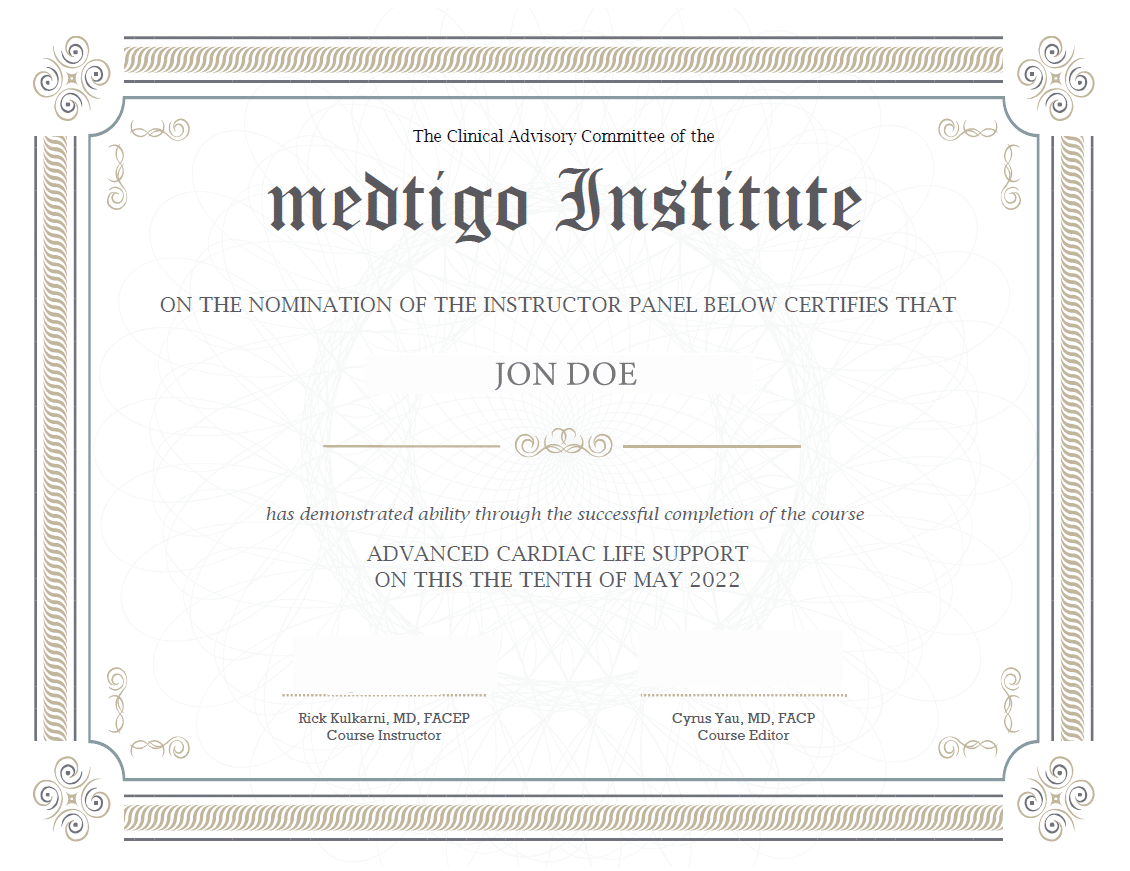
On course completion, you will receive a full-sized presentation quality digital certificate.
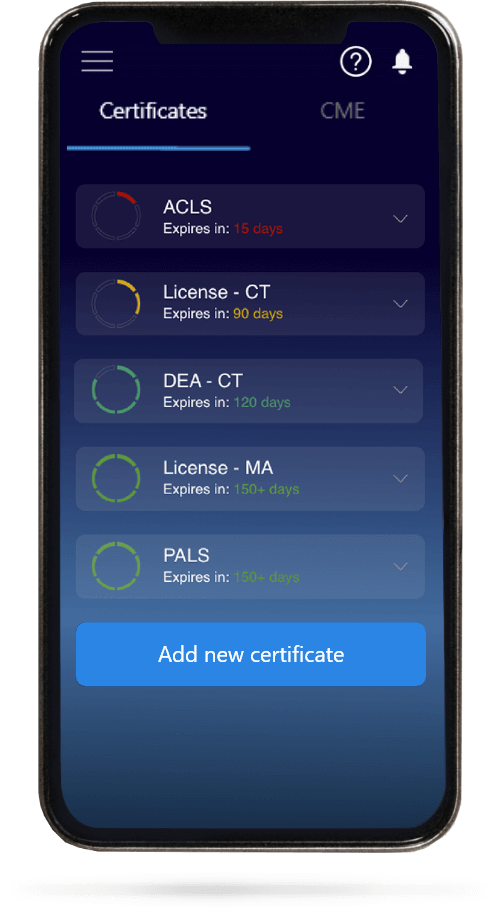
When you have your licenses, certificates and CMEs in one place, it's easier to track your career growth. You can easily share these with hospitals as well, using your medtigo app.