Rising Adoption of Continuous Glucose Monitors in Medicare Advantage: Trends from 2021–2023
April 13, 2026




Brand Name :
Orphengesic Forte
Synonyms :
orphenadrine/aspirin/caffeine
Class :
Analgesics, Other Combos



Brand Name :
Orphengesic Forte
Synonyms :
orphenadrine/aspirin/caffeine
Class :
Analgesics, Other Combos
Dosage Forms & Strengths
orphenadrine/aspirin/caffeine
Tablet
(50/770/60) mg
Indicated for relief from symptoms of mild-moderate pain that occurs due to musculoskeletal disorders in combination with physical therapy, rest, and other measures
0.5-1 tablet orally 3-4 times each day
Dosage Forms & Strengths
Tablet
orphenadrine/aspirin/caffeine
(50/770/60) mg
Indicated for relief from symptoms of mild-moderate pain that occurs due to musculoskeletal disorders in combination with physical therapy, rest, and other measures
0.5-1 tablet orally 3-4 times each day
Safety and efficacy are not seen in children less than 12 years
Refer to the adult dosing
Actions and Spectrum:
Actions:
orphenadrine is a muscle relaxant that blocks the action of acetylcholine, a neurotransmitter involved in muscle contraction. It also has some mild analgesic (pain-relieving) properties.
aspirin is a NSAID, nonsteroidal anti-inflammatory drug that inhibits the production of prostaglandins, substances involved in pain, inflammation, and fever.
caffeine is a central nervous system stimulant that blocks adenosine’s action, a neurotransmitter that promotes sleepiness and relaxation. It can also enhance the effects of certain analgesics.
Spectrum:
orphenadrine is primarily used to relieve musculoskeletal pain and discomfort associated with muscle spasms. It is commonly prescribed for muscle strains, sprains, and musculoskeletal injuries.
aspirin has a wide range of uses. It is generally used to relieve pain, reduce inflammation, lower fever, and inhibit platelet aggregation (blood thinning). aspirin is often prescribed for conditions such as headache, fever, mild-to-moderate pain, arthritis, and certain cardiovascular conditions.
caffeine is primarily used to increase alertness and combat fatigue. Combined with other ingredients, such as orphenadrine and aspirin, it can enhance their analgesic effects and relieve pain, particularly headaches and migraine.
Frequency not defined
Tachycardia
Palpitation
Blurred vision
Dilated pupils
Urinary hesitancy or retention
Dry mouth
Headache
Dizziness
Constipation
Nausea
Vomiting
Drowsiness
Urticaria (rare)
Increased intraocular tension
Weakness
Other dermatosis (rare)
Confusion
Transient episodes of light-headedness
Aplastic anemia
Gastrointestinal hemorrhage
Black Box Warning:
None
Contraindication/Caution:
Contraindications:
Cautions:
Pregnancy consideration:
NSAIDs are not meant for pregnant women.
They may cause defects in the fetus.
Breastfeeding warnings:
The safety of the drug during lactation is unknown.
Pregnancy category:
Category A: well-controlled and satisfactory studies show no risk to the fetus in the first or later trimester.
Category B: there was no evidence of risk to the fetus in animal studies, and there were not enough studies on pregnant women.
Category C: there was evidence of risk of adverse effects in animal reproduction studies, and no adequate evidence in human studies must take care of potential risks in pregnant women.
Category D: adequate data with sufficient evidence of human fetal risk from various platforms, but despite the potential risk, and used only in emergency cases for potential benefits.
Category X: Drugs listed in this category outweigh the risks over benefits. Hence these categories of drugs need to be avoided by pregnant women.
Category N: No data is available for the drug under this category.
Pharmacology:
The pharmacology of orphenadrine/aspirin/caffeine combination medication involves the individual pharmacological actions of its three active ingredients: orphenadrine citrate, aspirin (acetylsalicylic acid), and caffeine.
Combining these three ingredients in the orphenadrine/aspirin/caffeine combination medication provides a multimodal approach to pain relief. orphenadrine acts as a muscle relaxant, aspirin provides anti-inflammatory and analgesic effects, and caffeine enhances the analgesic properties and can help alleviate headache symptoms.
Pharmacodynamics:
orphenadrine causes relaxation of muscles.
aspirin is responsible for reducing prostaglandins, inflammation, and fever, and it irreversibly inhibits platelet aggregation.
caffeine stimulates the nervous system and causes vasoconstriction.
Pharmacokinetics:
Absorption
orphenadrine is well absorbed after oral administration. The peak plasma concentration is usually reached within 2 to 3 hours. aspirin gets rapidly absorbed from the GI tract after oral administration. It is absorbed in the upper region of the small intestine. caffeine gets absorbed from the gastrointestinal tract after oral administration. The peak plasma concentration is usually reached within 30 to 120 minutes.
Distribution
orphenadrine has a moderate volume of distribution and can cross the blood-brain barrier. It binds extensively to plasma proteins.
aspirin is widely distributed throughout the body. It also binds to plasma proteins.
caffeine is widely distributed throughout the body and readily crosses the blood-brain barrier. It is also found in breast milk. caffeine binds to plasma proteins to a moderate extent.
Metabolism
orphenadrine undergoes extensive hepatic metabolism, primarily through the cytochrome P450 enzyme system, specifically CYP2B6 and CYP2D6. The major metabolite, norphenadrine, is pharmacologically active.
aspirin undergoes hydrolysis to salicylic acid in the body. This conversion occurs mainly in the liver through esterases.
caffeine undergoes hepatic metabolism primarily via cytochrome P450 enzymes, including CYP1A2. The primary metabolites are paraxanthine, theobromine, and theophylline.
Elimination and Excretion
orphenadrine and its metabolites are primarily excreted in the urine. The elimination half-life of orphenadrine is approximately 13 to 20 hours.
Salicylic acid, the primary metabolite of aspirin, is primarily eliminated by renal excretion. The elimination half-life of salicylic acid is variable and can range from 2 to 3 hours at low doses to 15 to 30 hours at higher doses.
caffeine and its metabolites are mainly excreted in the urine. The elimination half-life of caffeine can vary among individuals but is generally around 3 to 5 hours.
Administration:
orphenadrine/aspirin/caffeine combination medication is typically administered orally in tablets or capsules. The specific dosage and frequency of administration will depend on the formulation and the individual’s condition. It’s essential to follow the instructions provided by your healthcare professional and the medication’s packaging.
Patient information leaflet
Generic Name: orphenadrine/aspirin/caffeine
Pronounced as: or-FEN-a-dreen, AS-pir-in, KAF-feen
Why do we use orphenadrine/aspirin/caffeine?
orphenadrine/aspirin/caffeine combination medication is used primarily to relieve musculoskeletal pain and discomfort associated with muscle spasms. Combining these three active ingredients provides a multimodal approach to pain relief with additional benefits.
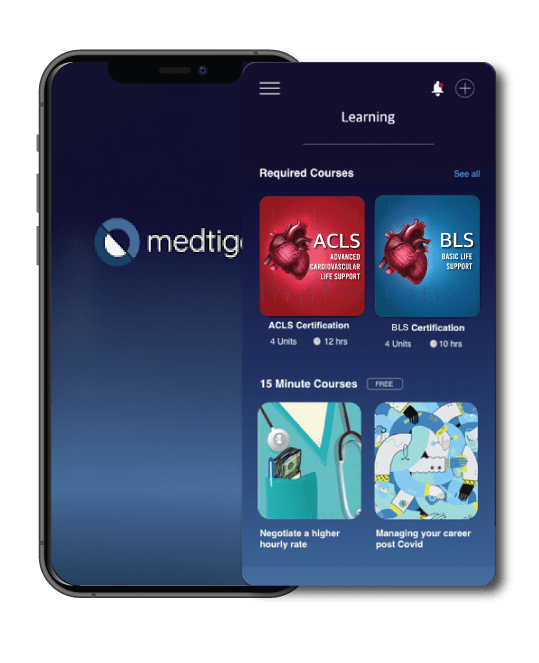
Both our subscription plans include Free CME/CPD AMA PRA Category 1 credits.
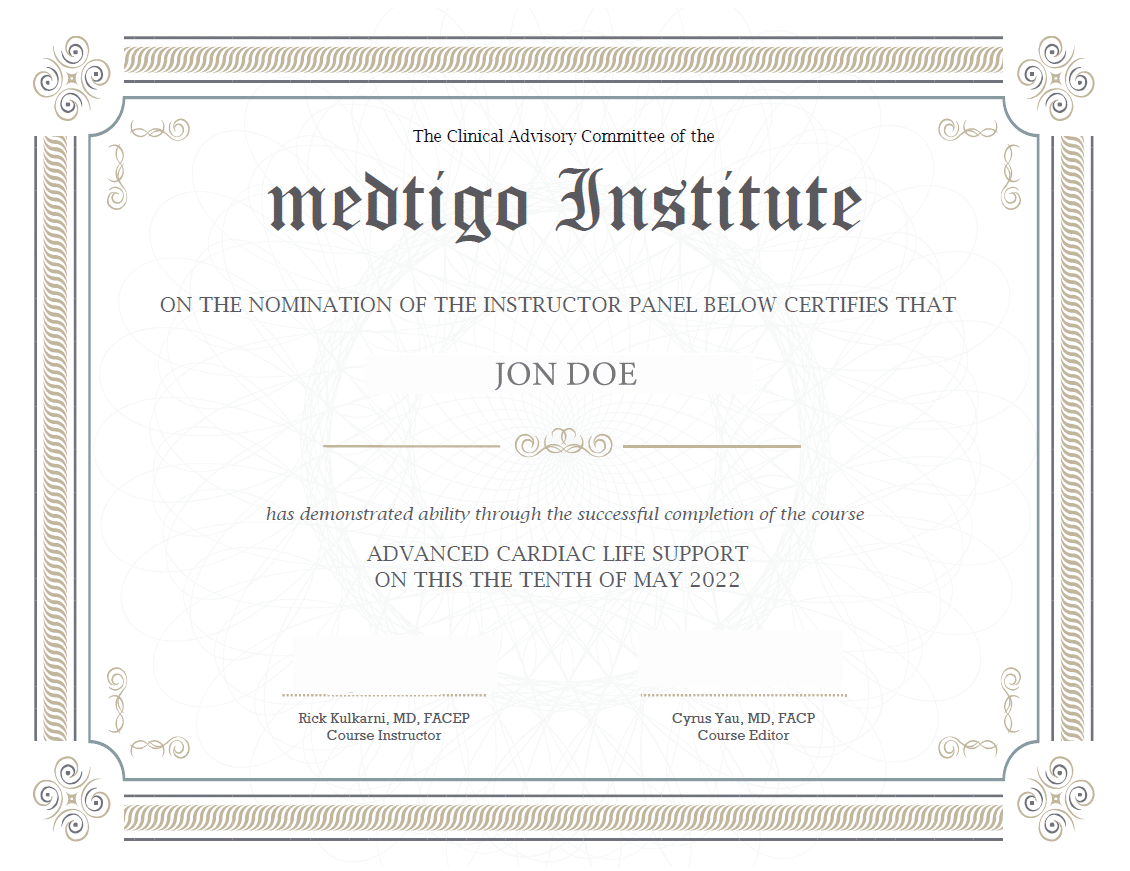
On course completion, you will receive a full-sized presentation quality digital certificate.
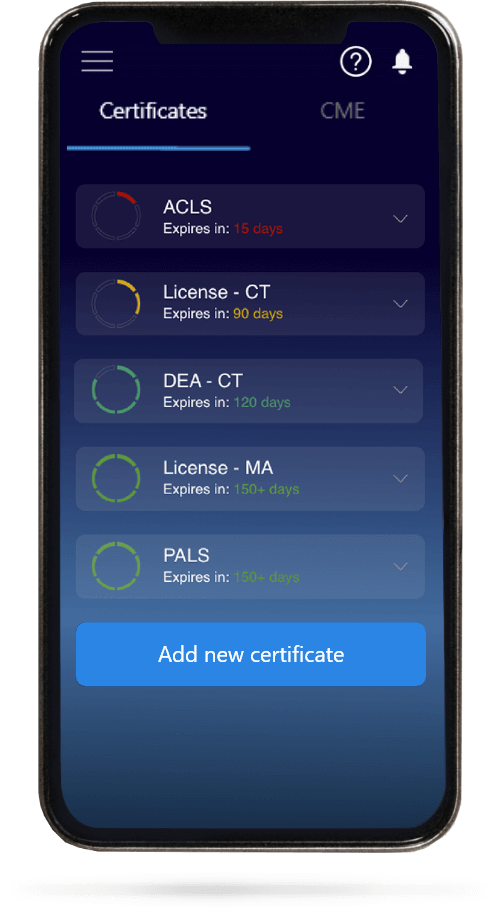
When you have your licenses, certificates and CMEs in one place, it's easier to track your career growth. You can easily share these with hospitals as well, using your medtigo app.