Rising Adoption of Continuous Glucose Monitors in Medicare Advantage: Trends from 2021–2023
April 13, 2026




Brand Name :
CAPSIDOL
Synonyms :
piroxicam topical / capsaicin/menthol/methyl salicylate
Class :
NSAIDS




Brand Name :
CAPSIDOL
Synonyms :
piroxicam topical / capsaicin/menthol/methyl salicylate
Class :
NSAIDS
Dosage forms and strengths
CAPSIDOL topical gel
menthol (2 % w/w)
methyl salicylate (5 % w/w)
capsaicin (0.025 % w/w)
piroxicam (0.5 % w/w)
DOMS (Delayed Onset Muscle Soreness)
Apply a thin layer of gel topically every eight hours or every six hours a day
Apply a thin layer of gel topically every eight hours or every six hours a day
Not indicated
Refer adult dosing
Actions and Spectrum:
Action:
piroxicam (Topical)
piroxicam is a non-steroidal anti-inflammatory drug that exerts anti-inflammatory, analgesic, and antipyretic effects when used topically. It suppresses the actions of COX-1 and COX-2 enzymes, which play a crucial role in synthesizing prostaglandins. As a result, it leads to a decrease in both pain and inflammation.
capsaicin is used topically for its analgesic properties. It works by desensitizing pain receptors in the skin through its interaction with the transient receptor potential vanilloid 1 (TRPV1) channel. This desensitization leads to a reduced perception of pain in the treated area.
menthol
A naturally occurring compound menthol gives the skin a cooling sensation when applied. It works by stimulating cold receptors and producing a cooling effect, which can help relieve pain and reduce the perception of discomfort.
methyl salicylate
methyl salicylate is a compound that belongs to the salicylate class and is commonly found in wintergreen oil. When administered externally, this substance exhibits anti-inflammatory and analgesic characteristics. Its mechanism of action involves enhancing circulation to the affected area, leading to a reduction in inflammation and the provision of localized pain relief.
Spectrum:
piroxicam (Topical)
piroxicam topical formulations are mainly used for the localized treatment of musculoskeletal conditions such as osteoarthritis and rheumatoid arthritis. The spectrum of action is primarily focused on the affected joints and nearby tissues. It has successfully alleviated discomfort and diminished inflammation within these regions.
capsaicin
capsaicin relieves localized pain, especially in neuropathic pain, osteoarthritis, and post-herpetic neuralgia. It has a broad spectrum of action as it can be applied to various body parts where pain is experienced, providing relief through its analgesic effects.
menthol
menthol is commonly used in topical products, such as creams, gels, and ointments, for its analgesic and cooling effects. It is often applied to sore muscles, minor aches, and pains, providing localized relief. menthol’s spectrum of action is primarily on the skin and sensory receptors.
methyl salicylate
methyl salicylate is widely used in topical analgesic products, such as liniments and ointments. It relieves musculoskeletal pain and discomfort, including muscle strains, sprains, and arthritis. The spectrum of action is localized to the area where it is applied, providing pain relief and potentially reducing inflammation in the affected tissues.
Frequency not defined
Rash
Swelling
itching
Black Box Warning:
None
Contraindication/Caution:
Hypersensitivity: Do not use this combination if you have a known hypersensitivity or allergy to these ingredients. Allergic reactions may include rash, itching, swelling, or difficulty breathing.
Skin Conditions: Avoid using these products on broken, irritated, or damaged skin. They may exacerbate existing skin conditions or cause irritation and burning sensations.
Age Restrictions: These products may not be suitable for children or infants, or there may be age-specific restrictions. Always follow the age recommendations specified on the product labels.
Pregnancy and Breastfeeding: Seek advice from a medical expert prior to utilizing these products during pregnancy or while nursing your child, as their safety in these situations may not be well-established.
Pregnancy warnings:
Pregnancy category: N/A
Lactation: Excreted into human milk is unknown
Pregnancy Categories:
Category A: Studies that were well-controlled and met expectations revealed no risk to the fetus in either the first or second trimester.
<b>Category B: There were a lack of studies on pregnant women and no evidence of risk to the fetus in animal experiments.
Category C: there was evidence of risk of adverse effects in animal reproduction studies, and no adequate evidence in human studies must take care of potential risks in pregnant women.
Category D: adequate data with sufficient evidence of human fetal risk from various platforms, but despite the potential risk, and used only in emergency cases for potential benefits.
Category X: Drugs listed in this category outweigh the risks over benefits. Hence these categories of drugs need to be avoided by pregnant women.
Category N: There is no data available for the drug under this category
Pharmacology:
piroxicam is a nonsteroidal anti-inflammatory drug. capsaicin naturally occurs in chili peppers, while menthol is a natural compound in mint plants. methyl salicylate is a salicylic acid derivative commonly found in wintergreen oil and other plants.
Pharmacodynamics:
piroxicam
piroxicam exerts its effects by inhibiting the enzyme cyclooxygenase (COX), leading to a decrease in prostaglandin synthesis. This results in anti-inflammatory, analgesic, and antipyretic effects.
capsaicin
capsaicin binds to the type 1 (TRPV1) receptor, which perceives pain and temperature. When applied topically, it initially causes a sensation of burning or warmth, followed by desensitization of pain receptors. capsaicin is used as a topical analgesic for conditions like neuropathic pain.
menthol
When applied topically, menthol activates cold-sensitive receptors, known as TRPM8 receptors, producing a cooling sensation. It also has mild local anesthetic properties and may temporarily relieve pain or itching. menthol is often used in topical analgesic products.
methyl salicylate
methyl salicylate is used topically for its analgesic and anti-inflammatory effects. It inhibits prostaglandin synthesis, like NSAIDs, and provides a local vasodilation effect.
This application has the potential to enhance blood circulation and alleviate discomfort and inflammation in the specific region it is used.
Pharmacokinetics:
Absorption
Topical piroxicam is formulated for localized effects and is absorbed into the underlying tissues through the skin.
capsaicin is typically used topically in creams, gels, or patches. It is absorbed through the skin and acts locally. It does not undergo significant systemic absorption.
menthol is often used topically in creams, ointments, and gels. It is absorbed through the skin and acts locally. Systemic absorption is generally minimal.
methyl salicylate is also used topically and can be absorbed through the skin. Its absorption can be influenced by factors such as the product’s concentration and the application area.
Distribution
After absorption, piroxicam may be distributed throughout the body but primarily exerts its effects locally in the area where it’s applied topically.
After absorption, capsaicin is distributed throughout the body. It can cross the blood-brain barrier.
menthol primarily stays at the site of application and interacts with cold-sensitive receptors.
methyl salicylate mainly remains at the application site, providing localized pain relief.
Metabolism
piroxicam undergoes hepatic metabolism through various cytochrome P450 enzymes. Metabolites are excreted primarily in the urine.
capsaicin undergoes metabolism primarily in the liver.
menthol is metabolized in the liver through various enzymes.
methyl salicylate is metabolized to salicylic acid in the body, which can further undergo metabolism through hepatic enzymes.
Excretion and Elimination
piroxicam metabolites are excreted in the urine and feces.
capsaicin metabolites are excreted in urine.
menthol metabolites are excreted in urine.
methyl salicylate metabolites are excreted in the urine.
Administration:
The gel is applied topically.
Always follow the specific instructions your healthcare provider provides or the medication label.
When combining these ingredients, it’s crucial to be cautious and follow your healthcare provider’s recommendations.
Patient information leaflet
Generic Name: piroxicam topical/capsaicin/ menthol/methyl salicylate
Why do we use piroxicam topical/capsaicin/ menthol/methyl salicylate?
These ingredients are often combined in topical creams or gels to treat arthritis, osteoarthritis, and other joint-related conditions.
Topical preparations combining these ingredients relieve muscle pain, strains, and sprains. They can help reduce inflammation, relax muscles, and provide analgesic effects.
Athletes often use topical creams or gels to address sports-related injuries like muscle soreness and minor strains.
These ingredients are commonly included in topical treatments for osteoarthritis patients to alleviate joint pain and inflammation.

Both our subscription plans include Free CME/CPD AMA PRA Category 1 credits.
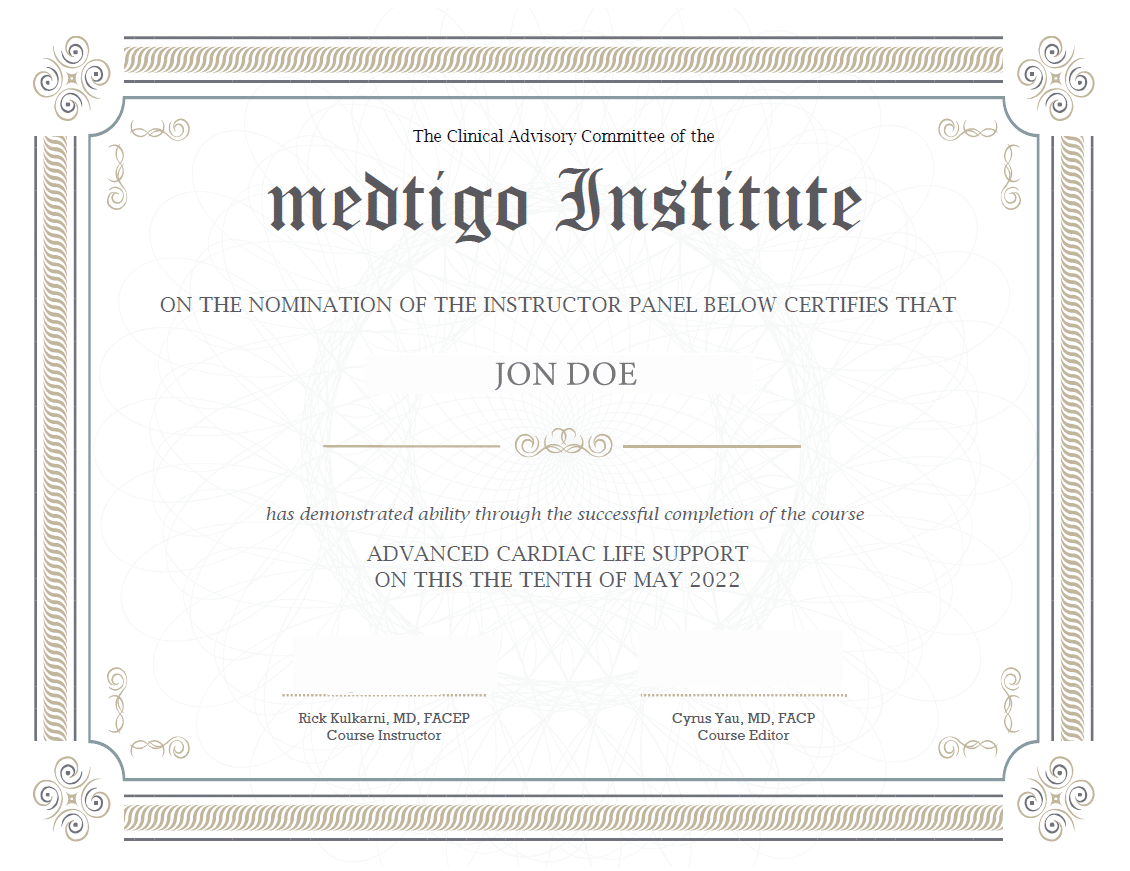
On course completion, you will receive a full-sized presentation quality digital certificate.

When you have your licenses, certificates and CMEs in one place, it's easier to track your career growth. You can easily share these with hospitals as well, using your medtigo app.