Streamlining Healthcare Administration: Inside Mid-Atlantic Medical Billing & Credentialing Services
March 23, 2026




Brand Name :
N/A
Synonyms :
Common Plantain, Tanchagem, Erva-De-Orelha, Grand Plantain, Plantago asiatica, Greater Plantain, Plantago Mayor
Class :
Pulmonary, Herbals




Brand Name :
N/A
Synonyms :
Common Plantain, Tanchagem, Erva-De-Orelha, Grand Plantain, Plantago asiatica, Greater Plantain, Plantago Mayor
Class :
Pulmonary, Herbals
Dosing forms and strengths
Adult
Dosage Forms & Strengths
Capsule
3 g
5 g
Tincture
150 mL
Common Cold
Traditionally, the leaves have been brewed into a tea to relieve cough and cold symptoms; three to six cups should be drank daily
Usually taken as capsules, tablets, pills, or dragee, the herb is taken three to five grammes of powdered herb or 150 millilitres of infusion three to four times a day as a suggested daily dosage
Dose Modifications
Limited data is available
Pediatric
Dosage Forms & Strengths
Capsule
3 g
5 g
Tincture
150 mL
Common Cold
Traditionally, the leaves have been brewed into a tea to relieve cough and cold symptoms; three to six cups should be drank daily
Usually taken as capsules, tablets, pills, or dragee, the herb is taken three to five grammes of powdered herb or 150 millilitres of infusion three to four times a day as a suggested daily dosage
Geriatric
Refer to the adult dosing
Actions and Spectrum:
Actions:
Great plantain has compounds that can reduce inflammation and pain, suppress mucous production, and open airways. It also shows potential to fight fungal and bacterial infections.
Spectrum:
Plantain has psyllium for GI therapy, potential anticancer effects, hyperlipidemia management, and respiratory treatments. Studies show it’s effective for bronchitis, cough, asthma, and cold. Psyllium is a bulk laxative, possibly aiding hyperlipidemias.
Frequency not defined
Hypotension
Diarrhea
Allergic skin reactions
Black Box Warning:
Be cautious with great plantain during pregnancy as it may harm the uterus and raise miscarriage risk.
Contraindication/Caution:
Contraindications
Hypersensitivity
Melon and plantain allergy
Pregnancy
Cautions
Renal impairment
Hepatic impairment
Drug interactions (lithium, carbamazepine, etc.,)
Pregnancy
Breastfeeding
Pregnancy consideration:
No data is available regarding the administration of the drug during pregnancy.
Breastfeeding warnings:
No data is available regarding the excretion of drug in breast milk.
Pregnancy category:
Category A: well-controlled and satisfactory studies show no risk to the fetus in the first or later trimester.
<b>Category B: There was no evidence of risk to the fetus in animal studies, and there were not enough studies on pregnant women.
Category C: There was evidence of risk of adverse effects in animal reproduction studies, and no adequate evidence in human studies must take care of potential risks in pregnant women.
Category D: Adequate data with sufficient evidence of human fetal risk from various platforms, but despite the potential risk, and used only in emergency cases for potential benefits.
Category X: Drugs listed in this category outweigh the risks over benefits. Hence these categories of drugs need to be avoided by pregnant women.
Category N: No data is available for the drug under this category.
Pharmacology:
Plantain, or plantago major, boosts immunity, protects the liver, fights inflammation, aids respiratory issues, acts as a diuretic, improves cardiovascular health, and benefits the skin.
Pharmacodynamics:
Great plantain has compounds that can reduce inflammation and pain, suppress mucous production, and open airways. It also shows potential to fight fungal and bacterial infections.
Pharmacokinetics:
Limited data is available
Administration:
It is administered orally. Usually taken as powder, infusion, or teas.
Patient information leaflet
Generic Name: plantain
Pronounced: plan-tin
Why do we use plantain?
In herbal medicine, plantain leaves are used for their medicinal properties, such as treating skin irritations and respiratory issues.
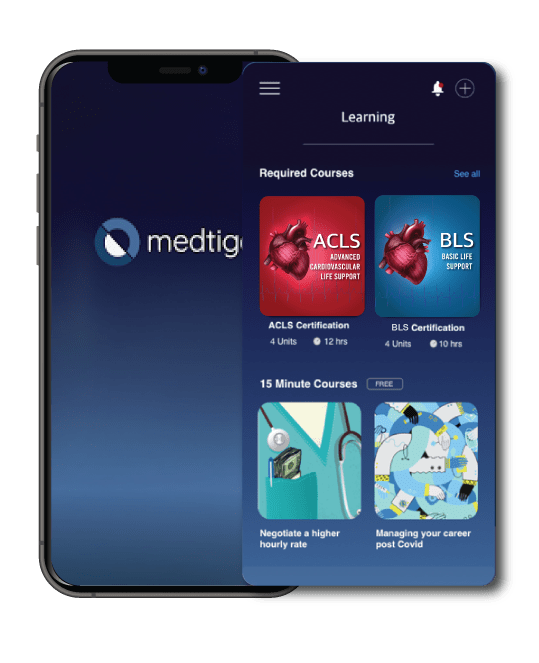
Both our subscription plans include Free CME/CPD AMA PRA Category 1 credits.
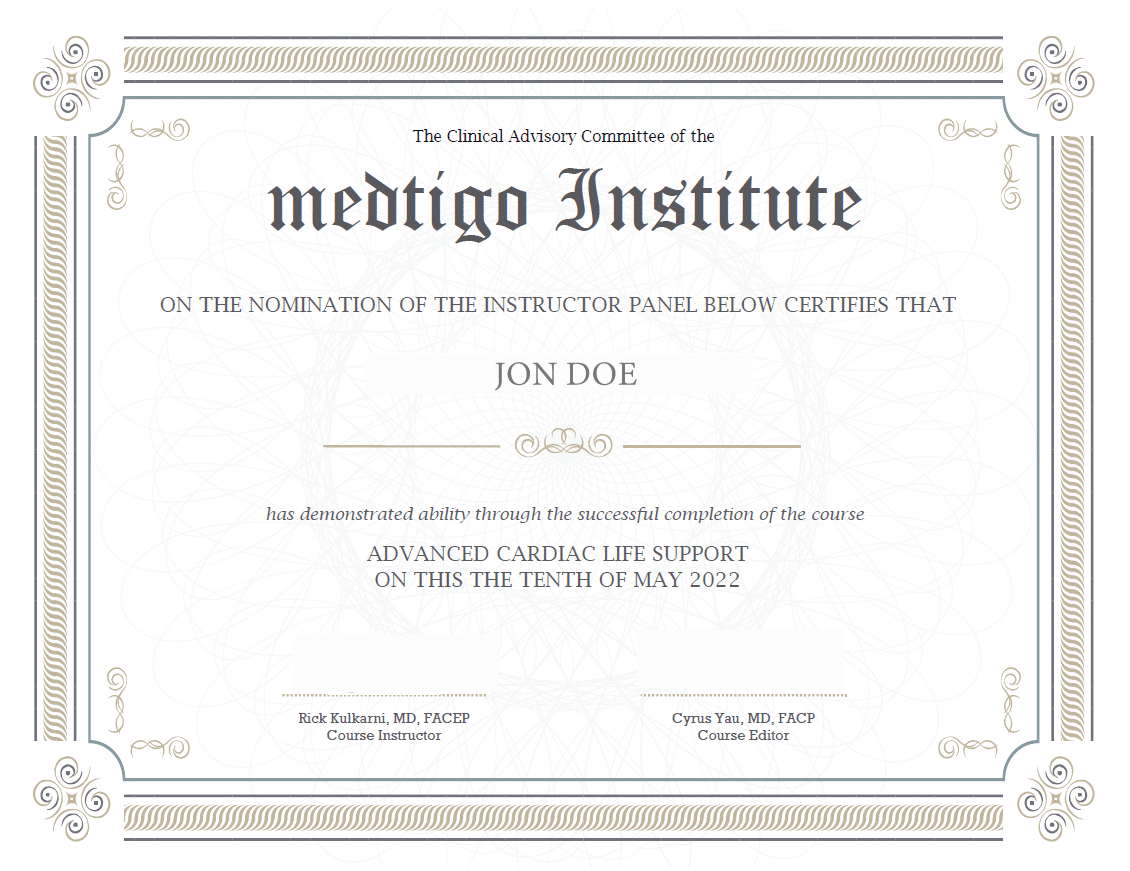
On course completion, you will receive a full-sized presentation quality digital certificate.

When you have your licenses, certificates and CMEs in one place, it's easier to track your career growth. You can easily share these with hospitals as well, using your medtigo app.