The Scaling Gap: What’s Holding Back Digital Behavioral Health
April 20, 2026




Brand Name :
vitamin B6 (Antidote)
Synonyms :
pyridoxine (Antidote)
Class :
Antidote


Brand Name :
vitamin B6 (Antidote)
Synonyms :
pyridoxine (Antidote)
Class :
Antidote
Dosing forms and strengths
Injectable solution
100mg/mL
Tablets
500mg
250mg
200mg
100mg
50mg
25mg
Tablets, sustained release
500mg
Dosing forms and strengths
injectable solution
100mg/mL
Tablets
500mg
250mg
200mg
100mg
50mg
25 mg
Tablets, sustained release
500mg
Refer adult Dosing
Actions and Spectrum:
pyridoxine acts as an antidote in treating drug-induced peripheral neuropathy and drug-induced seizures. It is also used as a co-factor in synthesizing neurotransmitters such as serotonin and dopamine and in the metabolism of homocysteine.
pyridoxine exhibits a broad spectrum of activity, including its involvement in more than 100 enzyme reactions in the human body. This vitamin is essential for the properly functioning of the immune, nervous, and cardiovascular systems.
pyridoxine metabolizes carbohydrates, fats, and proteins, making it essential for proper growth and development. pyridoxine also helps in the formation of hemoglobin and the regulation of gene expression.
Frequency not defined
Neuropathy
Delayed peripheral neurotoxicity long term
Paresthesia
Incoordination
Seizures
Death in large doses
Headache
Ataxia
Somnolence
Increased AST
Black Box Warning:
Black box warning has been issued for pyridoxine, cautioning healthcare providers to use the drug with caution and to closely monitor patients for signs of toxicity. High doses of pyridoxine should be avoided, especially in patients with renal impairment, as this can increase the risk of toxicity.
Patients who are taking pyridoxine should be advised to report any symptoms of neuropathy, such as numbness, tingling, or burning sensations in the hands or feet, to their healthcare provider immediately. If symptoms of neuropathy are observed, treatment with pyridoxine should be discontinued.
Contraindication/Caution:
Patients who are allergic or have a known hypersensitivity to pyridoxine or any of its components should not use the drug. In addition, pyridoxine should not be used in patients with hypophosphatasia, as it can worsen bone disease.
pyridoxine is also contraindicated in patients with certain medical conditions such as megaloblastic anemia, unless the anemia is due to a vitamin B6 deficiency. Pyridoxine may interfere with the diagnosis of megaloblastic anemia and can worsen symptoms of the condition.
Furthermore, the use of pyridoxine should be avoided in patients with a history of sensory neuropathy or other neurological disorders, as it can exacerbate these conditions.
It is essential for healthcare providers to carefully evaluate patients for these contraindications before prescribing pyridoxine.
An alternative treatment should be considered if any of these contraindications are present.
Pregnancy warnings:
Pregnancy category: N/A
Lactation: Excreted into human milk is unknown
Pregnancy Categories:
Category A: Studies that were well-controlled and met expectations revealed no risk to the fetus in either the first or second trimester.
Category B: There were a lack of studies on pregnant women and no evidence of risk to the fetus in animal experiments.
Category C: there was evidence of risk of adverse effects in animal reproduction studies, and no adequate evidence in human studies must take care of potential risks in pregnant women.
Category D: adequate data with sufficient evidence of human fetal risk from various platforms, but despite the potential risk, and used only in emergency cases for potential benefits.
Category X: Drugs listed in this category outweigh the risks over benefits. Hence these categories of drugs need to be avoided by pregnant women.
Category N: There is no data available for the drug under this category
Pharmacology: Vitamin B6, also known as pyridoxine, is an essential water-soluble vitamin that performs various critical functions in the human body’s physiological processes. pyridoxine acts as a coenzyme in various enzymatic reactions that are involved in the metabolism of carbohydrates, amino acids, and lipids.
Pharmacodynamics: pyridoxine acts as a crucial coenzyme for numerous physiological processes, including amino acid metabolism, neurotransmitter synthesis, heme synthesis, immune function, and gene expression. As an antidote, pyridoxine is able to counteract the toxic effects of certain medications by supplying additional cofactor to overcome enzyme inhibition.
MOA: The mechanism of action of pyridoxine in its role as an antidote is through its conversion to pyridoxal-5-phosphate (PLP), the active form of vitamin B6, which acts as a co-factor for the enzyme glutamic acid decarboxylase (GAD). The enzyme GAD facilitates the transformation of glutamate into gamma-aminobutyric acid (GABA), the principal inhibitory neurotransmitter in the central nervous system.GABA plays a critical role in regulating neuronal excitability and preventing seizures, and the activation of GAD by PLP is essential for the synthesis of GABA.
Pharmacokinetics:
Absorption
pyridoxine is absorbed rapidly and efficiently from the gastrointestinal tract. Most of the pyridoxine taken orally is absorbed in the jejunum and ileum through both active transport mechanisms and passive diffusion.
Distribution
Once absorbed, pyridoxine is transported to the liver, where it is metabolized into its active form, pyridoxal 5′-phosphate (PLP), which is the coenzyme form of vitamin B6. PLP is then distributed to the body’s tissues, where it is utilized in various metabolic reactions.
Metabolism
pyridoxine is metabolized primarily in the liver, where it is phosphorylated by pyridoxal kinase to form PLP. Pyridoxal 5′-phosphate (PLP), the biologically active form of vitamin B6, participates in more than 100 enzymatic reactions in the body.
Excretion and Elimination
pyridoxine is eliminated primarily via urine, with a small amount excreted in feces. The half-life of pyridoxine is approximately 15-20 days in adults, and it is eliminated unchanged by the kidneys.
Administration:
The recommended dose and route of administration of pyridoxine as an antidote may vary depending on the individual patient’s age, weight, medical history, and the severity of the overdose or toxicity.
It is important to follow the specific instructions provided by the healthcare professional and to use only the prescribed dose of pyridoxine.
In general, pyridoxine is administered intravenously or intramuscularly. Intravenous administration is preferred in cases of severe overdose or toxicity, as it allows for rapid absorption and onset of action. In some cases, oral pyridoxine may also be used as an antidote, particularly in cases of mild to moderate toxicity.
Additionally, patients who have received pyridoxine as an antidote should be closely monitored for any adverse effects and should receive appropriate follow-up care.
Patient information leaflet
Generic Name: pyridoxine (Antidote)
Why do we use pyridoxine (Antidote)?
Vitamin B6, or pyridoxine, is administered as an antidote to manage drug-induced peripheral neuropathy resulting from medications like isoniazid, hydrazine derivatives, and pyrazinamide, which are typically used for the treatment of tuberculosis. Drug-induced peripheral neuropathy is a serious adverse effect that can occur with long-term use of these medications.
It is characterized by tingling, numbness, and pain in the hands and feet, which can progress to muscle weakness and atrophy if left untreated. Pyridoxine is used as an antidote because it helps to prevent and reverse the neurotoxic effects of these medications.
It works by promoting the conversion of the toxic metabolites of these drugs into non-toxic forms that can be easily eliminated from the body. The use of pyridoxine as an antidote has been shown to be effective in preventing and reversing drug-induced peripheral neuropathy.

Both our subscription plans include Free CME/CPD AMA PRA Category 1 credits.

On course completion, you will receive a full-sized presentation quality digital certificate.
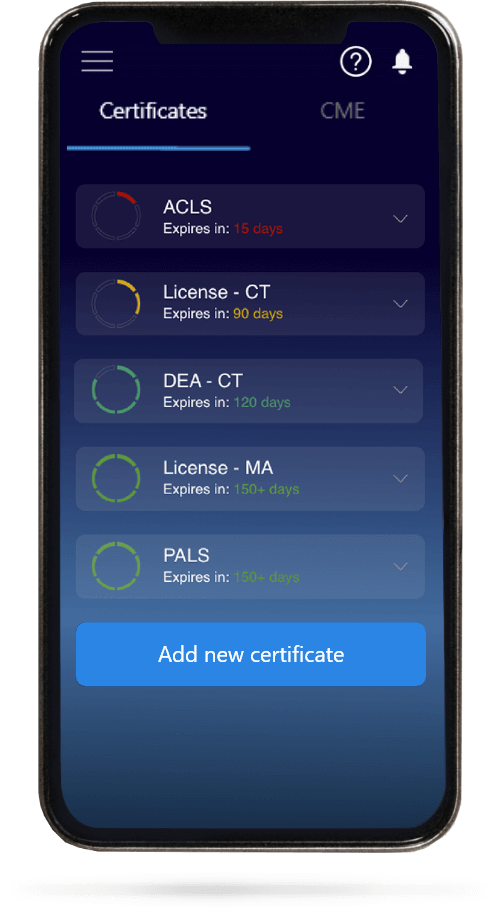
When you have your licenses, certificates and CMEs in one place, it's easier to track your career growth. You can easily share these with hospitals as well, using your medtigo app.