Hidden Risks of Exosome Injections in Pain Management
April 8, 2026




Brand Name :
N/A
Synonyms :
relatlimab
Class :
LAG-3 Inhibitors



Brand Name :
N/A
Synonyms :
relatlimab
Class :
LAG-3 Inhibitors
N/A (Pending for approval)
N/A (Pending for approval)
N/A (Pending for approval)
it may enhance the adverse effects when combined with aducanumab
Actions and spectrum:
relatlimab is a monoclonal antibody that targets the protein LAG-3 (lymphocyte activation gene 3). It acts as an immune checkpoint inhibitor, blocking the interaction between LAG-3 and its ligands. By doing so, it enhances the activation and function of T cells, leading to enhanced anti-tumor immune responses.
The spectrum of relatlimab’s action is primarily focused on cancer immunotherapy. It is being investigated for the use in treatment of various types of cancers like melanoma, lung cancer, and other solid tumors. It is used in combination with immune checkpoint inhibitors or targeted therapies to improve the efficacy of cancer treatment and enhance the anti-tumor immune response.
none
Black Box Warning:
there are no black box warnings specifically associated with relatlimab
Contraindication/Caution:
Contraindication:
Caution:
Comorbidities:
There are no specific comorbidities associated with relatlimab
Pregnancy consideration: N/A
Lactation: N/A
Pregnancy category:
Pharmacology:
relatlimab is a monoclonal antibody that targets and binds to the protein called LAG-3 (lymphocyte activation gene-3). LAG-3 is expressed on the surface of certain immune cells, including T cells, and plays a role in regulating immune responses. By binding to LAG-3, relatlimab blocks its interaction with MHC class II molecules on the antigen-presenting cells, which helps to enhance the activity of T cells and promote an anti-tumor immune response.
The pharmacology of relatlimab involves its ability to modulate the immune system and promote T cell-mediated immune responses against cancer cells. It can potentially enhance the immune recognition and elimination of tumor cells. relatlimab is being investigated for its therapeutic potential in various cancers, including melanoma, and is typically used in combination with other anti-cancer therapies.
Pharmacodynamics:
The pharmacodynamics of relatlimab involves its interaction with the immune system, specifically targeting the LAG-3 protein. By binding to LAG-3, relatlimab blocks its interaction with MHC class II molecules of antigen-presenting cells. This blockade helps to prevent the inhibition of T cell activity and promotes an enhanced anti-tumor immune response.
The binding of relatlimab to LAG-3 on T cells may lead to several pharmacodynamic effects, including increased T cell activation, proliferation, and cytokine production. These effects can contribute to the recognition & elimination of tumor cells by the immune system.
Pharmacokinetics:
Absorption
relatlimab is administered intravenously, which allows for rapid and complete absorption into the systemic circulation.
Distribution
After absorption, relatlimab is distributed throughout the body via the bloodstream. It may distribute into various tissues and organs, including tumor sites, where it exerts its therapeutic effects.
Metabolism
relatlimab is a monoclonal antibody, and as such, it is primarily metabolized by enzymatic degradation in cells and tissues of the body. Specific details about the metabolism of relatlimab are not readily available.
Elimination and excretion
The elimination of relatlimab from the body occurs through several routes. It can be excreted unchanged or undergo metabolic breakdown to smaller peptides and amino acids, which are eliminated via urine or feces. The exact excretion pathways and elimination half-life of relatlimab are still being investigated.
Administration:
relatlimab is administered intravenously (IV) by a healthcare professional. The medication is typically given as an infusion over a specific time period, can range from several minutes to hours. The exact dosage, infusion rate, and treatment schedule will depend on the specific indication and individual patient factors.
Before starting relatlimab treatment, premedication with corticosteroids, antipyretics, and antihistamines may be given to help manage potential infusion-related reactions. The healthcare provider will closely monitor the patient during and after the infusion for any adverse reactions.
Patient information leaflet
Generic Name: relatlimab
Pronounced: (reh-LAT-li-mab)
Why do we use relatlimab?
relatlimab is a monoclonal antibody used for the treatment of certain types of cancer. It is used to treat metastatic or unresectable melanoma. relatlimab is used in combination with nivolumab, another immune checkpoint inhibitor, for this indication.
The combination of relatlimab and nivolumab works by targeting and blocking the PD-1 (programmed cell death protein 1) pathway, which helps the immune system recognize and attack cancer cells.

Both our subscription plans include Free CME/CPD AMA PRA Category 1 credits.

On course completion, you will receive a full-sized presentation quality digital certificate.
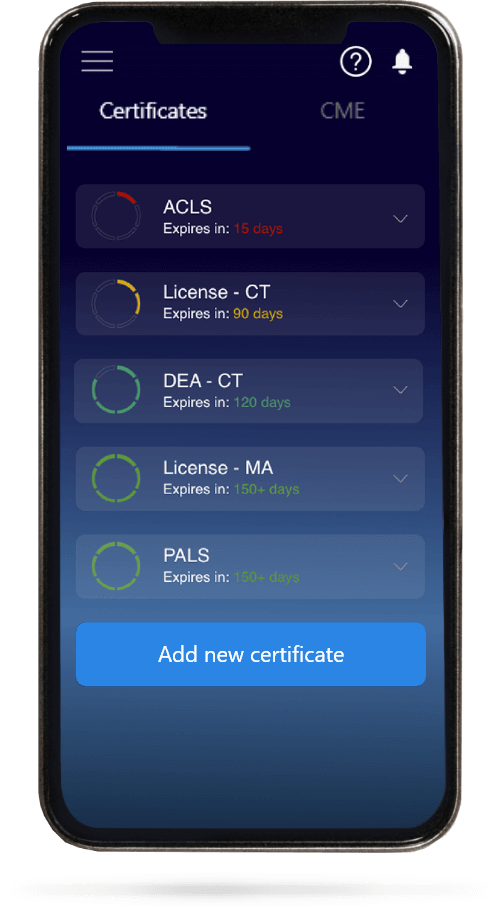
When you have your licenses, certificates and CMEs in one place, it's easier to track your career growth. You can easily share these with hospitals as well, using your medtigo app.