taurolidine, citrate, and heparin are used in medical settings as anticoagulants or antimicrobial agents. The mechanism of action and spectrum of activity for each of these substances are as follows:
taurolidine: taurolidine is a broad-spectrum antimicrobial agent that has been used to treat various infections. Its mechanism of action is not entirely understood, but it is believed to disrupt bacterial cell walls and membranes, interfere with bacterial metabolism, and induce bacterial cell death. taurolidine is effective against many microorganisms, including Gram-positive and Gram-negative bacteria, fungi, and some viruses.
citrate: citrate is an anticoagulant that works by chelating calcium ions in the blood, thereby preventing the formation of blood clots. It is commonly used in blood transfusions and dialysis procedures to prevent clotting. citrate has a narrow spectrum of activity and is not effective against microorganisms.
heparin: heparin is a potent anticoagulant that works by binding to and activating antithrombin III, a natural inhibitor of clotting factors in the blood. This, in turn, prevents the formation of blood clots. heparin has a narrow spectrum of activity and is not effective against microorganisms.
DRUG INTERACTION
taurolidine/citrate/heparin
&
taurolidine/citrate/heparin +
No drug interaction found for taurolidine/citrate/heparin and .
Dosage Forms & Strengths
Catheter lock solution, Injection
(1.35%/3.5%/1000 units) per mL taurolidine/citrate/heparin
Indicated for Catheter-related Bloodstream Infections:
In the process of obtaining FDA clearance for the avoidance of catheter-related bloodstream infections (CRBSIs) in individuals with end-stage renal disease (ESRD) undergoing hemodialysis via a central venous catheter
Pending FDA approval
Pending FDA approval
Frequency defined
Pending FDA approval
Contraindications/caution:
Contraindications:
taurolidine:
Known hypersensitivity or allergy to taurolidine
Use in infants, as safety and efficacy have not been established
citrate:
Known hypersensitivity or allergy to citrate
Use in patients with impaired liver function, as citrate is metabolized in the liver and may accumulate and cause toxicity
Use in patients with hypocalcemia, as citrate chelates calcium ions and may exacerbate the condition
heparin:
Known hypersensitivity or allergy to heparin
Active bleeding or hemorrhage
Use in patients with thrombocytopenia or other bleeding disorders, as heparin may increase the risk of bleeding.
Use in patients with severe hypertension, as heparin may exacerbate the condition.
Caution:
taurolidine:
Use with caution in patients with impaired liver or kidney function, as taurolidine is excreted in the urine and may accumulate and cause toxicity
Use with caution in pregnant or breastfeeding women, as safety and efficacy have not been established
citrate:
Use with caution in patients with electrolyte imbalances, as citrate may affect the levels of calcium, magnesium, and potassium in the blood
Use with caution in patients with heart failure, as citrate may exacerbate the condition by decreasing cardiac contractility
heparin:
Use with caution in patients with a history of heparin-induced thrombocytopenia (HIT), as the use of heparin may cause a recurrence of the condition
Use caution in patients with severe liver or kidney dysfunction, as heparin is metabolized in the liver and excreted in the kidneys and may accumulate and cause toxicity.
Use caution in elderly patients or those with a history of falls, as heparin may increase the risk of bleeding and bruising.
Pregnancy consideration: Safety and efficacy have not been established
Lactation: Safety and efficacy have not been established
Pregnancy category:
Category A: well-controlled and Satisfactory studies show no risk to the fetus in the first or later trimester.
Category B: there was no evidence of risk to the fetus in animal studies, and there were not enough studies on pregnant women.
Category C: there was evidence of risk of adverse effects in animal reproduction studies, and no adequate evidence in human studies must take care of potential risks in pregnant women.
Category D: adequate data with sufficient evidence of human fetal risk from various platforms, but despite the potential risk, and used only in emergency cases for potential benefits.
Category X: Drugs listed in this category outweigh the risks over benefits. Hence these categories of drugs need to be avoided by pregnant women.
Category N: There is no data available for the drug under this category
Pharmacology:
taurolidine:
taurolidine is a derivative of the amino acid taurine, and is converted in the body to taurultam, a highly reactive compound with antimicrobial properties.
taurolidine has broad-spectrum antimicrobial activity and is believed to work by disrupting bacterial cell walls and membranes, interfering with bacterial metabolism, and inducing bacterial cell death.
taurolidine is administered intravenously or intraperitoneally and is rapidly cleared from the body by the kidneys.
citrate:
citrate is a chelating agent that binds to calcium ions in the blood, thereby preventing blood clotting.
citrate is commonly used as an anticoagulant in blood transfusions and dialysis procedures.
citrate is metabolized in the liver, and excess citrate is excreted in the urine.
heparin:
heparin is a naturally occurring anticoagulant that works by binding to and activating antithrombin III, a natural inhibitor of blood clotting factors.
heparin prevents the formation of blood clots and is commonly used to prevent and treat thromboembolic disorders.
heparin is administered intravenously or subcutaneously and has a relatively short half-life, and it is metabolized in the liver and excreted in the urine.
Pharmacodynamics:
taurolidine:
taurolidine has a broad-spectrum antimicrobial activity against both gram-positive and gram-negative bacteria, as well as some fungi and viruses.
taurolidine is effective against multidrug-resistant bacteria, such as methicillin-resistant Staphylococcus aureus (MRSA).
taurolidine has also been shown to have anti-inflammatory and antitumor properties.
citrate:
citrate works as an anticoagulant by binding to calcium ions in the blood, which inhibits the clotting cascade.
citrate is commonly used as an anticoagulant in blood transfusions and during dialysis procedures to prevent clotting in the tubing and filters.
citrate may also have a role in treating metabolic acidosis, as it acts as a buffer and helps normalize the blood’s pH levels.
heparin:
heparin works as an anticoagulant by binding to and activating antithrombin III, which inhibits the clotting cascade.
heparin is commonly used to prevent and treat thromboembolic disorders, such as deep vein thrombosis, pulmonary embolism, and stroke.
heparin may also have anti-inflammatory properties and may be used to treat certain inflammatory conditions, such as sepsis.
Pharmacokinetics:
Absorption
taurolidine is administered intravenously or intraperitoneally and is rapidly and completely absorbed. citrate is administered intravenously or orally. It is wholly and rapidly absorbed. heparin is administered intravenously or subcutaneously and is rapidly and completely absorbed.
Distribution
taurolidine is distributed widely throughout the body, including tissues and organs. citrate is distributed throughout the body and is metabolized in the liver. heparin is distributed throughout the body and binds to plasma proteins.
Metabolism
taurolidine is rapidly metabolized in the body to taurultam, metabolized to taurine, and excreted in the urine. citrate is metabolized in the liver to bicarbonate excreted in the urine. heparin is metabolized in the liver and the reticuloendothelial system.
Elimination and Excretion
taurolidine and its metabolites are primarily excreted in the urine, with a half-life of approximately 4-6 hours. citrate is primarily excreted in the urine, with a half-life of approximately 3 hours. heparin and its metabolites are primarily excreted in the urine, with a half-life of approximately 1-2 hours.
Administration:
The administration of taurolidine, citrate, and heparin is as follows:
taurolidine:
taurolidine is administered intravenously or intraperitoneally.
The dose and duration of treatment depend on the specific indication and the patient’s characteristics.
taurolidine may be administered as a continuous infusion or as intermittent boluses.
citrate:
citrate is administered intravenously or orally.
The dose and duration of treatment depend on the specific indication and the patient’s characteristics.
citrate is often administered as a solution, which may be mixed with other medications or fluids.
heparin:
heparin is administered intravenously or subcutaneously.
The dose and duration of treatment depend on the specific indication and the patient’s characteristics.
heparin is often administered as a solution or an injection and may be given as a bolus or a continuous infusion.
Patient information leaflet
Generic Name: taurolidine/citrate/heparin
Why do we usetaurolidine/citrate/heparin?
The uses of taurolidine, citrate, and heparin are as follows:
taurolidine:
taurolidine is primarily used as an antimicrobial agent to prevent or treat infections, particularly in patients with catheter-related bloodstream infections or peritoneal dialysis-associated peritonitis.
taurolidine has also been investigated for its potential use in treating certain types of cancer, such as malignant mesothelioma.
citrate:
citrate is primarily used as an anticoagulant to prevent blood clotting, particularly during transfusions and dialysis procedures.
citrate may also be used to treat metabolic acidosis to help normalize pH levels in the blood.
heparin:
heparin is primarily used as an anticoagulant to prevent and treat thromboembolic disorders, such as deep vein thrombosis, pulmonary embolism, and stroke.
heparin may also treat certain inflammatory conditions, such as sepsis
Indicated for Catheter-related Bloodstream Infections:
In the process of obtaining FDA clearance for the avoidance of catheter-related bloodstream infections (CRBSIs) in individuals with end-stage renal disease (ESRD) undergoing hemodialysis via a central venous catheter
Pending FDA approval
Pending FDA approval
DRUG INTERACTION
taurolidine/citrate/heparin
&
taurolidine/citrate/heparin +
No Drug Intearction Found. for taurolidine/citrate/heparin and .
Actions and Spectrum:
taurolidine, citrate, and heparin are used in medical settings as anticoagulants or antimicrobial agents. The mechanism of action and spectrum of activity for each of these substances are as follows:
taurolidine: taurolidine is a broad-spectrum antimicrobial agent that has been used to treat various infections. Its mechanism of action is not entirely understood, but it is believed to disrupt bacterial cell walls and membranes, interfere with bacterial metabolism, and induce bacterial cell death. taurolidine is effective against many microorganisms, including Gram-positive and Gram-negative bacteria, fungi, and some viruses.
citrate: citrate is an anticoagulant that works by chelating calcium ions in the blood, thereby preventing the formation of blood clots. It is commonly used in blood transfusions and dialysis procedures to prevent clotting. citrate has a narrow spectrum of activity and is not effective against microorganisms.
heparin: heparin is a potent anticoagulant that works by binding to and activating antithrombin III, a natural inhibitor of clotting factors in the blood. This, in turn, prevents the formation of blood clots. heparin has a narrow spectrum of activity and is not effective against microorganisms.
Frequency defined
Pending FDA approval
Contraindications/caution:
Contraindications:
taurolidine:
Known hypersensitivity or allergy to taurolidine
Use in infants, as safety and efficacy have not been established
citrate:
Known hypersensitivity or allergy to citrate
Use in patients with impaired liver function, as citrate is metabolized in the liver and may accumulate and cause toxicity
Use in patients with hypocalcemia, as citrate chelates calcium ions and may exacerbate the condition
heparin:
Known hypersensitivity or allergy to heparin
Active bleeding or hemorrhage
Use in patients with thrombocytopenia or other bleeding disorders, as heparin may increase the risk of bleeding.
Use in patients with severe hypertension, as heparin may exacerbate the condition.
Caution:
taurolidine:
Use with caution in patients with impaired liver or kidney function, as taurolidine is excreted in the urine and may accumulate and cause toxicity
Use with caution in pregnant or breastfeeding women, as safety and efficacy have not been established
citrate:
Use with caution in patients with electrolyte imbalances, as citrate may affect the levels of calcium, magnesium, and potassium in the blood
Use with caution in patients with heart failure, as citrate may exacerbate the condition by decreasing cardiac contractility
heparin:
Use with caution in patients with a history of heparin-induced thrombocytopenia (HIT), as the use of heparin may cause a recurrence of the condition
Use caution in patients with severe liver or kidney dysfunction, as heparin is metabolized in the liver and excreted in the kidneys and may accumulate and cause toxicity.
Use caution in elderly patients or those with a history of falls, as heparin may increase the risk of bleeding and bruising.
Pregnancy consideration: Safety and efficacy have not been established
Lactation: Safety and efficacy have not been established
Pregnancy category:
Category A: well-controlled and Satisfactory studies show no risk to the fetus in the first or later trimester.
Category B: there was no evidence of risk to the fetus in animal studies, and there were not enough studies on pregnant women.
Category C: there was evidence of risk of adverse effects in animal reproduction studies, and no adequate evidence in human studies must take care of potential risks in pregnant women.
Category D: adequate data with sufficient evidence of human fetal risk from various platforms, but despite the potential risk, and used only in emergency cases for potential benefits.
Category X: Drugs listed in this category outweigh the risks over benefits. Hence these categories of drugs need to be avoided by pregnant women.
Category N: There is no data available for the drug under this category
Pharmacology:
taurolidine:
taurolidine is a derivative of the amino acid taurine, and is converted in the body to taurultam, a highly reactive compound with antimicrobial properties.
taurolidine has broad-spectrum antimicrobial activity and is believed to work by disrupting bacterial cell walls and membranes, interfering with bacterial metabolism, and inducing bacterial cell death.
taurolidine is administered intravenously or intraperitoneally and is rapidly cleared from the body by the kidneys.
citrate:
citrate is a chelating agent that binds to calcium ions in the blood, thereby preventing blood clotting.
citrate is commonly used as an anticoagulant in blood transfusions and dialysis procedures.
citrate is metabolized in the liver, and excess citrate is excreted in the urine.
heparin:
heparin is a naturally occurring anticoagulant that works by binding to and activating antithrombin III, a natural inhibitor of blood clotting factors.
heparin prevents the formation of blood clots and is commonly used to prevent and treat thromboembolic disorders.
heparin is administered intravenously or subcutaneously and has a relatively short half-life, and it is metabolized in the liver and excreted in the urine.
Pharmacodynamics:
taurolidine:
taurolidine has a broad-spectrum antimicrobial activity against both gram-positive and gram-negative bacteria, as well as some fungi and viruses.
taurolidine is effective against multidrug-resistant bacteria, such as methicillin-resistant Staphylococcus aureus (MRSA).
taurolidine has also been shown to have anti-inflammatory and antitumor properties.
citrate:
citrate works as an anticoagulant by binding to calcium ions in the blood, which inhibits the clotting cascade.
citrate is commonly used as an anticoagulant in blood transfusions and during dialysis procedures to prevent clotting in the tubing and filters.
citrate may also have a role in treating metabolic acidosis, as it acts as a buffer and helps normalize the blood’s pH levels.
heparin:
heparin works as an anticoagulant by binding to and activating antithrombin III, which inhibits the clotting cascade.
heparin is commonly used to prevent and treat thromboembolic disorders, such as deep vein thrombosis, pulmonary embolism, and stroke.
heparin may also have anti-inflammatory properties and may be used to treat certain inflammatory conditions, such as sepsis.
Pharmacokinetics:
Absorption
taurolidine is administered intravenously or intraperitoneally and is rapidly and completely absorbed. citrate is administered intravenously or orally. It is wholly and rapidly absorbed. heparin is administered intravenously or subcutaneously and is rapidly and completely absorbed.
Distribution
taurolidine is distributed widely throughout the body, including tissues and organs. citrate is distributed throughout the body and is metabolized in the liver. heparin is distributed throughout the body and binds to plasma proteins.
Metabolism
taurolidine is rapidly metabolized in the body to taurultam, metabolized to taurine, and excreted in the urine. citrate is metabolized in the liver to bicarbonate excreted in the urine. heparin is metabolized in the liver and the reticuloendothelial system.
Elimination and Excretion
taurolidine and its metabolites are primarily excreted in the urine, with a half-life of approximately 4-6 hours. citrate is primarily excreted in the urine, with a half-life of approximately 3 hours. heparin and its metabolites are primarily excreted in the urine, with a half-life of approximately 1-2 hours.
Administration:
The administration of taurolidine, citrate, and heparin is as follows:
taurolidine:
taurolidine is administered intravenously or intraperitoneally.
The dose and duration of treatment depend on the specific indication and the patient’s characteristics.
taurolidine may be administered as a continuous infusion or as intermittent boluses.
citrate:
citrate is administered intravenously or orally.
The dose and duration of treatment depend on the specific indication and the patient’s characteristics.
citrate is often administered as a solution, which may be mixed with other medications or fluids.
heparin:
heparin is administered intravenously or subcutaneously.
The dose and duration of treatment depend on the specific indication and the patient’s characteristics.
heparin is often administered as a solution or an injection and may be given as a bolus or a continuous infusion.
Patient information leaflet
Generic Name: taurolidine/citrate/heparin
Why do we usetaurolidine/citrate/heparin?
The uses of taurolidine, citrate, and heparin are as follows:
taurolidine:
taurolidine is primarily used as an antimicrobial agent to prevent or treat infections, particularly in patients with catheter-related bloodstream infections or peritoneal dialysis-associated peritonitis.
taurolidine has also been investigated for its potential use in treating certain types of cancer, such as malignant mesothelioma.
citrate:
citrate is primarily used as an anticoagulant to prevent blood clotting, particularly during transfusions and dialysis procedures.
citrate may also be used to treat metabolic acidosis to help normalize pH levels in the blood.
heparin:
heparin is primarily used as an anticoagulant to prevent and treat thromboembolic disorders, such as deep vein thrombosis, pulmonary embolism, and stroke.
heparin may also treat certain inflammatory conditions, such as sepsis
taurolidine, citrate, and heparin are used in medical settings as anticoagulants or antimicrobial agents. The mechanism of action and spectrum of activity for each of these substances are as follows:
taurolidine: taurolidine is a broad-spectrum antimicrobial agent that has been used to treat various infections. Its mechanism of action is not entirely understood, but it is believed to disrupt bacterial cell walls and membranes, interfere with bacterial metabolism, and induce bacterial cell death. taurolidine is effective against many microorganisms, including Gram-positive and Gram-negative bacteria, fungi, and some viruses.
citrate: citrate is an anticoagulant that works by chelating calcium ions in the blood, thereby preventing the formation of blood clots. It is commonly used in blood transfusions and dialysis procedures to prevent clotting. citrate has a narrow spectrum of activity and is not effective against microorganisms.
heparin: heparin is a potent anticoagulant that works by binding to and activating antithrombin III, a natural inhibitor of clotting factors in the blood. This, in turn, prevents the formation of blood clots. heparin has a narrow spectrum of activity and is not effective against microorganisms.
Dosing & Uses
Drug Interaction
Adverse Reaction
Frequency defined
Pending FDA approval
Black Box Warning
Contraindication / Caution
Contraindications/caution:
Contraindications:
taurolidine:
Known hypersensitivity or allergy to taurolidine
Use in infants, as safety and efficacy have not been established
citrate:
Known hypersensitivity or allergy to citrate
Use in patients with impaired liver function, as citrate is metabolized in the liver and may accumulate and cause toxicity
Use in patients with hypocalcemia, as citrate chelates calcium ions and may exacerbate the condition
heparin:
Known hypersensitivity or allergy to heparin
Active bleeding or hemorrhage
Use in patients with thrombocytopenia or other bleeding disorders, as heparin may increase the risk of bleeding.
Use in patients with severe hypertension, as heparin may exacerbate the condition.
Caution:
taurolidine:
Use with caution in patients with impaired liver or kidney function, as taurolidine is excreted in the urine and may accumulate and cause toxicity
Use with caution in pregnant or breastfeeding women, as safety and efficacy have not been established
citrate:
Use with caution in patients with electrolyte imbalances, as citrate may affect the levels of calcium, magnesium, and potassium in the blood
Use with caution in patients with heart failure, as citrate may exacerbate the condition by decreasing cardiac contractility
heparin:
Use with caution in patients with a history of heparin-induced thrombocytopenia (HIT), as the use of heparin may cause a recurrence of the condition
Use caution in patients with severe liver or kidney dysfunction, as heparin is metabolized in the liver and excreted in the kidneys and may accumulate and cause toxicity.
Use caution in elderly patients or those with a history of falls, as heparin may increase the risk of bleeding and bruising.
Pregnancy / Lactation
Pregnancy consideration: Safety and efficacy have not been established
Lactation: Safety and efficacy have not been established
Pregnancy category:
Category A: well-controlled and Satisfactory studies show no risk to the fetus in the first or later trimester.
Category B: there was no evidence of risk to the fetus in animal studies, and there were not enough studies on pregnant women.
Category C: there was evidence of risk of adverse effects in animal reproduction studies, and no adequate evidence in human studies must take care of potential risks in pregnant women.
Category D: adequate data with sufficient evidence of human fetal risk from various platforms, but despite the potential risk, and used only in emergency cases for potential benefits.
Category X: Drugs listed in this category outweigh the risks over benefits. Hence these categories of drugs need to be avoided by pregnant women.
Category N: There is no data available for the drug under this category
Pharmacology
Pharmacology:
taurolidine:
taurolidine is a derivative of the amino acid taurine, and is converted in the body to taurultam, a highly reactive compound with antimicrobial properties.
taurolidine has broad-spectrum antimicrobial activity and is believed to work by disrupting bacterial cell walls and membranes, interfering with bacterial metabolism, and inducing bacterial cell death.
taurolidine is administered intravenously or intraperitoneally and is rapidly cleared from the body by the kidneys.
citrate:
citrate is a chelating agent that binds to calcium ions in the blood, thereby preventing blood clotting.
citrate is commonly used as an anticoagulant in blood transfusions and dialysis procedures.
citrate is metabolized in the liver, and excess citrate is excreted in the urine.
heparin:
heparin is a naturally occurring anticoagulant that works by binding to and activating antithrombin III, a natural inhibitor of blood clotting factors.
heparin prevents the formation of blood clots and is commonly used to prevent and treat thromboembolic disorders.
heparin is administered intravenously or subcutaneously and has a relatively short half-life, and it is metabolized in the liver and excreted in the urine.
Pharmacodynamics:
taurolidine:
taurolidine has a broad-spectrum antimicrobial activity against both gram-positive and gram-negative bacteria, as well as some fungi and viruses.
taurolidine is effective against multidrug-resistant bacteria, such as methicillin-resistant Staphylococcus aureus (MRSA).
taurolidine has also been shown to have anti-inflammatory and antitumor properties.
citrate:
citrate works as an anticoagulant by binding to calcium ions in the blood, which inhibits the clotting cascade.
citrate is commonly used as an anticoagulant in blood transfusions and during dialysis procedures to prevent clotting in the tubing and filters.
citrate may also have a role in treating metabolic acidosis, as it acts as a buffer and helps normalize the blood’s pH levels.
heparin:
heparin works as an anticoagulant by binding to and activating antithrombin III, which inhibits the clotting cascade.
heparin is commonly used to prevent and treat thromboembolic disorders, such as deep vein thrombosis, pulmonary embolism, and stroke.
heparin may also have anti-inflammatory properties and may be used to treat certain inflammatory conditions, such as sepsis.
Pharmacokinetics:
Absorption
taurolidine is administered intravenously or intraperitoneally and is rapidly and completely absorbed. citrate is administered intravenously or orally. It is wholly and rapidly absorbed. heparin is administered intravenously or subcutaneously and is rapidly and completely absorbed.
Distribution
taurolidine is distributed widely throughout the body, including tissues and organs. citrate is distributed throughout the body and is metabolized in the liver. heparin is distributed throughout the body and binds to plasma proteins.
Metabolism
taurolidine is rapidly metabolized in the body to taurultam, metabolized to taurine, and excreted in the urine. citrate is metabolized in the liver to bicarbonate excreted in the urine. heparin is metabolized in the liver and the reticuloendothelial system.
Elimination and Excretion
taurolidine and its metabolites are primarily excreted in the urine, with a half-life of approximately 4-6 hours. citrate is primarily excreted in the urine, with a half-life of approximately 3 hours. heparin and its metabolites are primarily excreted in the urine, with a half-life of approximately 1-2 hours.
Adminstartion
Administration:
The administration of taurolidine, citrate, and heparin is as follows:
taurolidine:
taurolidine is administered intravenously or intraperitoneally.
The dose and duration of treatment depend on the specific indication and the patient’s characteristics.
taurolidine may be administered as a continuous infusion or as intermittent boluses.
citrate:
citrate is administered intravenously or orally.
The dose and duration of treatment depend on the specific indication and the patient’s characteristics.
citrate is often administered as a solution, which may be mixed with other medications or fluids.
heparin:
heparin is administered intravenously or subcutaneously.
The dose and duration of treatment depend on the specific indication and the patient’s characteristics.
heparin is often administered as a solution or an injection and may be given as a bolus or a continuous infusion.
Patient Information Leaflet
Patient information leaflet
Generic Name: taurolidine/citrate/heparin
Why do we usetaurolidine/citrate/heparin?
The uses of taurolidine, citrate, and heparin are as follows:
taurolidine:
taurolidine is primarily used as an antimicrobial agent to prevent or treat infections, particularly in patients with catheter-related bloodstream infections or peritoneal dialysis-associated peritonitis.
taurolidine has also been investigated for its potential use in treating certain types of cancer, such as malignant mesothelioma.
citrate:
citrate is primarily used as an anticoagulant to prevent blood clotting, particularly during transfusions and dialysis procedures.
citrate may also be used to treat metabolic acidosis to help normalize pH levels in the blood.
heparin:
heparin is primarily used as an anticoagulant to prevent and treat thromboembolic disorders, such as deep vein thrombosis, pulmonary embolism, and stroke.
heparin may also treat certain inflammatory conditions, such as sepsis
Loading...
Free CME credits
Both our subscription plans include Free CME/CPD AMA PRA Category 1 credits.
Digital Certificate PDF
On course completion, you will receive a full-sized presentation quality digital certificate.
medtigo Simulation
A dynamic medical simulation platform designed to train healthcare professionals and students to effectively run code situations through an immersive hands-on experience in a live, interactive 3D environment.
medtigo Points
medtigo points is our unique point redemption system created to award users for interacting on our site. These points can be redeemed for special discounts on the medtigo marketplace as well as towards the membership cost itself.
Community Forum post/reply = 5 points
*Redemption of points can occur only through the medtigo marketplace, courses, or simulation system. Money will not be credited to your bank account. 10 points = $1.
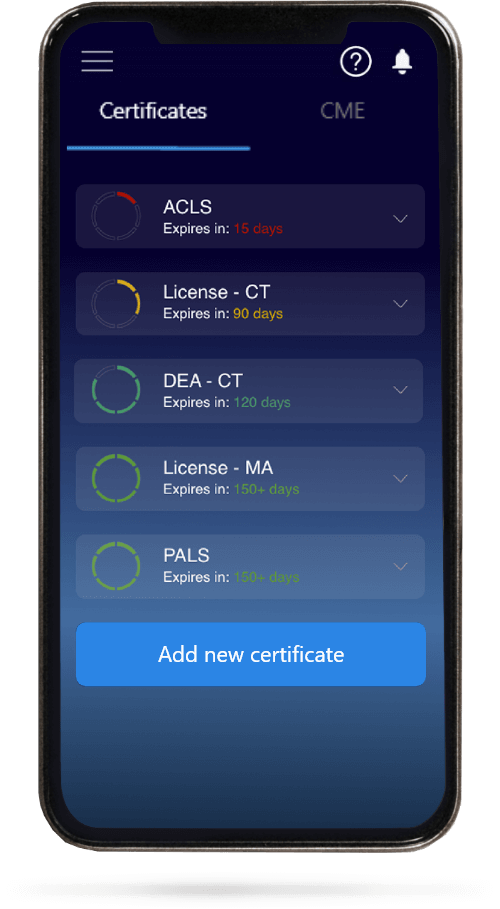
All Your Certificates in One Place
When you have your licenses, certificates and CMEs in one place, it's easier to track your career growth. You can easily share these with hospitals as well, using your medtigo app.