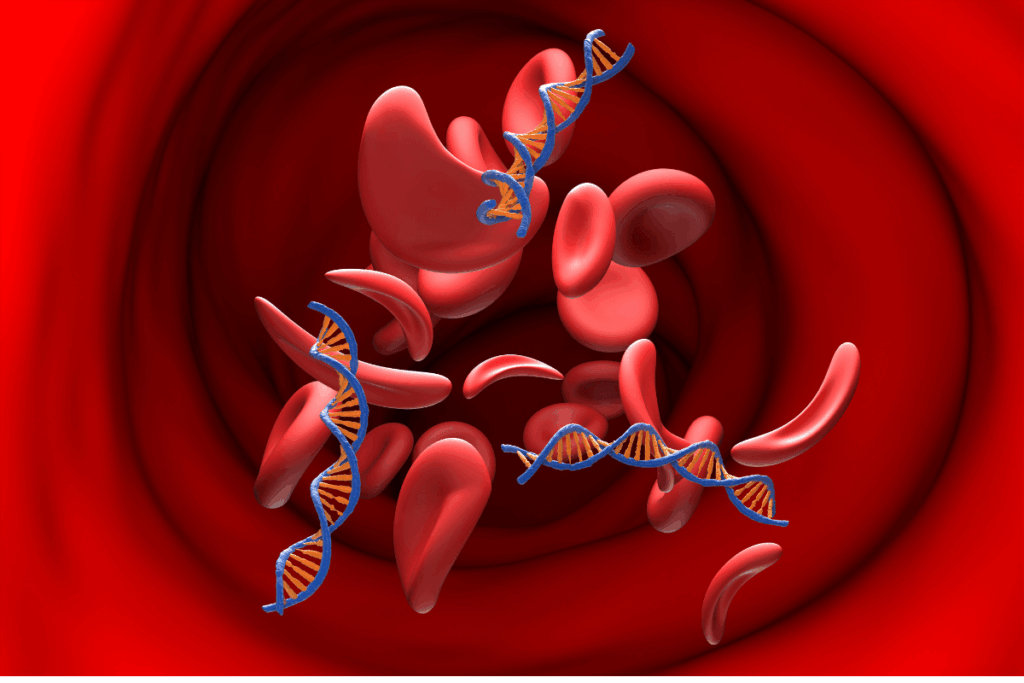
Acute lymphoblastic leukemia (ALL) in adolescents and young adults (AYAs) aged from 15 to 39 years remains challenging, with no universally standardized frontline treatment despite improved survival outcomes. Therapy is prolonged and intensive, placing a significant burden on patients due to toxicity, as well as psychosocial and socioeconomic factors. Treatment approaches can vary between adult and pediatric physicians, which involve immunotherapy, monitoring minimal residual disease (MRD), pediatric-inspired regimen, and allogenic hematopoietic stem cell transplantation (allo-HSCT).
The American Society of Hematology (ASH) 2026 guidelines provide evidence-based recommendations that critically appraise evolving therapies and diagnostic methods to support policymakers, clinicians, and patients in shared decision making. These recommendations aim to harmonize care, address the unique needs of AYAs, and improve clinical outcomes using standardized management strategies.
The guideline panel developed recommendations using the grading of recommendations assessment, development, and evaluation (GRADE) methodology, which is a trusted system to develop healthcare guidelines. ASH policies and international standards were followed to ensure reliability and transparency. Two panels focused on AYAs with ALL, organized by Brown University School of Public Health and ASH. The panels included multidisciplinary experts and patient representatives.
A systematic review of studies from databases like PsycINFO, PubMed, CINAHL, and Embase was conducted. Evidence was summarized and analyzed using structured frameworks. Recommendations were developed using questionnaires and decision-making tools that considered important factors like possible harm, benefits, costs, patient values, fairness (equity), and how practical the recommendations would be to use. The draft guidelines were reviewed by outside experts, revised based on feedback, and then approved by ASH. These guidelines are meant to help doctors and patients make decisions together and guide health policies. They are not strict rules or mandatory standards of care.
The ASH 2026 guidelines for AYAs with ALL include 15 recommendations and many important practice statements for first-line treatment. The guidelines strongly recommend using pediatric-inspired treatment plans that include asparaginase for patients with T-lymphoblastic lymphoma, B-cell ALL (B-ALL), and T-cell ALL (T-ALL). Lower dosages of pegaspargase can be used to reduce side effects without affecting treatment success. Patients should receive preventive treatment with intravenous (IV) steroids with or without acetaminophen or antihistamines to prevent allergic reactions. The guidelines also recommend therapeutic drug monitoring (TDM) to make sure treatment is working properly. The goal is to maintain serum asparaginase activity ≥0.1 IU/mL for 14 days to ensure proper asparagine depletion. Routine use of cryoprecipitate replacement and unfractionated heparin to prevent venous thromboembolism (VTE) is not recommended. There is also not enough evidence to support the regular use of antithrombin replacement therapy, low molecular weight heparin (LMWH), or direct oral anticoagulants (DOACs) for VTE prevention.
Patients who develop an allergic reaction to pegaspargase must switch to Erwinia-based asparaginase instead of stopping treatment completely. Routine allogeneic stem cell transplant during first complete remission (CR1) is generally not recommended. However, it may be considered for certain high-risk patients. Rituximab can be added to treat patients with CD20-positive B-cell ALL. Blinatumomab is also suggested during remission, whether measurable residual disease (MRD) is present. For patients with Philadelphia chromosome–positive (Ph-positive) ALL, a reduced-intensity treatment plan that includes a tyrosine kinase inhibitor (TKI) is preferred. To prevent central nervous system (CNS) relapse, intrathecal chemotherapy should be used. Routine cranial radiation should be avoided. Good practice recommendations include regular MRD monitoring, providing financial and psychological support, offering sexual and fertility counseling, encouraging participation in clinical trials, starting palliative care early when needed, and ensuring access to specialized centers that focus on AYA patients.
In conclusion, pediatric-inspired asparaginase-based regimens are recommended as first-line therapy for AYAs with ALL, supported by intensive monitoring and comprehensive supportive care. Routine allo-HSCT in first remission is not advised but may benefit selected high-risk patients or those with poor response. Targeted agents are increasingly incorporated into frontline treatment, though further research is needed to optimize their use and assess long-term outcomes.
Reference: DuVall AS, McNeer J, Cheung MC, et al. ASH 2026 Guidelines for Frontline Management of Acute Lymphoblastic Leukemia in Adolescents and Young Adults. Blood Adv. 2026. doi:10.1182/bloodadvances.2021006469