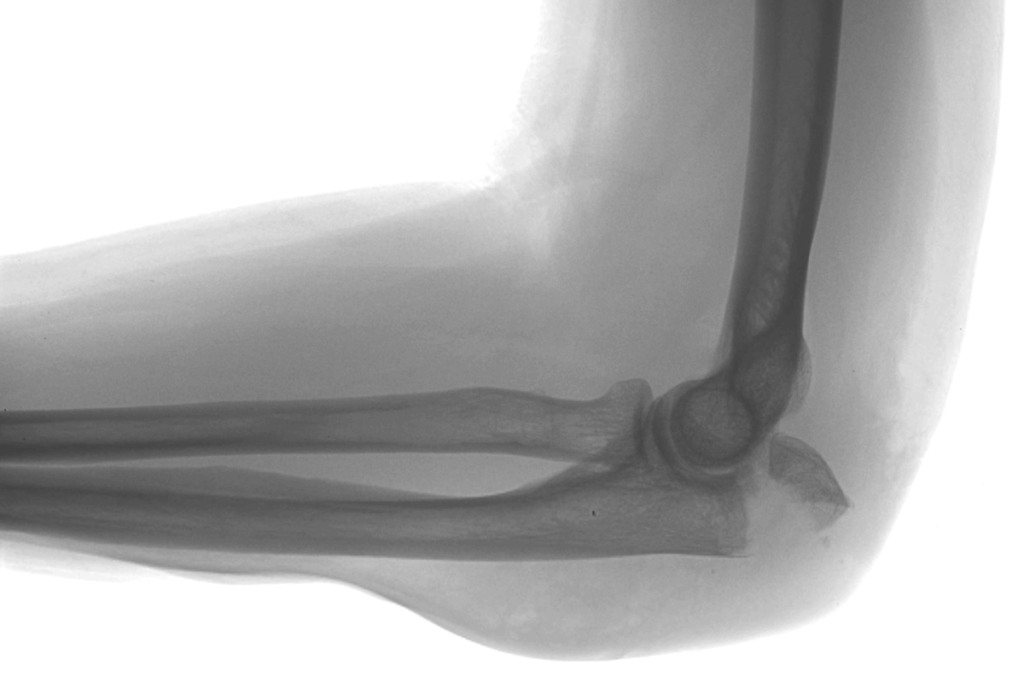
Displaced medical epicondyle fractures account for about 10% of pediatric elbow injuries, most commonly affecting children aged 10-12 years. These fractures are frequently associated with elbow dissociation. Management of this condition remains challenging, with non-operative treatment or surgical fixation. Most existing studies support both approaches, but high-quality evidence is limited. A recent SCIENCE study published in The Lancet aimed to evaluate whether surgical fixation improves functional outcomes compared with non-surgical care in children with displaced medical epicondyle fractures and to assess the cost-effectiveness of surgical treatment.
This SCINCE trial (ISRCTN16619778) was a randomized, superiority, and multicenter clinical study. Around 647 children with a displaced medical epicondyle fracture were recruited from 59 tertiary and secondary pediatric trauma centres across New Zealand, the UK, and Australia between June 10, 2019, and September 22, 2023. Children with complex elbow fractures, delayed presentation, unresolved dislocation, inability to follow the trail protocol, or incarcerated fragments were excluded.
A total of 334 Participants (mean age = 11·7±2·3 years, female = 51%, male = 49%) were randomized 1:1 using a web-based system. Surgical care (n = 168, mean age = 11·8±2·1 years, female = 48%, male = 52%) involved anatomical reduction and fixation under general anesthesia while non-surgical care (n = 166, mean age = 11·6±2·4 years, female = 54%, male = 46%) consisted of elbow immobilization without fracture realignment. This study was followed for 12 months. The primary outcome was functional recovery measured by the patient-reported outcomes measurement system (PROMIS) Upper Extremity score, and secondary outcomes were pain, complications, healthcare utilization, activity participation, and quality of life. All statistical analyses were performed using Stata and R (Version 4.3.1).
Treatment adherence was 87% (146/168) of patients in the surgical-fixation group, whereas 98% (162/166) in the non-surgical group. At 12 months, the mean PROMIS score was found to be 54.3±5.7 for the surgical and 53.1±7.8 for the non-surgical care. The adjusted mean difference was 1.57 (95% confidence interval [CI]: –0·01 to 3·14) in intention-to-treat population analysis with p = 0·052, and 1.76 (0·10 to 3·42) in the per-protocol population with p = 0·0372.
Subgroup analysis demonstrated that dislocated elbows had poorer PROMIS outcomes of -2.88 (95% CI: –5·36 to –0·40), slightly favoring non-surgical care at 12 months with a mean difference of -0.81(95% CI: –3·33 to 1·70). Non-dislocated cases slightly favoured surgery (2.07, 95% CI: 0·44 to 3·70). PROMIS (p = 0·052), disabilities of arm, shoulder, and hand (DASH; p = 0·96), Wong-Baker FACES pain rating scale (p = 0.48), and EuroQol 5-dimension 3-level (EQ-5D-3L) utility score (p = 0.18) improved rapidly by 3 months and plateaued by 6 months with no significant treatment differences. School absence was lower with non-surgical care (3 days) compared to the surgical (5.1 days), with p = 0.003.
Among 150 surgical participants, 13 patients experienced 14 intraoperative complications, such as one case of screw cut-out, 6 of wire breakage, 2 of ulnar nerve injuries, and 4 of bone fragmentation. Postoperative complications occurred in 7 participants, with routine screw/wire removal in 17. Among 184 non-surgical participants, 4 had complications, including delayed fixation and cast issues. Economic analysis of 324 UK participants showed surgery was more expensive (£2435 per patient; 95% CI: £1,812 to 3,057) with no QALY benefit of -0.0008 (95% CI: -0.0039 to 0.024), making non-surgical care more cost-effective at £20,000-30,000 thresholds.
In conclusion, this SCIENCE trial suggests that surgical fixation for displaced medical epicondyle fractures in children should not be routine. Non-surgical care is preferred, cost-effective, aligns with patient preferences, and carries a lower risk of secondary procedures. Surgery should be reserved only for exceptional cases.
Reference: Perry DC, Achten J, Zimmermann A, et al. Surgical fixation versus non-surgical care for children with a displaced medial epicondyle fracture of the elbow (the SCIENCE study): a multicentre, randomised controlled, superiority trial and economic evaluation. The Lancet. 2026. doi:10.1016/S0140-6736(26)00001-2