It is a soil-inhabiting bacteria. First time detected in 1890. Its colonies are in rounded shape, so name comes as circulans. People with weak immune systems can affect by this bacterium. But this illness studied as rare because not been studied well.
In 2011 a case showed the severity of this pathogen infections. humans with weak immune systems caused fatal. More recently, in February 2020, it showed infection on a 65-year-old with high BP had lower back pain, a mild fever, and severe diarrhea.
This bacterium has specific morphological structure. It’sa rod-shaped and it appears as gram-positive after staining. It has flagella, which helps for movement. The cells belong to the Bacteria kingdom and Bacillota phylum.
An important capability is forming endospores, which help survive harsh conditions. These endospores have an ellipsoidal shape and are positioned inside cells, either subterminal or terminal. The colony size are 1-3 mm wide and cream-colored with irregular edges.
Its type of strain, Ford 26, has helped its characterization deeply. But particularly, this strain now groups as Niallia circulans. Some culture are – DSM 11, ATCC 4513, CCM 2048, JCM 2504, and NCTC 2610 – link to the type of strain.
It mainly affects those without immunity. The pathogen enters the body via contaminated soil, water, surgery, tubes, or breaks in skin and layers. Like this it gets into tissues and causes illness—by uses of weak spots.
Most of the time people get affect from these infections by infected person or animal. But it also can disperse through contaminated objects or surfaces. Surprisingly, these stay live in various places, like soil, water, food, and infant feces.
Having these bacteria in your blood is very threatening thing. These illnesses warn lives, so quick diagnosis and treatment are essential.
The body employs a sophisticated defense mechanism against Bacillus circulans. Skin and mucosal linings serve as preliminary barriers, fortified by antimicrobial substances like lysozyme and antibodies. T cells, containing helper and killer types, recognize markers from B. circulans and influenced cells, orchestrating immune responses. B cells produce antibodies targeting the bacteria, while memory cells ensure quicker responses upon reinfection. Natural killer cells detect and eliminate abnormal or infected cells, enhancing overall immune activity.
This pathogen threats to people with compromised immunity or open wounds, it can be blood poisoning with signs like fever, indecision disorder, and organ failure.
It turns abscesses in tissues, initiating agony, swelling, and pus discharge, while infected wounds show pain, bump, redness, and slow healing.
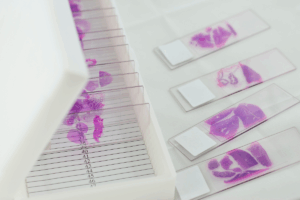
Gram staining reveals as gram-positive rods, appearing purple or pink. Culture on nutrient-rich media that results gives like display small, round colonies.
Biochemical tests evaluate catalase, indole, citrate utilization, motility. Molecular techniques like PCR and sequencing provide precise detection through genetic analysis.
while toxin examinations disclose its ability to make harmful toxins causing fever, tissue damage.
Handling of raw meat, poultry, eggs, and dairy is very important. Avoiding exposer to these in essential.
Wash hands in proffer way after touching raw meat, poultry, eggs, or dairy. Being hygiene is very important avoid contaminations.
Cooking food in particular temps to prevent bacteria. Follow recommended cooking temps and refrigerate.
Use clean utensils and equipment when preparing and serving food.
It is a soil-inhabiting bacteria. First time detected in 1890. Its colonies are in rounded shape, so name comes as circulans. People with weak immune systems can affect by this bacterium. But this illness studied as rare because not been studied well.
In 2011 a case showed the severity of this pathogen infections. humans with weak immune systems caused fatal. More recently, in February 2020, it showed infection on a 65-year-old with high BP had lower back pain, a mild fever, and severe diarrhea.
This bacterium has specific morphological structure. It’sa rod-shaped and it appears as gram-positive after staining. It has flagella, which helps for movement. The cells belong to the Bacteria kingdom and Bacillota phylum.
An important capability is forming endospores, which help survive harsh conditions. These endospores have an ellipsoidal shape and are positioned inside cells, either subterminal or terminal. The colony size are 1-3 mm wide and cream-colored with irregular edges.
Its type of strain, Ford 26, has helped its characterization deeply. But particularly, this strain now groups as Niallia circulans. Some culture are – DSM 11, ATCC 4513, CCM 2048, JCM 2504, and NCTC 2610 – link to the type of strain.
It mainly affects those without immunity. The pathogen enters the body via contaminated soil, water, surgery, tubes, or breaks in skin and layers. Like this it gets into tissues and causes illness—by uses of weak spots.
Most of the time people get affect from these infections by infected person or animal. But it also can disperse through contaminated objects or surfaces. Surprisingly, these stay live in various places, like soil, water, food, and infant feces.
Having these bacteria in your blood is very threatening thing. These illnesses warn lives, so quick diagnosis and treatment are essential.
The body employs a sophisticated defense mechanism against Bacillus circulans. Skin and mucosal linings serve as preliminary barriers, fortified by antimicrobial substances like lysozyme and antibodies. T cells, containing helper and killer types, recognize markers from B. circulans and influenced cells, orchestrating immune responses. B cells produce antibodies targeting the bacteria, while memory cells ensure quicker responses upon reinfection. Natural killer cells detect and eliminate abnormal or infected cells, enhancing overall immune activity.
This pathogen threats to people with compromised immunity or open wounds, it can be blood poisoning with signs like fever, indecision disorder, and organ failure.
It turns abscesses in tissues, initiating agony, swelling, and pus discharge, while infected wounds show pain, bump, redness, and slow healing.
Gram staining reveals as gram-positive rods, appearing purple or pink. Culture on nutrient-rich media that results gives like display small, round colonies.
Biochemical tests evaluate catalase, indole, citrate utilization, motility. Molecular techniques like PCR and sequencing provide precise detection through genetic analysis.
while toxin examinations disclose its ability to make harmful toxins causing fever, tissue damage.
Handling of raw meat, poultry, eggs, and dairy is very important. Avoiding exposer to these in essential.
Wash hands in proffer way after touching raw meat, poultry, eggs, or dairy. Being hygiene is very important avoid contaminations.
Cooking food in particular temps to prevent bacteria. Follow recommended cooking temps and refrigerate.
Use clean utensils and equipment when preparing and serving food.
It is a soil-inhabiting bacteria. First time detected in 1890. Its colonies are in rounded shape, so name comes as circulans. People with weak immune systems can affect by this bacterium. But this illness studied as rare because not been studied well.
In 2011 a case showed the severity of this pathogen infections. humans with weak immune systems caused fatal. More recently, in February 2020, it showed infection on a 65-year-old with high BP had lower back pain, a mild fever, and severe diarrhea.
This bacterium has specific morphological structure. It’sa rod-shaped and it appears as gram-positive after staining. It has flagella, which helps for movement. The cells belong to the Bacteria kingdom and Bacillota phylum.
An important capability is forming endospores, which help survive harsh conditions. These endospores have an ellipsoidal shape and are positioned inside cells, either subterminal or terminal. The colony size are 1-3 mm wide and cream-colored with irregular edges.
Its type of strain, Ford 26, has helped its characterization deeply. But particularly, this strain now groups as Niallia circulans. Some culture are – DSM 11, ATCC 4513, CCM 2048, JCM 2504, and NCTC 2610 – link to the type of strain.
It mainly affects those without immunity. The pathogen enters the body via contaminated soil, water, surgery, tubes, or breaks in skin and layers. Like this it gets into tissues and causes illness—by uses of weak spots.
Most of the time people get affect from these infections by infected person or animal. But it also can disperse through contaminated objects or surfaces. Surprisingly, these stay live in various places, like soil, water, food, and infant feces.
Having these bacteria in your blood is very threatening thing. These illnesses warn lives, so quick diagnosis and treatment are essential.
The body employs a sophisticated defense mechanism against Bacillus circulans. Skin and mucosal linings serve as preliminary barriers, fortified by antimicrobial substances like lysozyme and antibodies. T cells, containing helper and killer types, recognize markers from B. circulans and influenced cells, orchestrating immune responses. B cells produce antibodies targeting the bacteria, while memory cells ensure quicker responses upon reinfection. Natural killer cells detect and eliminate abnormal or infected cells, enhancing overall immune activity.
This pathogen threats to people with compromised immunity or open wounds, it can be blood poisoning with signs like fever, indecision disorder, and organ failure.
It turns abscesses in tissues, initiating agony, swelling, and pus discharge, while infected wounds show pain, bump, redness, and slow healing.
Gram staining reveals as gram-positive rods, appearing purple or pink. Culture on nutrient-rich media that results gives like display small, round colonies.
Biochemical tests evaluate catalase, indole, citrate utilization, motility. Molecular techniques like PCR and sequencing provide precise detection through genetic analysis.
while toxin examinations disclose its ability to make harmful toxins causing fever, tissue damage.
Handling of raw meat, poultry, eggs, and dairy is very important. Avoiding exposer to these in essential.
Wash hands in proffer way after touching raw meat, poultry, eggs, or dairy. Being hygiene is very important avoid contaminations.
Cooking food in particular temps to prevent bacteria. Follow recommended cooking temps and refrigerate.
Use clean utensils and equipment when preparing and serving food.
Both our subscription plans include Free CME/CPD AMA PRA Category 1 credits.
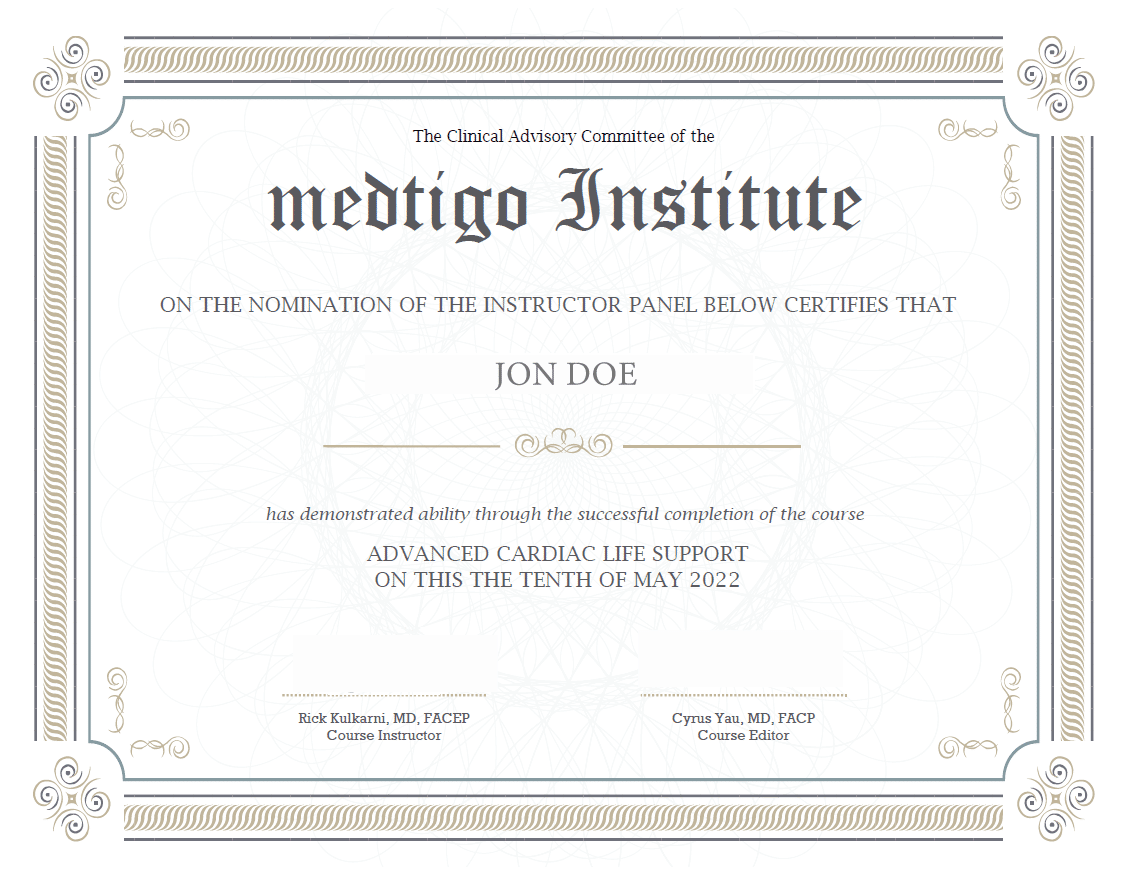
Digital Certificate PDF
On course completion, you will receive a full-sized presentation quality digital certificate.
medtigo Simulation
A dynamic medical simulation platform designed to train healthcare professionals and students to effectively run code situations through an immersive hands-on experience in a live, interactive 3D environment.
medtigo Points
medtigo points is our unique point redemption system created to award users for interacting on our site. These points can be redeemed for special discounts on the medtigo marketplace as well as towards the membership cost itself.
Community Forum post/reply = 5 points
*Redemption of points can occur only through the medtigo marketplace, courses, or simulation system. Money will not be credited to your bank account. 10 points = $1.
All Your Certificates in One Place
When you have your licenses, certificates and CMEs in one place, it's easier to track your career growth. You can easily share these with hospitals as well, using your medtigo app.