Penicillium glabrum, a fungus with implications for human health, exhibits a notable presence in various environments. The fungus is mainly associated with allergic reactions and respiratory diseases, posing a significant risk to workers exposed to cork dust.
In the United States, research indicates that 8.2% of children with asthma demonstrate sensitization to Penicillium spp. Another study reveals relatively low sensitization to a Penicillium allergen, Pen Ch, among patients with atopic dermatitis. This underscores the diverse impact of Penicillium glabrum on different allergic conditions.
The epidemiological focus sharpens when considering occupational exposure. Penicillium glabrum emerges mainly in the development of suberosis, an occupational hypersensitivity pneumonitis prevalent among workers in the cork production industry.
In Portugal, a substantial proportion of cork workers, estimated between 9-19%, may develop suberosis due to exposure to Penicillium glabrum. Notably, a Spanish study found that all workers with a history of occupational exposure to cork and who experienced hypersensitivity pneumonitis or asthma were sensitized to allergens associated with P. glabrum.
Kingdom: Fungi
Phylum: Ascomycota
Class: Eurotiomycetes
Order: Eurotiales
Family: Aspergillaceae
Genus:Penicillium
Species:P. glabrum
Penicillium glabrum exhibits a multicellular mycelium as its vegetative body. This mycelium comprises highly branched, multinucleated, and septate hyphae. The hyphal cell wall is composed of a glucose, chitin, and polysaccharide maintaining structural integrity. Cytoplasmic continuity is facilitated through central pores in each septum, allowing communication between adjacent hyphal cells.
The fungus reproduces asexually through conidia, which are unicellular, uninucleate, and nonmotile spores. Conidia are formed on specialized structures known as conidiophores, erect branches emerging from the vegetative mycelium.Conidiophores may be unbranched or branched and differentiate into metulae, further branching structures.
Conidia, produced from flask-shaped cells called phialides located at the tips of metulae, are arranged in a basipetal succession. This means the youngest conidium is near the phialide, while the oldest is farther away.
The conidia, with a diameter of 2.5-5 µm, are single-celled, round, and green in color, forming distinctive chains that contribute to the brush-like appearance of Penicillium glabrum.P. glabrum engages in sexual reproduction through ascospores, which are sexual spores produced endogenously. Ascospores are contained within sac-like structures called asci, arranged in fruiting bodies known as ascocarps.
Penicillium glabrum, a fungus with notable implications for human health, employs various strategies for host invasion and immune evasion. Through the production of phospholipases, this fungus degrades host cell membranes and extracellular matrix, facilitating tissue invasion.
Evading host defenses, Penicillium glabrum alters its surface antigens and releases toxins such as gliotoxin, penitrem A, cyclopiazonic acid, and patulin. These toxins play a crucial role in inhibiting phagocytosis and apoptosis, providing the fungus with a means to persist within the host. The type strain, CBS 125.261, isolated from soil in France, serves as a reference for understanding the characteristics of Penicillium glabrum.
Penicillium glabrum, a fungus prevalent in indoor environments, poses a significant health risk through its pathogenic mechanisms. The fungus can prolifically produce spores, which become airborne and can be inhaled by humans. Upon inhalation, these spores can trigger an immune response, leading to inflammation and heightened mucus production in the respiratory tract.
This response is particularly significant in individuals sensitized to P. glabrum, where exposure can result in the manifestation of hay fever and asthma symptoms. The pathogenic impact intensifies in indoor settings, where mold growth is facilitated by conditions such as high humidity and poor ventilation. In these environments, P. glabrum becomes a potential exacerbating factor for asthma, as it induces a type I hypersensitivity reaction.
This immune response involves the production of IgE antibodies and the subsequent release of histamine & other mediators from mast cells and basophils. The culmination of these processes contributes to the worsening of asthma symptoms, underscoring the intricate relationship between environmental exposure to P. glabrum and the pathogenesis of respiratory conditions in sensitized individuals.
Upon encountering Penicillium glabrum, the human immune system activates a multifaceted defense to counteract potential infections. Critical components of this defense include proteins like lactoferrin, abundantly present in saliva, tears, and milk. Lactoferrin plays a crucial role by binding iron, depriving the fungus of this essential nutrient, and impeding its growth.
Defensins, antimicrobial peptides produced by epithelial cells and neutrophils, contribute to the defense mechanism by disrupting the fungal cell membrane, leading to cell lysis.Additionally, the complement system, a network of plasma proteins, aids in coating the fungus, enhancing its recognition and subsequent phagocytosis by macrophages and neutrophils.
This orchestrated immune response involves the recruitment of immune cells, release of mediators, and increased blood flow and permeability at the infection site. Inflammation, a vital component of this defense, serves to contain and eliminate the fungus while facilitating tissue repair.
Among immune cells, neutrophils, as the most abundant and earliest responders, phagocytose and destroy the fungus using reactive oxygen species, nitric oxide, and lytic enzymes. While eosinophils & basophils are less common, they play roles in allergic and parasitic infections, releasing histamine, leukotrienes, and other mediators that contribute to inflammation and tissue damage.
Suberosis (Hypersensitivity Pneumonitis):Penicillium glabrum is implicated in the development of suberosis, a specific form of hypersensitivity pneumonitis. This inflammatory lung disease is a consequence of repeated exposure to organic dust, particularly cork dust containing P. glabrum spores. Individuals affected by suberosis may experience symptoms such as persistent cough, fever, chills, shortness of breath, and chest tightness. These respiratory manifestations are indicative of the body’s immune response to the inhaled mold spores, leading to lung inflammation and related symptoms.
Hay Fever (Allergic Rhinitis):Penicillium glabrum is recognized as one of the indoor molds capable of triggering hay fever, a type of allergic rhinitis. Exposure to airborne P. glabrum spores can elicit allergic reactions in susceptible individuals, resulting in symptoms like runny nose, sneezing, itchy eyes, and nasal congestion. The immune system’s response to the mold spores in the nasal passages contributes to the characteristic signs of hay fever, causing discomfort and allergic responses associated with mold exposure.
Asthma Exacerbation: Individuals with asthma may experience worsening of their respiratory condition due to exposure to Penicillium glabrum. Asthma is a chronic respiratory disorder that causes airway inflammation & constriction. Penicillium glabrum can act as a trigger, prompting an immune response leading to high inflammation and mucus production in the lungs. This exacerbation of asthma symptoms may include difficulty breathing, wheezing, and chest tightness, further emphasizing the impact of P. glabrum on respiratory health.
Skin Prick Test: This test is a widely used method for assessing allergic sensitization to various allergens, including molds like P. glabrum. A minute amount of P. glabrum extract is applied to the skin, and a needle is used to prick through the drop. An allergic response is indicated by the appearance of a red, itchy bump within 15 to 20 minutes, providing a quick and straightforward assessment of sensitization.
Antibody IgE Test: This diagnostic test measures the levels of specific IgE antibodies in the blood produced in response to exposure to Penicillium glabrum. Employing the ImmunoCAP FEIA method, the test utilizes a covalently linked cellulosic polymer to which P. glabrum allergen adheres. Results, reported in kU/L and categorized from negative to very high positive, aid in identifying allergic sensitization and monitoring the effectiveness of immunotherapy.
Culture test: Culturing Penicillium glabrum involves growing the fungus from various samples, such as sputum, bronchoalveolar lavage, biopsy, or other tissues. Incubated on a suitable medium for several days, distinct characteristics such as thermally dimorphic filamentous colonies with a unique gray-green center and white periphery confirm the presence of Penicillium glabrum infection. This method guides appropriate antifungal treatment.
Molecular technique: The polymerase chain reaction technique is employed to amplify and detect Penicillium glabrum DNA in diverse samples like blood, serum, plasma, cerebrospinal fluid, or tissue. This rapid and sensitive diagnostic tool proves especially valuable in cases where culture results are negative or not feasible.
To minimize exposure to P. glabrum spores, it is crucial to avoid or reduce contact with potential sources. This includes managing environments prone to mold growth, such as keeping indoor spaces clean, dry, and well-ventilated. Regular cleaning practices help prevent the accumulation of mold on surfaces and decrease the likelihood of spore release into the air.
Employing protective equipment, such as masks, gloves, and goggles, is essential when handling materials that may contain P. glabrum spores. This precautionary step is particularly relevant for individuals working in occupations where exposure is more likely, such as those handling cork dust or working in environments with high mold concentrations.
Employing biocontrol agents, specifically antagonistic yeasts like Zygoascus meyerae and, Pichia kudriavzevii can be an effective strategy to inhibit the growth and activity of P. glabrum. These yeasts have demonstrated the ability to produce antifungal volatile organic compounds & lytic enzymes, contributing to the suppression of P. glabrum on fruits like grapes and other susceptible surfaces.
Penicillium glabrum, a fungus with implications for human health, exhibits a notable presence in various environments. The fungus is mainly associated with allergic reactions and respiratory diseases, posing a significant risk to workers exposed to cork dust.
In the United States, research indicates that 8.2% of children with asthma demonstrate sensitization to Penicillium spp. Another study reveals relatively low sensitization to a Penicillium allergen, Pen Ch, among patients with atopic dermatitis. This underscores the diverse impact of Penicillium glabrum on different allergic conditions.
The epidemiological focus sharpens when considering occupational exposure. Penicillium glabrum emerges mainly in the development of suberosis, an occupational hypersensitivity pneumonitis prevalent among workers in the cork production industry.
In Portugal, a substantial proportion of cork workers, estimated between 9-19%, may develop suberosis due to exposure to Penicillium glabrum. Notably, a Spanish study found that all workers with a history of occupational exposure to cork and who experienced hypersensitivity pneumonitis or asthma were sensitized to allergens associated with P. glabrum.
Kingdom: Fungi
Phylum: Ascomycota
Class: Eurotiomycetes
Order: Eurotiales
Family: Aspergillaceae
Genus:Penicillium
Species:P. glabrum
Penicillium glabrum exhibits a multicellular mycelium as its vegetative body. This mycelium comprises highly branched, multinucleated, and septate hyphae. The hyphal cell wall is composed of a glucose, chitin, and polysaccharide maintaining structural integrity. Cytoplasmic continuity is facilitated through central pores in each septum, allowing communication between adjacent hyphal cells.
The fungus reproduces asexually through conidia, which are unicellular, uninucleate, and nonmotile spores. Conidia are formed on specialized structures known as conidiophores, erect branches emerging from the vegetative mycelium.Conidiophores may be unbranched or branched and differentiate into metulae, further branching structures.
Conidia, produced from flask-shaped cells called phialides located at the tips of metulae, are arranged in a basipetal succession. This means the youngest conidium is near the phialide, while the oldest is farther away.
The conidia, with a diameter of 2.5-5 µm, are single-celled, round, and green in color, forming distinctive chains that contribute to the brush-like appearance of Penicillium glabrum.P. glabrum engages in sexual reproduction through ascospores, which are sexual spores produced endogenously. Ascospores are contained within sac-like structures called asci, arranged in fruiting bodies known as ascocarps.
Penicillium glabrum, a fungus with notable implications for human health, employs various strategies for host invasion and immune evasion. Through the production of phospholipases, this fungus degrades host cell membranes and extracellular matrix, facilitating tissue invasion.
Evading host defenses, Penicillium glabrum alters its surface antigens and releases toxins such as gliotoxin, penitrem A, cyclopiazonic acid, and patulin. These toxins play a crucial role in inhibiting phagocytosis and apoptosis, providing the fungus with a means to persist within the host. The type strain, CBS 125.261, isolated from soil in France, serves as a reference for understanding the characteristics of Penicillium glabrum.
Penicillium glabrum, a fungus prevalent in indoor environments, poses a significant health risk through its pathogenic mechanisms. The fungus can prolifically produce spores, which become airborne and can be inhaled by humans. Upon inhalation, these spores can trigger an immune response, leading to inflammation and heightened mucus production in the respiratory tract.
This response is particularly significant in individuals sensitized to P. glabrum, where exposure can result in the manifestation of hay fever and asthma symptoms. The pathogenic impact intensifies in indoor settings, where mold growth is facilitated by conditions such as high humidity and poor ventilation. In these environments, P. glabrum becomes a potential exacerbating factor for asthma, as it induces a type I hypersensitivity reaction.
This immune response involves the production of IgE antibodies and the subsequent release of histamine & other mediators from mast cells and basophils. The culmination of these processes contributes to the worsening of asthma symptoms, underscoring the intricate relationship between environmental exposure to P. glabrum and the pathogenesis of respiratory conditions in sensitized individuals.
Upon encountering Penicillium glabrum, the human immune system activates a multifaceted defense to counteract potential infections. Critical components of this defense include proteins like lactoferrin, abundantly present in saliva, tears, and milk. Lactoferrin plays a crucial role by binding iron, depriving the fungus of this essential nutrient, and impeding its growth.
Defensins, antimicrobial peptides produced by epithelial cells and neutrophils, contribute to the defense mechanism by disrupting the fungal cell membrane, leading to cell lysis.Additionally, the complement system, a network of plasma proteins, aids in coating the fungus, enhancing its recognition and subsequent phagocytosis by macrophages and neutrophils.
This orchestrated immune response involves the recruitment of immune cells, release of mediators, and increased blood flow and permeability at the infection site. Inflammation, a vital component of this defense, serves to contain and eliminate the fungus while facilitating tissue repair.
Among immune cells, neutrophils, as the most abundant and earliest responders, phagocytose and destroy the fungus using reactive oxygen species, nitric oxide, and lytic enzymes. While eosinophils & basophils are less common, they play roles in allergic and parasitic infections, releasing histamine, leukotrienes, and other mediators that contribute to inflammation and tissue damage.
Suberosis (Hypersensitivity Pneumonitis):Penicillium glabrum is implicated in the development of suberosis, a specific form of hypersensitivity pneumonitis. This inflammatory lung disease is a consequence of repeated exposure to organic dust, particularly cork dust containing P. glabrum spores. Individuals affected by suberosis may experience symptoms such as persistent cough, fever, chills, shortness of breath, and chest tightness. These respiratory manifestations are indicative of the body’s immune response to the inhaled mold spores, leading to lung inflammation and related symptoms.
Hay Fever (Allergic Rhinitis):Penicillium glabrum is recognized as one of the indoor molds capable of triggering hay fever, a type of allergic rhinitis. Exposure to airborne P. glabrum spores can elicit allergic reactions in susceptible individuals, resulting in symptoms like runny nose, sneezing, itchy eyes, and nasal congestion. The immune system’s response to the mold spores in the nasal passages contributes to the characteristic signs of hay fever, causing discomfort and allergic responses associated with mold exposure.
Asthma Exacerbation: Individuals with asthma may experience worsening of their respiratory condition due to exposure to Penicillium glabrum. Asthma is a chronic respiratory disorder that causes airway inflammation & constriction. Penicillium glabrum can act as a trigger, prompting an immune response leading to high inflammation and mucus production in the lungs. This exacerbation of asthma symptoms may include difficulty breathing, wheezing, and chest tightness, further emphasizing the impact of P. glabrum on respiratory health.
Skin Prick Test: This test is a widely used method for assessing allergic sensitization to various allergens, including molds like P. glabrum. A minute amount of P. glabrum extract is applied to the skin, and a needle is used to prick through the drop. An allergic response is indicated by the appearance of a red, itchy bump within 15 to 20 minutes, providing a quick and straightforward assessment of sensitization.
Antibody IgE Test: This diagnostic test measures the levels of specific IgE antibodies in the blood produced in response to exposure to Penicillium glabrum. Employing the ImmunoCAP FEIA method, the test utilizes a covalently linked cellulosic polymer to which P. glabrum allergen adheres. Results, reported in kU/L and categorized from negative to very high positive, aid in identifying allergic sensitization and monitoring the effectiveness of immunotherapy.
Culture test: Culturing Penicillium glabrum involves growing the fungus from various samples, such as sputum, bronchoalveolar lavage, biopsy, or other tissues. Incubated on a suitable medium for several days, distinct characteristics such as thermally dimorphic filamentous colonies with a unique gray-green center and white periphery confirm the presence of Penicillium glabrum infection. This method guides appropriate antifungal treatment.
Molecular technique: The polymerase chain reaction technique is employed to amplify and detect Penicillium glabrum DNA in diverse samples like blood, serum, plasma, cerebrospinal fluid, or tissue. This rapid and sensitive diagnostic tool proves especially valuable in cases where culture results are negative or not feasible.
To minimize exposure to P. glabrum spores, it is crucial to avoid or reduce contact with potential sources. This includes managing environments prone to mold growth, such as keeping indoor spaces clean, dry, and well-ventilated. Regular cleaning practices help prevent the accumulation of mold on surfaces and decrease the likelihood of spore release into the air.
Employing protective equipment, such as masks, gloves, and goggles, is essential when handling materials that may contain P. glabrum spores. This precautionary step is particularly relevant for individuals working in occupations where exposure is more likely, such as those handling cork dust or working in environments with high mold concentrations.
Employing biocontrol agents, specifically antagonistic yeasts like Zygoascus meyerae and, Pichia kudriavzevii can be an effective strategy to inhibit the growth and activity of P. glabrum. These yeasts have demonstrated the ability to produce antifungal volatile organic compounds & lytic enzymes, contributing to the suppression of P. glabrum on fruits like grapes and other susceptible surfaces.
Penicillium glabrum, a fungus with implications for human health, exhibits a notable presence in various environments. The fungus is mainly associated with allergic reactions and respiratory diseases, posing a significant risk to workers exposed to cork dust.
In the United States, research indicates that 8.2% of children with asthma demonstrate sensitization to Penicillium spp. Another study reveals relatively low sensitization to a Penicillium allergen, Pen Ch, among patients with atopic dermatitis. This underscores the diverse impact of Penicillium glabrum on different allergic conditions.
The epidemiological focus sharpens when considering occupational exposure. Penicillium glabrum emerges mainly in the development of suberosis, an occupational hypersensitivity pneumonitis prevalent among workers in the cork production industry.
In Portugal, a substantial proportion of cork workers, estimated between 9-19%, may develop suberosis due to exposure to Penicillium glabrum. Notably, a Spanish study found that all workers with a history of occupational exposure to cork and who experienced hypersensitivity pneumonitis or asthma were sensitized to allergens associated with P. glabrum.
Kingdom: Fungi
Phylum: Ascomycota
Class: Eurotiomycetes
Order: Eurotiales
Family: Aspergillaceae
Genus:Penicillium
Species:P. glabrum
Penicillium glabrum exhibits a multicellular mycelium as its vegetative body. This mycelium comprises highly branched, multinucleated, and septate hyphae. The hyphal cell wall is composed of a glucose, chitin, and polysaccharide maintaining structural integrity. Cytoplasmic continuity is facilitated through central pores in each septum, allowing communication between adjacent hyphal cells.
The fungus reproduces asexually through conidia, which are unicellular, uninucleate, and nonmotile spores. Conidia are formed on specialized structures known as conidiophores, erect branches emerging from the vegetative mycelium.Conidiophores may be unbranched or branched and differentiate into metulae, further branching structures.
Conidia, produced from flask-shaped cells called phialides located at the tips of metulae, are arranged in a basipetal succession. This means the youngest conidium is near the phialide, while the oldest is farther away.
The conidia, with a diameter of 2.5-5 µm, are single-celled, round, and green in color, forming distinctive chains that contribute to the brush-like appearance of Penicillium glabrum.P. glabrum engages in sexual reproduction through ascospores, which are sexual spores produced endogenously. Ascospores are contained within sac-like structures called asci, arranged in fruiting bodies known as ascocarps.
Penicillium glabrum, a fungus with notable implications for human health, employs various strategies for host invasion and immune evasion. Through the production of phospholipases, this fungus degrades host cell membranes and extracellular matrix, facilitating tissue invasion.
Evading host defenses, Penicillium glabrum alters its surface antigens and releases toxins such as gliotoxin, penitrem A, cyclopiazonic acid, and patulin. These toxins play a crucial role in inhibiting phagocytosis and apoptosis, providing the fungus with a means to persist within the host. The type strain, CBS 125.261, isolated from soil in France, serves as a reference for understanding the characteristics of Penicillium glabrum.
Penicillium glabrum, a fungus prevalent in indoor environments, poses a significant health risk through its pathogenic mechanisms. The fungus can prolifically produce spores, which become airborne and can be inhaled by humans. Upon inhalation, these spores can trigger an immune response, leading to inflammation and heightened mucus production in the respiratory tract.
This response is particularly significant in individuals sensitized to P. glabrum, where exposure can result in the manifestation of hay fever and asthma symptoms. The pathogenic impact intensifies in indoor settings, where mold growth is facilitated by conditions such as high humidity and poor ventilation. In these environments, P. glabrum becomes a potential exacerbating factor for asthma, as it induces a type I hypersensitivity reaction.
This immune response involves the production of IgE antibodies and the subsequent release of histamine & other mediators from mast cells and basophils. The culmination of these processes contributes to the worsening of asthma symptoms, underscoring the intricate relationship between environmental exposure to P. glabrum and the pathogenesis of respiratory conditions in sensitized individuals.
Upon encountering Penicillium glabrum, the human immune system activates a multifaceted defense to counteract potential infections. Critical components of this defense include proteins like lactoferrin, abundantly present in saliva, tears, and milk. Lactoferrin plays a crucial role by binding iron, depriving the fungus of this essential nutrient, and impeding its growth.
Defensins, antimicrobial peptides produced by epithelial cells and neutrophils, contribute to the defense mechanism by disrupting the fungal cell membrane, leading to cell lysis.Additionally, the complement system, a network of plasma proteins, aids in coating the fungus, enhancing its recognition and subsequent phagocytosis by macrophages and neutrophils.
This orchestrated immune response involves the recruitment of immune cells, release of mediators, and increased blood flow and permeability at the infection site. Inflammation, a vital component of this defense, serves to contain and eliminate the fungus while facilitating tissue repair.
Among immune cells, neutrophils, as the most abundant and earliest responders, phagocytose and destroy the fungus using reactive oxygen species, nitric oxide, and lytic enzymes. While eosinophils & basophils are less common, they play roles in allergic and parasitic infections, releasing histamine, leukotrienes, and other mediators that contribute to inflammation and tissue damage.
Suberosis (Hypersensitivity Pneumonitis):Penicillium glabrum is implicated in the development of suberosis, a specific form of hypersensitivity pneumonitis. This inflammatory lung disease is a consequence of repeated exposure to organic dust, particularly cork dust containing P. glabrum spores. Individuals affected by suberosis may experience symptoms such as persistent cough, fever, chills, shortness of breath, and chest tightness. These respiratory manifestations are indicative of the body’s immune response to the inhaled mold spores, leading to lung inflammation and related symptoms.
Hay Fever (Allergic Rhinitis):Penicillium glabrum is recognized as one of the indoor molds capable of triggering hay fever, a type of allergic rhinitis. Exposure to airborne P. glabrum spores can elicit allergic reactions in susceptible individuals, resulting in symptoms like runny nose, sneezing, itchy eyes, and nasal congestion. The immune system’s response to the mold spores in the nasal passages contributes to the characteristic signs of hay fever, causing discomfort and allergic responses associated with mold exposure.
Asthma Exacerbation: Individuals with asthma may experience worsening of their respiratory condition due to exposure to Penicillium glabrum. Asthma is a chronic respiratory disorder that causes airway inflammation & constriction. Penicillium glabrum can act as a trigger, prompting an immune response leading to high inflammation and mucus production in the lungs. This exacerbation of asthma symptoms may include difficulty breathing, wheezing, and chest tightness, further emphasizing the impact of P. glabrum on respiratory health.
Skin Prick Test: This test is a widely used method for assessing allergic sensitization to various allergens, including molds like P. glabrum. A minute amount of P. glabrum extract is applied to the skin, and a needle is used to prick through the drop. An allergic response is indicated by the appearance of a red, itchy bump within 15 to 20 minutes, providing a quick and straightforward assessment of sensitization.
Antibody IgE Test: This diagnostic test measures the levels of specific IgE antibodies in the blood produced in response to exposure to Penicillium glabrum. Employing the ImmunoCAP FEIA method, the test utilizes a covalently linked cellulosic polymer to which P. glabrum allergen adheres. Results, reported in kU/L and categorized from negative to very high positive, aid in identifying allergic sensitization and monitoring the effectiveness of immunotherapy.
Culture test: Culturing Penicillium glabrum involves growing the fungus from various samples, such as sputum, bronchoalveolar lavage, biopsy, or other tissues. Incubated on a suitable medium for several days, distinct characteristics such as thermally dimorphic filamentous colonies with a unique gray-green center and white periphery confirm the presence of Penicillium glabrum infection. This method guides appropriate antifungal treatment.
Molecular technique: The polymerase chain reaction technique is employed to amplify and detect Penicillium glabrum DNA in diverse samples like blood, serum, plasma, cerebrospinal fluid, or tissue. This rapid and sensitive diagnostic tool proves especially valuable in cases where culture results are negative or not feasible.
To minimize exposure to P. glabrum spores, it is crucial to avoid or reduce contact with potential sources. This includes managing environments prone to mold growth, such as keeping indoor spaces clean, dry, and well-ventilated. Regular cleaning practices help prevent the accumulation of mold on surfaces and decrease the likelihood of spore release into the air.
Employing protective equipment, such as masks, gloves, and goggles, is essential when handling materials that may contain P. glabrum spores. This precautionary step is particularly relevant for individuals working in occupations where exposure is more likely, such as those handling cork dust or working in environments with high mold concentrations.
Employing biocontrol agents, specifically antagonistic yeasts like Zygoascus meyerae and, Pichia kudriavzevii can be an effective strategy to inhibit the growth and activity of P. glabrum. These yeasts have demonstrated the ability to produce antifungal volatile organic compounds & lytic enzymes, contributing to the suppression of P. glabrum on fruits like grapes and other susceptible surfaces.
Both our subscription plans include Free CME/CPD AMA PRA Category 1 credits.
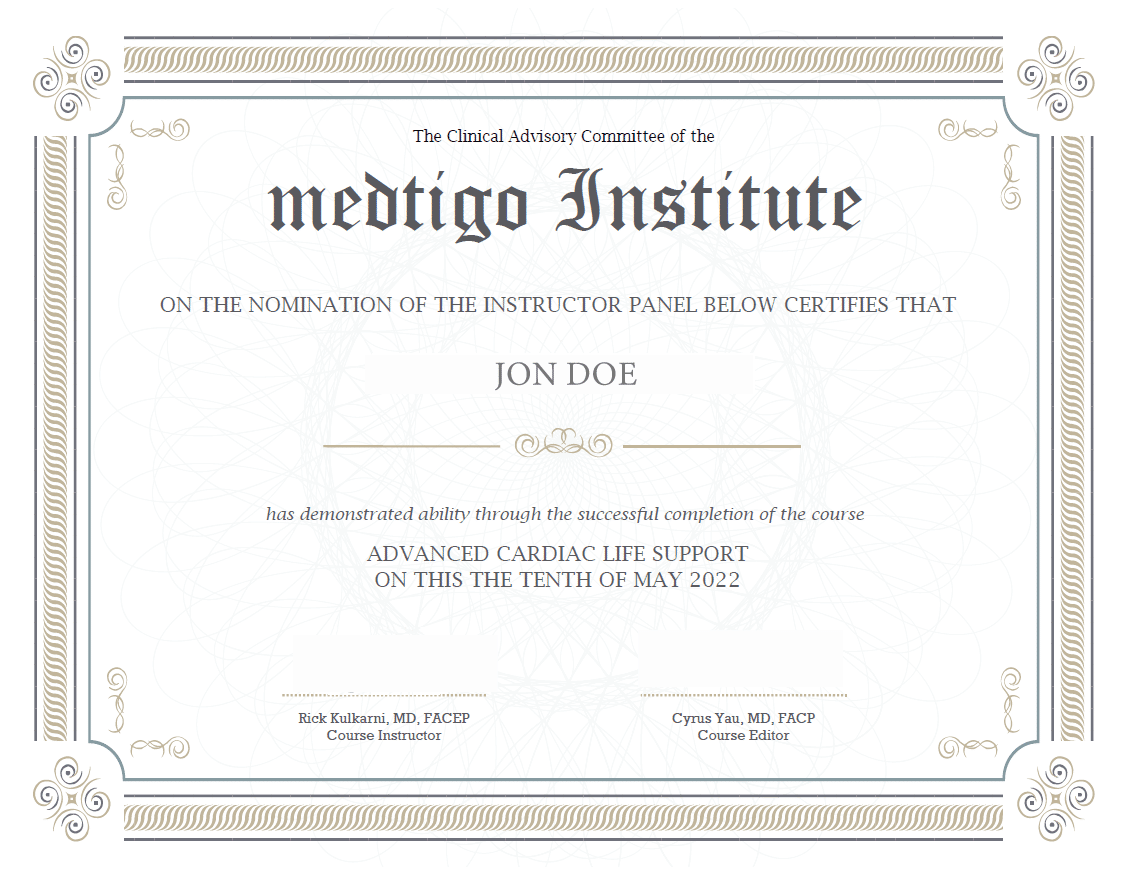
Digital Certificate PDF
On course completion, you will receive a full-sized presentation quality digital certificate.
medtigo Simulation
A dynamic medical simulation platform designed to train healthcare professionals and students to effectively run code situations through an immersive hands-on experience in a live, interactive 3D environment.
medtigo Points
medtigo points is our unique point redemption system created to award users for interacting on our site. These points can be redeemed for special discounts on the medtigo marketplace as well as towards the membership cost itself.
Community Forum post/reply = 5 points
*Redemption of points can occur only through the medtigo marketplace, courses, or simulation system. Money will not be credited to your bank account. 10 points = $1.
All Your Certificates in One Place
When you have your licenses, certificates and CMEs in one place, it's easier to track your career growth. You can easily share these with hospitals as well, using your medtigo app.