Saint Louis encephalitis virus (SLEV) is a viral infection that mainly affects the United States, while isolated instances have been documented in South America, Canada, the Caribbean, & Mexico. An average of 128 instances of Saint Louis encephalitis are reported annually in the United States. Most infections occur in temperate countries in late summer or early fall; however, the virus might be active year-round in southern regions with milder climates.
The virus was named after a significant outbreak in St. Louis, Missouri, and surrounding areas in 1933. Over 1,000 cases were documented during this pandemic, prompting the National Health Institutes to examine the newly found virus. SLEV has since been discovered to be widespread across the Americas, from Canada to Argentina. However, human instances have been concentrated in the United States, notably in the eastern and central states.
SLEV infections cause encephalitis outbreaks in the midwestern, western, & southwestern United States, followed by years of sporadic occurrences. The yearly prevalence rate ranges between 0.003 & 0.752 incidents per 100,000 people. SLEV has produced large urban encephalitis outbreaks, generally occurring from August to October.
However, instances can occur throughout the year in milder areas. Over the last five decades, there have been recurring outbreaks in documented neuroinvasive illness cases. Approximately 10,000 instances were documented over this period, with an annual average of 102 cases ranging from 2 to 1,968.
While epidemics in Canada and Mexico have been documented, isolated cases are also reported in South America & the Caribbean. Males appear more susceptible to SLEV infection than females, probably due to variations in outdoor activity patterns. The severity of symptoms grows with age, and people over 60 are more likely to acquire clinical disease. According to reports, up to 90% of older adults infected with SLEV develop clinical disease.
Kingdom: Viruses
Phylum: Kitrinoviricota
Class: Flasuviricetes
Order: Amarillovirales
Family: Flaviviridae
Genus:Flavivirus
Species:Saint Louis encephalitis virus
Like other flaviviruses,Saint Louis encephalitis virus has a spherical form and a diameter of around 40 nm.It has a positive-sense, single-stranded RNA genome that encodes a polyprotein. This polyprotein is broken down into three structural amino acids (Envelope, Premembrane & Capsid) & seven proteins that are not structural (NS1, NS2B, NS2A, NS3, NS4B, NS4A, & NS5).
The nucleocapsid core is formed when the Capsid protein attaches to the viral RNA.The main surface protein comprises the Envelope (E) protein, which aids viral entry by attaching to cellular receptors & inducing membrane fusion. It is divided into three domains: DI, DII, & DIII.
The Saint Louis encephalitis virus (SLEV) exhibits different strains and variations in virulence and variations in the genes encoding essential proteins. The strain CbaAr-4005, isolated from Culex quinquefasciatus mosquitoes, has been associated with high morbidity percentages, indicating its virulence. Other non-epidemic strains, such as 78V-6507 and CorAn-9275, have been isolated under different epidemiological conditions.
Other SLEV strains that have been identified include NY99, CorAn9124, TNM4-711K, & MO-33. All these strains can be distinct in terms of virulence & genetic features.The E protein gene, NS3 protein gene, NS2A protein gene, & NS2B protein gene are all implicated in SLEV virulence and replication. The envelope protein, encoded by the E protein gene, is essential for viral attachment, fusion, & entrance into host cells. The NS3 protein genes encode a multifunctional protein that acts as a protease, helicase, NTPase, & RTPase. This protein is involved in viral replication processes, including polyprotein processing & RNA unwinding.
SLEV can be categorized into six antigenic kinds based on sequence and antigenic analyses of the E protein: I, II, III, IV, V, and VI. These antigenic categories represent distinct differences in the virus’s genomic & antigenic features. Type 1 (North America, Central America & South America), Type 2 (only in Argentina), Type 3 (South America and the Caribbean), Type 4 (found only in Brazil), Type 5 (found only in Peru), Type 6 (found only in Colombia).
The NS2A protein gene encodes a hydrophobic protein that inserts into cellular membranes. It is involved in viral assembly, RNA replicating, & membrane modification, all of which contribute to the virus’s overall reproduction and spread. The NS2B gene encodes a hydrophilic protein that binds to the NS3 protein and acts as a cofactor for its protease activity. This complex is required for polyprotein digestion and viral replication.
The bite of an infected mosquito, primarily of the Culex genus, transmits SLEV to humans. These mosquitoes get the virus from infected birds, which are the principal reservoirs of SLEV. The virus travels between mosquitos and birds in an enzootic cycle and infects people sporadically in an epizootic cycle.SLEV enters the human host via the skin or mucous membranes at the site of a mosquito bite. It infects and replicates in nearby cells like fibroblasts, macrophages, & dendritic cells.
The virus then travels to regional lymph nodes before entering the bloodstream, causing viremia.SLEV spreads throughout the body through the blood or lymphatic systems. It can infect many organs and tissues, including the liver, spleen, kidney, heart, lungs, muscle, & skin. The central nervous system is, however, the primary focus of SLEV.SLEV enters the CNS by crossing the blood-brain barrier (BBB) or the barrier between the blood and cerebrospinal fluid.
The precise processes for breaking through these barriers are unknown. Direct infection of endothelial or choroid plexus cells, transcytosis by these cells, or Trojan horse invasion via infected leukocytes are all possible methods. After entering the CNS, SLEV infects many cell types, such as neurons, astrocytes, microglia, and oligodendrocytes, resulting in viral multiplication. The virus also causes apoptosis or necrosis in neurons, contributing to brain damage and inflammation.
A coordinated response of adaptive and innate immunity is required for the host’s defense against Saint Louis encephalitis virus (SLEV). When SLEV infects cells in the central nervous system (CNS), it activates pattern recognition receptors (PRRs) on infected or nearby cells, which involve toll-like receptors (TLRs) or retinoic acid-inducible gene I (RIG-I). These PRRs identify common molecular patterns in SLEV, like viral RNA or glycoproteins, and activate antiviral signaling pathways.
Producing pro-inflammatory chemokines and cytokines, like interleukin-6 (IL-6), tumor necrosis factors alpha, IFN-gamma, & monocyte chemoattractant protein-1 (MCP-1), is a crucial element of the immune response. These chemicals operate as signals for immune cells and aid in the recruitment and activation of different cell types to the infection site in the CNS.
Immune cells like neutrophils, macrophages, natural killer cells, T cells, & B cells are activated to combat the SLEV infection,These immune cells play critical functions in SLEV replication control and infection clearance. Macrophages & neutrophils phagocytose and kill virus-infected cells, whereas natural killer cells kill infected cells directly. T lymphocytes recognize and destroy virus-infected cells, whereas B cells create virus-specific antibodies. Antibodies can destroy viruses, limit their spread, and improve immune cell-mediated clearance.
While immune cells are essential in fighting SLEV, their activation can cause tissue damage and neurological dysfunction. Immune cells’ generation of reactive oxygen compounds, nitric oxide, & cytotoxic chemicals can lead to CNS inflammation & injury. As a result, achieving a balance between immune response and tissue damage is critical for host protection against SLEV.
Clinical signs of Saint Louis encephalitis virus (SLEV) infections in humans might differ depending on age, immunological status, and viral strain. Many SLEV infections are asymptomatic, meaning infected people have no visible symptoms. It is especially prevalent among younger people and kids.
SLEV may trigger neuroinvasive illness, which affects the central nervous system in more severe situations. This version of the disease is more common in older people and people with compromised immune systems. Neuroinvasive illness can present as encephalitis or meningitis, resulting in more severe neurological symptoms.
A stiff neck, disorientation, confusion, dizziness, tremors, unsteadiness, a state of coma, seizure in severe circumstances, and death are all possible. Neuroinvasive illness has a mortality rate ranging from 5 – 20 %, depending on an individual’s age group & the individual virus strain involved.
It is crucial to highlight that most SLEV infections cause slight or minor disease. Severe symptoms are uncommon but can have serious repercussions, especially in older people and those with impaired immune systems. If SLEV infection is suspected, prompt medical intervention is critical, especially in places where the virus is known to be spreading.
Diagnosing Saint Louis encephalitis virus (SLEV), infection involves a comprehensive approach considering clinical features, exposure history, and laboratory testing. The US Centers for Disease Control and Prevention provides guidelines for diagnosing arboviral encephalitis, which can be applied to SLEV.
The diagnostic criteria include the presence of a febrile illness, mild aseptic meningitis, or encephalitis, along with one of the following:
A significant increase in antivirus antibody titers between the acute and convalescent periods, typically showing a 4-fold increase.
Isolation of SLEV through culture or detection of the virus’s nucleic acid via tissue, blood, or cerebrospinal fluid amplification.
Detection of specific immunoglobulin M (IgM) antibodies against SLEV, indicating recent infection.
Laboratory evaluation plays a crucial role in diagnosing SLEV infection. Antibody titers are measured using hemagglutination inhibition, complement fixation, immunofluorescence, or plaque reduction neutralization tests. Titers exceeding specific thresholds are considered significant for SLEV infection.
A cerebrospinal fluid (CSF) examination assesses pressure, glucose, and protein levels. Initially, there may be polymorphonuclear leukocytic pleocytosis, followed by lymphocytic or monocytic leukocytosis. The CSF WBC (white blood cell) count is typically below 200 cells/µL.
Histopathology:SLEV is distinguished by extensive nerve cell degeneration with neuronophagia and scattered regions of inflammatory necrosis involving both gray and white matter within the brain. The brain stem, on the other hand, is usually spared. There is also perivascular cuffing, where lymphocytes and plasma cells congregate around blood arteries and patchy meningeal infiltration with microglial nodules. It is important to note that axonal and demyelinating scars are uncommon in SLEV infection.
Serologic testing begins with IgM capture enzyme-linked immunoassay (ELISA), then moves on to microsphere-based immunoassay (MIA) & IgG enzyme-linked immunoabsorbent assay. Positive first testing results may necessitate additional confirmatory testing to guarantee accuracy. Furthermore, examining CSF to detect IgM antibodies can aid in the diagnosis of CNS infection & local antibody generation.
In fatal cases, nucleic acid amplification, histology with immunohistochemistry, & virus culture can all be used to confirm the diagnosis. These diagnostic approaches necessitate specialist laboratories, like those provided at the CDC and specific provincial laboratories.
Personal protection involves using EPA-registered insect repellents, wearing protective clothing, and using screens or air conditioning to prevent mosquito bites.
Environmental management focuses on eliminating mosquito breeding sites by removing standing water and applying larvicides or biological control agents. At least once a week, empty and clean any containers or items that collect water, like tires, containers, planters, toys, pools, flowerpots, birdbaths, or garbage cans, to help prevent mosquito eggs from hatching & larvae from developing. Any remaining water should be treated with larvicides or biological control agents like Bacillus thuringiensis israelensis (Bti) or fish that eat mosquito larvae.
Adulticides, like organophosphates or pyrethroids, can reduce mosquito populations in high-risk areas.
»
Home » Pathogen » Saint Louis encephalitis virus
Saint Louis encephalitis virus
Updated :
December 8, 2023
Saint Louis encephalitis virus (SLEV) is a viral infection that mainly affects the United States, while isolated instances have been documented in South America, Canada, the Caribbean, & Mexico. An average of 128 instances of Saint Louis encephalitis are reported annually in the United States. Most infections occur in temperate countries in late summer or early fall; however, the virus might be active year-round in southern regions with milder climates.
The virus was named after a significant outbreak in St. Louis, Missouri, and surrounding areas in 1933. Over 1,000 cases were documented during this pandemic, prompting the National Health Institutes to examine the newly found virus. SLEV has since been discovered to be widespread across the Americas, from Canada to Argentina. However, human instances have been concentrated in the United States, notably in the eastern and central states.
SLEV infections cause encephalitis outbreaks in the midwestern, western, & southwestern United States, followed by years of sporadic occurrences. The yearly prevalence rate ranges between 0.003 & 0.752 incidents per 100,000 people. SLEV has produced large urban encephalitis outbreaks, generally occurring from August to October.
However, instances can occur throughout the year in milder areas. Over the last five decades, there have been recurring outbreaks in documented neuroinvasive illness cases. Approximately 10,000 instances were documented over this period, with an annual average of 102 cases ranging from 2 to 1,968.
While epidemics in Canada and Mexico have been documented, isolated cases are also reported in South America & the Caribbean. Males appear more susceptible to SLEV infection than females, probably due to variations in outdoor activity patterns. The severity of symptoms grows with age, and people over 60 are more likely to acquire clinical disease. According to reports, up to 90% of older adults infected with SLEV develop clinical disease.
Kingdom: Viruses
Phylum: Kitrinoviricota
Class: Flasuviricetes
Order: Amarillovirales
Family: Flaviviridae
Genus:Flavivirus
Species:Saint Louis encephalitis virus
Like other flaviviruses,Saint Louis encephalitis virus has a spherical form and a diameter of around 40 nm.It has a positive-sense, single-stranded RNA genome that encodes a polyprotein. This polyprotein is broken down into three structural amino acids (Envelope, Premembrane & Capsid) & seven proteins that are not structural (NS1, NS2B, NS2A, NS3, NS4B, NS4A, & NS5).
The nucleocapsid core is formed when the Capsid protein attaches to the viral RNA.The main surface protein comprises the Envelope (E) protein, which aids viral entry by attaching to cellular receptors & inducing membrane fusion. It is divided into three domains: DI, DII, & DIII.
The Saint Louis encephalitis virus (SLEV) exhibits different strains and variations in virulence and variations in the genes encoding essential proteins. The strain CbaAr-4005, isolated from Culex quinquefasciatus mosquitoes, has been associated with high morbidity percentages, indicating its virulence. Other non-epidemic strains, such as 78V-6507 and CorAn-9275, have been isolated under different epidemiological conditions.
Other SLEV strains that have been identified include NY99, CorAn9124, TNM4-711K, & MO-33. All these strains can be distinct in terms of virulence & genetic features.The E protein gene, NS3 protein gene, NS2A protein gene, & NS2B protein gene are all implicated in SLEV virulence and replication. The envelope protein, encoded by the E protein gene, is essential for viral attachment, fusion, & entrance into host cells. The NS3 protein genes encode a multifunctional protein that acts as a protease, helicase, NTPase, & RTPase. This protein is involved in viral replication processes, including polyprotein processing & RNA unwinding.
SLEV can be categorized into six antigenic kinds based on sequence and antigenic analyses of the E protein: I, II, III, IV, V, and VI. These antigenic categories represent distinct differences in the virus’s genomic & antigenic features. Type 1 (North America, Central America & South America), Type 2 (only in Argentina), Type 3 (South America and the Caribbean), Type 4 (found only in Brazil), Type 5 (found only in Peru), Type 6 (found only in Colombia).
The NS2A protein gene encodes a hydrophobic protein that inserts into cellular membranes. It is involved in viral assembly, RNA replicating, & membrane modification, all of which contribute to the virus’s overall reproduction and spread. The NS2B gene encodes a hydrophilic protein that binds to the NS3 protein and acts as a cofactor for its protease activity. This complex is required for polyprotein digestion and viral replication.
The bite of an infected mosquito, primarily of the Culex genus, transmits SLEV to humans. These mosquitoes get the virus from infected birds, which are the principal reservoirs of SLEV. The virus travels between mosquitos and birds in an enzootic cycle and infects people sporadically in an epizootic cycle.SLEV enters the human host via the skin or mucous membranes at the site of a mosquito bite. It infects and replicates in nearby cells like fibroblasts, macrophages, & dendritic cells.
The virus then travels to regional lymph nodes before entering the bloodstream, causing viremia.SLEV spreads throughout the body through the blood or lymphatic systems. It can infect many organs and tissues, including the liver, spleen, kidney, heart, lungs, muscle, & skin. The central nervous system is, however, the primary focus of SLEV.SLEV enters the CNS by crossing the blood-brain barrier (BBB) or the barrier between the blood and cerebrospinal fluid.
The precise processes for breaking through these barriers are unknown. Direct infection of endothelial or choroid plexus cells, transcytosis by these cells, or Trojan horse invasion via infected leukocytes are all possible methods. After entering the CNS, SLEV infects many cell types, such as neurons, astrocytes, microglia, and oligodendrocytes, resulting in viral multiplication. The virus also causes apoptosis or necrosis in neurons, contributing to brain damage and inflammation.
A coordinated response of adaptive and innate immunity is required for the host’s defense against Saint Louis encephalitis virus (SLEV). When SLEV infects cells in the central nervous system (CNS), it activates pattern recognition receptors (PRRs) on infected or nearby cells, which involve toll-like receptors (TLRs) or retinoic acid-inducible gene I (RIG-I). These PRRs identify common molecular patterns in SLEV, like viral RNA or glycoproteins, and activate antiviral signaling pathways.
Producing pro-inflammatory chemokines and cytokines, like interleukin-6 (IL-6), tumor necrosis factors alpha, IFN-gamma, & monocyte chemoattractant protein-1 (MCP-1), is a crucial element of the immune response. These chemicals operate as signals for immune cells and aid in the recruitment and activation of different cell types to the infection site in the CNS.
Immune cells like neutrophils, macrophages, natural killer cells, T cells, & B cells are activated to combat the SLEV infection,These immune cells play critical functions in SLEV replication control and infection clearance. Macrophages & neutrophils phagocytose and kill virus-infected cells, whereas natural killer cells kill infected cells directly. T lymphocytes recognize and destroy virus-infected cells, whereas B cells create virus-specific antibodies. Antibodies can destroy viruses, limit their spread, and improve immune cell-mediated clearance.
While immune cells are essential in fighting SLEV, their activation can cause tissue damage and neurological dysfunction. Immune cells’ generation of reactive oxygen compounds, nitric oxide, & cytotoxic chemicals can lead to CNS inflammation & injury. As a result, achieving a balance between immune response and tissue damage is critical for host protection against SLEV.
Clinical signs of Saint Louis encephalitis virus (SLEV) infections in humans might differ depending on age, immunological status, and viral strain. Many SLEV infections are asymptomatic, meaning infected people have no visible symptoms. It is especially prevalent among younger people and kids.
SLEV may trigger neuroinvasive illness, which affects the central nervous system in more severe situations. This version of the disease is more common in older people and people with compromised immune systems. Neuroinvasive illness can present as encephalitis or meningitis, resulting in more severe neurological symptoms.
A stiff neck, disorientation, confusion, dizziness, tremors, unsteadiness, a state of coma, seizure in severe circumstances, and death are all possible. Neuroinvasive illness has a mortality rate ranging from 5 – 20 %, depending on an individual’s age group & the individual virus strain involved.
It is crucial to highlight that most SLEV infections cause slight or minor disease. Severe symptoms are uncommon but can have serious repercussions, especially in older people and those with impaired immune systems. If SLEV infection is suspected, prompt medical intervention is critical, especially in places where the virus is known to be spreading.
Diagnosing Saint Louis encephalitis virus (SLEV), infection involves a comprehensive approach considering clinical features, exposure history, and laboratory testing. The US Centers for Disease Control and Prevention provides guidelines for diagnosing arboviral encephalitis, which can be applied to SLEV.
The diagnostic criteria include the presence of a febrile illness, mild aseptic meningitis, or encephalitis, along with one of the following:
A significant increase in antivirus antibody titers between the acute and convalescent periods, typically showing a 4-fold increase.
Isolation of SLEV through culture or detection of the virus’s nucleic acid via tissue, blood, or cerebrospinal fluid amplification.
Detection of specific immunoglobulin M (IgM) antibodies against SLEV, indicating recent infection.
Laboratory evaluation plays a crucial role in diagnosing SLEV infection. Antibody titers are measured using hemagglutination inhibition, complement fixation, immunofluorescence, or plaque reduction neutralization tests. Titers exceeding specific thresholds are considered significant for SLEV infection.
A cerebrospinal fluid (CSF) examination assesses pressure, glucose, and protein levels. Initially, there may be polymorphonuclear leukocytic pleocytosis, followed by lymphocytic or monocytic leukocytosis. The CSF WBC (white blood cell) count is typically below 200 cells/µL.
Histopathology:SLEV is distinguished by extensive nerve cell degeneration with neuronophagia and scattered regions of inflammatory necrosis involving both gray and white matter within the brain. The brain stem, on the other hand, is usually spared. There is also perivascular cuffing, where lymphocytes and plasma cells congregate around blood arteries and patchy meningeal infiltration with microglial nodules. It is important to note that axonal and demyelinating scars are uncommon in SLEV infection.
Serologic testing begins with IgM capture enzyme-linked immunoassay (ELISA), then moves on to microsphere-based immunoassay (MIA) & IgG enzyme-linked immunoabsorbent assay. Positive first testing results may necessitate additional confirmatory testing to guarantee accuracy. Furthermore, examining CSF to detect IgM antibodies can aid in the diagnosis of CNS infection & local antibody generation.
In fatal cases, nucleic acid amplification, histology with immunohistochemistry, & virus culture can all be used to confirm the diagnosis. These diagnostic approaches necessitate specialist laboratories, like those provided at the CDC and specific provincial laboratories.
Personal protection involves using EPA-registered insect repellents, wearing protective clothing, and using screens or air conditioning to prevent mosquito bites.
Environmental management focuses on eliminating mosquito breeding sites by removing standing water and applying larvicides or biological control agents. At least once a week, empty and clean any containers or items that collect water, like tires, containers, planters, toys, pools, flowerpots, birdbaths, or garbage cans, to help prevent mosquito eggs from hatching & larvae from developing. Any remaining water should be treated with larvicides or biological control agents like Bacillus thuringiensis israelensis (Bti) or fish that eat mosquito larvae.
Adulticides, like organophosphates or pyrethroids, can reduce mosquito populations in high-risk areas.
Saint Louis encephalitis virus (SLEV) is a viral infection that mainly affects the United States, while isolated instances have been documented in South America, Canada, the Caribbean, & Mexico. An average of 128 instances of Saint Louis encephalitis are reported annually in the United States. Most infections occur in temperate countries in late summer or early fall; however, the virus might be active year-round in southern regions with milder climates.
The virus was named after a significant outbreak in St. Louis, Missouri, and surrounding areas in 1933. Over 1,000 cases were documented during this pandemic, prompting the National Health Institutes to examine the newly found virus. SLEV has since been discovered to be widespread across the Americas, from Canada to Argentina. However, human instances have been concentrated in the United States, notably in the eastern and central states.
SLEV infections cause encephalitis outbreaks in the midwestern, western, & southwestern United States, followed by years of sporadic occurrences. The yearly prevalence rate ranges between 0.003 & 0.752 incidents per 100,000 people. SLEV has produced large urban encephalitis outbreaks, generally occurring from August to October.
However, instances can occur throughout the year in milder areas. Over the last five decades, there have been recurring outbreaks in documented neuroinvasive illness cases. Approximately 10,000 instances were documented over this period, with an annual average of 102 cases ranging from 2 to 1,968.
While epidemics in Canada and Mexico have been documented, isolated cases are also reported in South America & the Caribbean. Males appear more susceptible to SLEV infection than females, probably due to variations in outdoor activity patterns. The severity of symptoms grows with age, and people over 60 are more likely to acquire clinical disease. According to reports, up to 90% of older adults infected with SLEV develop clinical disease.
Kingdom: Viruses
Phylum: Kitrinoviricota
Class: Flasuviricetes
Order: Amarillovirales
Family: Flaviviridae
Genus:Flavivirus
Species:Saint Louis encephalitis virus
Like other flaviviruses,Saint Louis encephalitis virus has a spherical form and a diameter of around 40 nm.It has a positive-sense, single-stranded RNA genome that encodes a polyprotein. This polyprotein is broken down into three structural amino acids (Envelope, Premembrane & Capsid) & seven proteins that are not structural (NS1, NS2B, NS2A, NS3, NS4B, NS4A, & NS5).
The nucleocapsid core is formed when the Capsid protein attaches to the viral RNA.The main surface protein comprises the Envelope (E) protein, which aids viral entry by attaching to cellular receptors & inducing membrane fusion. It is divided into three domains: DI, DII, & DIII.
The Saint Louis encephalitis virus (SLEV) exhibits different strains and variations in virulence and variations in the genes encoding essential proteins. The strain CbaAr-4005, isolated from Culex quinquefasciatus mosquitoes, has been associated with high morbidity percentages, indicating its virulence. Other non-epidemic strains, such as 78V-6507 and CorAn-9275, have been isolated under different epidemiological conditions.
Other SLEV strains that have been identified include NY99, CorAn9124, TNM4-711K, & MO-33. All these strains can be distinct in terms of virulence & genetic features.The E protein gene, NS3 protein gene, NS2A protein gene, & NS2B protein gene are all implicated in SLEV virulence and replication. The envelope protein, encoded by the E protein gene, is essential for viral attachment, fusion, & entrance into host cells. The NS3 protein genes encode a multifunctional protein that acts as a protease, helicase, NTPase, & RTPase. This protein is involved in viral replication processes, including polyprotein processing & RNA unwinding.
SLEV can be categorized into six antigenic kinds based on sequence and antigenic analyses of the E protein: I, II, III, IV, V, and VI. These antigenic categories represent distinct differences in the virus’s genomic & antigenic features. Type 1 (North America, Central America & South America), Type 2 (only in Argentina), Type 3 (South America and the Caribbean), Type 4 (found only in Brazil), Type 5 (found only in Peru), Type 6 (found only in Colombia).
The NS2A protein gene encodes a hydrophobic protein that inserts into cellular membranes. It is involved in viral assembly, RNA replicating, & membrane modification, all of which contribute to the virus’s overall reproduction and spread. The NS2B gene encodes a hydrophilic protein that binds to the NS3 protein and acts as a cofactor for its protease activity. This complex is required for polyprotein digestion and viral replication.
The bite of an infected mosquito, primarily of the Culex genus, transmits SLEV to humans. These mosquitoes get the virus from infected birds, which are the principal reservoirs of SLEV. The virus travels between mosquitos and birds in an enzootic cycle and infects people sporadically in an epizootic cycle.SLEV enters the human host via the skin or mucous membranes at the site of a mosquito bite. It infects and replicates in nearby cells like fibroblasts, macrophages, & dendritic cells.
The virus then travels to regional lymph nodes before entering the bloodstream, causing viremia.SLEV spreads throughout the body through the blood or lymphatic systems. It can infect many organs and tissues, including the liver, spleen, kidney, heart, lungs, muscle, & skin. The central nervous system is, however, the primary focus of SLEV.SLEV enters the CNS by crossing the blood-brain barrier (BBB) or the barrier between the blood and cerebrospinal fluid.
The precise processes for breaking through these barriers are unknown. Direct infection of endothelial or choroid plexus cells, transcytosis by these cells, or Trojan horse invasion via infected leukocytes are all possible methods. After entering the CNS, SLEV infects many cell types, such as neurons, astrocytes, microglia, and oligodendrocytes, resulting in viral multiplication. The virus also causes apoptosis or necrosis in neurons, contributing to brain damage and inflammation.
A coordinated response of adaptive and innate immunity is required for the host’s defense against Saint Louis encephalitis virus (SLEV). When SLEV infects cells in the central nervous system (CNS), it activates pattern recognition receptors (PRRs) on infected or nearby cells, which involve toll-like receptors (TLRs) or retinoic acid-inducible gene I (RIG-I). These PRRs identify common molecular patterns in SLEV, like viral RNA or glycoproteins, and activate antiviral signaling pathways.
Producing pro-inflammatory chemokines and cytokines, like interleukin-6 (IL-6), tumor necrosis factors alpha, IFN-gamma, & monocyte chemoattractant protein-1 (MCP-1), is a crucial element of the immune response. These chemicals operate as signals for immune cells and aid in the recruitment and activation of different cell types to the infection site in the CNS.
Immune cells like neutrophils, macrophages, natural killer cells, T cells, & B cells are activated to combat the SLEV infection,These immune cells play critical functions in SLEV replication control and infection clearance. Macrophages & neutrophils phagocytose and kill virus-infected cells, whereas natural killer cells kill infected cells directly. T lymphocytes recognize and destroy virus-infected cells, whereas B cells create virus-specific antibodies. Antibodies can destroy viruses, limit their spread, and improve immune cell-mediated clearance.
While immune cells are essential in fighting SLEV, their activation can cause tissue damage and neurological dysfunction. Immune cells’ generation of reactive oxygen compounds, nitric oxide, & cytotoxic chemicals can lead to CNS inflammation & injury. As a result, achieving a balance between immune response and tissue damage is critical for host protection against SLEV.
Clinical signs of Saint Louis encephalitis virus (SLEV) infections in humans might differ depending on age, immunological status, and viral strain. Many SLEV infections are asymptomatic, meaning infected people have no visible symptoms. It is especially prevalent among younger people and kids.
SLEV may trigger neuroinvasive illness, which affects the central nervous system in more severe situations. This version of the disease is more common in older people and people with compromised immune systems. Neuroinvasive illness can present as encephalitis or meningitis, resulting in more severe neurological symptoms.
A stiff neck, disorientation, confusion, dizziness, tremors, unsteadiness, a state of coma, seizure in severe circumstances, and death are all possible. Neuroinvasive illness has a mortality rate ranging from 5 – 20 %, depending on an individual’s age group & the individual virus strain involved.
It is crucial to highlight that most SLEV infections cause slight or minor disease. Severe symptoms are uncommon but can have serious repercussions, especially in older people and those with impaired immune systems. If SLEV infection is suspected, prompt medical intervention is critical, especially in places where the virus is known to be spreading.
Diagnosing Saint Louis encephalitis virus (SLEV), infection involves a comprehensive approach considering clinical features, exposure history, and laboratory testing. The US Centers for Disease Control and Prevention provides guidelines for diagnosing arboviral encephalitis, which can be applied to SLEV.
The diagnostic criteria include the presence of a febrile illness, mild aseptic meningitis, or encephalitis, along with one of the following:
A significant increase in antivirus antibody titers between the acute and convalescent periods, typically showing a 4-fold increase.
Isolation of SLEV through culture or detection of the virus’s nucleic acid via tissue, blood, or cerebrospinal fluid amplification.
Detection of specific immunoglobulin M (IgM) antibodies against SLEV, indicating recent infection.
Laboratory evaluation plays a crucial role in diagnosing SLEV infection. Antibody titers are measured using hemagglutination inhibition, complement fixation, immunofluorescence, or plaque reduction neutralization tests. Titers exceeding specific thresholds are considered significant for SLEV infection.
A cerebrospinal fluid (CSF) examination assesses pressure, glucose, and protein levels. Initially, there may be polymorphonuclear leukocytic pleocytosis, followed by lymphocytic or monocytic leukocytosis. The CSF WBC (white blood cell) count is typically below 200 cells/µL.
Histopathology:SLEV is distinguished by extensive nerve cell degeneration with neuronophagia and scattered regions of inflammatory necrosis involving both gray and white matter within the brain. The brain stem, on the other hand, is usually spared. There is also perivascular cuffing, where lymphocytes and plasma cells congregate around blood arteries and patchy meningeal infiltration with microglial nodules. It is important to note that axonal and demyelinating scars are uncommon in SLEV infection.
Serologic testing begins with IgM capture enzyme-linked immunoassay (ELISA), then moves on to microsphere-based immunoassay (MIA) & IgG enzyme-linked immunoabsorbent assay. Positive first testing results may necessitate additional confirmatory testing to guarantee accuracy. Furthermore, examining CSF to detect IgM antibodies can aid in the diagnosis of CNS infection & local antibody generation.
In fatal cases, nucleic acid amplification, histology with immunohistochemistry, & virus culture can all be used to confirm the diagnosis. These diagnostic approaches necessitate specialist laboratories, like those provided at the CDC and specific provincial laboratories.
Personal protection involves using EPA-registered insect repellents, wearing protective clothing, and using screens or air conditioning to prevent mosquito bites.
Environmental management focuses on eliminating mosquito breeding sites by removing standing water and applying larvicides or biological control agents. At least once a week, empty and clean any containers or items that collect water, like tires, containers, planters, toys, pools, flowerpots, birdbaths, or garbage cans, to help prevent mosquito eggs from hatching & larvae from developing. Any remaining water should be treated with larvicides or biological control agents like Bacillus thuringiensis israelensis (Bti) or fish that eat mosquito larvae.
Adulticides, like organophosphates or pyrethroids, can reduce mosquito populations in high-risk areas.
Both our subscription plans include Free CME/CPD AMA PRA Category 1 credits.
Digital Certificate PDF
On course completion, you will receive a full-sized presentation quality digital certificate.
medtigo Simulation
A dynamic medical simulation platform designed to train healthcare professionals and students to effectively run code situations through an immersive hands-on experience in a live, interactive 3D environment.
medtigo Points
medtigo points is our unique point redemption system created to award users for interacting on our site. These points can be redeemed for special discounts on the medtigo marketplace as well as towards the membership cost itself.
Community Forum post/reply = 5 points
*Redemption of points can occur only through the medtigo marketplace, courses, or simulation system. Money will not be credited to your bank account. 10 points = $1.
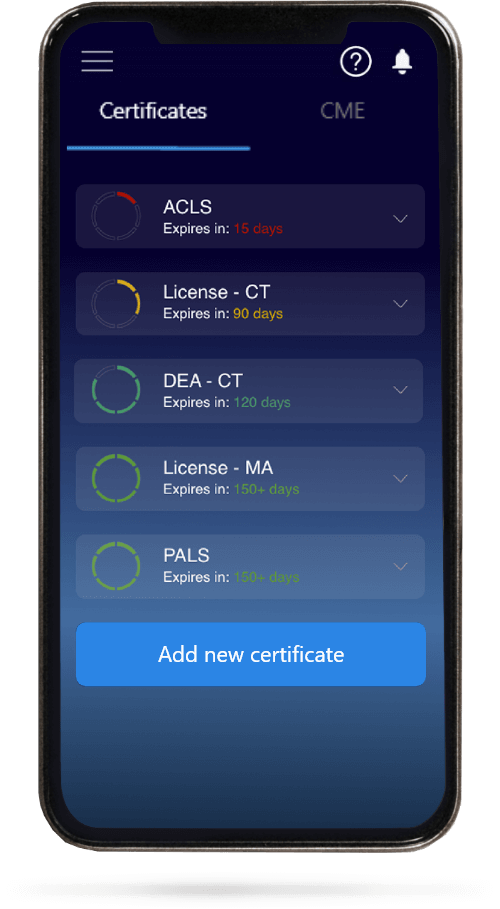
All Your Certificates in One Place
When you have your licenses, certificates and CMEs in one place, it's easier to track your career growth. You can easily share these with hospitals as well, using your medtigo app.