The epidemiology of Streptococcus sanguinis is the study of the distribution and determinants of the infections caused by this bacterium in different populations and settings. Streptococcus sanguinis is a type of bacteria that belongs to the genus Streptococcus, which is mainly found in the oral cavity, where it helps to prevent dental caries by inhibiting the growth of other cariogenic bacteria, such as Streptococcus mutans. However, Streptococcus sanguinis can also cause diseases if it enters the bloodstream through oral trauma or dental procedures.
According to the web search results, some of the aspects of the epidemiology of Streptococcus sanguinis are:
Streptococcus sanguinis is primarily an oral commensal that can be transmitted from person to person through saliva or dental plaque. It can also be acquired from animal sources, such as poultry, pigs, cattle, and camels.
Streptococcus sanguinis is more likely to cause infections in people with certain risk factors, such as poor oral hygiene, dental caries, periodontal disease, oral surgery, immunosuppression, congenital heart defects, or prosthetic valves.
Streptococcus sanguinis is the most common cause of subacute bacterial endocarditis (SBE), which is an infection of the heart valves or the inner lining of the heart chambers. It can also cause pharyngitis, bacteremia, septicemia, meningitis, and brain abscesses.
The incidence and prevalence of Streptococcus sanguinis infections are not well known, as this bacterium is often misidentified or overlooked by conventional diagnostic methods. However, with the advancement of molecular methods, such as PCR and MALDI-TOF MS, more cases of Streptococcus sanguinis infections have been reported recently.
The mortality rate of Streptococcus sanguinis infections is low compared to other streptococcal species, such as Streptococcus pyogenes (group A) or Streptococcus pneumoniae. However, complications and relapses may occur if the infection is not treated correctly or promptly.
Streptococcus sanguinis, also known as Streptococcus oralis, is a genus-classifying genus Gram-positive bacteria species. Streptococcus. It is a commensal bacterium found in the human oral cavity and is part of the normal oral microbiota. However, under certain circumstances, it can also act as an opportunistic pathogen and cause various infections.
Kingdom: Bacteria
Phylum: Firmicutes
Class: Bacilli
Order: Lactobacillales
Family: Streptococcaceae
Genus: Streptococcus
Species: sanguinis (or oralis)
Streptococcus sanguinis has a characteristic spherical or oval shape and typically appears in chains or pairs under the microscope. It is a Gram-positive bacterium, meaning it retains the purple crystal violet stain during the Gram staining procedure due to the thick peptidoglycan layer in its cell wall.
The cell wall of Streptococcus sanguinis contains peptidoglycan, teichoic acids, and lipoteichoic acids. These components provide structural integrity and protection to the bacterium. The cell’s outer surface may have adhesins and pili, which aid in attachment to host tissues and other bacterial cells.
Streptococcus sanguinis lacks a capsule, which distinguishes it from other pathogenic streptococci. However, it possesses fimbriae or pili that help in adherence to surfaces, including tooth enamel and oral tissues. These adhesive properties contribute to the colonization of the oral cavity and the formation of dental plaque.
Regarding metabolism, Streptococcus sanguinis is a facultative anaerobe, capable of surviving in both aerobic and anaerobic conditions. It ferments carbohydrates and produces lactic acid as a metabolic byproduct.
Streptococcus sanguinis belongs to the Viridans Streptococcus group, a heterogeneous streptococci group that does not express Lancefield antigens. Based on their serological reactions, Lancefield antigens are carbohydrate antigens used to classify streptococci A to V. However, some strains of Streptococcus sanguinis may express group A or group C Lancefield antigens, which can confuse with other streptococcal species that cause pharyngitis, such as Streptococcus pyogenes (group A) or Streptococcus dysgalactiae (group C).
Different strains of Streptococcus sanguinis have been isolated and identified from various sources, such as human blood, oral cavity, or animals. Some of the strains of Streptococcus sanguinis are:
SK1: This strain type of Streptococcus sanguinis was first isolated from human blood in 1946 by White and Niven. It has been sequenced and annotated, and its genome size is 2.39 Mb with 2,274 genes. It is also known as ATCC 10556, CCUG 17826, CCUG 35770, CIP 55.128, DSM 20567, JCM 5708, BCCM/LMG 14702, NCTC 7863.
SK36: This strain of Streptococcus sanguinis was isolated from human blood in 2007 by Paik et al. It has been sequenced and annotated, and its genome size is 2.38 Mb with 2,263 genes. It is also known as ATCC BAA-1599.
SK150: This strain of Streptococcus sanguinis was isolated from human blood in 2007 by Paik et al. It has been sequenced and annotated, and its genome size is 2.38 Mb with 2,264 genes. It is also known as ATCC BAA-1600.
The pathogenesis of Streptococcus sanguinis is the process by which this bacterium causes disease in its host, which is mainly found in the oral cavity, which helps to prevent dental caries by inhibiting the growth of other cariogenic bacteria, such as Streptococcus mutans. However, Streptococcus sanguinis can also cause diseases if it enters the bloodstream through oral trauma or dental procedures.
Some of the factors that are involved in the pathogenesis of Streptococcus sanguinis are:
Adherence: Streptococcus sanguinis can attach to the host cells or tissues using surface proteins, such as SspA, SspB, and SsaB. These proteins can mediate the binding of Streptococcus sanguinis to the oral epithelium, the platelets, and the heart valves, respectively.
Invasion: Streptococcus sanguinis can invade the host cells by using secreted enzymes, such as hyaluronidase and neuraminidase. These enzymes can degrade the extracellular matrix and the host cell membrane, allowing Streptococcus sanguinis to enter the cytoplasm or the intracellular compartments.
Biofilm formation: Streptococcus sanguinis can form biofilms on the host surfaces or devices, such as catheters, prosthetic valves, and stents. Biofilms are bacteria communities encapsulated in an extracellular polymeric substances (EPS) matrix. Biofilms can protect Streptococcus sanguinis from the host immune system and the antibiotics and facilitate the infection’s persistence and dissemination.
Toxin production: Streptococcus sanguinis can produce toxins that can damage the host cells or tissues, such as hydrogen peroxide and hemolysin. A reactive oxygen species called hydrogen peroxide can induce oxidative stress and apoptosis in the host cells. Hemolysin is a pore-forming toxin that can lyse the red blood cells and other cells, causing hemolysis, inflammation, and tissue necrosis.
Host defenses of Streptococcus sanguinis are the mechanisms the host organism uses to protect itself from the infection caused by this bacterium.
Some of the host defenses of Streptococcus sanguinis are:
As physical barriers, the skin & mucous membranes function. That prevents the entry of Streptococcus sanguinis into the body. They also secrete antimicrobial substances, such as lysozyme and lactoferrin, that can inhibit the growth of Streptococcus sanguinis.
The innate immune system comprises molecules and cells.s that can recognize and eliminate Streptococcus sanguinis without prior exposure. These include neutrophils, macrophages, natural killer cells, complement systems, and cytokines. They can phagocytose, kill, or opsonize Streptococcus sanguinis, trigger inflammation, and recruit other immune cells to the site of infection.
After exposure to Streptococcus sanguinis, the adaptive immune system’s cells and molecules can provide a focused and persistent response. These include B cells, T cells, antibodies, and memory cells. They can produce antibodies that can neutralize or opsonize Streptococcus sanguinis and activate the complement system and phagocytes. They can also produce cytotoxic T cells that can directly kill infected cells and helper T cells that can regulate the immune response.
The clinical manifestations of Streptococcus sanguinis are the signs and symptoms that result from the infection caused by this bacterium. Streptococcus sanguinis is a type of bacteria that belongs to the genus Streptococcus, which is mainly found in the oral cavity, where it helps to prevent dental caries by inhibiting the growth of other cariogenic bacteria, such as Streptococcus mutans. However, Streptococcus sanguinis can also cause diseases if it enters the bloodstream through oral trauma or dental procedures.
Some of the clinical manifestations of Streptococcus sanguinis infection are:
Infective endocarditis: This is the most common and severe disease caused by Streptococcus sanguinis. It is an infection of the heart chambers’ inside lining or the heart valves, leading to valve damage, heart failure, embolism, or septic shock. The symptoms of infective endocarditis may include fever, chills, night sweats, fatigue, weight loss, chest pain, shortness of breath, heart murmur, petechiae, splenomegaly, and neurological complications. Based on these factors, infective endocarditis is diagnosed by the isolation and identification of Streptococcus sanguinis from blood cultures and the presence of clinical criteria, such as positive echocardiography or evidence of embolic phenomena. The treatment of infective endocarditis involves prolonged antibiotic therapy and sometimes surgical intervention.
Pharyngitis: This is a pharynx or throat inflammation caused by Streptococcus sanguinis as part of the group A streptococci (GAS). The symptoms of pharyngitis may include sore throat, difficulty swallowing, fever, headache, swollen lymph nodes, and white patches on the tonsils. The diagnosis of pharyngitis is based on the rapid antigen detection test (RADT) or throat culture for GAS. The treatment of pharyngitis involves antibiotic therapy and symptomatic relief.
Bacteremia: This is the presence of bacteria in the blood, which can be caused by Streptococcus sanguinis because of oral trauma or dental procedures. The symptoms of bacteremia may include fever, chills, malaise, and hypotension. The diagnosis of bacteremia is based on isolating and identifying Streptococcus sanguinis from blood cultures. The treatment of bacteremia involves antibiotic therapy and supportive care.
Conventional bacteriological methods: Culturing the sample on specific media and performing biochemical tests to identify the species. It’s simple but time-consuming.
Polymerase chain reaction (PCR): Amplifying and detecting specific DNA sequences of Streptococcus sanguinis. It provides rapid and accurate results but requires specialized equipment and training.
Utilising the matrix-assisted laser desorption ionization time of flight (MALDI-TOF MS) for mass spectrometry: Analyzing the protein profile of Streptococcus sanguinis. It provides quick identification and differentiation of species but requires expensive equipment and a comprehensive reference database.
Loop-mediated isothermal amplification (LAMP): Amplifying and detecting specific DNA sequences under isothermal conditions. It offers rapid and sensitive results and can be visualized easily but requires careful primer design and optimization.
These methods vary in simplicity, speed, accuracy, and equipment requirements.
To prevent Streptococcus sanguinis infection:
Maintain good oral hygiene (brushing, flossing, mouthwash, dentist visits).
Avoid sharing personal items, especially with sick individuals.
Avoid habits that introduce bacteria into the bloodstream (nail-biting, finger-sucking).
Consult a doctor before dental/surgical procedures if at risk for heart-related issues and take antibiotics if necessary.
Seek medical attention for signs of infection (sore throat, fever) and get tested for streptococcal infections.
Boost immunity through a balanced diet, sleep, exercise, and stress management
Streptococcus sanguinis – an overview | ScienceDirect Topics
Streptococcal Toxic Shock Syndrome: All You Need to Know | CDC
The epidemiology of Streptococcus sanguinis is the study of the distribution and determinants of the infections caused by this bacterium in different populations and settings. Streptococcus sanguinis is a type of bacteria that belongs to the genus Streptococcus, which is mainly found in the oral cavity, where it helps to prevent dental caries by inhibiting the growth of other cariogenic bacteria, such as Streptococcus mutans. However, Streptococcus sanguinis can also cause diseases if it enters the bloodstream through oral trauma or dental procedures.
According to the web search results, some of the aspects of the epidemiology of Streptococcus sanguinis are:
Streptococcus sanguinis is primarily an oral commensal that can be transmitted from person to person through saliva or dental plaque. It can also be acquired from animal sources, such as poultry, pigs, cattle, and camels.
Streptococcus sanguinis is more likely to cause infections in people with certain risk factors, such as poor oral hygiene, dental caries, periodontal disease, oral surgery, immunosuppression, congenital heart defects, or prosthetic valves.
Streptococcus sanguinis is the most common cause of subacute bacterial endocarditis (SBE), which is an infection of the heart valves or the inner lining of the heart chambers. It can also cause pharyngitis, bacteremia, septicemia, meningitis, and brain abscesses.
The incidence and prevalence of Streptococcus sanguinis infections are not well known, as this bacterium is often misidentified or overlooked by conventional diagnostic methods. However, with the advancement of molecular methods, such as PCR and MALDI-TOF MS, more cases of Streptococcus sanguinis infections have been reported recently.
The mortality rate of Streptococcus sanguinis infections is low compared to other streptococcal species, such as Streptococcus pyogenes (group A) or Streptococcus pneumoniae. However, complications and relapses may occur if the infection is not treated correctly or promptly.
Streptococcus sanguinis, also known as Streptococcus oralis, is a genus-classifying genus Gram-positive bacteria species. Streptococcus. It is a commensal bacterium found in the human oral cavity and is part of the normal oral microbiota. However, under certain circumstances, it can also act as an opportunistic pathogen and cause various infections.
Kingdom: Bacteria
Phylum: Firmicutes
Class: Bacilli
Order: Lactobacillales
Family: Streptococcaceae
Genus: Streptococcus
Species: sanguinis (or oralis)
Streptococcus sanguinis has a characteristic spherical or oval shape and typically appears in chains or pairs under the microscope. It is a Gram-positive bacterium, meaning it retains the purple crystal violet stain during the Gram staining procedure due to the thick peptidoglycan layer in its cell wall.
The cell wall of Streptococcus sanguinis contains peptidoglycan, teichoic acids, and lipoteichoic acids. These components provide structural integrity and protection to the bacterium. The cell’s outer surface may have adhesins and pili, which aid in attachment to host tissues and other bacterial cells.
Streptococcus sanguinis lacks a capsule, which distinguishes it from other pathogenic streptococci. However, it possesses fimbriae or pili that help in adherence to surfaces, including tooth enamel and oral tissues. These adhesive properties contribute to the colonization of the oral cavity and the formation of dental plaque.
Regarding metabolism, Streptococcus sanguinis is a facultative anaerobe, capable of surviving in both aerobic and anaerobic conditions. It ferments carbohydrates and produces lactic acid as a metabolic byproduct.
Streptococcus sanguinis belongs to the Viridans Streptococcus group, a heterogeneous streptococci group that does not express Lancefield antigens. Based on their serological reactions, Lancefield antigens are carbohydrate antigens used to classify streptococci A to V. However, some strains of Streptococcus sanguinis may express group A or group C Lancefield antigens, which can confuse with other streptococcal species that cause pharyngitis, such as Streptococcus pyogenes (group A) or Streptococcus dysgalactiae (group C).
Different strains of Streptococcus sanguinis have been isolated and identified from various sources, such as human blood, oral cavity, or animals. Some of the strains of Streptococcus sanguinis are:
SK1: This strain type of Streptococcus sanguinis was first isolated from human blood in 1946 by White and Niven. It has been sequenced and annotated, and its genome size is 2.39 Mb with 2,274 genes. It is also known as ATCC 10556, CCUG 17826, CCUG 35770, CIP 55.128, DSM 20567, JCM 5708, BCCM/LMG 14702, NCTC 7863.
SK36: This strain of Streptococcus sanguinis was isolated from human blood in 2007 by Paik et al. It has been sequenced and annotated, and its genome size is 2.38 Mb with 2,263 genes. It is also known as ATCC BAA-1599.
SK150: This strain of Streptococcus sanguinis was isolated from human blood in 2007 by Paik et al. It has been sequenced and annotated, and its genome size is 2.38 Mb with 2,264 genes. It is also known as ATCC BAA-1600.
The pathogenesis of Streptococcus sanguinis is the process by which this bacterium causes disease in its host, which is mainly found in the oral cavity, which helps to prevent dental caries by inhibiting the growth of other cariogenic bacteria, such as Streptococcus mutans. However, Streptococcus sanguinis can also cause diseases if it enters the bloodstream through oral trauma or dental procedures.
Some of the factors that are involved in the pathogenesis of Streptococcus sanguinis are:
Adherence: Streptococcus sanguinis can attach to the host cells or tissues using surface proteins, such as SspA, SspB, and SsaB. These proteins can mediate the binding of Streptococcus sanguinis to the oral epithelium, the platelets, and the heart valves, respectively.
Invasion: Streptococcus sanguinis can invade the host cells by using secreted enzymes, such as hyaluronidase and neuraminidase. These enzymes can degrade the extracellular matrix and the host cell membrane, allowing Streptococcus sanguinis to enter the cytoplasm or the intracellular compartments.
Biofilm formation: Streptococcus sanguinis can form biofilms on the host surfaces or devices, such as catheters, prosthetic valves, and stents. Biofilms are bacteria communities encapsulated in an extracellular polymeric substances (EPS) matrix. Biofilms can protect Streptococcus sanguinis from the host immune system and the antibiotics and facilitate the infection’s persistence and dissemination.
Toxin production: Streptococcus sanguinis can produce toxins that can damage the host cells or tissues, such as hydrogen peroxide and hemolysin. A reactive oxygen species called hydrogen peroxide can induce oxidative stress and apoptosis in the host cells. Hemolysin is a pore-forming toxin that can lyse the red blood cells and other cells, causing hemolysis, inflammation, and tissue necrosis.
Host defenses of Streptococcus sanguinis are the mechanisms the host organism uses to protect itself from the infection caused by this bacterium.
Some of the host defenses of Streptococcus sanguinis are:
As physical barriers, the skin & mucous membranes function. That prevents the entry of Streptococcus sanguinis into the body. They also secrete antimicrobial substances, such as lysozyme and lactoferrin, that can inhibit the growth of Streptococcus sanguinis.
The innate immune system comprises molecules and cells.s that can recognize and eliminate Streptococcus sanguinis without prior exposure. These include neutrophils, macrophages, natural killer cells, complement systems, and cytokines. They can phagocytose, kill, or opsonize Streptococcus sanguinis, trigger inflammation, and recruit other immune cells to the site of infection.
After exposure to Streptococcus sanguinis, the adaptive immune system’s cells and molecules can provide a focused and persistent response. These include B cells, T cells, antibodies, and memory cells. They can produce antibodies that can neutralize or opsonize Streptococcus sanguinis and activate the complement system and phagocytes. They can also produce cytotoxic T cells that can directly kill infected cells and helper T cells that can regulate the immune response.
The clinical manifestations of Streptococcus sanguinis are the signs and symptoms that result from the infection caused by this bacterium. Streptococcus sanguinis is a type of bacteria that belongs to the genus Streptococcus, which is mainly found in the oral cavity, where it helps to prevent dental caries by inhibiting the growth of other cariogenic bacteria, such as Streptococcus mutans. However, Streptococcus sanguinis can also cause diseases if it enters the bloodstream through oral trauma or dental procedures.
Some of the clinical manifestations of Streptococcus sanguinis infection are:
Infective endocarditis: This is the most common and severe disease caused by Streptococcus sanguinis. It is an infection of the heart chambers’ inside lining or the heart valves, leading to valve damage, heart failure, embolism, or septic shock. The symptoms of infective endocarditis may include fever, chills, night sweats, fatigue, weight loss, chest pain, shortness of breath, heart murmur, petechiae, splenomegaly, and neurological complications. Based on these factors, infective endocarditis is diagnosed by the isolation and identification of Streptococcus sanguinis from blood cultures and the presence of clinical criteria, such as positive echocardiography or evidence of embolic phenomena. The treatment of infective endocarditis involves prolonged antibiotic therapy and sometimes surgical intervention.
Pharyngitis: This is a pharynx or throat inflammation caused by Streptococcus sanguinis as part of the group A streptococci (GAS). The symptoms of pharyngitis may include sore throat, difficulty swallowing, fever, headache, swollen lymph nodes, and white patches on the tonsils. The diagnosis of pharyngitis is based on the rapid antigen detection test (RADT) or throat culture for GAS. The treatment of pharyngitis involves antibiotic therapy and symptomatic relief.
Bacteremia: This is the presence of bacteria in the blood, which can be caused by Streptococcus sanguinis because of oral trauma or dental procedures. The symptoms of bacteremia may include fever, chills, malaise, and hypotension. The diagnosis of bacteremia is based on isolating and identifying Streptococcus sanguinis from blood cultures. The treatment of bacteremia involves antibiotic therapy and supportive care.
Conventional bacteriological methods: Culturing the sample on specific media and performing biochemical tests to identify the species. It’s simple but time-consuming.
Polymerase chain reaction (PCR): Amplifying and detecting specific DNA sequences of Streptococcus sanguinis. It provides rapid and accurate results but requires specialized equipment and training.
Utilising the matrix-assisted laser desorption ionization time of flight (MALDI-TOF MS) for mass spectrometry: Analyzing the protein profile of Streptococcus sanguinis. It provides quick identification and differentiation of species but requires expensive equipment and a comprehensive reference database.
Loop-mediated isothermal amplification (LAMP): Amplifying and detecting specific DNA sequences under isothermal conditions. It offers rapid and sensitive results and can be visualized easily but requires careful primer design and optimization.
These methods vary in simplicity, speed, accuracy, and equipment requirements.
To prevent Streptococcus sanguinis infection:
Maintain good oral hygiene (brushing, flossing, mouthwash, dentist visits).
Avoid sharing personal items, especially with sick individuals.
Avoid habits that introduce bacteria into the bloodstream (nail-biting, finger-sucking).
Consult a doctor before dental/surgical procedures if at risk for heart-related issues and take antibiotics if necessary.
Seek medical attention for signs of infection (sore throat, fever) and get tested for streptococcal infections.
Boost immunity through a balanced diet, sleep, exercise, and stress management
Streptococcus sanguinis – an overview | ScienceDirect Topics
Streptococcal Toxic Shock Syndrome: All You Need to Know | CDC
The epidemiology of Streptococcus sanguinis is the study of the distribution and determinants of the infections caused by this bacterium in different populations and settings. Streptococcus sanguinis is a type of bacteria that belongs to the genus Streptococcus, which is mainly found in the oral cavity, where it helps to prevent dental caries by inhibiting the growth of other cariogenic bacteria, such as Streptococcus mutans. However, Streptococcus sanguinis can also cause diseases if it enters the bloodstream through oral trauma or dental procedures.
According to the web search results, some of the aspects of the epidemiology of Streptococcus sanguinis are:
Streptococcus sanguinis is primarily an oral commensal that can be transmitted from person to person through saliva or dental plaque. It can also be acquired from animal sources, such as poultry, pigs, cattle, and camels.
Streptococcus sanguinis is more likely to cause infections in people with certain risk factors, such as poor oral hygiene, dental caries, periodontal disease, oral surgery, immunosuppression, congenital heart defects, or prosthetic valves.
Streptococcus sanguinis is the most common cause of subacute bacterial endocarditis (SBE), which is an infection of the heart valves or the inner lining of the heart chambers. It can also cause pharyngitis, bacteremia, septicemia, meningitis, and brain abscesses.
The incidence and prevalence of Streptococcus sanguinis infections are not well known, as this bacterium is often misidentified or overlooked by conventional diagnostic methods. However, with the advancement of molecular methods, such as PCR and MALDI-TOF MS, more cases of Streptococcus sanguinis infections have been reported recently.
The mortality rate of Streptococcus sanguinis infections is low compared to other streptococcal species, such as Streptococcus pyogenes (group A) or Streptococcus pneumoniae. However, complications and relapses may occur if the infection is not treated correctly or promptly.
Streptococcus sanguinis, also known as Streptococcus oralis, is a genus-classifying genus Gram-positive bacteria species. Streptococcus. It is a commensal bacterium found in the human oral cavity and is part of the normal oral microbiota. However, under certain circumstances, it can also act as an opportunistic pathogen and cause various infections.
Kingdom: Bacteria
Phylum: Firmicutes
Class: Bacilli
Order: Lactobacillales
Family: Streptococcaceae
Genus: Streptococcus
Species: sanguinis (or oralis)
Streptococcus sanguinis has a characteristic spherical or oval shape and typically appears in chains or pairs under the microscope. It is a Gram-positive bacterium, meaning it retains the purple crystal violet stain during the Gram staining procedure due to the thick peptidoglycan layer in its cell wall.
The cell wall of Streptococcus sanguinis contains peptidoglycan, teichoic acids, and lipoteichoic acids. These components provide structural integrity and protection to the bacterium. The cell’s outer surface may have adhesins and pili, which aid in attachment to host tissues and other bacterial cells.
Streptococcus sanguinis lacks a capsule, which distinguishes it from other pathogenic streptococci. However, it possesses fimbriae or pili that help in adherence to surfaces, including tooth enamel and oral tissues. These adhesive properties contribute to the colonization of the oral cavity and the formation of dental plaque.
Regarding metabolism, Streptococcus sanguinis is a facultative anaerobe, capable of surviving in both aerobic and anaerobic conditions. It ferments carbohydrates and produces lactic acid as a metabolic byproduct.
Streptococcus sanguinis belongs to the Viridans Streptococcus group, a heterogeneous streptococci group that does not express Lancefield antigens. Based on their serological reactions, Lancefield antigens are carbohydrate antigens used to classify streptococci A to V. However, some strains of Streptococcus sanguinis may express group A or group C Lancefield antigens, which can confuse with other streptococcal species that cause pharyngitis, such as Streptococcus pyogenes (group A) or Streptococcus dysgalactiae (group C).
Different strains of Streptococcus sanguinis have been isolated and identified from various sources, such as human blood, oral cavity, or animals. Some of the strains of Streptococcus sanguinis are:
SK1: This strain type of Streptococcus sanguinis was first isolated from human blood in 1946 by White and Niven. It has been sequenced and annotated, and its genome size is 2.39 Mb with 2,274 genes. It is also known as ATCC 10556, CCUG 17826, CCUG 35770, CIP 55.128, DSM 20567, JCM 5708, BCCM/LMG 14702, NCTC 7863.
SK36: This strain of Streptococcus sanguinis was isolated from human blood in 2007 by Paik et al. It has been sequenced and annotated, and its genome size is 2.38 Mb with 2,263 genes. It is also known as ATCC BAA-1599.
SK150: This strain of Streptococcus sanguinis was isolated from human blood in 2007 by Paik et al. It has been sequenced and annotated, and its genome size is 2.38 Mb with 2,264 genes. It is also known as ATCC BAA-1600.
The pathogenesis of Streptococcus sanguinis is the process by which this bacterium causes disease in its host, which is mainly found in the oral cavity, which helps to prevent dental caries by inhibiting the growth of other cariogenic bacteria, such as Streptococcus mutans. However, Streptococcus sanguinis can also cause diseases if it enters the bloodstream through oral trauma or dental procedures.
Some of the factors that are involved in the pathogenesis of Streptococcus sanguinis are:
Adherence: Streptococcus sanguinis can attach to the host cells or tissues using surface proteins, such as SspA, SspB, and SsaB. These proteins can mediate the binding of Streptococcus sanguinis to the oral epithelium, the platelets, and the heart valves, respectively.
Invasion: Streptococcus sanguinis can invade the host cells by using secreted enzymes, such as hyaluronidase and neuraminidase. These enzymes can degrade the extracellular matrix and the host cell membrane, allowing Streptococcus sanguinis to enter the cytoplasm or the intracellular compartments.
Biofilm formation: Streptococcus sanguinis can form biofilms on the host surfaces or devices, such as catheters, prosthetic valves, and stents. Biofilms are bacteria communities encapsulated in an extracellular polymeric substances (EPS) matrix. Biofilms can protect Streptococcus sanguinis from the host immune system and the antibiotics and facilitate the infection’s persistence and dissemination.
Toxin production: Streptococcus sanguinis can produce toxins that can damage the host cells or tissues, such as hydrogen peroxide and hemolysin. A reactive oxygen species called hydrogen peroxide can induce oxidative stress and apoptosis in the host cells. Hemolysin is a pore-forming toxin that can lyse the red blood cells and other cells, causing hemolysis, inflammation, and tissue necrosis.
Host defenses of Streptococcus sanguinis are the mechanisms the host organism uses to protect itself from the infection caused by this bacterium.
Some of the host defenses of Streptococcus sanguinis are:
As physical barriers, the skin & mucous membranes function. That prevents the entry of Streptococcus sanguinis into the body. They also secrete antimicrobial substances, such as lysozyme and lactoferrin, that can inhibit the growth of Streptococcus sanguinis.
The innate immune system comprises molecules and cells.s that can recognize and eliminate Streptococcus sanguinis without prior exposure. These include neutrophils, macrophages, natural killer cells, complement systems, and cytokines. They can phagocytose, kill, or opsonize Streptococcus sanguinis, trigger inflammation, and recruit other immune cells to the site of infection.
After exposure to Streptococcus sanguinis, the adaptive immune system’s cells and molecules can provide a focused and persistent response. These include B cells, T cells, antibodies, and memory cells. They can produce antibodies that can neutralize or opsonize Streptococcus sanguinis and activate the complement system and phagocytes. They can also produce cytotoxic T cells that can directly kill infected cells and helper T cells that can regulate the immune response.
The clinical manifestations of Streptococcus sanguinis are the signs and symptoms that result from the infection caused by this bacterium. Streptococcus sanguinis is a type of bacteria that belongs to the genus Streptococcus, which is mainly found in the oral cavity, where it helps to prevent dental caries by inhibiting the growth of other cariogenic bacteria, such as Streptococcus mutans. However, Streptococcus sanguinis can also cause diseases if it enters the bloodstream through oral trauma or dental procedures.
Some of the clinical manifestations of Streptococcus sanguinis infection are:
Infective endocarditis: This is the most common and severe disease caused by Streptococcus sanguinis. It is an infection of the heart chambers’ inside lining or the heart valves, leading to valve damage, heart failure, embolism, or septic shock. The symptoms of infective endocarditis may include fever, chills, night sweats, fatigue, weight loss, chest pain, shortness of breath, heart murmur, petechiae, splenomegaly, and neurological complications. Based on these factors, infective endocarditis is diagnosed by the isolation and identification of Streptococcus sanguinis from blood cultures and the presence of clinical criteria, such as positive echocardiography or evidence of embolic phenomena. The treatment of infective endocarditis involves prolonged antibiotic therapy and sometimes surgical intervention.
Pharyngitis: This is a pharynx or throat inflammation caused by Streptococcus sanguinis as part of the group A streptococci (GAS). The symptoms of pharyngitis may include sore throat, difficulty swallowing, fever, headache, swollen lymph nodes, and white patches on the tonsils. The diagnosis of pharyngitis is based on the rapid antigen detection test (RADT) or throat culture for GAS. The treatment of pharyngitis involves antibiotic therapy and symptomatic relief.
Bacteremia: This is the presence of bacteria in the blood, which can be caused by Streptococcus sanguinis because of oral trauma or dental procedures. The symptoms of bacteremia may include fever, chills, malaise, and hypotension. The diagnosis of bacteremia is based on isolating and identifying Streptococcus sanguinis from blood cultures. The treatment of bacteremia involves antibiotic therapy and supportive care.
Conventional bacteriological methods: Culturing the sample on specific media and performing biochemical tests to identify the species. It’s simple but time-consuming.
Polymerase chain reaction (PCR): Amplifying and detecting specific DNA sequences of Streptococcus sanguinis. It provides rapid and accurate results but requires specialized equipment and training.
Utilising the matrix-assisted laser desorption ionization time of flight (MALDI-TOF MS) for mass spectrometry: Analyzing the protein profile of Streptococcus sanguinis. It provides quick identification and differentiation of species but requires expensive equipment and a comprehensive reference database.
Loop-mediated isothermal amplification (LAMP): Amplifying and detecting specific DNA sequences under isothermal conditions. It offers rapid and sensitive results and can be visualized easily but requires careful primer design and optimization.
These methods vary in simplicity, speed, accuracy, and equipment requirements.
To prevent Streptococcus sanguinis infection:
Maintain good oral hygiene (brushing, flossing, mouthwash, dentist visits).
Avoid sharing personal items, especially with sick individuals.
Avoid habits that introduce bacteria into the bloodstream (nail-biting, finger-sucking).
Consult a doctor before dental/surgical procedures if at risk for heart-related issues and take antibiotics if necessary.
Seek medical attention for signs of infection (sore throat, fever) and get tested for streptococcal infections.
Boost immunity through a balanced diet, sleep, exercise, and stress management
Streptococcus sanguinis – an overview | ScienceDirect Topics
Streptococcal Toxic Shock Syndrome: All You Need to Know | CDC
Loading...
Free CME credits
Both our subscription plans include Free CME/CPD AMA PRA Category 1 credits.
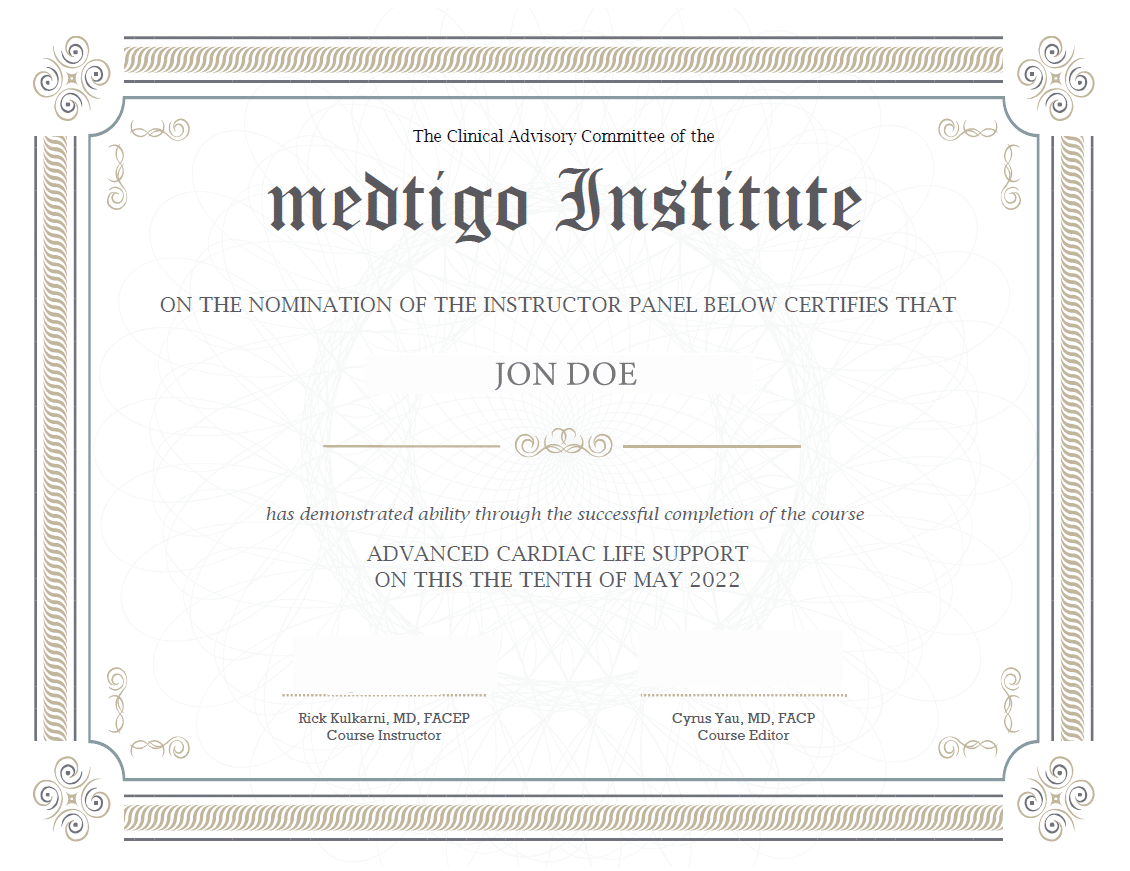
Digital Certificate PDF
On course completion, you will receive a full-sized presentation quality digital certificate.
medtigo Simulation
A dynamic medical simulation platform designed to train healthcare professionals and students to effectively run code situations through an immersive hands-on experience in a live, interactive 3D environment.
medtigo Points
medtigo points is our unique point redemption system created to award users for interacting on our site. These points can be redeemed for special discounts on the medtigo marketplace as well as towards the membership cost itself.
Community Forum post/reply = 5 points
*Redemption of points can occur only through the medtigo marketplace, courses, or simulation system. Money will not be credited to your bank account. 10 points = $1.
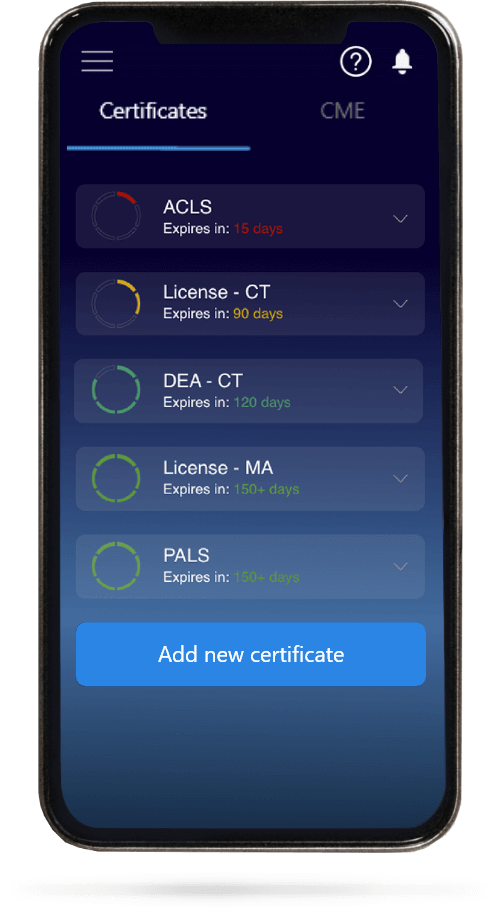
All Your Certificates in One Place
When you have your licenses, certificates and CMEs in one place, it's easier to track your career growth. You can easily share these with hospitals as well, using your medtigo app.