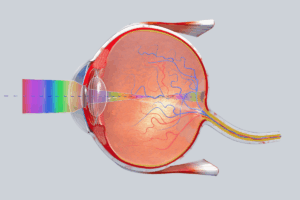
World’s First Human Implant of a 3D-Printed Cornea Restores Sight
December 15, 2025






Background
Actinomycosis is a rare, chronic bacterial infection that primarily affects the mouth, throat, lungs, and gastrointestinal tract. It is caused by bacteria of the Actinomyces species, which are normally found in the oral cavity, gastrointestinal tract, and female genital tract. The infection usually occurs when the bacteria invade the surrounding tissues, causing inflammation and abscess formation.
Actinomycosis can also spread to other parts of the body, such as the bones and brain, although this is rare. The condition is often characterized by the formation of pus-filled abscesses, which can be difficult to treat with antibiotics alone. In some cases, surgical intervention may be necessary to remove the affected tissues.
Epidemiology
Actinomycosis is a relatively rare disease, with an estimated incidence of 1 in 300,000 people per year. It can affect people of all ages and both sexes, but it is more common in males than females. The disease is most frequently observed in rural populations, especially those who work in agriculture and have poor dental hygiene.
It is also more common in people with weakened immune systems, such as those with HIV/AIDS, cancer, or who are taking immunosuppressive drugs. Actinomycosis is not contagious and is not spread from person to person.
Instead, the bacteria that cause actinomycosis are normally present in the mouth and digestive tract and can cause infection when they enter the body through an injury or break in the skin or mucous membranes. In addition, some dental procedures and surgeries can increase the risk of actinomycosis infection if the bacteria enter the bloodstream.
Anatomy
Pathophysiology
Actinomycosis is caused by the bacteria Actinomyces species, which are Gram-positive anaerobic bacteria that normally reside in the oral cavity, gastrointestinal tract, and female genital tract. The infection usually starts with the colonization of the bacteria in the mucous membranes or damaged tissue. The bacteria form colonies, known as “sulfur granules,” that grow slowly and invade the surrounding tissues, causing inflammation and abscess formation.
As the bacteria continue to grow, they may invade deeper tissues, such as bones or organs, causing more severe symptoms. In some cases, the infection can spread to other parts of the body, such as the brain or heart, through the bloodstream or contiguous spread. The hallmark of actinomycosis is the formation of pus-filled abscesses, which can be chronic and difficult to treat with antibiotics alone.
The bacteria can also form sinuses or fistulas, which can discharge pus and granular material. In addition to tissue destruction caused by the bacteria, actinomycosis can also trigger an immune response that further contributes to inflammation and tissue damage. The infection can also lead to systemic symptoms, such as fever, weight loss, and fatigue.
Etiology
The primary cause of actinomycosis is infection with bacteria of the Actinomyces species, which are normally present in the mouth, digestive tract, and female genital tract. The most common species that cause actinomycosis are Actinomyces israelii, Actinomyces naeslundii, and Actinomyces odontolyticus.
The infection usually occurs when these bacteria enter the body through an injury or break in the skin or mucous membranes, such as during dental procedures or surgeries, trauma, or underlying medical conditions.
Factors that increase the risk of developing actinomycosis include poor dental hygiene, alcohol abuse, malnutrition, weakened immune system due to underlying medical conditions such as HIV/AIDS, cancer, or diabetes, and long-term use of immunosuppressive drugs. Rarely, actinomycosis can also occur as a result of direct trauma or contamination with soil, which can harbor Actinomyces bacteria.
Genetics
Prognostic Factors
The prognosis of actinomycosis is generally good if the infection is diagnosed and treated promptly. With appropriate antibiotic therapy, most patients show a favorable response and complete resolution of the infection. However, the prognosis can be poor in cases of delayed diagnosis, inadequate treatment, or involvement of vital organs.
The potential complications of actinomycosis may include the formation of abscesses, fistulae, and sinus tracts, which may require surgical intervention. In some cases, actinomycosis may spread to other parts of the body, leading to systemic infections such as sepsis or endocarditis, which can be life-threatening.
Patients with immunodeficiency, underlying medical conditions, or a history of previous radiation therapy are at increased risk of developing actinomycosis and may have a poorer prognosis. Early recognition, diagnosis, and treatment of actinomycosis are essential to prevent complications and improve the prognosis.
Clinical History
Clinical history
Actinomycosis is a chronic, slowly progressive bacterial infection caused by Actinomyces bacteria. The clinical presentation of actinomycosis can vary depending on the site of infection. The following is a brief overview of the clinical history of actinomycosis:
Oral and cervicofacial actinomycosis: This is the most common form of actinomycosis. It often presents as a slowly progressive, painless swelling or mass in the jaw or neck region, which may be associated with draining sinuses and pus discharge. The patient may also experience fever, malaise, and weight loss.
Thoracic actinomycosis: This form of actinomycosis often presents with symptoms similar to tuberculosis, including cough, chest pain, shortness of breath, and fever. It may also be associated with pleural effusion, lung abscess, or empyema.
Abdominal actinomycosis: This form of actinomycosis often presents as a mass or abscess in the abdomen, which may be associated with abdominal pain, fever, and weight loss. It may also cause intestinal obstruction, fistula formation, or perforation.
Pelvic actinomycosis: This form of actinomycosis may present with chronic pelvic pain, vaginal discharge, and menstrual irregularities in women. In men, it may present with a prostatic abscess or urethral discharge.
The diagnosis of actinomycosis can be challenging and requires a high index of suspicion. A detailed clinical history, physical examination, and laboratory tests, including blood cultures, biopsy, and imaging studies, can aid in the diagnosis of actinomycosis.
Physical Examination
Physical examination
The physical examination of actinomycosis can vary depending on the site of infection. The following is a brief overview of the physical examination findings in different forms of actinomycosis:
Oral and cervicofacial actinomycosis: The physical examination may reveal a painless, indurated mass or swelling in the jaw or neck region, which may be associated with draining sinuses and pus discharge. The affected area may be tender to touch, and there may be trismus (difficulty opening the mouth).
Thoracic actinomycosis: The physical examination may reveal decreased breath sounds, crackles, or wheezing in the affected lung. There may be signs of pleural effusion, such as dullness to percussion and decreased fremitus. In advanced cases, there may be signs of respiratory distress, such as tachypnea and cyanosis.
Abdominal actinomycosis: The physical examination may reveal a palpable mass or tenderness in the abdomen, which may be associated with guarding or rebound tenderness. There may be signs of peritonitis, such as rigidity and distension of the abdomen. In women, there may be pelvic tenderness or cervical motion tenderness.
Pelvic actinomycosis: The physical examination may reveal tenderness or mass in the pelvis, which may be associated with vaginal discharge and menstrual irregularities in women. In men, there may be prostatic tenderness or urethral discharge.
Age group
Associated comorbidity
Associated activity
Acuity of presentation
Differential Diagnoses
Differential diagnosis
Actinomycosis is a rare bacterial infection caused by Actinomyces bacteria, which normally live in the mouth, gastrointestinal tract, and female genital tract. The infection can occur in various parts of the body, such as the mouth, lungs, abdomen, pelvis, and brain. The following is a list of conditions that can be considered in the differential diagnosis of actinomycosis:
A careful history, physical examination, and laboratory tests, including blood cultures, biopsy, and imaging studies, can help in the diagnosis of actinomycosis and differentiation from other conditions.
Laboratory Studies
Imaging Studies
Procedures
Histologic Findings
Staging
Treatment Paradigm
Actinomycosis is a rare bacterial infection caused by various species of Actinomyces, which are anaerobic or microaerophilic bacteria. The treatment paradigm for actinomycosis typically involves antimicrobial therapy, often with surgical intervention in more severe cases. Here is an overview of the treatment approach:
Antibiotic Therapy:
Surgical Intervention:
Follow-Up and Monitoring:
Adjunctive Therapies:
Long-Term Antibiotic Therapy:
by Stage
by Modality
Chemotherapy
Radiation Therapy
Surgical Interventions
Hormone Therapy
Immunotherapy
Hyperthermia
Photodynamic Therapy
Stem Cell Transplant
Targeted Therapy
Palliative Care
use-of-a-non-pharmacological-approach-for-treating-actniomycosis
The primary treatment for actinomycosis involves antibiotics and, in some cases, surgical intervention.
Role of Anti-biotics in the management of Actinomycosis
Antibiotics play a central role in the treatment of actinomycosis, a bacterial infection caused by various species of Actinomyces. Actinomyces are anaerobic or microaerophilic bacteria that commonly inhabit the oral and gastrointestinal tracts. The choice of antibiotics and the duration of treatment depend on the severity and location of the infection.
Penicillin as the First-Line Treatment:
Oral Antibiotics for Prolonged Treatment:
Alternative Antibiotics for Treating Actinomycosis in Penicillin-Allergic Patients
In cases where a patient is allergic to penicillin, alternative antibiotics can be used to treat actinomycosis. Some common alternatives include:
use-of-intervention-with-a-procedure-in-treating-actinomycosis
The treatment of actinomycosis may involve interventions with procedures in certain cases, particularly when there are abscesses, tissue masses, or complications that may not respond adequately to antibiotic therapy alone.
use-of-phases-in-managing-actinomycosis
Managing actinomycosis typically involves several phases to ensure effective treatment and resolution of the infection. Here’s a breakdown of the key phases in managing actinomycosis:
Medication
Future Trends
References
Actinomycosis is a rare, chronic bacterial infection that primarily affects the mouth, throat, lungs, and gastrointestinal tract. It is caused by bacteria of the Actinomyces species, which are normally found in the oral cavity, gastrointestinal tract, and female genital tract. The infection usually occurs when the bacteria invade the surrounding tissues, causing inflammation and abscess formation.
Actinomycosis can also spread to other parts of the body, such as the bones and brain, although this is rare. The condition is often characterized by the formation of pus-filled abscesses, which can be difficult to treat with antibiotics alone. In some cases, surgical intervention may be necessary to remove the affected tissues.
Actinomycosis is a relatively rare disease, with an estimated incidence of 1 in 300,000 people per year. It can affect people of all ages and both sexes, but it is more common in males than females. The disease is most frequently observed in rural populations, especially those who work in agriculture and have poor dental hygiene.
It is also more common in people with weakened immune systems, such as those with HIV/AIDS, cancer, or who are taking immunosuppressive drugs. Actinomycosis is not contagious and is not spread from person to person.
Instead, the bacteria that cause actinomycosis are normally present in the mouth and digestive tract and can cause infection when they enter the body through an injury or break in the skin or mucous membranes. In addition, some dental procedures and surgeries can increase the risk of actinomycosis infection if the bacteria enter the bloodstream.
Actinomycosis is caused by the bacteria Actinomyces species, which are Gram-positive anaerobic bacteria that normally reside in the oral cavity, gastrointestinal tract, and female genital tract. The infection usually starts with the colonization of the bacteria in the mucous membranes or damaged tissue. The bacteria form colonies, known as “sulfur granules,” that grow slowly and invade the surrounding tissues, causing inflammation and abscess formation.
As the bacteria continue to grow, they may invade deeper tissues, such as bones or organs, causing more severe symptoms. In some cases, the infection can spread to other parts of the body, such as the brain or heart, through the bloodstream or contiguous spread. The hallmark of actinomycosis is the formation of pus-filled abscesses, which can be chronic and difficult to treat with antibiotics alone.
The bacteria can also form sinuses or fistulas, which can discharge pus and granular material. In addition to tissue destruction caused by the bacteria, actinomycosis can also trigger an immune response that further contributes to inflammation and tissue damage. The infection can also lead to systemic symptoms, such as fever, weight loss, and fatigue.
The primary cause of actinomycosis is infection with bacteria of the Actinomyces species, which are normally present in the mouth, digestive tract, and female genital tract. The most common species that cause actinomycosis are Actinomyces israelii, Actinomyces naeslundii, and Actinomyces odontolyticus.
The infection usually occurs when these bacteria enter the body through an injury or break in the skin or mucous membranes, such as during dental procedures or surgeries, trauma, or underlying medical conditions.
Factors that increase the risk of developing actinomycosis include poor dental hygiene, alcohol abuse, malnutrition, weakened immune system due to underlying medical conditions such as HIV/AIDS, cancer, or diabetes, and long-term use of immunosuppressive drugs. Rarely, actinomycosis can also occur as a result of direct trauma or contamination with soil, which can harbor Actinomyces bacteria.
The prognosis of actinomycosis is generally good if the infection is diagnosed and treated promptly. With appropriate antibiotic therapy, most patients show a favorable response and complete resolution of the infection. However, the prognosis can be poor in cases of delayed diagnosis, inadequate treatment, or involvement of vital organs.
The potential complications of actinomycosis may include the formation of abscesses, fistulae, and sinus tracts, which may require surgical intervention. In some cases, actinomycosis may spread to other parts of the body, leading to systemic infections such as sepsis or endocarditis, which can be life-threatening.
Patients with immunodeficiency, underlying medical conditions, or a history of previous radiation therapy are at increased risk of developing actinomycosis and may have a poorer prognosis. Early recognition, diagnosis, and treatment of actinomycosis are essential to prevent complications and improve the prognosis.
Clinical history
Actinomycosis is a chronic, slowly progressive bacterial infection caused by Actinomyces bacteria. The clinical presentation of actinomycosis can vary depending on the site of infection. The following is a brief overview of the clinical history of actinomycosis:
Oral and cervicofacial actinomycosis: This is the most common form of actinomycosis. It often presents as a slowly progressive, painless swelling or mass in the jaw or neck region, which may be associated with draining sinuses and pus discharge. The patient may also experience fever, malaise, and weight loss.
Thoracic actinomycosis: This form of actinomycosis often presents with symptoms similar to tuberculosis, including cough, chest pain, shortness of breath, and fever. It may also be associated with pleural effusion, lung abscess, or empyema.
Abdominal actinomycosis: This form of actinomycosis often presents as a mass or abscess in the abdomen, which may be associated with abdominal pain, fever, and weight loss. It may also cause intestinal obstruction, fistula formation, or perforation.
Pelvic actinomycosis: This form of actinomycosis may present with chronic pelvic pain, vaginal discharge, and menstrual irregularities in women. In men, it may present with a prostatic abscess or urethral discharge.
The diagnosis of actinomycosis can be challenging and requires a high index of suspicion. A detailed clinical history, physical examination, and laboratory tests, including blood cultures, biopsy, and imaging studies, can aid in the diagnosis of actinomycosis.
Physical examination
The physical examination of actinomycosis can vary depending on the site of infection. The following is a brief overview of the physical examination findings in different forms of actinomycosis:
Oral and cervicofacial actinomycosis: The physical examination may reveal a painless, indurated mass or swelling in the jaw or neck region, which may be associated with draining sinuses and pus discharge. The affected area may be tender to touch, and there may be trismus (difficulty opening the mouth).
Thoracic actinomycosis: The physical examination may reveal decreased breath sounds, crackles, or wheezing in the affected lung. There may be signs of pleural effusion, such as dullness to percussion and decreased fremitus. In advanced cases, there may be signs of respiratory distress, such as tachypnea and cyanosis.
Abdominal actinomycosis: The physical examination may reveal a palpable mass or tenderness in the abdomen, which may be associated with guarding or rebound tenderness. There may be signs of peritonitis, such as rigidity and distension of the abdomen. In women, there may be pelvic tenderness or cervical motion tenderness.
Pelvic actinomycosis: The physical examination may reveal tenderness or mass in the pelvis, which may be associated with vaginal discharge and menstrual irregularities in women. In men, there may be prostatic tenderness or urethral discharge.
Differential diagnosis
Actinomycosis is a rare bacterial infection caused by Actinomyces bacteria, which normally live in the mouth, gastrointestinal tract, and female genital tract. The infection can occur in various parts of the body, such as the mouth, lungs, abdomen, pelvis, and brain. The following is a list of conditions that can be considered in the differential diagnosis of actinomycosis:
A careful history, physical examination, and laboratory tests, including blood cultures, biopsy, and imaging studies, can help in the diagnosis of actinomycosis and differentiation from other conditions.
Actinomycosis is a rare bacterial infection caused by various species of Actinomyces, which are anaerobic or microaerophilic bacteria. The treatment paradigm for actinomycosis typically involves antimicrobial therapy, often with surgical intervention in more severe cases. Here is an overview of the treatment approach:
Antibiotic Therapy:
Surgical Intervention:
Follow-Up and Monitoring:
Adjunctive Therapies:
Long-Term Antibiotic Therapy:
The primary treatment for actinomycosis involves antibiotics and, in some cases, surgical intervention.
Antibiotics play a central role in the treatment of actinomycosis, a bacterial infection caused by various species of Actinomyces. Actinomyces are anaerobic or microaerophilic bacteria that commonly inhabit the oral and gastrointestinal tracts. The choice of antibiotics and the duration of treatment depend on the severity and location of the infection.
Penicillin as the First-Line Treatment:
Oral Antibiotics for Prolonged Treatment:
In cases where a patient is allergic to penicillin, alternative antibiotics can be used to treat actinomycosis. Some common alternatives include:
The treatment of actinomycosis may involve interventions with procedures in certain cases, particularly when there are abscesses, tissue masses, or complications that may not respond adequately to antibiotic therapy alone.
Managing actinomycosis typically involves several phases to ensure effective treatment and resolution of the infection. Here’s a breakdown of the key phases in managing actinomycosis:

Actinomycosis is a rare, chronic bacterial infection that primarily affects the mouth, throat, lungs, and gastrointestinal tract. It is caused by bacteria of the Actinomyces species, which are normally found in the oral cavity, gastrointestinal tract, and female genital tract. The infection usually occurs when the bacteria invade the surrounding tissues, causing inflammation and abscess formation.
Actinomycosis can also spread to other parts of the body, such as the bones and brain, although this is rare. The condition is often characterized by the formation of pus-filled abscesses, which can be difficult to treat with antibiotics alone. In some cases, surgical intervention may be necessary to remove the affected tissues.
Actinomycosis is a relatively rare disease, with an estimated incidence of 1 in 300,000 people per year. It can affect people of all ages and both sexes, but it is more common in males than females. The disease is most frequently observed in rural populations, especially those who work in agriculture and have poor dental hygiene.
It is also more common in people with weakened immune systems, such as those with HIV/AIDS, cancer, or who are taking immunosuppressive drugs. Actinomycosis is not contagious and is not spread from person to person.
Instead, the bacteria that cause actinomycosis are normally present in the mouth and digestive tract and can cause infection when they enter the body through an injury or break in the skin or mucous membranes. In addition, some dental procedures and surgeries can increase the risk of actinomycosis infection if the bacteria enter the bloodstream.
Actinomycosis is caused by the bacteria Actinomyces species, which are Gram-positive anaerobic bacteria that normally reside in the oral cavity, gastrointestinal tract, and female genital tract. The infection usually starts with the colonization of the bacteria in the mucous membranes or damaged tissue. The bacteria form colonies, known as “sulfur granules,” that grow slowly and invade the surrounding tissues, causing inflammation and abscess formation.
As the bacteria continue to grow, they may invade deeper tissues, such as bones or organs, causing more severe symptoms. In some cases, the infection can spread to other parts of the body, such as the brain or heart, through the bloodstream or contiguous spread. The hallmark of actinomycosis is the formation of pus-filled abscesses, which can be chronic and difficult to treat with antibiotics alone.
The bacteria can also form sinuses or fistulas, which can discharge pus and granular material. In addition to tissue destruction caused by the bacteria, actinomycosis can also trigger an immune response that further contributes to inflammation and tissue damage. The infection can also lead to systemic symptoms, such as fever, weight loss, and fatigue.
The primary cause of actinomycosis is infection with bacteria of the Actinomyces species, which are normally present in the mouth, digestive tract, and female genital tract. The most common species that cause actinomycosis are Actinomyces israelii, Actinomyces naeslundii, and Actinomyces odontolyticus.
The infection usually occurs when these bacteria enter the body through an injury or break in the skin or mucous membranes, such as during dental procedures or surgeries, trauma, or underlying medical conditions.
Factors that increase the risk of developing actinomycosis include poor dental hygiene, alcohol abuse, malnutrition, weakened immune system due to underlying medical conditions such as HIV/AIDS, cancer, or diabetes, and long-term use of immunosuppressive drugs. Rarely, actinomycosis can also occur as a result of direct trauma or contamination with soil, which can harbor Actinomyces bacteria.
The prognosis of actinomycosis is generally good if the infection is diagnosed and treated promptly. With appropriate antibiotic therapy, most patients show a favorable response and complete resolution of the infection. However, the prognosis can be poor in cases of delayed diagnosis, inadequate treatment, or involvement of vital organs.
The potential complications of actinomycosis may include the formation of abscesses, fistulae, and sinus tracts, which may require surgical intervention. In some cases, actinomycosis may spread to other parts of the body, leading to systemic infections such as sepsis or endocarditis, which can be life-threatening.
Patients with immunodeficiency, underlying medical conditions, or a history of previous radiation therapy are at increased risk of developing actinomycosis and may have a poorer prognosis. Early recognition, diagnosis, and treatment of actinomycosis are essential to prevent complications and improve the prognosis.
Clinical history
Actinomycosis is a chronic, slowly progressive bacterial infection caused by Actinomyces bacteria. The clinical presentation of actinomycosis can vary depending on the site of infection. The following is a brief overview of the clinical history of actinomycosis:
Oral and cervicofacial actinomycosis: This is the most common form of actinomycosis. It often presents as a slowly progressive, painless swelling or mass in the jaw or neck region, which may be associated with draining sinuses and pus discharge. The patient may also experience fever, malaise, and weight loss.
Thoracic actinomycosis: This form of actinomycosis often presents with symptoms similar to tuberculosis, including cough, chest pain, shortness of breath, and fever. It may also be associated with pleural effusion, lung abscess, or empyema.
Abdominal actinomycosis: This form of actinomycosis often presents as a mass or abscess in the abdomen, which may be associated with abdominal pain, fever, and weight loss. It may also cause intestinal obstruction, fistula formation, or perforation.
Pelvic actinomycosis: This form of actinomycosis may present with chronic pelvic pain, vaginal discharge, and menstrual irregularities in women. In men, it may present with a prostatic abscess or urethral discharge.
The diagnosis of actinomycosis can be challenging and requires a high index of suspicion. A detailed clinical history, physical examination, and laboratory tests, including blood cultures, biopsy, and imaging studies, can aid in the diagnosis of actinomycosis.
Physical examination
The physical examination of actinomycosis can vary depending on the site of infection. The following is a brief overview of the physical examination findings in different forms of actinomycosis:
Oral and cervicofacial actinomycosis: The physical examination may reveal a painless, indurated mass or swelling in the jaw or neck region, which may be associated with draining sinuses and pus discharge. The affected area may be tender to touch, and there may be trismus (difficulty opening the mouth).
Thoracic actinomycosis: The physical examination may reveal decreased breath sounds, crackles, or wheezing in the affected lung. There may be signs of pleural effusion, such as dullness to percussion and decreased fremitus. In advanced cases, there may be signs of respiratory distress, such as tachypnea and cyanosis.
Abdominal actinomycosis: The physical examination may reveal a palpable mass or tenderness in the abdomen, which may be associated with guarding or rebound tenderness. There may be signs of peritonitis, such as rigidity and distension of the abdomen. In women, there may be pelvic tenderness or cervical motion tenderness.
Pelvic actinomycosis: The physical examination may reveal tenderness or mass in the pelvis, which may be associated with vaginal discharge and menstrual irregularities in women. In men, there may be prostatic tenderness or urethral discharge.
Differential diagnosis
Actinomycosis is a rare bacterial infection caused by Actinomyces bacteria, which normally live in the mouth, gastrointestinal tract, and female genital tract. The infection can occur in various parts of the body, such as the mouth, lungs, abdomen, pelvis, and brain. The following is a list of conditions that can be considered in the differential diagnosis of actinomycosis:
A careful history, physical examination, and laboratory tests, including blood cultures, biopsy, and imaging studies, can help in the diagnosis of actinomycosis and differentiation from other conditions.
Actinomycosis is a rare bacterial infection caused by various species of Actinomyces, which are anaerobic or microaerophilic bacteria. The treatment paradigm for actinomycosis typically involves antimicrobial therapy, often with surgical intervention in more severe cases. Here is an overview of the treatment approach:
Antibiotic Therapy:
Surgical Intervention:
Follow-Up and Monitoring:
Adjunctive Therapies:
Long-Term Antibiotic Therapy:
The primary treatment for actinomycosis involves antibiotics and, in some cases, surgical intervention.
Antibiotics play a central role in the treatment of actinomycosis, a bacterial infection caused by various species of Actinomyces. Actinomyces are anaerobic or microaerophilic bacteria that commonly inhabit the oral and gastrointestinal tracts. The choice of antibiotics and the duration of treatment depend on the severity and location of the infection.
Penicillin as the First-Line Treatment:
Oral Antibiotics for Prolonged Treatment:
In cases where a patient is allergic to penicillin, alternative antibiotics can be used to treat actinomycosis. Some common alternatives include:
The treatment of actinomycosis may involve interventions with procedures in certain cases, particularly when there are abscesses, tissue masses, or complications that may not respond adequately to antibiotic therapy alone.
Managing actinomycosis typically involves several phases to ensure effective treatment and resolution of the infection. Here’s a breakdown of the key phases in managing actinomycosis:

Both our subscription plans include Free CME/CPD AMA PRA Category 1 credits.

On course completion, you will receive a full-sized presentation quality digital certificate.
A dynamic medical simulation platform designed to train healthcare professionals and students to effectively run code situations through an immersive hands-on experience in a live, interactive 3D environment.

When you have your licenses, certificates and CMEs in one place, it's easier to track your career growth. You can easily share these with hospitals as well, using your medtigo app.