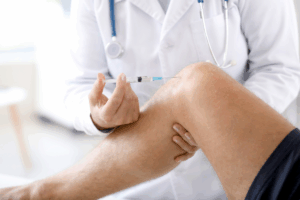
Hidden Risks of Exosome Injections in Pain Management
April 8, 2026






Background
Babesiosis is a tick-borne infectious disease caused by the parasites of the genus Babesia. It primarily affects mammals, including humans, and is characterized by the destruction of red blood cells, leading to anemia.
Babesiosis is most commonly transmitted through the bite of infected ticks, particularly species of the Ixodes genus, which are also responsible for transmitting Lyme disease.
The disease was first identified in cattle in Romania in the late 19th century by the Romanian pathologist Victor Babes, who gave his name to the genus Babesia. Later, it was discovered that humans could also be affected by Babesia species, leading to the recognition of human babesiosis.
Epidemiology
The epidemiology of babesiosis involves the study of the distribution, frequency, and patterns of occurrence of the disease in populations. Babesiosis is considered an emerging infectious disease, and its epidemiology varies in different regions of the world. Here are some key points regarding the epidemiology of babesiosis:
Anatomy
Pathophysiology
The pathophysiology of babesiosis involves the complex interactions between the Babesia parasites and the host’s immune system, as well as the effects of parasite invasion and red blood cell destruction. Here’s an overview of the key aspects of babesiosis pathophysiology:
The severity of babesiosis can vary depending on factors such as the species of Babesia involved, the parasite load, and the host’s immune response. Individuals with compromised immune systems, such as those with HIV/AIDS or undergoing immunosuppressive therapies, are more susceptible to severe and potentially life-threatening babesiosis.
Understanding the pathophysiology of babesiosis helps in the development of diagnostic tests, treatment strategies, and preventive measures. It also guides ongoing research efforts aimed at discovering new therapeutic targets and improving patient outcomes.
Etiology
The etiology of babesiosis refers to the specific organisms responsible for causing the disease. Babesiosis is caused by protozoan parasites of the genus Babesia, which belong to the phylum Apicomplexa. Here are the key points regarding the etiology of babesiosis:
Genetics
Prognostic Factors
The prognosis of babesiosis can vary depending on several factors, including the species of Babesia involved, the severity of the infection, the patient’s overall health, and the timeliness and effectiveness of treatment. Here are some key points regarding the prognosis of babesiosis:
Mild Cases: In healthy individuals with mild cases of babesiosis, the prognosis is generally favorable. With appropriate treatment, symptoms usually improve within a few days to weeks, and the infection is effectively cleared from the body. Complications are rare in mild cases, and the long-term prognosis is excellent.
Severe Cases: Severe babesiosis, particularly in individuals who are immunocompromised, elderly, or have underlying health conditions, can be associated with more significant complications and a potentially worse prognosis. Severe cases may involve complications such as disseminated intravascular coagulation (DIC), acute respiratory distress syndrome (ARDS), acute kidney injury, liver dysfunction, or neurologic abnormalities. Prompt and aggressive treatment is crucial in these cases to improve outcomes.
Co-Infections: If babesiosis occurs alongside other tick-borne co-infections, such as Lyme disease or anaplasmosis, the prognosis may be influenced by the presence and management of these concurrent infections. Co-infections can complicate the clinical course and require appropriate treatment for each infection.
Immune Status: The immune status of the patient can impact the prognosis of babesiosis. Individuals with compromised immune systems, such as those with HIV/AIDS, undergoing immunosuppressive therapy, or with asplenia, may be at higher risk for severe babesiosis and have a more guarded prognosis. Early recognition and prompt treatment are essential in these cases.
Post-Treatment Complications: In some cases, individuals may experience post-treatment complications or persistent symptoms even after completing the recommended course of treatment for babesiosis. This condition, known as post-treatment Lyme disease syndrome (PTLDS), can also occur in patients with babesiosis. The exact cause of PTLDS is not well understood, and its prognosis can vary, with some individuals experiencing resolution of symptoms over time.
Clinical History
Clinical history
When assessing a patient suspected of having babesiosis, healthcare professionals typically gather a comprehensive clinical history to aid in the diagnosis. Here are key elements of the clinical history for babesiosis:
Physical Examination
Physical examination
During a physical examination of a patient suspected of having babesiosis, healthcare professionals typically look for signs and symptoms that may indicate the presence of the infection. Here are some key aspects of the physical examination for babesiosis:
Age group
Associated comorbidity
Associated activity
Acuity of presentation
Differential Diagnoses
Differential diagnosis
When diagnosing babesiosis, healthcare professionals need to consider other diseases with similar clinical presentations. The following are some of the key conditions that may be included in the differential diagnosis of babesiosis:
Malaria: Malaria is another parasitic infection that shares some similarities with babesiosis, such as fever, fatigue, and hemolytic anemia. Malaria is caused by Plasmodium parasites and is typically transmitted by infected mosquitoes. A thorough travel history and examination of blood smears can help differentiate between malaria and babesiosis.
Lyme Disease: Lyme disease is a tick-borne illness caused by the bacterium Borrelia burgdorferi. It is often transmitted by the same ticks that transmit babesiosis. Lyme disease can present with similar symptoms such as fever, fatigue, muscle aches, and headaches. The characteristic erythema migrans rash in Lyme disease can aid in its differentiation from babesiosis.
Viral Infections: Various viral infections, including influenza, dengue fever, and viral hepatitis, can present with fever, fatigue, and flu-like symptoms similar to babesiosis. A detailed medical history, additional symptoms, and specific laboratory tests can help differentiate these viral infections from babesiosis.
Anaplasmosis/Ehrlichiosis: Anaplasmosis and ehrlichiosis are both tick-borne diseases caused by bacteria of the Anaplasma and Ehrlichia genera, respectively. These infections may present with fever, headache, muscle aches, and fatigue, overlapping with babesiosis. Laboratory tests, such as serological testing or molecular methods, can help distinguish these infections from babesiosis.
Viral Hemorrhagic Fevers: Certain viral hemorrhagic fevers, such as Crimean-Congo hemorrhagic fever and hantavirus infections, can present with fever, fatigue, and symptoms similar to babesiosis. These infections are usually associated with specific geographic regions and have additional clinical features that can aid in their differentiation.
Autoimmune Hemolytic Anemia: Autoimmune hemolytic anemia (AIHA) is a condition in which the body’s immune system mistakenly attacks and destroys its own red blood cells. AIHA can cause symptoms similar to babesiosis, such as anemia, fatigue, and jaundice. Laboratory tests, including blood cell counts, direct antiglobulin tests, and autoimmune markers, can help differentiate AIHA from babesiosis.
Laboratory Studies
Imaging Studies
Procedures
Histologic Findings
Staging
Treatment Paradigm
The treatment of babesiosis typically involves the use of specific medications to target the Babesia parasites and alleviate symptoms. The choice of treatment depends on various factors, including the severity of the infection, the species of Babesia involved, the patient’s immune status, and any underlying medical conditions. Here are the key aspects of the treatment of babesiosis:
Antiparasitic Medications: The primary treatment for babesiosis involves antiparasitic medications. The most commonly used drugs for babesiosis treatment include:
Atovaquone plus Azithromycin: This combination is often considered the first-line treatment for mild-to-moderate cases of babesiosis. Atovaquone interferes with the parasite’s mitochondrial function, while azithromycin inhibits protein synthesis.
Clindamycin plus Quinine: This combination is typically reserved for severe or complicated cases of babesiosis. Clindamycin acts on the parasite’s protein synthesis, while quinine disrupts its nucleic acid synthesis.
The duration of treatment varies but usually ranges from 7 to 10 days. However, the treatment course may be extended in severe or immunocompromised cases.
Supportive Care: Alongside antiparasitic treatment, supportive care measures are often implemented to manage symptoms and support the patient’s recovery. Supportive care may include:
Symptomatic Relief: Medications such as nonsteroidal anti-inflammatory drugs (NSAIDs) can help reduce fever, relieve pain, and alleviate symptoms.
Fluid Replacement: Patients with severe cases or complications of babesiosis may require intravenous fluids to maintain hydration and correct any electrolyte imbalances.
Blood Transfusions: In rare instances of severe babesiosis with significant hemolysis or anemia, blood transfusions may be necessary to replace damaged red blood cells.
Monitoring and Follow-up: Close monitoring of the patient’s clinical status, including vital signs, laboratory parameters (such as complete blood count), and Babesia parasite levels, is important throughout the treatment course. Follow-up evaluations are conducted to ensure the effectiveness of treatment and monitor for any potential complications.
It’s worth noting that specific treatment regimens may vary depending on individual patient factors and regional guidelines. In some cases, consultation with an infectious disease specialist may be beneficial, especially for complicated or severe cases. Prevention of babesiosis is also crucial.
Preventive measures include avoiding tick-infested areas, using appropriate protective clothing, applying insect repellents, conducting regular tick checks, and promptly removing attached ticks. These measures help reduce the risk of tick bites and subsequent Babesia infection.
by Stage
by Modality
Chemotherapy
Radiation Therapy
Surgical Interventions
Hormone Therapy
Immunotherapy
Hyperthermia
Photodynamic Therapy
Stem Cell Transplant
Targeted Therapy
Palliative Care
Medication
(Off-Label)
648 mg orally 3 times daily for 7 days accompanied by an oral or intravenous clindamycin
Dose Modifications
In the case of severe renal impairment- 648 mg orally once as a loading dose and then 324 mg orally twice daily
In the case of severe hepatic impairment (Child-Plugh C), do not administer quinine
Limitations
Not accepted for prophylaxis of nocturnal leg cramps and malaria
And, not accepted for complicated Plasmodium falciparum malaria
Future Trends
References
https://www.ncbi.nlm.nih.gov/books/NBK430715/
Babesiosis is a tick-borne infectious disease caused by the parasites of the genus Babesia. It primarily affects mammals, including humans, and is characterized by the destruction of red blood cells, leading to anemia.
Babesiosis is most commonly transmitted through the bite of infected ticks, particularly species of the Ixodes genus, which are also responsible for transmitting Lyme disease.
The disease was first identified in cattle in Romania in the late 19th century by the Romanian pathologist Victor Babes, who gave his name to the genus Babesia. Later, it was discovered that humans could also be affected by Babesia species, leading to the recognition of human babesiosis.
The epidemiology of babesiosis involves the study of the distribution, frequency, and patterns of occurrence of the disease in populations. Babesiosis is considered an emerging infectious disease, and its epidemiology varies in different regions of the world. Here are some key points regarding the epidemiology of babesiosis:
The pathophysiology of babesiosis involves the complex interactions between the Babesia parasites and the host’s immune system, as well as the effects of parasite invasion and red blood cell destruction. Here’s an overview of the key aspects of babesiosis pathophysiology:
The severity of babesiosis can vary depending on factors such as the species of Babesia involved, the parasite load, and the host’s immune response. Individuals with compromised immune systems, such as those with HIV/AIDS or undergoing immunosuppressive therapies, are more susceptible to severe and potentially life-threatening babesiosis.
Understanding the pathophysiology of babesiosis helps in the development of diagnostic tests, treatment strategies, and preventive measures. It also guides ongoing research efforts aimed at discovering new therapeutic targets and improving patient outcomes.
The etiology of babesiosis refers to the specific organisms responsible for causing the disease. Babesiosis is caused by protozoan parasites of the genus Babesia, which belong to the phylum Apicomplexa. Here are the key points regarding the etiology of babesiosis:
The prognosis of babesiosis can vary depending on several factors, including the species of Babesia involved, the severity of the infection, the patient’s overall health, and the timeliness and effectiveness of treatment. Here are some key points regarding the prognosis of babesiosis:
Mild Cases: In healthy individuals with mild cases of babesiosis, the prognosis is generally favorable. With appropriate treatment, symptoms usually improve within a few days to weeks, and the infection is effectively cleared from the body. Complications are rare in mild cases, and the long-term prognosis is excellent.
Severe Cases: Severe babesiosis, particularly in individuals who are immunocompromised, elderly, or have underlying health conditions, can be associated with more significant complications and a potentially worse prognosis. Severe cases may involve complications such as disseminated intravascular coagulation (DIC), acute respiratory distress syndrome (ARDS), acute kidney injury, liver dysfunction, or neurologic abnormalities. Prompt and aggressive treatment is crucial in these cases to improve outcomes.
Co-Infections: If babesiosis occurs alongside other tick-borne co-infections, such as Lyme disease or anaplasmosis, the prognosis may be influenced by the presence and management of these concurrent infections. Co-infections can complicate the clinical course and require appropriate treatment for each infection.
Immune Status: The immune status of the patient can impact the prognosis of babesiosis. Individuals with compromised immune systems, such as those with HIV/AIDS, undergoing immunosuppressive therapy, or with asplenia, may be at higher risk for severe babesiosis and have a more guarded prognosis. Early recognition and prompt treatment are essential in these cases.
Post-Treatment Complications: In some cases, individuals may experience post-treatment complications or persistent symptoms even after completing the recommended course of treatment for babesiosis. This condition, known as post-treatment Lyme disease syndrome (PTLDS), can also occur in patients with babesiosis. The exact cause of PTLDS is not well understood, and its prognosis can vary, with some individuals experiencing resolution of symptoms over time.
Clinical history
When assessing a patient suspected of having babesiosis, healthcare professionals typically gather a comprehensive clinical history to aid in the diagnosis. Here are key elements of the clinical history for babesiosis:
Physical examination
During a physical examination of a patient suspected of having babesiosis, healthcare professionals typically look for signs and symptoms that may indicate the presence of the infection. Here are some key aspects of the physical examination for babesiosis:
Differential diagnosis
When diagnosing babesiosis, healthcare professionals need to consider other diseases with similar clinical presentations. The following are some of the key conditions that may be included in the differential diagnosis of babesiosis:
Malaria: Malaria is another parasitic infection that shares some similarities with babesiosis, such as fever, fatigue, and hemolytic anemia. Malaria is caused by Plasmodium parasites and is typically transmitted by infected mosquitoes. A thorough travel history and examination of blood smears can help differentiate between malaria and babesiosis.
Lyme Disease: Lyme disease is a tick-borne illness caused by the bacterium Borrelia burgdorferi. It is often transmitted by the same ticks that transmit babesiosis. Lyme disease can present with similar symptoms such as fever, fatigue, muscle aches, and headaches. The characteristic erythema migrans rash in Lyme disease can aid in its differentiation from babesiosis.
Viral Infections: Various viral infections, including influenza, dengue fever, and viral hepatitis, can present with fever, fatigue, and flu-like symptoms similar to babesiosis. A detailed medical history, additional symptoms, and specific laboratory tests can help differentiate these viral infections from babesiosis.
Anaplasmosis/Ehrlichiosis: Anaplasmosis and ehrlichiosis are both tick-borne diseases caused by bacteria of the Anaplasma and Ehrlichia genera, respectively. These infections may present with fever, headache, muscle aches, and fatigue, overlapping with babesiosis. Laboratory tests, such as serological testing or molecular methods, can help distinguish these infections from babesiosis.
Viral Hemorrhagic Fevers: Certain viral hemorrhagic fevers, such as Crimean-Congo hemorrhagic fever and hantavirus infections, can present with fever, fatigue, and symptoms similar to babesiosis. These infections are usually associated with specific geographic regions and have additional clinical features that can aid in their differentiation.
Autoimmune Hemolytic Anemia: Autoimmune hemolytic anemia (AIHA) is a condition in which the body’s immune system mistakenly attacks and destroys its own red blood cells. AIHA can cause symptoms similar to babesiosis, such as anemia, fatigue, and jaundice. Laboratory tests, including blood cell counts, direct antiglobulin tests, and autoimmune markers, can help differentiate AIHA from babesiosis.
The treatment of babesiosis typically involves the use of specific medications to target the Babesia parasites and alleviate symptoms. The choice of treatment depends on various factors, including the severity of the infection, the species of Babesia involved, the patient’s immune status, and any underlying medical conditions. Here are the key aspects of the treatment of babesiosis:
Antiparasitic Medications: The primary treatment for babesiosis involves antiparasitic medications. The most commonly used drugs for babesiosis treatment include:
Atovaquone plus Azithromycin: This combination is often considered the first-line treatment for mild-to-moderate cases of babesiosis. Atovaquone interferes with the parasite’s mitochondrial function, while azithromycin inhibits protein synthesis.
Clindamycin plus Quinine: This combination is typically reserved for severe or complicated cases of babesiosis. Clindamycin acts on the parasite’s protein synthesis, while quinine disrupts its nucleic acid synthesis.
The duration of treatment varies but usually ranges from 7 to 10 days. However, the treatment course may be extended in severe or immunocompromised cases.
Supportive Care: Alongside antiparasitic treatment, supportive care measures are often implemented to manage symptoms and support the patient’s recovery. Supportive care may include:
Symptomatic Relief: Medications such as nonsteroidal anti-inflammatory drugs (NSAIDs) can help reduce fever, relieve pain, and alleviate symptoms.
Fluid Replacement: Patients with severe cases or complications of babesiosis may require intravenous fluids to maintain hydration and correct any electrolyte imbalances.
Blood Transfusions: In rare instances of severe babesiosis with significant hemolysis or anemia, blood transfusions may be necessary to replace damaged red blood cells.
Monitoring and Follow-up: Close monitoring of the patient’s clinical status, including vital signs, laboratory parameters (such as complete blood count), and Babesia parasite levels, is important throughout the treatment course. Follow-up evaluations are conducted to ensure the effectiveness of treatment and monitor for any potential complications.
It’s worth noting that specific treatment regimens may vary depending on individual patient factors and regional guidelines. In some cases, consultation with an infectious disease specialist may be beneficial, especially for complicated or severe cases. Prevention of babesiosis is also crucial.
Preventive measures include avoiding tick-infested areas, using appropriate protective clothing, applying insect repellents, conducting regular tick checks, and promptly removing attached ticks. These measures help reduce the risk of tick bites and subsequent Babesia infection.
https://www.ncbi.nlm.nih.gov/books/NBK430715/

Babesiosis is a tick-borne infectious disease caused by the parasites of the genus Babesia. It primarily affects mammals, including humans, and is characterized by the destruction of red blood cells, leading to anemia.
Babesiosis is most commonly transmitted through the bite of infected ticks, particularly species of the Ixodes genus, which are also responsible for transmitting Lyme disease.
The disease was first identified in cattle in Romania in the late 19th century by the Romanian pathologist Victor Babes, who gave his name to the genus Babesia. Later, it was discovered that humans could also be affected by Babesia species, leading to the recognition of human babesiosis.
The epidemiology of babesiosis involves the study of the distribution, frequency, and patterns of occurrence of the disease in populations. Babesiosis is considered an emerging infectious disease, and its epidemiology varies in different regions of the world. Here are some key points regarding the epidemiology of babesiosis:
The pathophysiology of babesiosis involves the complex interactions between the Babesia parasites and the host’s immune system, as well as the effects of parasite invasion and red blood cell destruction. Here’s an overview of the key aspects of babesiosis pathophysiology:
The severity of babesiosis can vary depending on factors such as the species of Babesia involved, the parasite load, and the host’s immune response. Individuals with compromised immune systems, such as those with HIV/AIDS or undergoing immunosuppressive therapies, are more susceptible to severe and potentially life-threatening babesiosis.
Understanding the pathophysiology of babesiosis helps in the development of diagnostic tests, treatment strategies, and preventive measures. It also guides ongoing research efforts aimed at discovering new therapeutic targets and improving patient outcomes.
The etiology of babesiosis refers to the specific organisms responsible for causing the disease. Babesiosis is caused by protozoan parasites of the genus Babesia, which belong to the phylum Apicomplexa. Here are the key points regarding the etiology of babesiosis:
The prognosis of babesiosis can vary depending on several factors, including the species of Babesia involved, the severity of the infection, the patient’s overall health, and the timeliness and effectiveness of treatment. Here are some key points regarding the prognosis of babesiosis:
Mild Cases: In healthy individuals with mild cases of babesiosis, the prognosis is generally favorable. With appropriate treatment, symptoms usually improve within a few days to weeks, and the infection is effectively cleared from the body. Complications are rare in mild cases, and the long-term prognosis is excellent.
Severe Cases: Severe babesiosis, particularly in individuals who are immunocompromised, elderly, or have underlying health conditions, can be associated with more significant complications and a potentially worse prognosis. Severe cases may involve complications such as disseminated intravascular coagulation (DIC), acute respiratory distress syndrome (ARDS), acute kidney injury, liver dysfunction, or neurologic abnormalities. Prompt and aggressive treatment is crucial in these cases to improve outcomes.
Co-Infections: If babesiosis occurs alongside other tick-borne co-infections, such as Lyme disease or anaplasmosis, the prognosis may be influenced by the presence and management of these concurrent infections. Co-infections can complicate the clinical course and require appropriate treatment for each infection.
Immune Status: The immune status of the patient can impact the prognosis of babesiosis. Individuals with compromised immune systems, such as those with HIV/AIDS, undergoing immunosuppressive therapy, or with asplenia, may be at higher risk for severe babesiosis and have a more guarded prognosis. Early recognition and prompt treatment are essential in these cases.
Post-Treatment Complications: In some cases, individuals may experience post-treatment complications or persistent symptoms even after completing the recommended course of treatment for babesiosis. This condition, known as post-treatment Lyme disease syndrome (PTLDS), can also occur in patients with babesiosis. The exact cause of PTLDS is not well understood, and its prognosis can vary, with some individuals experiencing resolution of symptoms over time.
Clinical history
When assessing a patient suspected of having babesiosis, healthcare professionals typically gather a comprehensive clinical history to aid in the diagnosis. Here are key elements of the clinical history for babesiosis:
Physical examination
During a physical examination of a patient suspected of having babesiosis, healthcare professionals typically look for signs and symptoms that may indicate the presence of the infection. Here are some key aspects of the physical examination for babesiosis:
Differential diagnosis
When diagnosing babesiosis, healthcare professionals need to consider other diseases with similar clinical presentations. The following are some of the key conditions that may be included in the differential diagnosis of babesiosis:
Malaria: Malaria is another parasitic infection that shares some similarities with babesiosis, such as fever, fatigue, and hemolytic anemia. Malaria is caused by Plasmodium parasites and is typically transmitted by infected mosquitoes. A thorough travel history and examination of blood smears can help differentiate between malaria and babesiosis.
Lyme Disease: Lyme disease is a tick-borne illness caused by the bacterium Borrelia burgdorferi. It is often transmitted by the same ticks that transmit babesiosis. Lyme disease can present with similar symptoms such as fever, fatigue, muscle aches, and headaches. The characteristic erythema migrans rash in Lyme disease can aid in its differentiation from babesiosis.
Viral Infections: Various viral infections, including influenza, dengue fever, and viral hepatitis, can present with fever, fatigue, and flu-like symptoms similar to babesiosis. A detailed medical history, additional symptoms, and specific laboratory tests can help differentiate these viral infections from babesiosis.
Anaplasmosis/Ehrlichiosis: Anaplasmosis and ehrlichiosis are both tick-borne diseases caused by bacteria of the Anaplasma and Ehrlichia genera, respectively. These infections may present with fever, headache, muscle aches, and fatigue, overlapping with babesiosis. Laboratory tests, such as serological testing or molecular methods, can help distinguish these infections from babesiosis.
Viral Hemorrhagic Fevers: Certain viral hemorrhagic fevers, such as Crimean-Congo hemorrhagic fever and hantavirus infections, can present with fever, fatigue, and symptoms similar to babesiosis. These infections are usually associated with specific geographic regions and have additional clinical features that can aid in their differentiation.
Autoimmune Hemolytic Anemia: Autoimmune hemolytic anemia (AIHA) is a condition in which the body’s immune system mistakenly attacks and destroys its own red blood cells. AIHA can cause symptoms similar to babesiosis, such as anemia, fatigue, and jaundice. Laboratory tests, including blood cell counts, direct antiglobulin tests, and autoimmune markers, can help differentiate AIHA from babesiosis.
The treatment of babesiosis typically involves the use of specific medications to target the Babesia parasites and alleviate symptoms. The choice of treatment depends on various factors, including the severity of the infection, the species of Babesia involved, the patient’s immune status, and any underlying medical conditions. Here are the key aspects of the treatment of babesiosis:
Antiparasitic Medications: The primary treatment for babesiosis involves antiparasitic medications. The most commonly used drugs for babesiosis treatment include:
Atovaquone plus Azithromycin: This combination is often considered the first-line treatment for mild-to-moderate cases of babesiosis. Atovaquone interferes with the parasite’s mitochondrial function, while azithromycin inhibits protein synthesis.
Clindamycin plus Quinine: This combination is typically reserved for severe or complicated cases of babesiosis. Clindamycin acts on the parasite’s protein synthesis, while quinine disrupts its nucleic acid synthesis.
The duration of treatment varies but usually ranges from 7 to 10 days. However, the treatment course may be extended in severe or immunocompromised cases.
Supportive Care: Alongside antiparasitic treatment, supportive care measures are often implemented to manage symptoms and support the patient’s recovery. Supportive care may include:
Symptomatic Relief: Medications such as nonsteroidal anti-inflammatory drugs (NSAIDs) can help reduce fever, relieve pain, and alleviate symptoms.
Fluid Replacement: Patients with severe cases or complications of babesiosis may require intravenous fluids to maintain hydration and correct any electrolyte imbalances.
Blood Transfusions: In rare instances of severe babesiosis with significant hemolysis or anemia, blood transfusions may be necessary to replace damaged red blood cells.
Monitoring and Follow-up: Close monitoring of the patient’s clinical status, including vital signs, laboratory parameters (such as complete blood count), and Babesia parasite levels, is important throughout the treatment course. Follow-up evaluations are conducted to ensure the effectiveness of treatment and monitor for any potential complications.
It’s worth noting that specific treatment regimens may vary depending on individual patient factors and regional guidelines. In some cases, consultation with an infectious disease specialist may be beneficial, especially for complicated or severe cases. Prevention of babesiosis is also crucial.
Preventive measures include avoiding tick-infested areas, using appropriate protective clothing, applying insect repellents, conducting regular tick checks, and promptly removing attached ticks. These measures help reduce the risk of tick bites and subsequent Babesia infection.
https://www.ncbi.nlm.nih.gov/books/NBK430715/

Both our subscription plans include Free CME/CPD AMA PRA Category 1 credits.
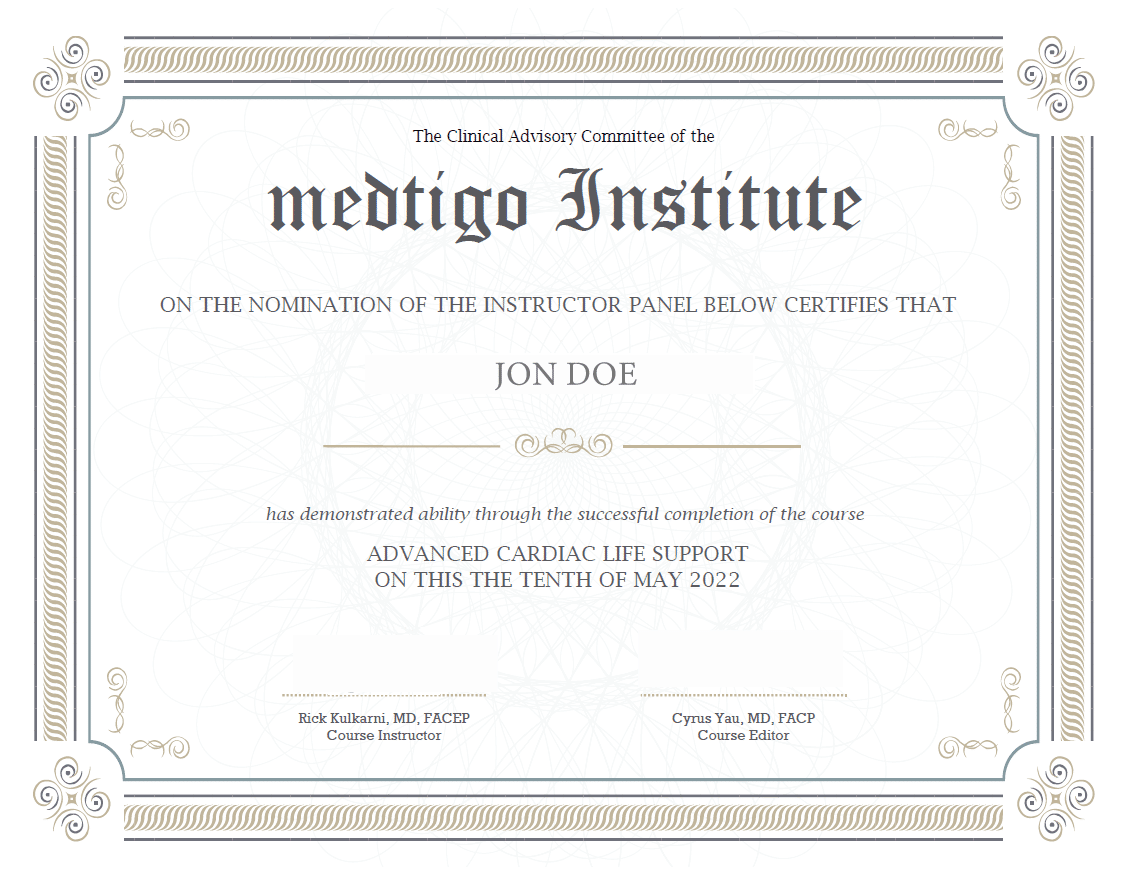
On course completion, you will receive a full-sized presentation quality digital certificate.
A dynamic medical simulation platform designed to train healthcare professionals and students to effectively run code situations through an immersive hands-on experience in a live, interactive 3D environment.
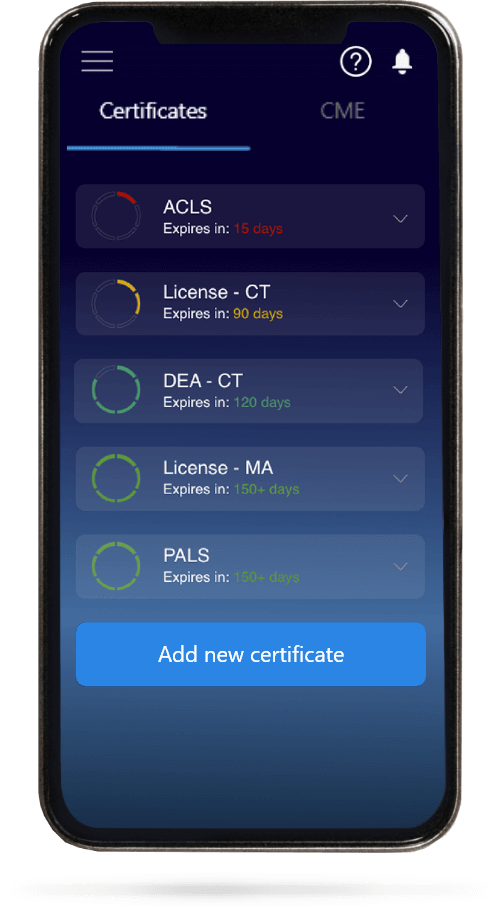
When you have your licenses, certificates and CMEs in one place, it's easier to track your career growth. You can easily share these with hospitals as well, using your medtigo app.