The Food and Drug Administration classifies cannabis as a Schedule I drug, indicating that it is considered to have a high potential for abuse and lacks accepted medical purposes at the federal level. Teenagers and adolescents are among the most prevalent users of cannabis, but as they transition into adulthood and engage in careers, marriage, cohabitation, and parenthood, their usage tends to decrease.
However, recent trends in state-directed legislation have shifted away from federal regulation, leading to increased cannabis use. State-level legalization has created a higher demand for cultivation, resulting in the selective breeding of more potent strains and heightened competition within the marijuana dispensary industry. Advocates for expanding marijuana use and legalization emphasize potential health benefits while disputing unsubstantiated health concerns.
Epidemiology
The prevalence of cannabis use disorder varies across different populations and is influenced by factors such as cultural norms, availability of cannabis, and legal status. According to the Diagnostic and Statistical Manual of Mental Disorders (DSM-5), the estimated lifetime prevalence of cannabis use disorder among cannabis users is around 9%. However, this figure can vary depending on the specific population being studied. Cannabis use disorder can affect individuals of all ages, but its prevalence is highest among young adults.
The risk of developing CUD is generally higher for those who initiate cannabis use at an earlier age. In terms of gender, studies have generally found higher rates of cannabis use disorder among males compared to females, although the difference is not always significant. Cannabis use disorder often co-occurs with other mental health conditions. Common comorbidities include mood disorders (such as depression and bipolar disorder), anxiety disorders, and other substance use disorders. The presence of these comorbid conditions can complicate the treatment and management of cannabis use disorder.
Anatomy
Pathophysiology
Tetrahydrocannabinol (THC) is the primary compound in marijuana responsible for its addictive properties. While substances like alcohol and opioids typically affect the striatal dopamine system, current evidence does not strongly support the involvement of this system in cannabis addiction. Moreover, dopamine receptors may not be directly implicated. On a symptomatic level, heavy cannabis use alters conscious experience by modifying the brain’s self-awareness network, leading to reduced anxiety, impaired memory, and changes in motivation and personal perception.
Cannabis contains over 500 active chemical compounds interacting with various molecular targets, influencing the transmission of endocannabinoids, glutamate, gamma-aminobutyric acid, and serotonin. The psychoactive effects primarily arise from THC, which binds to cannabinoid receptors. CB1 receptors are widely distributed throughout the central nervous system, liver, lungs, and kidneys. CB2 receptors are predominantly found in immune hematopoietic cells.
Activation of these receptors modulates G-protein-coupled inhibition of cyclic adenosine monophosphate, affecting pain, appetite, mood, nausea, and sexual activity. CNS effects of cannabis also appear to involve glial cells, particularly astrocytes, and microglia. In vitro studies indicate that microglia produce higher levels of endocannabinoids than neurons, and astrocytes may regulate endocannabinoid turnover, potentially contributing to signaling processes. Therefore, describing the changes mediated by cannabis in the CNS should encompass the influence of the neuropil, not just neurons.
Etiology
Twelve percent of individuals predominantly utilize the agent for stress management or relaxation, aligning with previous research linking it to conditions such as depression, anxiety, social anxiety, and post-traumatic stress disorder.
When expecting a child, mothers who acknowledged marijuana consumption stated that their primary motives were to cope with depression, anxiety, and stress (63%), alleviate pain (60%), relieve nausea or vomiting (48%), and for recreational purposes (39%).
From a biological standpoint, impaired inhibition may increase susceptibility to substance use disorders. However, the medical community remains uncertain about the validity of this claim, explicitly concerning marijuana.
Genetics
Prognostic Factors
Clinical History
Clinical History
Tolerance to cannabis increases, leading individuals to consume larger amounts to achieve the desired effects. They exhibit compulsive behavior and find it difficult to cut back or stop using despite adverse effects. In some individuals due to smoking cannabis regularly chronic cough and respiratory issues develop.
Withdrawal symptoms such as irritability, insomnia, and intense cravings are present. Lack of interest in living, academics, and job decreases. Lack of concentration, interest, libido and uncontrolled laughter, anxiety, euphoria, tachycardia, forgetfulness, delusions, hallucinations is commonly observed in cannabis users.
Physical Examination
Physical Examination
Cannabis use can cause redness and a bloodshot appearance of the eyes due to the dilation of blood vessels in the conjunctiva. Often referred to as “the munchies,” cannabis use can increase the desire for food, especially snacks high in sugar and fat. It causes dryness in the mouth, also known as “cottonmouth,” due to the inhibitory effects on salivary gland function.
Withdrawal from cannabis can lead to difficulty falling asleep or staying asleep, resulting in insomnia or disturbed sleep patterns. Some individuals may experience abdominal discomfort, nausea, or changes in bowel movements during cannabis withdrawal.
In some cases, individuals experiencing cannabis withdrawal may exhibit sweating and mild tremors, although these symptoms are generally less severe than withdrawal from other substances. Chronic cannabis smoking can result in respiratory issues such as coughing, increased sputum production, and wheezing. Prolonged cannabis use can lead to weight gain or loss, depending on individual factors and dietary patterns.
Age group
Associated comorbidity
Associated activity
Acuity of presentation
Differential Diagnoses
Laboratory Studies
Imaging Studies
Procedures
Histologic Findings
Staging
Treatment Paradigm
With the increasing potency and availability of cannabis strains, there is a higher risk of experiencing severe adverse reactions more frequently. Individuals who exhibit significant intoxication, withdrawal symptoms, or cannabis use disorder should aim to discontinue cannabis use entirely. Gradually reducing consumption is preferable to abrupt cessation as it minimizes withdrawal discomfort and the likelihood of relapse.
Medical intervention is typically unnecessary for cannabis intoxication, as it tends to resolve independently. Providing a supportive environment devoid of stimulation can assist patients during this period. Symptomatic treatment may be considered for specific symptoms such as tachycardia (alpha-2-adrenergic agonists or beta-blockers), panic attacks (benzodiazepines), anxiety and restlessness (off-label use of first-generation antihistamines), and psychosis (neuroleptics).
It is crucial to monitor psychological symptoms, as they may be attributable to withdrawal or an underlying psychiatric condition that was previously unidentified. No medication has received FDA approval for treating cannabis use disorder. However, tetrahydrocannabinol shows some promise in treatment. Further research is necessary to establish its efficacy, determine appropriate dosage, duration, and formulation, and identify adjunct therapies.
Some studies have explored the potential effects of naltrexone on cannabis use
Single doses of naltrexone in the range of 12-100 mg have been found to enhance the subjective effects or feelings associated with using cannabis
naltrexone alone may increase the perceived effects of cannabis when taken in certain doses
Daily administration of naltrexone at a dose of 50 mg for three weeks has shown promise in reducing cannabis self-administration and use in individuals not seeking treatment for Cannabis Use Disorder (CUD)
Note:
This indicates that daily use of naltrexone may potentially have a role in reducing cannabis use in some individuals
It's essential to note that the use of naltrexone for cannabis-related issues is not an FDA-approved indication
The primary approved use of naltrexone remains for opioid and alcohol use disorders
More research is needed to fully understand the effectiveness and safety of naltrexone in addressing cannabis use issues
The Food and Drug Administration classifies cannabis as a Schedule I drug, indicating that it is considered to have a high potential for abuse and lacks accepted medical purposes at the federal level. Teenagers and adolescents are among the most prevalent users of cannabis, but as they transition into adulthood and engage in careers, marriage, cohabitation, and parenthood, their usage tends to decrease.
However, recent trends in state-directed legislation have shifted away from federal regulation, leading to increased cannabis use. State-level legalization has created a higher demand for cultivation, resulting in the selective breeding of more potent strains and heightened competition within the marijuana dispensary industry. Advocates for expanding marijuana use and legalization emphasize potential health benefits while disputing unsubstantiated health concerns.
The prevalence of cannabis use disorder varies across different populations and is influenced by factors such as cultural norms, availability of cannabis, and legal status. According to the Diagnostic and Statistical Manual of Mental Disorders (DSM-5), the estimated lifetime prevalence of cannabis use disorder among cannabis users is around 9%. However, this figure can vary depending on the specific population being studied. Cannabis use disorder can affect individuals of all ages, but its prevalence is highest among young adults.
The risk of developing CUD is generally higher for those who initiate cannabis use at an earlier age. In terms of gender, studies have generally found higher rates of cannabis use disorder among males compared to females, although the difference is not always significant. Cannabis use disorder often co-occurs with other mental health conditions. Common comorbidities include mood disorders (such as depression and bipolar disorder), anxiety disorders, and other substance use disorders. The presence of these comorbid conditions can complicate the treatment and management of cannabis use disorder.
Tetrahydrocannabinol (THC) is the primary compound in marijuana responsible for its addictive properties. While substances like alcohol and opioids typically affect the striatal dopamine system, current evidence does not strongly support the involvement of this system in cannabis addiction. Moreover, dopamine receptors may not be directly implicated. On a symptomatic level, heavy cannabis use alters conscious experience by modifying the brain’s self-awareness network, leading to reduced anxiety, impaired memory, and changes in motivation and personal perception.
Cannabis contains over 500 active chemical compounds interacting with various molecular targets, influencing the transmission of endocannabinoids, glutamate, gamma-aminobutyric acid, and serotonin. The psychoactive effects primarily arise from THC, which binds to cannabinoid receptors. CB1 receptors are widely distributed throughout the central nervous system, liver, lungs, and kidneys. CB2 receptors are predominantly found in immune hematopoietic cells.
Activation of these receptors modulates G-protein-coupled inhibition of cyclic adenosine monophosphate, affecting pain, appetite, mood, nausea, and sexual activity. CNS effects of cannabis also appear to involve glial cells, particularly astrocytes, and microglia. In vitro studies indicate that microglia produce higher levels of endocannabinoids than neurons, and astrocytes may regulate endocannabinoid turnover, potentially contributing to signaling processes. Therefore, describing the changes mediated by cannabis in the CNS should encompass the influence of the neuropil, not just neurons.
Twelve percent of individuals predominantly utilize the agent for stress management or relaxation, aligning with previous research linking it to conditions such as depression, anxiety, social anxiety, and post-traumatic stress disorder.
When expecting a child, mothers who acknowledged marijuana consumption stated that their primary motives were to cope with depression, anxiety, and stress (63%), alleviate pain (60%), relieve nausea or vomiting (48%), and for recreational purposes (39%).
From a biological standpoint, impaired inhibition may increase susceptibility to substance use disorders. However, the medical community remains uncertain about the validity of this claim, explicitly concerning marijuana.
Clinical History
Tolerance to cannabis increases, leading individuals to consume larger amounts to achieve the desired effects. They exhibit compulsive behavior and find it difficult to cut back or stop using despite adverse effects. In some individuals due to smoking cannabis regularly chronic cough and respiratory issues develop.
Withdrawal symptoms such as irritability, insomnia, and intense cravings are present. Lack of interest in living, academics, and job decreases. Lack of concentration, interest, libido and uncontrolled laughter, anxiety, euphoria, tachycardia, forgetfulness, delusions, hallucinations is commonly observed in cannabis users.
Physical Examination
Cannabis use can cause redness and a bloodshot appearance of the eyes due to the dilation of blood vessels in the conjunctiva. Often referred to as “the munchies,” cannabis use can increase the desire for food, especially snacks high in sugar and fat. It causes dryness in the mouth, also known as “cottonmouth,” due to the inhibitory effects on salivary gland function.
Withdrawal from cannabis can lead to difficulty falling asleep or staying asleep, resulting in insomnia or disturbed sleep patterns. Some individuals may experience abdominal discomfort, nausea, or changes in bowel movements during cannabis withdrawal.
In some cases, individuals experiencing cannabis withdrawal may exhibit sweating and mild tremors, although these symptoms are generally less severe than withdrawal from other substances. Chronic cannabis smoking can result in respiratory issues such as coughing, increased sputum production, and wheezing. Prolonged cannabis use can lead to weight gain or loss, depending on individual factors and dietary patterns.
With the increasing potency and availability of cannabis strains, there is a higher risk of experiencing severe adverse reactions more frequently. Individuals who exhibit significant intoxication, withdrawal symptoms, or cannabis use disorder should aim to discontinue cannabis use entirely. Gradually reducing consumption is preferable to abrupt cessation as it minimizes withdrawal discomfort and the likelihood of relapse.
Medical intervention is typically unnecessary for cannabis intoxication, as it tends to resolve independently. Providing a supportive environment devoid of stimulation can assist patients during this period. Symptomatic treatment may be considered for specific symptoms such as tachycardia (alpha-2-adrenergic agonists or beta-blockers), panic attacks (benzodiazepines), anxiety and restlessness (off-label use of first-generation antihistamines), and psychosis (neuroleptics).
It is crucial to monitor psychological symptoms, as they may be attributable to withdrawal or an underlying psychiatric condition that was previously unidentified. No medication has received FDA approval for treating cannabis use disorder. However, tetrahydrocannabinol shows some promise in treatment. Further research is necessary to establish its efficacy, determine appropriate dosage, duration, and formulation, and identify adjunct therapies.
medtigo
Cannabis Use Disorder
Updated :
June 11, 2024
The Food and Drug Administration classifies cannabis as a Schedule I drug, indicating that it is considered to have a high potential for abuse and lacks accepted medical purposes at the federal level. Teenagers and adolescents are among the most prevalent users of cannabis, but as they transition into adulthood and engage in careers, marriage, cohabitation, and parenthood, their usage tends to decrease.
However, recent trends in state-directed legislation have shifted away from federal regulation, leading to increased cannabis use. State-level legalization has created a higher demand for cultivation, resulting in the selective breeding of more potent strains and heightened competition within the marijuana dispensary industry. Advocates for expanding marijuana use and legalization emphasize potential health benefits while disputing unsubstantiated health concerns.
The prevalence of cannabis use disorder varies across different populations and is influenced by factors such as cultural norms, availability of cannabis, and legal status. According to the Diagnostic and Statistical Manual of Mental Disorders (DSM-5), the estimated lifetime prevalence of cannabis use disorder among cannabis users is around 9%. However, this figure can vary depending on the specific population being studied. Cannabis use disorder can affect individuals of all ages, but its prevalence is highest among young adults.
The risk of developing CUD is generally higher for those who initiate cannabis use at an earlier age. In terms of gender, studies have generally found higher rates of cannabis use disorder among males compared to females, although the difference is not always significant. Cannabis use disorder often co-occurs with other mental health conditions. Common comorbidities include mood disorders (such as depression and bipolar disorder), anxiety disorders, and other substance use disorders. The presence of these comorbid conditions can complicate the treatment and management of cannabis use disorder.
Tetrahydrocannabinol (THC) is the primary compound in marijuana responsible for its addictive properties. While substances like alcohol and opioids typically affect the striatal dopamine system, current evidence does not strongly support the involvement of this system in cannabis addiction. Moreover, dopamine receptors may not be directly implicated. On a symptomatic level, heavy cannabis use alters conscious experience by modifying the brain’s self-awareness network, leading to reduced anxiety, impaired memory, and changes in motivation and personal perception.
Cannabis contains over 500 active chemical compounds interacting with various molecular targets, influencing the transmission of endocannabinoids, glutamate, gamma-aminobutyric acid, and serotonin. The psychoactive effects primarily arise from THC, which binds to cannabinoid receptors. CB1 receptors are widely distributed throughout the central nervous system, liver, lungs, and kidneys. CB2 receptors are predominantly found in immune hematopoietic cells.
Activation of these receptors modulates G-protein-coupled inhibition of cyclic adenosine monophosphate, affecting pain, appetite, mood, nausea, and sexual activity. CNS effects of cannabis also appear to involve glial cells, particularly astrocytes, and microglia. In vitro studies indicate that microglia produce higher levels of endocannabinoids than neurons, and astrocytes may regulate endocannabinoid turnover, potentially contributing to signaling processes. Therefore, describing the changes mediated by cannabis in the CNS should encompass the influence of the neuropil, not just neurons.
Twelve percent of individuals predominantly utilize the agent for stress management or relaxation, aligning with previous research linking it to conditions such as depression, anxiety, social anxiety, and post-traumatic stress disorder.
When expecting a child, mothers who acknowledged marijuana consumption stated that their primary motives were to cope with depression, anxiety, and stress (63%), alleviate pain (60%), relieve nausea or vomiting (48%), and for recreational purposes (39%).
From a biological standpoint, impaired inhibition may increase susceptibility to substance use disorders. However, the medical community remains uncertain about the validity of this claim, explicitly concerning marijuana.
Clinical History
Tolerance to cannabis increases, leading individuals to consume larger amounts to achieve the desired effects. They exhibit compulsive behavior and find it difficult to cut back or stop using despite adverse effects. In some individuals due to smoking cannabis regularly chronic cough and respiratory issues develop.
Withdrawal symptoms such as irritability, insomnia, and intense cravings are present. Lack of interest in living, academics, and job decreases. Lack of concentration, interest, libido and uncontrolled laughter, anxiety, euphoria, tachycardia, forgetfulness, delusions, hallucinations is commonly observed in cannabis users.
Physical Examination
Cannabis use can cause redness and a bloodshot appearance of the eyes due to the dilation of blood vessels in the conjunctiva. Often referred to as “the munchies,” cannabis use can increase the desire for food, especially snacks high in sugar and fat. It causes dryness in the mouth, also known as “cottonmouth,” due to the inhibitory effects on salivary gland function.
Withdrawal from cannabis can lead to difficulty falling asleep or staying asleep, resulting in insomnia or disturbed sleep patterns. Some individuals may experience abdominal discomfort, nausea, or changes in bowel movements during cannabis withdrawal.
In some cases, individuals experiencing cannabis withdrawal may exhibit sweating and mild tremors, although these symptoms are generally less severe than withdrawal from other substances. Chronic cannabis smoking can result in respiratory issues such as coughing, increased sputum production, and wheezing. Prolonged cannabis use can lead to weight gain or loss, depending on individual factors and dietary patterns.
With the increasing potency and availability of cannabis strains, there is a higher risk of experiencing severe adverse reactions more frequently. Individuals who exhibit significant intoxication, withdrawal symptoms, or cannabis use disorder should aim to discontinue cannabis use entirely. Gradually reducing consumption is preferable to abrupt cessation as it minimizes withdrawal discomfort and the likelihood of relapse.
Medical intervention is typically unnecessary for cannabis intoxication, as it tends to resolve independently. Providing a supportive environment devoid of stimulation can assist patients during this period. Symptomatic treatment may be considered for specific symptoms such as tachycardia (alpha-2-adrenergic agonists or beta-blockers), panic attacks (benzodiazepines), anxiety and restlessness (off-label use of first-generation antihistamines), and psychosis (neuroleptics).
It is crucial to monitor psychological symptoms, as they may be attributable to withdrawal or an underlying psychiatric condition that was previously unidentified. No medication has received FDA approval for treating cannabis use disorder. However, tetrahydrocannabinol shows some promise in treatment. Further research is necessary to establish its efficacy, determine appropriate dosage, duration, and formulation, and identify adjunct therapies.
Loading...
Free CME credits
Both our subscription plans include Free CME/CPD AMA PRA Category 1 credits.
Digital Certificate PDF
On course completion, you will receive a full-sized presentation quality digital certificate.
medtigo Simulation
A dynamic medical simulation platform designed to train healthcare professionals and students to effectively run code situations through an immersive hands-on experience in a live, interactive 3D environment.
medtigo Points
medtigo points is our unique point redemption system created to award users for interacting on our site. These points can be redeemed for special discounts on the medtigo marketplace as well as towards the membership cost itself.
Community Forum post/reply = 5 points
*Redemption of points can occur only through the medtigo marketplace, courses, or simulation system. Money will not be credited to your bank account. 10 points = $1.
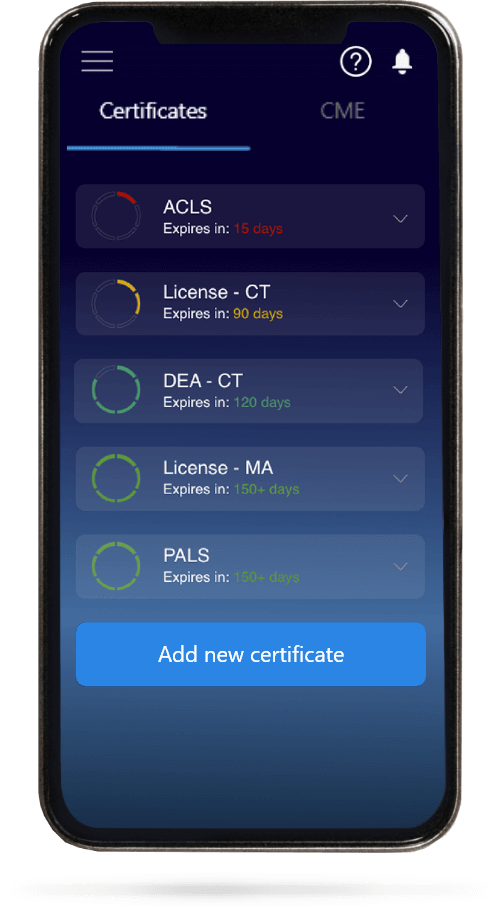
All Your Certificates in One Place
When you have your licenses, certificates and CMEs in one place, it's easier to track your career growth. You can easily share these with hospitals as well, using your medtigo app.