Smart Pills Go Biodegradable: A Bioresorbable RFID Capsule to Monitor Medication Adherence
January 12, 2026






Background
Carotenemia is the term used in medicine to describe yellow-orange skin pigment brought on by high quantities of carotene in the blood, and it was first used in 1919 by Meyers and Hess. Carotene-rich vegetables and fruits that are consumed in excess are frequently to blame. Carotenemia has historically been noted in a few old medical published reports as a rather old illness.
Due to famine and food scarcity, this illness was also observed during World Wars 1 and 2, when most people followed a plant-based lifestyle. Carotenoids are organic substances that can be found in many types of foods and plants. The primary carotenoid present in plants, beta-carotene, is more frequently to blame for this ailment. Primary care professionals frequently meet carotenosis for the first time.
Despite being benign, this disease is frequently mistaken for jaundice, which prompts pointless tests. Although carotenemia is a benign illness, it might result in a false-positive jaundice diagnosis. Orangeness could have important metaphorical meanings as well. Von Noorden first identified carotinemia as xanthosis diabetica in 1904 and noted that it was more pronounced on the soles and palms and within the nasolabial folds.
Epidemiology
Carotenemia is a common presenting complaint to family doctors and pediatrics, despite the lack of prevalence data. In a Sri Lankan research, 615 kids who consumed a diet high in carotenes had a 2 percent frequency of carotenemia.
Although it can manifest at any age, it usually does so in young children. The average age at appearance, according to Glasgow research, ranged from seven months to eleven years and was thirteen months. Other age groups may also experience it, though.
Another study found that children with mental problems had a substantially greater prevalence of carotenemia (around 22%). The scientists speculated that it might be because they were fed in different ways and with different diets than healthy kids.
Anatomy
Pathophysiology
Organic hydrocarbons called carotenoids are primarily sourced from plants. The primary carotenoid present in plants is beta-carotene. Alpha-carotene, lutein, lycopene, and beta-cryptoxanthin are further carotenoids. Two important enzymes, beta-carotene-15-15′-dioxygenase and 15-15′-carotenoid dioxygenase are involved in the conversion of beta-carotene into vitamin A. In humans, beta-carotene is the primary precursor to vitamin A.
The portal circulation receives the majority of its absorption in the proximal small intestine. 10 percent of the carotene that is consumed is absorbed without being converted and is transported to the liver through the portal vein. Fortunately, excessive intake of carotene does not result in hypervitaminosis A because the body only converts a small amount of carotene to vitamin A each day.
If blood levels of carotene are too high, it deposits in the corneum and contributes to the yellowing of the skin while sparing the mucous membranes. Only ten percent of people with diabetes mellitus have yellow skin; however, many people with diabetes mellitus have elevated blood-carotene concentrations.
Carotenemia may be brought on by hyperlipidemia, a restricted diet, or a poor liver’s ability to convert carotene to vitamin A. Carotene is not properly converted into vitamin A in hypothyroidism, and hypercholesterolemia also plays a part in the pathophysiological mechanism that underlies carotenemia. The rate of catabolism of vitamin A is mediated by the thyroid hormone, which is an antagonist to it.
Hypothyroidism results in lower vitamin A consumption and a slower conversion of carotene to vitamin A. Carotenemia and anorexia nervosa are related conditions. A reversible impairment in the conversion of beta-carotene to vitamin A is connected with hypercholesterolemia in patients with anorexia nervosa. Additionally, it might be caused by a typical consumption of carotene in the context of a decreased need.
Etiology
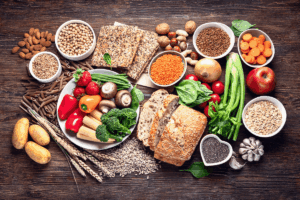
The majority of the body’s carotenoids come from food consumption. Carotenemia could result from excessive consumption (more than 30 mg per day) over an extended period of time. Certain fruits and vegetables contain a lot of carotenes. Apricots, oranges, cantaloupe, peaches, papaya, prunes, and mango are some examples of fruits. Carrots, broccoli, parsley, spinach, sweet potatoes, asparagus, squash, mustard, pumpkins, lettuce, kale, and green beans are examples of vegetables.
Butter, palm oil, eggs, and milk are additional foods that contain a lot of beta-carotene. Although nutrition is frequently to blame, cases of carotenemia have also been described in genetic illnesses where there is a lack of the enzyme beta-carotene-15-15′-dioxygenase, which prevents the conversion of carotene to vitamin A. Carotenemia caused by diet is more common in young children and infants.
Additionally, mothers may unintentionally cause carotenemia by giving their infants excessive amounts of carrots in prepared foods. Additionally, compared to non-vegetarians, vegetarians are more likely to acquire carotenemia. This illness may also result from taking nutritional supplements high in carotene. Carotenemia can also be caused by conditions such as hepatic problems, hypothyroidism, anorexia nervosa, renal illnesses, and diabetes mellitus.
Genetics
Prognostic Factors
A low-carotene diet causes the yellow skin tone to gradually go away. Due to the lipophilic nature of carotenoids, yellow skin may continue for several months even after carotene levels return to normal. The condition of carotenemia is benign.
Clinical History
Age Group:
Physical Examination
Skin Coloration:
Scleral Examination:
Medical History:
Age group
Associated comorbidity
Carotenemia is typically not associated with specific comorbidities, but certain factors may contribute to its development:
Associated activity
Acuity of presentation
Differential Diagnoses
Jaundice:
Hypothyroidism:
Porphyria Cutanea Tarda (PCT):
Liver Disease:
Renal Failure:
Lipid Storage Disorders:
Laboratory Studies
Imaging Studies
Procedures
Histologic Findings
Staging
Treatment Paradigm
Dietary Modification:
Monitoring and Education:
Addressing Underlying Conditions:
Symptomatic Relief:
by Stage
by Modality
Chemotherapy
Radiation Therapy
Surgical Interventions
Hormone Therapy
Immunotherapy
Hyperthermia
Photodynamic Therapy
Stem Cell Transplant
Targeted Therapy
Palliative Care
use-of-a-non-pharmacological-approach-for-treating-carotenemia
Dietary Modification:
Increased Water Intake:
Educational Counseling:
Monitoring and Follow-Up:
Emphasize Nutritional Variety:
Skin Care:
Avoidance of Carotenoid Supplements:
Role of Supplement Adjustment in the treatment of Carotenemia
Carotenemia is primarily managed through non-pharmacological approaches, such as dietary modifications and lifestyle changes, rather than pharmaceutical interventions.
If carotenemia is secondary to an underlying medical condition such as hypothyroidism or liver disease, pharmaceutical agents may be prescribed to address the underlying cause.
In rare instances where carotenemia is exacerbated by high-dose beta-carotene supplements, discontinuation or dose adjustment of these supplements may be recommended.
use-of-intervention-with-a-procedure-in-treating-carotenemia
Chemical Peels:
Laser Therapy:
Microdermabrasion:
use-of-phases-in-managing-carotenemia
Assessment and Diagnosis:
Education and Counseling:
Dietary Modification:
Monitoring and Follow-Up:
Symptomatic Relief (Optional):
Addressing Underlying Conditions (If Applicable):
Medication
Future Trends
References
Carotenemia is the term used in medicine to describe yellow-orange skin pigment brought on by high quantities of carotene in the blood, and it was first used in 1919 by Meyers and Hess. Carotene-rich vegetables and fruits that are consumed in excess are frequently to blame. Carotenemia has historically been noted in a few old medical published reports as a rather old illness.
Due to famine and food scarcity, this illness was also observed during World Wars 1 and 2, when most people followed a plant-based lifestyle. Carotenoids are organic substances that can be found in many types of foods and plants. The primary carotenoid present in plants, beta-carotene, is more frequently to blame for this ailment. Primary care professionals frequently meet carotenosis for the first time.
Despite being benign, this disease is frequently mistaken for jaundice, which prompts pointless tests. Although carotenemia is a benign illness, it might result in a false-positive jaundice diagnosis. Orangeness could have important metaphorical meanings as well. Von Noorden first identified carotinemia as xanthosis diabetica in 1904 and noted that it was more pronounced on the soles and palms and within the nasolabial folds.
Carotenemia is a common presenting complaint to family doctors and pediatrics, despite the lack of prevalence data. In a Sri Lankan research, 615 kids who consumed a diet high in carotenes had a 2 percent frequency of carotenemia.
Although it can manifest at any age, it usually does so in young children. The average age at appearance, according to Glasgow research, ranged from seven months to eleven years and was thirteen months. Other age groups may also experience it, though.
Another study found that children with mental problems had a substantially greater prevalence of carotenemia (around 22%). The scientists speculated that it might be because they were fed in different ways and with different diets than healthy kids.
Organic hydrocarbons called carotenoids are primarily sourced from plants. The primary carotenoid present in plants is beta-carotene. Alpha-carotene, lutein, lycopene, and beta-cryptoxanthin are further carotenoids. Two important enzymes, beta-carotene-15-15′-dioxygenase and 15-15′-carotenoid dioxygenase are involved in the conversion of beta-carotene into vitamin A. In humans, beta-carotene is the primary precursor to vitamin A.
The portal circulation receives the majority of its absorption in the proximal small intestine. 10 percent of the carotene that is consumed is absorbed without being converted and is transported to the liver through the portal vein. Fortunately, excessive intake of carotene does not result in hypervitaminosis A because the body only converts a small amount of carotene to vitamin A each day.
If blood levels of carotene are too high, it deposits in the corneum and contributes to the yellowing of the skin while sparing the mucous membranes. Only ten percent of people with diabetes mellitus have yellow skin; however, many people with diabetes mellitus have elevated blood-carotene concentrations.
Carotenemia may be brought on by hyperlipidemia, a restricted diet, or a poor liver’s ability to convert carotene to vitamin A. Carotene is not properly converted into vitamin A in hypothyroidism, and hypercholesterolemia also plays a part in the pathophysiological mechanism that underlies carotenemia. The rate of catabolism of vitamin A is mediated by the thyroid hormone, which is an antagonist to it.
Hypothyroidism results in lower vitamin A consumption and a slower conversion of carotene to vitamin A. Carotenemia and anorexia nervosa are related conditions. A reversible impairment in the conversion of beta-carotene to vitamin A is connected with hypercholesterolemia in patients with anorexia nervosa. Additionally, it might be caused by a typical consumption of carotene in the context of a decreased need.
The majority of the body’s carotenoids come from food consumption. Carotenemia could result from excessive consumption (more than 30 mg per day) over an extended period of time. Certain fruits and vegetables contain a lot of carotenes. Apricots, oranges, cantaloupe, peaches, papaya, prunes, and mango are some examples of fruits. Carrots, broccoli, parsley, spinach, sweet potatoes, asparagus, squash, mustard, pumpkins, lettuce, kale, and green beans are examples of vegetables.
Butter, palm oil, eggs, and milk are additional foods that contain a lot of beta-carotene. Although nutrition is frequently to blame, cases of carotenemia have also been described in genetic illnesses where there is a lack of the enzyme beta-carotene-15-15′-dioxygenase, which prevents the conversion of carotene to vitamin A. Carotenemia caused by diet is more common in young children and infants.
Additionally, mothers may unintentionally cause carotenemia by giving their infants excessive amounts of carrots in prepared foods. Additionally, compared to non-vegetarians, vegetarians are more likely to acquire carotenemia. This illness may also result from taking nutritional supplements high in carotene. Carotenemia can also be caused by conditions such as hepatic problems, hypothyroidism, anorexia nervosa, renal illnesses, and diabetes mellitus.
A low-carotene diet causes the yellow skin tone to gradually go away. Due to the lipophilic nature of carotenoids, yellow skin may continue for several months even after carotene levels return to normal. The condition of carotenemia is benign.
Age Group:
Skin Coloration:
Scleral Examination:
Medical History:
Carotenemia is typically not associated with specific comorbidities, but certain factors may contribute to its development:
Jaundice:
Hypothyroidism:
Porphyria Cutanea Tarda (PCT):
Liver Disease:
Renal Failure:
Lipid Storage Disorders:
Dietary Modification:
Monitoring and Education:
Addressing Underlying Conditions:
Symptomatic Relief:
Internal Medicine
Nutrition
Dietary Modification:
Increased Water Intake:
Educational Counseling:
Monitoring and Follow-Up:
Emphasize Nutritional Variety:
Skin Care:
Avoidance of Carotenoid Supplements:
Internal Medicine
Nutrition
Carotenemia is primarily managed through non-pharmacological approaches, such as dietary modifications and lifestyle changes, rather than pharmaceutical interventions.
If carotenemia is secondary to an underlying medical condition such as hypothyroidism or liver disease, pharmaceutical agents may be prescribed to address the underlying cause.
In rare instances where carotenemia is exacerbated by high-dose beta-carotene supplements, discontinuation or dose adjustment of these supplements may be recommended.
Internal Medicine
Nutrition
Chemical Peels:
Laser Therapy:
Microdermabrasion:
Internal Medicine
Nutrition
Assessment and Diagnosis:
Education and Counseling:
Dietary Modification:
Monitoring and Follow-Up:
Symptomatic Relief (Optional):
Addressing Underlying Conditions (If Applicable):

Carotenemia is the term used in medicine to describe yellow-orange skin pigment brought on by high quantities of carotene in the blood, and it was first used in 1919 by Meyers and Hess. Carotene-rich vegetables and fruits that are consumed in excess are frequently to blame. Carotenemia has historically been noted in a few old medical published reports as a rather old illness.
Due to famine and food scarcity, this illness was also observed during World Wars 1 and 2, when most people followed a plant-based lifestyle. Carotenoids are organic substances that can be found in many types of foods and plants. The primary carotenoid present in plants, beta-carotene, is more frequently to blame for this ailment. Primary care professionals frequently meet carotenosis for the first time.
Despite being benign, this disease is frequently mistaken for jaundice, which prompts pointless tests. Although carotenemia is a benign illness, it might result in a false-positive jaundice diagnosis. Orangeness could have important metaphorical meanings as well. Von Noorden first identified carotinemia as xanthosis diabetica in 1904 and noted that it was more pronounced on the soles and palms and within the nasolabial folds.
Carotenemia is a common presenting complaint to family doctors and pediatrics, despite the lack of prevalence data. In a Sri Lankan research, 615 kids who consumed a diet high in carotenes had a 2 percent frequency of carotenemia.
Although it can manifest at any age, it usually does so in young children. The average age at appearance, according to Glasgow research, ranged from seven months to eleven years and was thirteen months. Other age groups may also experience it, though.
Another study found that children with mental problems had a substantially greater prevalence of carotenemia (around 22%). The scientists speculated that it might be because they were fed in different ways and with different diets than healthy kids.
Organic hydrocarbons called carotenoids are primarily sourced from plants. The primary carotenoid present in plants is beta-carotene. Alpha-carotene, lutein, lycopene, and beta-cryptoxanthin are further carotenoids. Two important enzymes, beta-carotene-15-15′-dioxygenase and 15-15′-carotenoid dioxygenase are involved in the conversion of beta-carotene into vitamin A. In humans, beta-carotene is the primary precursor to vitamin A.
The portal circulation receives the majority of its absorption in the proximal small intestine. 10 percent of the carotene that is consumed is absorbed without being converted and is transported to the liver through the portal vein. Fortunately, excessive intake of carotene does not result in hypervitaminosis A because the body only converts a small amount of carotene to vitamin A each day.
If blood levels of carotene are too high, it deposits in the corneum and contributes to the yellowing of the skin while sparing the mucous membranes. Only ten percent of people with diabetes mellitus have yellow skin; however, many people with diabetes mellitus have elevated blood-carotene concentrations.
Carotenemia may be brought on by hyperlipidemia, a restricted diet, or a poor liver’s ability to convert carotene to vitamin A. Carotene is not properly converted into vitamin A in hypothyroidism, and hypercholesterolemia also plays a part in the pathophysiological mechanism that underlies carotenemia. The rate of catabolism of vitamin A is mediated by the thyroid hormone, which is an antagonist to it.
Hypothyroidism results in lower vitamin A consumption and a slower conversion of carotene to vitamin A. Carotenemia and anorexia nervosa are related conditions. A reversible impairment in the conversion of beta-carotene to vitamin A is connected with hypercholesterolemia in patients with anorexia nervosa. Additionally, it might be caused by a typical consumption of carotene in the context of a decreased need.
The majority of the body’s carotenoids come from food consumption. Carotenemia could result from excessive consumption (more than 30 mg per day) over an extended period of time. Certain fruits and vegetables contain a lot of carotenes. Apricots, oranges, cantaloupe, peaches, papaya, prunes, and mango are some examples of fruits. Carrots, broccoli, parsley, spinach, sweet potatoes, asparagus, squash, mustard, pumpkins, lettuce, kale, and green beans are examples of vegetables.
Butter, palm oil, eggs, and milk are additional foods that contain a lot of beta-carotene. Although nutrition is frequently to blame, cases of carotenemia have also been described in genetic illnesses where there is a lack of the enzyme beta-carotene-15-15′-dioxygenase, which prevents the conversion of carotene to vitamin A. Carotenemia caused by diet is more common in young children and infants.
Additionally, mothers may unintentionally cause carotenemia by giving their infants excessive amounts of carrots in prepared foods. Additionally, compared to non-vegetarians, vegetarians are more likely to acquire carotenemia. This illness may also result from taking nutritional supplements high in carotene. Carotenemia can also be caused by conditions such as hepatic problems, hypothyroidism, anorexia nervosa, renal illnesses, and diabetes mellitus.
A low-carotene diet causes the yellow skin tone to gradually go away. Due to the lipophilic nature of carotenoids, yellow skin may continue for several months even after carotene levels return to normal. The condition of carotenemia is benign.
Age Group:
Skin Coloration:
Scleral Examination:
Medical History:
Carotenemia is typically not associated with specific comorbidities, but certain factors may contribute to its development:
Jaundice:
Hypothyroidism:
Porphyria Cutanea Tarda (PCT):
Liver Disease:
Renal Failure:
Lipid Storage Disorders:
Dietary Modification:
Monitoring and Education:
Addressing Underlying Conditions:
Symptomatic Relief:
Internal Medicine
Nutrition
Dietary Modification:
Increased Water Intake:
Educational Counseling:
Monitoring and Follow-Up:
Emphasize Nutritional Variety:
Skin Care:
Avoidance of Carotenoid Supplements:
Internal Medicine
Nutrition
Carotenemia is primarily managed through non-pharmacological approaches, such as dietary modifications and lifestyle changes, rather than pharmaceutical interventions.
If carotenemia is secondary to an underlying medical condition such as hypothyroidism or liver disease, pharmaceutical agents may be prescribed to address the underlying cause.
In rare instances where carotenemia is exacerbated by high-dose beta-carotene supplements, discontinuation or dose adjustment of these supplements may be recommended.
Internal Medicine
Nutrition
Chemical Peels:
Laser Therapy:
Microdermabrasion:
Internal Medicine
Nutrition
Assessment and Diagnosis:
Education and Counseling:
Dietary Modification:
Monitoring and Follow-Up:
Symptomatic Relief (Optional):
Addressing Underlying Conditions (If Applicable):

Both our subscription plans include Free CME/CPD AMA PRA Category 1 credits.

On course completion, you will receive a full-sized presentation quality digital certificate.
A dynamic medical simulation platform designed to train healthcare professionals and students to effectively run code situations through an immersive hands-on experience in a live, interactive 3D environment.

When you have your licenses, certificates and CMEs in one place, it's easier to track your career growth. You can easily share these with hospitals as well, using your medtigo app.