Chronic gastritis shows long-term inflammation of the stomach lining.
Chronic gastritis occurs due to various factors, including Helicobacter pylori bacterial infection and it is categorized based on their cause and histopathologic pattern.
H pylori bacterium is a major cause of chronic gastritis, and commonly observed symptoms are abdominal pain, bloating, loss of appetite and vomiting.
Epidemiology
Approximately 50% of the population is infected with this gastritis worldwide.
In autoimmune gastritis, the immune system attacks the stomach lining, is less common than H. pylori-associated gastritis.
Comparing North America and Western Europe to developing regions like sections of Africa, Asia, and America finds that these tend to have greater incidence rates.
Anatomy
Pathophysiology
Granulomatous gastritis is a rare condition where the stomach can be affected by tuberculosis lead to the development of caseating granulomas.
Autoimmune atrophic gastritis is linked to the presence of serum anti-parietal and anti-intrinsic factor antibodies.
Cytomegalovirus stomach infection is common in immunosuppressed patients, its potential link to gastric carcinoma development remains unclear.
Etiology
The adhesion of bacteria to gastric cells lead to cause tyrosine phosphorylation.
About 16% of celiac disease patients experience lymphocytic gastritis, which recovers after a gluten-free diet.
Intake of excessive amounts of alcohol can lead to stomach irritation and an increased chances of developing chronic gastritis.
Genetics
Prognostic Factors
The clinical course of H pylori infection worsens when patients develop complications like peptic ulcer.
H pylori strains has different virulence due to specific factors, which increase the risk of severe gastric diseases in those carrying factors
The lymphoid component of gastritis may take several months to disappear after treatment.
Clinical History
Chronic gastritis can occur at any age but seen more in older adults. In both male and female chronic gastritis develops.
Physical Examination
Signs of Systemic Illness
Abdominal Examination
Signs of Malnutrition
Age group
Associated comorbidity
Associated activity
Acuity of presentation
H pylori infection is a major risk factor for the development of peptic ulcers for gastric and duodenal ulcers.
Patients may not initially notice the sudden changes in their gastrointestinal symptoms.
Differential Diagnoses
Acute Gastritis
Gastroesophageal Reflux Disease
Peptic Ulcer Disease
Gastric Ulcers
Laboratory Studies
Imaging Studies
Procedures
Histologic Findings
Staging
Treatment Paradigm
Antibiotic treatments are effective in >90% of patients but in some critical cases it shows serious symptoms which are challenging to treat.
Physician should avoid smoking cigarettes and consumption of alcohol on daily basis.
In acid suppression therapy involves use of proton pump inhibitors is combined with antibiotics to enhance treatment efficacy.
Schedule follow-up visits to monitor the progress of patients, recovery, and ensure resolution of symptoms.
Patient should start taking healthy diet including fruits and vegetables, grains.
Physician and consultants should encourage the patients about good hygiene practices and how to minimize exposure to infectious agents which reduces the risk of H pylori infection.
Enough water and fluids intake on regular basis must be followed by patient during period of recovery which reduces risk of any other complications.
Provide enough education about gastritis and its related causes, how it spreads, and how to stop with management strategies.
Use of Antibiotics in treatment of Chronic Gastritis
Amoxicillin: Amoxicillin a derivative of ampicillin which has a similar antibacterial spectrum to penicillin that targets on gram-positive and gram-negative organisms.
Clarithromycin: It is a semi-synthetic macrolide antibiotic binds to the P site of the 50S ribosomal subunit in susceptible organisms potentially inhibiting bacterial growth by dissociating peptidyl tRNA from ribosomes.
Metronidazole: It may cause DNA damage and disrupt nucleic acid synthesis in H. pylori by bacterial enzymes, that causes bacterial cell death.
Use of proton pump inhibitors in the treatment of Chronic Gastritis
Omeprazole: It is used in gastritis treatment inhibits the proton pump in gastric parietal cells and reduces gastric acid secretion when combined with antibiotics.
Lansoprazole: It inhibits the proton pump inhibitors in gastric parietal cells, thus reduces gastric acid secretion.
Pantoprazole: It reduces gastric acid secretion by inhibiting the H+/K+-ATP pump at the secretory surface of gastric parietal cells.
Use of Gastrointestinal Agents in the treatment of Chronic Gastritis
Bismuth subsalicylate: It has a cytoprotective effect on the gastrointestinal mucosa, enhances prostaglandin production and regulates the immune response.
Procedures for chronic gastritis depends on diagnosis, severity assessment, complications identification, and treatment decision-making by physician.
Upper gastrointestinal endoscopy is a diagnostic procedure used to visualize gastric mucosa and obtain biopsy samples for further analysis.
use-of-phases-in-managing-chronic-gastritis
In the initial diagnosis phase, the physician assesses symptoms related to gastritis, then refers to diagnostic test to confirm the presence of chronic gastritis.
The regular follow-up visits with the physician are required to check the improvement of patients and newly observed complaints along with treatment response.
Long-term management phase is a very important phase which involves continuous monitoring, supportive care, and surveillance for late effects of treatment.
Chronic gastritis shows long-term inflammation of the stomach lining.
Chronic gastritis occurs due to various factors, including Helicobacter pylori bacterial infection and it is categorized based on their cause and histopathologic pattern.
H pylori bacterium is a major cause of chronic gastritis, and commonly observed symptoms are abdominal pain, bloating, loss of appetite and vomiting.
Approximately 50% of the population is infected with this gastritis worldwide.
In autoimmune gastritis, the immune system attacks the stomach lining, is less common than H. pylori-associated gastritis.
Comparing North America and Western Europe to developing regions like sections of Africa, Asia, and America finds that these tend to have greater incidence rates.
Granulomatous gastritis is a rare condition where the stomach can be affected by tuberculosis lead to the development of caseating granulomas.
Autoimmune atrophic gastritis is linked to the presence of serum anti-parietal and anti-intrinsic factor antibodies.
Cytomegalovirus stomach infection is common in immunosuppressed patients, its potential link to gastric carcinoma development remains unclear.
The adhesion of bacteria to gastric cells lead to cause tyrosine phosphorylation.
About 16% of celiac disease patients experience lymphocytic gastritis, which recovers after a gluten-free diet.
Intake of excessive amounts of alcohol can lead to stomach irritation and an increased chances of developing chronic gastritis.
The clinical course of H pylori infection worsens when patients develop complications like peptic ulcer.
H pylori strains has different virulence due to specific factors, which increase the risk of severe gastric diseases in those carrying factors
The lymphoid component of gastritis may take several months to disappear after treatment.
Chronic gastritis can occur at any age but seen more in older adults. In both male and female chronic gastritis develops.
Signs of Systemic Illness
Abdominal Examination
Signs of Malnutrition
H pylori infection is a major risk factor for the development of peptic ulcers for gastric and duodenal ulcers.
Patients may not initially notice the sudden changes in their gastrointestinal symptoms.
Acute Gastritis
Gastroesophageal Reflux Disease
Peptic Ulcer Disease
Gastric Ulcers
Antibiotic treatments are effective in >90% of patients but in some critical cases it shows serious symptoms which are challenging to treat.
Physician should avoid smoking cigarettes and consumption of alcohol on daily basis.
In acid suppression therapy involves use of proton pump inhibitors is combined with antibiotics to enhance treatment efficacy.
Schedule follow-up visits to monitor the progress of patients, recovery, and ensure resolution of symptoms.
Gastroenterology
Patient should start taking healthy diet including fruits and vegetables, grains.
Physician and consultants should encourage the patients about good hygiene practices and how to minimize exposure to infectious agents which reduces the risk of H pylori infection.
Enough water and fluids intake on regular basis must be followed by patient during period of recovery which reduces risk of any other complications.
Provide enough education about gastritis and its related causes, how it spreads, and how to stop with management strategies.
Gastroenterology
Infectious Disease
Internal Medicine
Amoxicillin: Amoxicillin a derivative of ampicillin which has a similar antibacterial spectrum to penicillin that targets on gram-positive and gram-negative organisms.
Clarithromycin: It is a semi-synthetic macrolide antibiotic binds to the P site of the 50S ribosomal subunit in susceptible organisms potentially inhibiting bacterial growth by dissociating peptidyl tRNA from ribosomes.
Metronidazole: It may cause DNA damage and disrupt nucleic acid synthesis in H. pylori by bacterial enzymes, that causes bacterial cell death.
Gastroenterology
Infectious Disease
Internal Medicine
Omeprazole: It is used in gastritis treatment inhibits the proton pump in gastric parietal cells and reduces gastric acid secretion when combined with antibiotics.
Lansoprazole: It inhibits the proton pump inhibitors in gastric parietal cells, thus reduces gastric acid secretion.
Pantoprazole: It reduces gastric acid secretion by inhibiting the H+/K+-ATP pump at the secretory surface of gastric parietal cells.
Gastroenterology
Bismuth subsalicylate: It has a cytoprotective effect on the gastrointestinal mucosa, enhances prostaglandin production and regulates the immune response.
Gastroenterology
Infectious Disease
Internal Medicine
In the initial diagnosis phase, the physician assesses symptoms related to gastritis, then refers to diagnostic test to confirm the presence of chronic gastritis.
The regular follow-up visits with the physician are required to check the improvement of patients and newly observed complaints along with treatment response.
Long-term management phase is a very important phase which involves continuous monitoring, supportive care, and surveillance for late effects of treatment.
Chronic gastritis shows long-term inflammation of the stomach lining.
Chronic gastritis occurs due to various factors, including Helicobacter pylori bacterial infection and it is categorized based on their cause and histopathologic pattern.
H pylori bacterium is a major cause of chronic gastritis, and commonly observed symptoms are abdominal pain, bloating, loss of appetite and vomiting.
Approximately 50% of the population is infected with this gastritis worldwide.
In autoimmune gastritis, the immune system attacks the stomach lining, is less common than H. pylori-associated gastritis.
Comparing North America and Western Europe to developing regions like sections of Africa, Asia, and America finds that these tend to have greater incidence rates.
Granulomatous gastritis is a rare condition where the stomach can be affected by tuberculosis lead to the development of caseating granulomas.
Autoimmune atrophic gastritis is linked to the presence of serum anti-parietal and anti-intrinsic factor antibodies.
Cytomegalovirus stomach infection is common in immunosuppressed patients, its potential link to gastric carcinoma development remains unclear.
The adhesion of bacteria to gastric cells lead to cause tyrosine phosphorylation.
About 16% of celiac disease patients experience lymphocytic gastritis, which recovers after a gluten-free diet.
Intake of excessive amounts of alcohol can lead to stomach irritation and an increased chances of developing chronic gastritis.
The clinical course of H pylori infection worsens when patients develop complications like peptic ulcer.
H pylori strains has different virulence due to specific factors, which increase the risk of severe gastric diseases in those carrying factors
The lymphoid component of gastritis may take several months to disappear after treatment.
Chronic gastritis can occur at any age but seen more in older adults. In both male and female chronic gastritis develops.
Signs of Systemic Illness
Abdominal Examination
Signs of Malnutrition
H pylori infection is a major risk factor for the development of peptic ulcers for gastric and duodenal ulcers.
Patients may not initially notice the sudden changes in their gastrointestinal symptoms.
Acute Gastritis
Gastroesophageal Reflux Disease
Peptic Ulcer Disease
Gastric Ulcers
Antibiotic treatments are effective in >90% of patients but in some critical cases it shows serious symptoms which are challenging to treat.
Physician should avoid smoking cigarettes and consumption of alcohol on daily basis.
In acid suppression therapy involves use of proton pump inhibitors is combined with antibiotics to enhance treatment efficacy.
Schedule follow-up visits to monitor the progress of patients, recovery, and ensure resolution of symptoms.
Gastroenterology
Patient should start taking healthy diet including fruits and vegetables, grains.
Physician and consultants should encourage the patients about good hygiene practices and how to minimize exposure to infectious agents which reduces the risk of H pylori infection.
Enough water and fluids intake on regular basis must be followed by patient during period of recovery which reduces risk of any other complications.
Provide enough education about gastritis and its related causes, how it spreads, and how to stop with management strategies.
Gastroenterology
Infectious Disease
Internal Medicine
Amoxicillin: Amoxicillin a derivative of ampicillin which has a similar antibacterial spectrum to penicillin that targets on gram-positive and gram-negative organisms.
Clarithromycin: It is a semi-synthetic macrolide antibiotic binds to the P site of the 50S ribosomal subunit in susceptible organisms potentially inhibiting bacterial growth by dissociating peptidyl tRNA from ribosomes.
Metronidazole: It may cause DNA damage and disrupt nucleic acid synthesis in H. pylori by bacterial enzymes, that causes bacterial cell death.
Gastroenterology
Infectious Disease
Internal Medicine
Omeprazole: It is used in gastritis treatment inhibits the proton pump in gastric parietal cells and reduces gastric acid secretion when combined with antibiotics.
Lansoprazole: It inhibits the proton pump inhibitors in gastric parietal cells, thus reduces gastric acid secretion.
Pantoprazole: It reduces gastric acid secretion by inhibiting the H+/K+-ATP pump at the secretory surface of gastric parietal cells.
Gastroenterology
Bismuth subsalicylate: It has a cytoprotective effect on the gastrointestinal mucosa, enhances prostaglandin production and regulates the immune response.
Gastroenterology
Infectious Disease
Internal Medicine
Procedures for chronic gastritis depends on diagnosis, severity assessment, complications identification, and treatment decision-making by physician.
Upper gastrointestinal endoscopy is a diagnostic procedure used to visualize gastric mucosa and obtain biopsy samples for further analysis.
Gastroenterology
Infectious Disease
Internal Medicine
In the initial diagnosis phase, the physician assesses symptoms related to gastritis, then refers to diagnostic test to confirm the presence of chronic gastritis.
The regular follow-up visits with the physician are required to check the improvement of patients and newly observed complaints along with treatment response.
Long-term management phase is a very important phase which involves continuous monitoring, supportive care, and surveillance for late effects of treatment.
Both our subscription plans include Free CME/CPD AMA PRA Category 1 credits.
Digital Certificate PDF
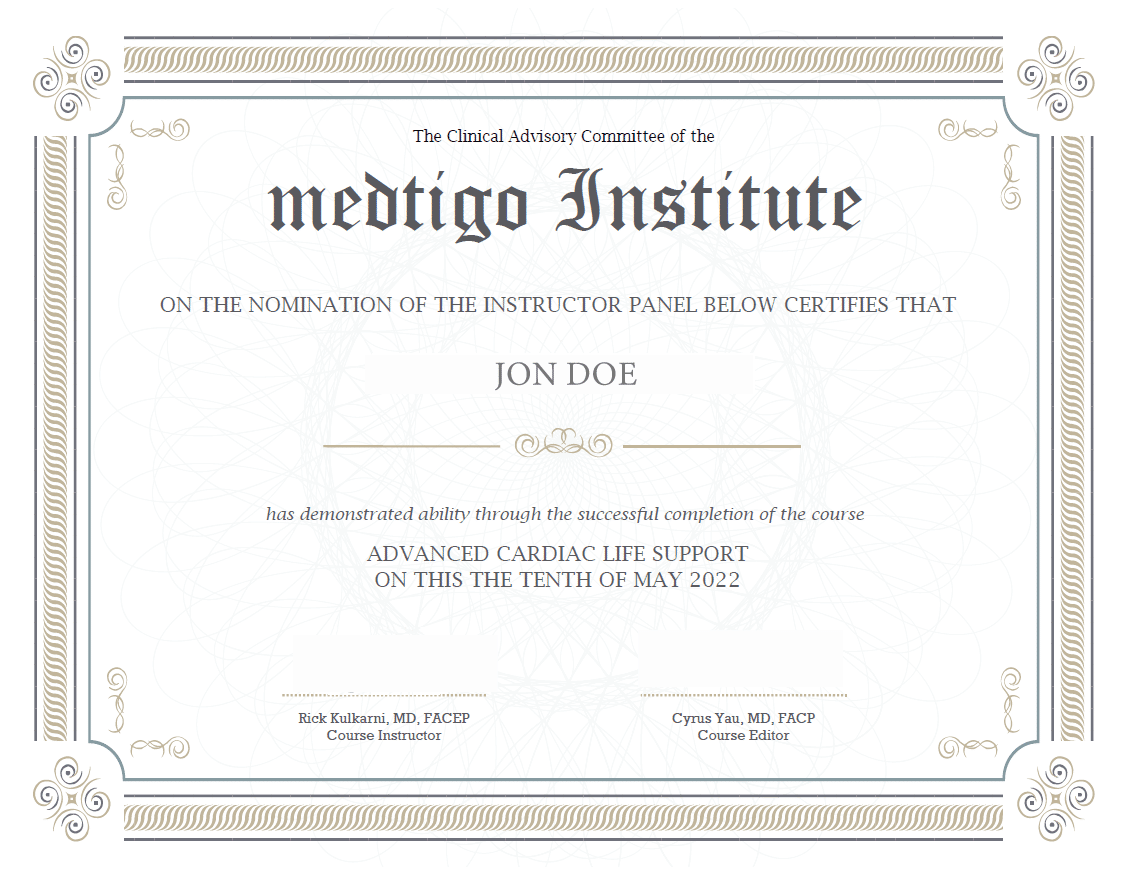
On course completion, you will receive a full-sized presentation quality digital certificate.
medtigo Simulation
A dynamic medical simulation platform designed to train healthcare professionals and students to effectively run code situations through an immersive hands-on experience in a live, interactive 3D environment.
medtigo Points
medtigo points is our unique point redemption system created to award users for interacting on our site. These points can be redeemed for special discounts on the medtigo marketplace as well as towards the membership cost itself.
Community Forum post/reply = 5 points
*Redemption of points can occur only through the medtigo marketplace, courses, or simulation system. Money will not be credited to your bank account. 10 points = $1.
All Your Certificates in One Place
When you have your licenses, certificates and CMEs in one place, it's easier to track your career growth. You can easily share these with hospitals as well, using your medtigo app.