Hidden Risks of Exosome Injections in Pain Management
April 8, 2026






Background
Leber hereditary optic neuropathy (LHON) is a genetic disorder of mitochondrial inheritance that affects young men and is characterized by visual impairment due to degeneration of optic nerve. It is a form maternally inherited and is associated with changes in mitochondrial DNA point mutations and particularly m. 11778G. A>MT-ND4, m. 3460G. A>MT-ND1, and m. 14484T. C>MT-ND6, that accounts for approximately 90% of instances. However, these mutations can be present in individuals who do not present symptoms, and this can be explained by the differences in tissue heteroplasmy. It is determined by genetic factors, X-linked genes, and immunological factors the onset and further development of the disease.
LHON initially starts in one eye, with the other eye being involved within a year, leading to severe vision loss as well as abnormality in color vision and central scotomas. Therefore, fundus examinations can be useful in diagnosing LHON but their absence does not rule out the disease. Recent enhancements in imaging technologies such as Optical Coherence Tomography (OCT) have helped in diagnosis and management of the condition. Lifestyle changes, vitamin supplements and in the subacute phase idebenone to help restore vision are some of the management strategies. However, most of the patients develop permanent visual impairment, underlining the need for further supportive management and genetic consultation for families with the disease.
Epidemiology
Since LHON has been identified as the most prevalent mitochondrial disease, different populations have occurred in the epidemiological studies covering Northeast England of 1 in 27000 and meta-analysis of European populations 1 in 45000. It is more common in males by 80%-90% and occurs most often between the ages of 15 to 35 years.
Anatomy
Pathophysiology
It is inherited from MT DNA and has an effect on the complex I of the mitochondrial respiratory chain, and some of the gene mutations include; G11778A, G3460A, T14484C, which causes a decrease in the production of ATP and increased ROS. This causes oxidative stress and preferential RGC death which in turn results in the loss of vision. This disease displays tissue heteroplasmy, and the amount of mutated mtDNA can be different, which defines the clinical picture manifestation. Thus, while cytogenetic changes include nuclear gene modifiers and an X-linked susceptibility gene, there are additional phenotypic influences like smoking and alcohol use, which impact disease progression. The condition usually morphs as acute or subacute painless loss of central vision that often results to severe visual acuity loss.
Etiology
LHON is a disorder associated with mtDNA point mutations and is passed on from mother’s egg. Cellular energy is produced in the mitochondria, and if the mutation in the mtDNA is beyond a certain point, the cell stops functioning as it should hence disease. Mitochondrial DNA abnormalities affect the respiratory chain complex I and result in the preferential loss of retinal ganglion cells and optic nerve degeneration within one year. Three point mutations of the mitochondrial DNA are thought to cause about 90% of the cases in people of most ethnic backgrounds. All the family members of a female patient with LHON bear the mutation in mtDNA, though all are not.
Genetics
Prognostic Factors
In the majority of LHON instances, the impairment of vision is severe and irreversible. However, some patients begin to gain their functions either gradually or suddenly within the first half a year to a year and occasionally up to 10 years of development of the stroke. This recovery may take the form of a steady return of segmental central vision or of a small island of vision within a large central scotoma disclosed through visual fields.
It has been established that a better visual prognosis corresponds to an earlier age of onset. Current visual acuity at the time of completion of the study is usually worse than 20/80 in patients who developed symptoms before the age of 20 years. The specific mtDNA mutation also affects prognosis: Patients with 11778 mutation have a very poor prognosis and spontaneously recovered in only 4% of the cases, while patients with 14484 mutation have relatively better prognosis ranging from 37% to 65% of the patients gaining some vison. However, it is important to notice that patients with 14484 mutation fare much better than patients with 11778 and 3460 mutations regard to visual acuity. It should be noted that blurring of vision relapses are uncommon regardless the sight return or not.
Clinical History
Age group
Typical Onset: Most commonly, occurs among the young adults, with persons between the ages of fifteen and thirty-five years being most prone.
Range: Has been reported in patients of different ages ranging from childhood to early sixties or even late sixties and over.
Physical Examination
Visual Acuity: In most cases, the patient develops a sudden, and painless impairment of central vision. Visual acuity is always impacted and reduced in the affected individuals, but peripheral vision is relatively spared.
Fundoscopic Examination: The optic disc may look normal at the beginning of the disease but later, the optic disc may be swollen or atrophic.
Visual Field Testing: The patients often produce complaints of central visual loss with scotomas or concentric contraction of the fields of vision.
Age group
Associated comorbidity
Associated activity
Acuity of presentation
Initial Symptoms: It usually starts with no discomfort and sudden or relatively slow development of the loss of central vision in one eye.
Progression: The second eye is affected within weeks to months after the first eye is affected.
Differential Diagnoses
Laboratory Studies
Imaging Studies
Procedures
Histologic Findings
Staging
Treatment Paradigm
Supportive Care:
Visual Rehabilitation: Patients can be assisted in learning to cope with their loss of vision using low vision aids and rehabilitation.
Psychological Support: This means that through counselling and or support groups the patient might be helped to deal with the overall psychological effects of vision loss.
Pharmacological Treatments:
Idebenone: It belongs to the coenzyme Q10 group and can be described as a synthetic version of the coenzyme. It has been noted that it might have a positive impact on the visual prognosis if administered at the initial stage of the disease. These are generally administered at roughly 300 mg, three times daily over a 24 hour period.
Coenzyme Q10 (CoQ10): Like idebenone, CoQ10 is believed to aid in the effective functioning of mitochondria. Still, there is less evidence that has connected it to the treatment of LHON as compared to the other compound idebenone.
Gene Therapy: Clinical trials and experiments are still in the process to treat LHON using gene therapy. Mitochondrial DNA is targeted by several trials to apply new methods such as the replacement of the faulty copy or reversing mitochondrial mutations.
Genetic Counselling: Genetic consultation may be advised to patients with LHON and their families because the disorder is inherited, and they need to know more about the familial risk on their future offsprings.
by Stage
by Modality
Chemotherapy
Radiation Therapy
Surgical Interventions
Hormone Therapy
Immunotherapy
Hyperthermia
Photodynamic Therapy
Stem Cell Transplant
Targeted Therapy
Palliative Care
use-of-a-non-pharmacological-approach-for-treating-lebers-optic-atrophy
Visual Rehabilitation: For example, magnifying glasses, different types of spectacles, or an electronic reader facility might enable a patient to get the most out of the vision that remains. Training and therapy may help the patients to avoid risks inherent in their environment and function more autonomously.
Lifestyle Modifications: It is also necessary to quit drinking alcohol and smoking because they can aggrevate mitochondrial dysfunction and worsen the given condition. Antioxidants, vitamins, and minerals which are essential nutrients may help in improving general health and theoretically in the health of the mitochondria. Although, there is lack of distinct dietary modification that may be prescribed for the sufferers of LHON, the patients and the general populace are always advised to take balanced meals.
Psychosocial Support: It can support the patient adjust well to such loss since it contains the psychological side of the condition. It is recommended to find groups that are dedicated to the individuals with the vision impairment to get a company and support together with certain tips.
Role of Idebenone
Idebenone is a synthetic version of Coenzyme Q10 and has been tested for its therapeutic applications in Leber Hereditary Optic Neuropathy or LHON. They are believed to enhance the functionality of mitochondria by enhancing the capacity by which electrons are transported via the mitochondrial respiratory chain. This assists in preventing oxidation stress and enhancing produce of cellular energy which is very essential in LHON, a condition that is characterized by dysfunction of mitochondria. The recommended daily dose is 900 mg of the drug per day, split into three equal doses of 300 mg each. This drug comes in a tablet form and should be taken with food because doing so increases its bioavailability.
Role of Coenzyme Q10 (CoQ10)
Coenzyme Q10 (CoQ10) is a molecule that is present naturally in the body and has an antioxidant function and participates in the electron transport chain in mitochondria which is involved in energy producing process of the cell. It also acts as an antioxidant protecting cells against essential processes possible wear and tear such as oxidation of LDL cholesterol which leads to free radical generation and subsequent cellular damage is also prevented by CoQ10. In coenzyme Q10, deficiency of which is not directly implicated in LHON, it may improve cellular energy and decrease injury form reactive oxygen species. The doses usually vary between 100 to 300 milligrams per day with the possibility of doses that are taken two to three times a day. This is used in oral administration, and it is recommended to be used with meals for better absorption.
use-of-intervention-with-a-procedure-in-treating-lebers-optic-atrophy
Gene Therapy: This experimental approach is focused on the prevention of LHON by trying to repair the given genetic mutations. The intention here is to bring in the proper version of mt DNA or to repair the mutation on the genes in the affected cells. Currently, there have been several clinical trials on gene therapy for LHON some of which are revealing encouraging outcomes in as much as visual stability or even improvement. Some procedures may include utility of viral vectors for gene delivery.
Cell and Tissue Transplantation: Ideally, the transplantation of healthy retinal cells or stem cells in retina that got damaged may prove beneficial in accordance with the capabilities of the used cells. I noticed this technique is still in its developmental stage and is not therefore very popular now. As of now, the suitability and efficiency of nasal vaccination are still under study.
Visual Rehabilitation Procedures: Though they offer no cure for the actual disease, several procedures and devices are potentially helpful for the patients and enable them to utilise what is left of their vision. This ranges from the use of hand-held optical lens, glasses, or electronic gadgets. Such aids are usually helpful in enhancing an individual’s quality of life and in the performance of activities while having LHON.
use-of-phases-in-managing-lebers-optic-atrophy
LHON requires a stepwise approach to treat the disease since the disease has stages that need to be managed. In early phase, the priority is to initiate therapies which could probably hold the progression including the launching of idebenone and, possibly, Coenzyme Q10 (CoQ10), as well as molecular testing and counseling. In intermediate phase, strict management and follow up with the help of diagram, change of vision periodically and cessation of alcohol and smoking habits are required. In the late phase, the vision impairment is severe, and the focus is shifted towards end-of-life care, adjustment to the diagnosis, and rehabilitation devices that augment functioning in the remaining visual field. The research phase includes reviewing and possibly adopting new treatments by conducting clinical trials and know about the new treatment. Finally, long-term management helps maintain consistent treatment and provides log-follow up, educational support, and necessary adaptive changes to benefit the patient’s health and life.
Medication
Future Trends
References
Leber hereditary optic neuropathy (LHON) is a genetic disorder of mitochondrial inheritance that affects young men and is characterized by visual impairment due to degeneration of optic nerve. It is a form maternally inherited and is associated with changes in mitochondrial DNA point mutations and particularly m. 11778G. A>MT-ND4, m. 3460G. A>MT-ND1, and m. 14484T. C>MT-ND6, that accounts for approximately 90% of instances. However, these mutations can be present in individuals who do not present symptoms, and this can be explained by the differences in tissue heteroplasmy. It is determined by genetic factors, X-linked genes, and immunological factors the onset and further development of the disease.
LHON initially starts in one eye, with the other eye being involved within a year, leading to severe vision loss as well as abnormality in color vision and central scotomas. Therefore, fundus examinations can be useful in diagnosing LHON but their absence does not rule out the disease. Recent enhancements in imaging technologies such as Optical Coherence Tomography (OCT) have helped in diagnosis and management of the condition. Lifestyle changes, vitamin supplements and in the subacute phase idebenone to help restore vision are some of the management strategies. However, most of the patients develop permanent visual impairment, underlining the need for further supportive management and genetic consultation for families with the disease.
Since LHON has been identified as the most prevalent mitochondrial disease, different populations have occurred in the epidemiological studies covering Northeast England of 1 in 27000 and meta-analysis of European populations 1 in 45000. It is more common in males by 80%-90% and occurs most often between the ages of 15 to 35 years.
It is inherited from MT DNA and has an effect on the complex I of the mitochondrial respiratory chain, and some of the gene mutations include; G11778A, G3460A, T14484C, which causes a decrease in the production of ATP and increased ROS. This causes oxidative stress and preferential RGC death which in turn results in the loss of vision. This disease displays tissue heteroplasmy, and the amount of mutated mtDNA can be different, which defines the clinical picture manifestation. Thus, while cytogenetic changes include nuclear gene modifiers and an X-linked susceptibility gene, there are additional phenotypic influences like smoking and alcohol use, which impact disease progression. The condition usually morphs as acute or subacute painless loss of central vision that often results to severe visual acuity loss.
LHON is a disorder associated with mtDNA point mutations and is passed on from mother’s egg. Cellular energy is produced in the mitochondria, and if the mutation in the mtDNA is beyond a certain point, the cell stops functioning as it should hence disease. Mitochondrial DNA abnormalities affect the respiratory chain complex I and result in the preferential loss of retinal ganglion cells and optic nerve degeneration within one year. Three point mutations of the mitochondrial DNA are thought to cause about 90% of the cases in people of most ethnic backgrounds. All the family members of a female patient with LHON bear the mutation in mtDNA, though all are not.
In the majority of LHON instances, the impairment of vision is severe and irreversible. However, some patients begin to gain their functions either gradually or suddenly within the first half a year to a year and occasionally up to 10 years of development of the stroke. This recovery may take the form of a steady return of segmental central vision or of a small island of vision within a large central scotoma disclosed through visual fields.
It has been established that a better visual prognosis corresponds to an earlier age of onset. Current visual acuity at the time of completion of the study is usually worse than 20/80 in patients who developed symptoms before the age of 20 years. The specific mtDNA mutation also affects prognosis: Patients with 11778 mutation have a very poor prognosis and spontaneously recovered in only 4% of the cases, while patients with 14484 mutation have relatively better prognosis ranging from 37% to 65% of the patients gaining some vison. However, it is important to notice that patients with 14484 mutation fare much better than patients with 11778 and 3460 mutations regard to visual acuity. It should be noted that blurring of vision relapses are uncommon regardless the sight return or not.
Age group
Typical Onset: Most commonly, occurs among the young adults, with persons between the ages of fifteen and thirty-five years being most prone.
Range: Has been reported in patients of different ages ranging from childhood to early sixties or even late sixties and over.
Visual Acuity: In most cases, the patient develops a sudden, and painless impairment of central vision. Visual acuity is always impacted and reduced in the affected individuals, but peripheral vision is relatively spared.
Fundoscopic Examination: The optic disc may look normal at the beginning of the disease but later, the optic disc may be swollen or atrophic.
Visual Field Testing: The patients often produce complaints of central visual loss with scotomas or concentric contraction of the fields of vision.
Initial Symptoms: It usually starts with no discomfort and sudden or relatively slow development of the loss of central vision in one eye.
Progression: The second eye is affected within weeks to months after the first eye is affected.
Supportive Care:
Visual Rehabilitation: Patients can be assisted in learning to cope with their loss of vision using low vision aids and rehabilitation.
Psychological Support: This means that through counselling and or support groups the patient might be helped to deal with the overall psychological effects of vision loss.
Pharmacological Treatments:
Idebenone: It belongs to the coenzyme Q10 group and can be described as a synthetic version of the coenzyme. It has been noted that it might have a positive impact on the visual prognosis if administered at the initial stage of the disease. These are generally administered at roughly 300 mg, three times daily over a 24 hour period.
Coenzyme Q10 (CoQ10): Like idebenone, CoQ10 is believed to aid in the effective functioning of mitochondria. Still, there is less evidence that has connected it to the treatment of LHON as compared to the other compound idebenone.
Gene Therapy: Clinical trials and experiments are still in the process to treat LHON using gene therapy. Mitochondrial DNA is targeted by several trials to apply new methods such as the replacement of the faulty copy or reversing mitochondrial mutations.
Genetic Counselling: Genetic consultation may be advised to patients with LHON and their families because the disorder is inherited, and they need to know more about the familial risk on their future offsprings.
Nutrition
Visual Rehabilitation: For example, magnifying glasses, different types of spectacles, or an electronic reader facility might enable a patient to get the most out of the vision that remains. Training and therapy may help the patients to avoid risks inherent in their environment and function more autonomously.
Lifestyle Modifications: It is also necessary to quit drinking alcohol and smoking because they can aggrevate mitochondrial dysfunction and worsen the given condition. Antioxidants, vitamins, and minerals which are essential nutrients may help in improving general health and theoretically in the health of the mitochondria. Although, there is lack of distinct dietary modification that may be prescribed for the sufferers of LHON, the patients and the general populace are always advised to take balanced meals.
Psychosocial Support: It can support the patient adjust well to such loss since it contains the psychological side of the condition. It is recommended to find groups that are dedicated to the individuals with the vision impairment to get a company and support together with certain tips.
Ophthalmology
Idebenone is a synthetic version of Coenzyme Q10 and has been tested for its therapeutic applications in Leber Hereditary Optic Neuropathy or LHON. They are believed to enhance the functionality of mitochondria by enhancing the capacity by which electrons are transported via the mitochondrial respiratory chain. This assists in preventing oxidation stress and enhancing produce of cellular energy which is very essential in LHON, a condition that is characterized by dysfunction of mitochondria. The recommended daily dose is 900 mg of the drug per day, split into three equal doses of 300 mg each. This drug comes in a tablet form and should be taken with food because doing so increases its bioavailability.
Ophthalmology
Coenzyme Q10 (CoQ10) is a molecule that is present naturally in the body and has an antioxidant function and participates in the electron transport chain in mitochondria which is involved in energy producing process of the cell. It also acts as an antioxidant protecting cells against essential processes possible wear and tear such as oxidation of LDL cholesterol which leads to free radical generation and subsequent cellular damage is also prevented by CoQ10. In coenzyme Q10, deficiency of which is not directly implicated in LHON, it may improve cellular energy and decrease injury form reactive oxygen species. The doses usually vary between 100 to 300 milligrams per day with the possibility of doses that are taken two to three times a day. This is used in oral administration, and it is recommended to be used with meals for better absorption.
Ophthalmology
Gene Therapy: This experimental approach is focused on the prevention of LHON by trying to repair the given genetic mutations. The intention here is to bring in the proper version of mt DNA or to repair the mutation on the genes in the affected cells. Currently, there have been several clinical trials on gene therapy for LHON some of which are revealing encouraging outcomes in as much as visual stability or even improvement. Some procedures may include utility of viral vectors for gene delivery.
Cell and Tissue Transplantation: Ideally, the transplantation of healthy retinal cells or stem cells in retina that got damaged may prove beneficial in accordance with the capabilities of the used cells. I noticed this technique is still in its developmental stage and is not therefore very popular now. As of now, the suitability and efficiency of nasal vaccination are still under study.
Visual Rehabilitation Procedures: Though they offer no cure for the actual disease, several procedures and devices are potentially helpful for the patients and enable them to utilise what is left of their vision. This ranges from the use of hand-held optical lens, glasses, or electronic gadgets. Such aids are usually helpful in enhancing an individual’s quality of life and in the performance of activities while having LHON.
Ophthalmology
LHON requires a stepwise approach to treat the disease since the disease has stages that need to be managed. In early phase, the priority is to initiate therapies which could probably hold the progression including the launching of idebenone and, possibly, Coenzyme Q10 (CoQ10), as well as molecular testing and counseling. In intermediate phase, strict management and follow up with the help of diagram, change of vision periodically and cessation of alcohol and smoking habits are required. In the late phase, the vision impairment is severe, and the focus is shifted towards end-of-life care, adjustment to the diagnosis, and rehabilitation devices that augment functioning in the remaining visual field. The research phase includes reviewing and possibly adopting new treatments by conducting clinical trials and know about the new treatment. Finally, long-term management helps maintain consistent treatment and provides log-follow up, educational support, and necessary adaptive changes to benefit the patient’s health and life.

Leber hereditary optic neuropathy (LHON) is a genetic disorder of mitochondrial inheritance that affects young men and is characterized by visual impairment due to degeneration of optic nerve. It is a form maternally inherited and is associated with changes in mitochondrial DNA point mutations and particularly m. 11778G. A>MT-ND4, m. 3460G. A>MT-ND1, and m. 14484T. C>MT-ND6, that accounts for approximately 90% of instances. However, these mutations can be present in individuals who do not present symptoms, and this can be explained by the differences in tissue heteroplasmy. It is determined by genetic factors, X-linked genes, and immunological factors the onset and further development of the disease.
LHON initially starts in one eye, with the other eye being involved within a year, leading to severe vision loss as well as abnormality in color vision and central scotomas. Therefore, fundus examinations can be useful in diagnosing LHON but their absence does not rule out the disease. Recent enhancements in imaging technologies such as Optical Coherence Tomography (OCT) have helped in diagnosis and management of the condition. Lifestyle changes, vitamin supplements and in the subacute phase idebenone to help restore vision are some of the management strategies. However, most of the patients develop permanent visual impairment, underlining the need for further supportive management and genetic consultation for families with the disease.
Since LHON has been identified as the most prevalent mitochondrial disease, different populations have occurred in the epidemiological studies covering Northeast England of 1 in 27000 and meta-analysis of European populations 1 in 45000. It is more common in males by 80%-90% and occurs most often between the ages of 15 to 35 years.
It is inherited from MT DNA and has an effect on the complex I of the mitochondrial respiratory chain, and some of the gene mutations include; G11778A, G3460A, T14484C, which causes a decrease in the production of ATP and increased ROS. This causes oxidative stress and preferential RGC death which in turn results in the loss of vision. This disease displays tissue heteroplasmy, and the amount of mutated mtDNA can be different, which defines the clinical picture manifestation. Thus, while cytogenetic changes include nuclear gene modifiers and an X-linked susceptibility gene, there are additional phenotypic influences like smoking and alcohol use, which impact disease progression. The condition usually morphs as acute or subacute painless loss of central vision that often results to severe visual acuity loss.
LHON is a disorder associated with mtDNA point mutations and is passed on from mother’s egg. Cellular energy is produced in the mitochondria, and if the mutation in the mtDNA is beyond a certain point, the cell stops functioning as it should hence disease. Mitochondrial DNA abnormalities affect the respiratory chain complex I and result in the preferential loss of retinal ganglion cells and optic nerve degeneration within one year. Three point mutations of the mitochondrial DNA are thought to cause about 90% of the cases in people of most ethnic backgrounds. All the family members of a female patient with LHON bear the mutation in mtDNA, though all are not.
In the majority of LHON instances, the impairment of vision is severe and irreversible. However, some patients begin to gain their functions either gradually or suddenly within the first half a year to a year and occasionally up to 10 years of development of the stroke. This recovery may take the form of a steady return of segmental central vision or of a small island of vision within a large central scotoma disclosed through visual fields.
It has been established that a better visual prognosis corresponds to an earlier age of onset. Current visual acuity at the time of completion of the study is usually worse than 20/80 in patients who developed symptoms before the age of 20 years. The specific mtDNA mutation also affects prognosis: Patients with 11778 mutation have a very poor prognosis and spontaneously recovered in only 4% of the cases, while patients with 14484 mutation have relatively better prognosis ranging from 37% to 65% of the patients gaining some vison. However, it is important to notice that patients with 14484 mutation fare much better than patients with 11778 and 3460 mutations regard to visual acuity. It should be noted that blurring of vision relapses are uncommon regardless the sight return or not.
Age group
Typical Onset: Most commonly, occurs among the young adults, with persons between the ages of fifteen and thirty-five years being most prone.
Range: Has been reported in patients of different ages ranging from childhood to early sixties or even late sixties and over.
Visual Acuity: In most cases, the patient develops a sudden, and painless impairment of central vision. Visual acuity is always impacted and reduced in the affected individuals, but peripheral vision is relatively spared.
Fundoscopic Examination: The optic disc may look normal at the beginning of the disease but later, the optic disc may be swollen or atrophic.
Visual Field Testing: The patients often produce complaints of central visual loss with scotomas or concentric contraction of the fields of vision.
Initial Symptoms: It usually starts with no discomfort and sudden or relatively slow development of the loss of central vision in one eye.
Progression: The second eye is affected within weeks to months after the first eye is affected.
Supportive Care:
Visual Rehabilitation: Patients can be assisted in learning to cope with their loss of vision using low vision aids and rehabilitation.
Psychological Support: This means that through counselling and or support groups the patient might be helped to deal with the overall psychological effects of vision loss.
Pharmacological Treatments:
Idebenone: It belongs to the coenzyme Q10 group and can be described as a synthetic version of the coenzyme. It has been noted that it might have a positive impact on the visual prognosis if administered at the initial stage of the disease. These are generally administered at roughly 300 mg, three times daily over a 24 hour period.
Coenzyme Q10 (CoQ10): Like idebenone, CoQ10 is believed to aid in the effective functioning of mitochondria. Still, there is less evidence that has connected it to the treatment of LHON as compared to the other compound idebenone.
Gene Therapy: Clinical trials and experiments are still in the process to treat LHON using gene therapy. Mitochondrial DNA is targeted by several trials to apply new methods such as the replacement of the faulty copy or reversing mitochondrial mutations.
Genetic Counselling: Genetic consultation may be advised to patients with LHON and their families because the disorder is inherited, and they need to know more about the familial risk on their future offsprings.
Nutrition
Visual Rehabilitation: For example, magnifying glasses, different types of spectacles, or an electronic reader facility might enable a patient to get the most out of the vision that remains. Training and therapy may help the patients to avoid risks inherent in their environment and function more autonomously.
Lifestyle Modifications: It is also necessary to quit drinking alcohol and smoking because they can aggrevate mitochondrial dysfunction and worsen the given condition. Antioxidants, vitamins, and minerals which are essential nutrients may help in improving general health and theoretically in the health of the mitochondria. Although, there is lack of distinct dietary modification that may be prescribed for the sufferers of LHON, the patients and the general populace are always advised to take balanced meals.
Psychosocial Support: It can support the patient adjust well to such loss since it contains the psychological side of the condition. It is recommended to find groups that are dedicated to the individuals with the vision impairment to get a company and support together with certain tips.
Ophthalmology
Idebenone is a synthetic version of Coenzyme Q10 and has been tested for its therapeutic applications in Leber Hereditary Optic Neuropathy or LHON. They are believed to enhance the functionality of mitochondria by enhancing the capacity by which electrons are transported via the mitochondrial respiratory chain. This assists in preventing oxidation stress and enhancing produce of cellular energy which is very essential in LHON, a condition that is characterized by dysfunction of mitochondria. The recommended daily dose is 900 mg of the drug per day, split into three equal doses of 300 mg each. This drug comes in a tablet form and should be taken with food because doing so increases its bioavailability.
Ophthalmology
Coenzyme Q10 (CoQ10) is a molecule that is present naturally in the body and has an antioxidant function and participates in the electron transport chain in mitochondria which is involved in energy producing process of the cell. It also acts as an antioxidant protecting cells against essential processes possible wear and tear such as oxidation of LDL cholesterol which leads to free radical generation and subsequent cellular damage is also prevented by CoQ10. In coenzyme Q10, deficiency of which is not directly implicated in LHON, it may improve cellular energy and decrease injury form reactive oxygen species. The doses usually vary between 100 to 300 milligrams per day with the possibility of doses that are taken two to three times a day. This is used in oral administration, and it is recommended to be used with meals for better absorption.
Ophthalmology
Gene Therapy: This experimental approach is focused on the prevention of LHON by trying to repair the given genetic mutations. The intention here is to bring in the proper version of mt DNA or to repair the mutation on the genes in the affected cells. Currently, there have been several clinical trials on gene therapy for LHON some of which are revealing encouraging outcomes in as much as visual stability or even improvement. Some procedures may include utility of viral vectors for gene delivery.
Cell and Tissue Transplantation: Ideally, the transplantation of healthy retinal cells or stem cells in retina that got damaged may prove beneficial in accordance with the capabilities of the used cells. I noticed this technique is still in its developmental stage and is not therefore very popular now. As of now, the suitability and efficiency of nasal vaccination are still under study.
Visual Rehabilitation Procedures: Though they offer no cure for the actual disease, several procedures and devices are potentially helpful for the patients and enable them to utilise what is left of their vision. This ranges from the use of hand-held optical lens, glasses, or electronic gadgets. Such aids are usually helpful in enhancing an individual’s quality of life and in the performance of activities while having LHON.
Ophthalmology
LHON requires a stepwise approach to treat the disease since the disease has stages that need to be managed. In early phase, the priority is to initiate therapies which could probably hold the progression including the launching of idebenone and, possibly, Coenzyme Q10 (CoQ10), as well as molecular testing and counseling. In intermediate phase, strict management and follow up with the help of diagram, change of vision periodically and cessation of alcohol and smoking habits are required. In the late phase, the vision impairment is severe, and the focus is shifted towards end-of-life care, adjustment to the diagnosis, and rehabilitation devices that augment functioning in the remaining visual field. The research phase includes reviewing and possibly adopting new treatments by conducting clinical trials and know about the new treatment. Finally, long-term management helps maintain consistent treatment and provides log-follow up, educational support, and necessary adaptive changes to benefit the patient’s health and life.

Both our subscription plans include Free CME/CPD AMA PRA Category 1 credits.
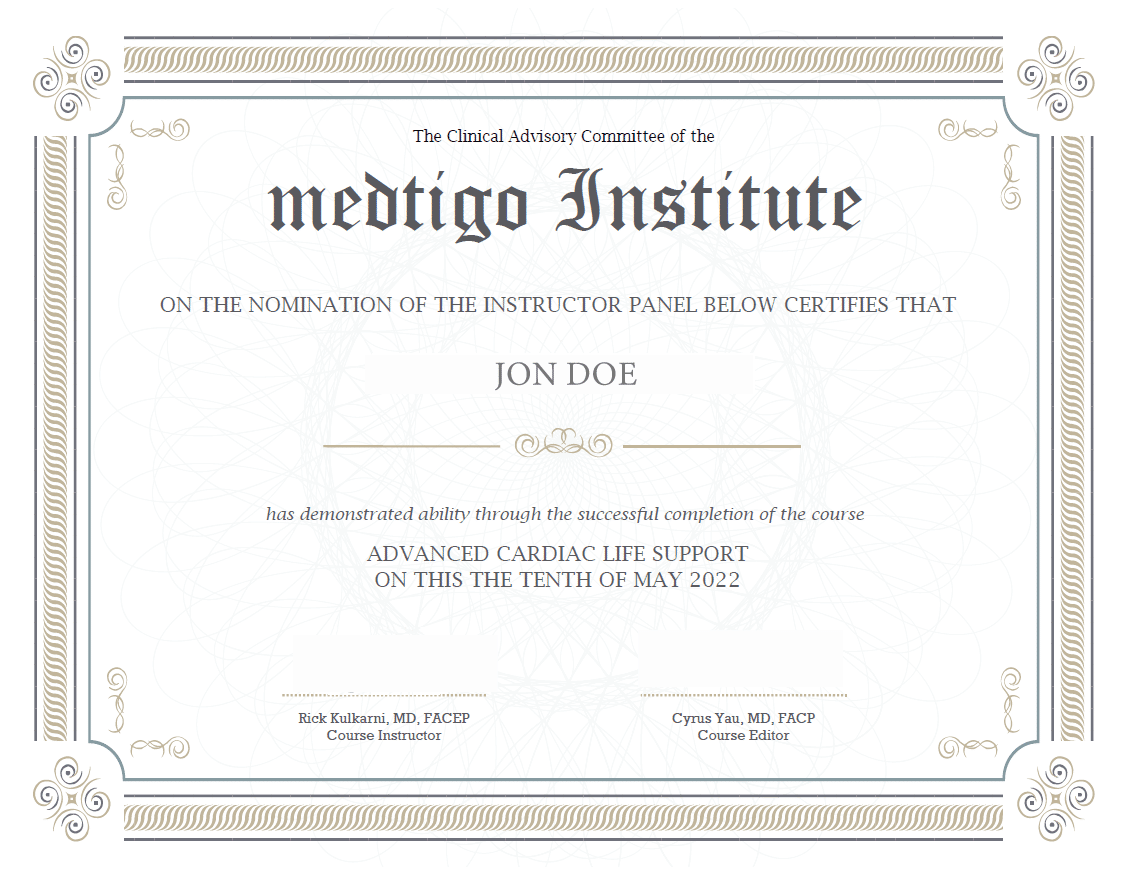
On course completion, you will receive a full-sized presentation quality digital certificate.
A dynamic medical simulation platform designed to train healthcare professionals and students to effectively run code situations through an immersive hands-on experience in a live, interactive 3D environment.
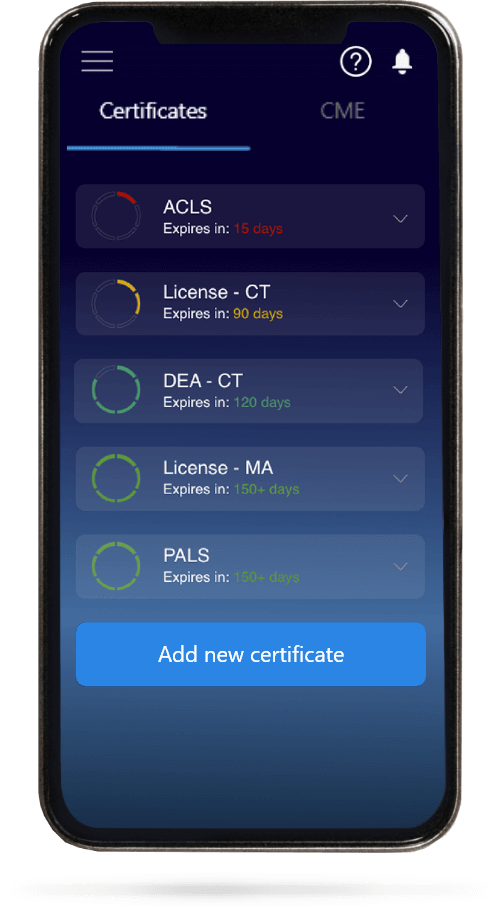
When you have your licenses, certificates and CMEs in one place, it's easier to track your career growth. You can easily share these with hospitals as well, using your medtigo app.