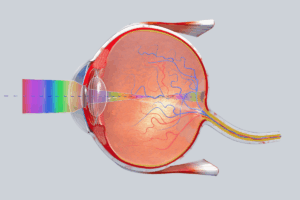
World’s First Human Implant of a 3D-Printed Cornea Restores Sight
December 15, 2025






Background
MoCD type A is an exceedingly uncommon and devastating genetic disorder that disrupts the proper functioning of vital enzymes in the human body. This hereditary condition belongs to a group of disorders known as inborn errors of metabolism and results from mutations in the MOCS1 gene, leading to the inability to synthesize molybdenum cofactor (MoCo). MoCD type A is characterized by a spectrum of severe neurological and developmental abnormalities, typically manifesting within the initial weeks of a newborn’s life.
Epidemiology
Prevalence: MoCD type A is an exceptionally uncommon disorder. The exact prevalence is not well-documented; however, statistical estimates suggest that its incidence is roughly 1 in every 1 to 2 million live births.
Inheritance: MoCD type A is inherited in an autosomal recessive manner. This means that both parents must carry a mutation in the MOCS1 gene (or the MOCS2 gene in rare cases) and pass it on to their child for the disorder to develop. Carriers (heterozygous individuals) typically do not exhibit any symptoms.
Genetic Mutation: The primary genetic defect responsible for MoCD type A is a mutation in the MOCS1 gene, which is involved in the synthesis of molybdenum cofactor (MoCo). MoCo is essential for the function of molybdenum-dependent enzymes, and its deficiency leads to the clinical manifestations of the disorder.
Anatomy
Pathophysiology
Molybdenum Cofactor (MoCo) Biosynthesis Impairment:
Mutations in the MOCS1 gene disrupt the normal synthesis of molybdenum cofactor (MoCo).
MoCo is an essential cofactor for SUOX, XDH, and AOX1 enzymes. These enzymes play crucial roles in various metabolic pathways.
Sulfite Accumulation:
One of the primary consequences of MoCD type A is the deficiency of SUOX, which is responsible for converting sulfite to sulfate.
In MoCD type A, sulfite accumulates in the body because SUOX cannot function properly without MoCo.
Elevated sulfite levels are toxic to tissues, especially the central nervous system.
Neurological Damage:
High sulfite levels can lead to oxidative stress and damage to neurons in the central nervous system.
Neurological symptoms often manifest in infancy, including seizures, developmental delay, intellectual disability, and movement abnormalities.
Xanthine and Hypoxanthine Accumulation:
XDH and AOX1 are also affected by MoCo deficiency.
Without functional MoCo, these enzymes cannot convert xanthine and hypoxanthine to uric acid, accumulating these substances in the body.
Inhibition of Other Enzymes:
The accumulation of xanthine and hypoxanthine can inhibit other enzymes, such as purine nucleoside phosphorylase (PNP), leading to additional metabolic disturbances.
Multi-organ Dysfunction:
MoCD type A affects multiple organ systems, including the brain, liver, and kidneys, due to the disruption of essential metabolic pathways.
Liver dysfunction can lead to hepatomegaly (enlarged liver), and kidney dysfunction may result in kidney stones.
Etiology
Genetic Mutations:
MoCD type A is primarily caused by mutations in the MOCS1 gene. MOCS1 encodes for the molybdenum cofactor sulfurase enzyme, which is responsible for the concluding stage in the biosynthesis of the molybdenum cofactor (MoCo).
Typically, these genetic mutations are inherited through an autosomal recessive pattern, means a person who is impacted inherits two altered versions of the MOCS1 gene, with one originating from each parent.
Molybdenum Cofactor (MoCo):
The molybdenum cofactor (MoCo) is essential for the activity of three key enzymes in the body: sulfite oxidase, xanthine dehydrogenase, and aldehyde oxidase.
Sulfite oxidase is particularly critical as it catalyzes the conversion of toxic sulfite to sulfate, a harmless compound. When sulfite cannot be metabolized due to MoCD type A, it can build up in the body and lead to severe neurological and developmental problems.
Clinical Consequences:
MoCD type A typically presents in infancy or early childhood with symptoms such as seizures, developmental delays, feeding difficulties, and progressive neurologic deterioration.
MoCD type A is often fatal in early childhood due to severe neurological damage and multi-organ failure if left untreated.
Genetics
Prognostic Factors
Neurological Involvement: The extent and severity of neurological symptoms, such as seizures, developmental delay, and movement disorders, can significantly impact the prognosis. Severe neurological involvement often leads to a poorer outcome.
Treatment Response: The patient’s responsiveness to treatment, mainly if they receive early and aggressive interventions such as cyclic pyranopterin monophosphate (cPMP), can influence the prognosis. Some patients may experience partial or complete symptom improvement with timely treatment.
Genetic Mutations: Specific genetic mutations associated with MoCD type A can affect the disease’s severity and progression. Certain mutations may be more challenging to manage and may result in a worse prognosis.
Intellectual Disability: The degree of intellectual disability or cognitive impairment can vary among individuals with MoCD type A. Those with more severe cognitive deficits may face greater challenges in daily life and long-term prognosis.
Supportive Care: Access to comprehensive and multidisciplinary medical care, including physical and occupational therapy, can improve the prognosis by addressing symptoms and complications effectively.
Family Support: The support system provided by the patient’s family and caregivers can significantly influence the prognosis. A strong support network can help manage the challenges associated with MoCD type A and improve the patient’s overall well-being.
Clinical History
Age group
Molybdenum cofactor deficiency (MoCD) type A is a rare and severe genetic disorder that typically presents in early infancy. The age group affected by MoCD type A includes newborns and young children. Symptoms of the condition often become apparent right from birth, with features such as seizures, developmental delays, feeding difficulties, and failure to thrive. MoCD type A is a life-threatening condition, and affected individuals usually have a very limited life expectancy, often not surviving beyond early childhood.
Associated Comorbidity or Activity:
Physical Examination
Neurological Examination:
Profound neurological abnormalities are a hallmark of MoCD type A. These can include:
Developmental Assessment:
Evaluate the child’s developmental milestones, which are often significantly delayed in MoCD type A.
Age group
Associated comorbidity
Associated activity
Acuity of presentation
Neonatal Onset: MoCD type A typically presents in the neonatal period, with symptoms becoming apparent shortly after birth or within the first few days of life.
Neurological Symptoms:
Feeding and Growth Problems:
Neurodevelopmental Delay:
Ocular Abnormalities:
Facial Dysmorphism:
Progressive Deterioration:
Short Life Expectancy:
Differential Diagnoses
Other Types of MoCD: There are multiple types of MoCD, including Type B and Type C. Each type is caused by mutations in different genes and may present with similar symptoms. Molecular testing is needed to distinguish between these types.
Sulfite Oxidase Deficiency: This is a rare disorder that also affects the sulfite oxidase enzyme, leading to the accumulation of toxic sulfite compounds in the body. It can present with similar neurological symptoms to MoCD type A.
Xanthinuria: Xanthinuria is a metabolic disorder caused by a deficiency of xanthine dehydrogenase, another enzyme that requires the molybdenum cofactor. This can lead to the accumulation of xanthine and other metabolites in the urine and can manifest with neurological symptoms.
Infantile Refsum Disease (IRD): IRD is a peroxisomal disorder that can present with seizures, developmental delay, and other neurological symptoms. It is important to differentiate between MoCD and IRD, as their management and treatment strategies may differ.
Pyridoxine-Dependent Epilepsy (PDE): PDE is a rare disorder in which seizures can be controlled with pyridoxine (vitamin B6) supplementation. Early onset PDE may resemble MoCD type A, so a trial of pyridoxine therapy and genetic testing is necessary for differentiation.
Neurodegenerative Disorders: Some progressive neurodegenerative disorders, like Rett syndrome and neuronal ceroid lipofuscinoses (NCLs), can share certain clinical features with MoCD type A. Genetic testing and specialized evaluations are necessary to differentiate these conditions.
Laboratory Studies
Imaging Studies
Procedures
Histologic Findings
Staging
Treatment Paradigm
Early Diagnosis and Genetic Counseling:
Early diagnosis through genetic testing is essential for MoCD type A. Genetic counseling should be provided to the family to discuss the inheritance pattern and the risk of having affected children in the future.
Symptomatic Management:
The approach to addressing MoCD type A should prioritize the management of its symptoms and related complications. This includes addressing seizures, feeding difficulties, developmental delays, and other neurological issues.
Medications:
Molybdenum Cofactor Replacement:
Supportive Care:
Research and Clinical Trials:
Participation in clinical trials and research studies may provide access to experimental treatments and therapies aimed at finding a cure or improving the management of MoCD type A.
Palliative Care:
In severe cases with a poor prognosis, palliative care may be considered to improve the patient’s comfort and quality of life.
by Stage
by Modality
Chemotherapy
Radiation Therapy
Surgical Interventions
Hormone Therapy
Immunotherapy
Hyperthermia
Photodynamic Therapy
Stem Cell Transplant
Targeted Therapy
Palliative Care
lifestyle-modifications-in-treating-molybdenum-cofactor-deficiency-mocd-type-a
Medical Care Team: Establishing a specialized medical care team that includes geneticists, metabolic specialists, paediatricians, and nutritionists is crucial. They can provide guidance on treatment and monitor the patient’s condition closely.
Medication and Supplementation: Patients with MoCD type A require regular supplementation with a synthetic form of molybdenum cofactor known as cPMP (cyclic pyranopterin monophosphate). Ensuring a steady supply of this medication is essential to manage the condition.
Strict Dietary Management:
Low Protein Diet: Restricting the intake of certain amino acids, such as methionine and cysteine.
Avoiding Certain Foods: Avoiding foods high in sulfur, such as cruciferous vegetables (e.g., broccoli, cabbage), eggs, and dairy products.
Supplemental Nutrients: Patients may require additional supplementation of vitamins and minerals, such as vitamins B12, B6, and folate, to support overall health.
Regular Monitoring: Regular medical check-ups and laboratory tests are essential to monitor the patient’s metabolic status, nutritional intake, and overall health.
Home Environment Modifications: Creating a safe and supportive home environment is crucial for individuals with MoCD type A:
Accessible Medical Supplies: Ensure that necessary medical supplies and medications are readily accessible and organized.
Emergency Preparedness: Develop an emergency plan in case of medical complications and ensure family members and caregivers are trained in its execution.
Nutrition Planning: Strictly adhere to dietary guidelines and have a dedicated area for preparing and storing specialized foods.
Psychosocial Support: Emotional and psychological support is essential for individuals and families coping with MoCD type A. Consider joining support groups or seeking counselling to help manage the emotional aspects of the condition.
Education and Advocacy: Educate family members, caregivers, and school personnel about MoCD type A, its management, and potential emergencies. Advocacy for the patient’s needs, especially within educational institutions is crucial.
Research and Clinical Trials: Stay informed about the latest research and clinical trials related to MoCD type A. Participation in clinical trials can provide access to cutting-edge treatments and therapies.
Effectiveness of fosdenopterin, (Nulibry) in treating molybdenum cofactor deficiency (MoCD) type A
In 2021, the FDA granted approval for the use of fosdenopterin (marketed as Nulibry) as the new drug treatment for MoCD type A.
It demonstrates efficacy only in addressing MoCD type A and is not applicable to other MoCD types. Lifelong treatment is advised, with an emphasis on initiating therapy at the earliest opportunity to potentially mitigate disease severity since brain damage is irreversible.
fosdenopterin is typically given through a daily intravenous infusion, which necessitates the use of an indwelling catheter.
Effectiveness of pyridoxine in treating molybdenum cofactor deficiency (MoCD) type A
pyridoxine has demonstrated the ability to reduce the occurrence of seizures without impacting the fundamental metabolic dysfunction.
phase-of-management
Diagnosis:
Early and accurate diagnosis is crucial. MoCD type A is usually suspected based on clinical symptoms, such as seizures, developmental delays, and feeding difficulties.
Confirmatory genetic testing, including methods such as DNA sequencing, is conducted to pinpoint the mutations within the MOCS1 gene that are linked to MoCD type A.
Medical Intervention:
Immediate medical intervention is necessary to manage the life-threatening symptoms, such as seizures and feeding difficulties.
Antiepileptic medications may be prescribed to control seizures.
Nutritional support through intravenous feeding may be required if the child has difficulty swallowing or is unable to maintain adequate nutrition orally.
Enzyme Replacement Therapy (ERT):
Enzyme replacement therapy with cPMP (cyclic pyranopterin monophosphate) is a cornerstone of MoCD type A management. It replaces the missing or defective molybdenum cofactor.
ERT aims to restore the activity of the affected molybdenum-dependent enzymes, such as sulfite oxidase, and reduce the toxic buildup of sulfite and other metabolites.
cPMP therapy typically needs to be administered throughout the patient’s life.
Monitoring and Symptom Management:
Regular monitoring of the patient’s clinical status and biochemical parameters is essential to assess the effectiveness of treatment and manage potential complications.
Symptoms, such as seizures, developmental delays, and motor impairments, may require ongoing management and rehabilitation services.
Supportive Care:
Comprehensive supportive care is essential to address the developmental and neurological challenges associated with MoCD type A.
Physical therapy & speech therapy may be needed to help children achieve their developmental milestones and improve their quality of life.
Genetic Counseling:
Prenatal genetic testing and counseling may be considered for families with a history of MoCD type A.
Psychosocial Support:
MoCD type A can have a significant emotional and psychological impact on affected individuals and their families.
Providing psychosocial assistance, such as counseling and participation in support networks, can aid families in dealing with the difficulties linked to the condition.
Research and Future Therapies: Ongoing research into MoCD type A may lead to the development of new therapies or interventions.
Patients and their families may consider participating in clinical trials to contribute to the advancement of treatment options for the condition.
Medication
For 1-3 months: 0.7-0.9 mg/kg intravenously each day
For more than 1 year: 0.9 mg/kg intravenously each day
Future Trends
References
Molybdenum Cofactor Deficiency – GeneReviews® – NCBI Bookshelf (nih.gov)
MoCD type A is an exceedingly uncommon and devastating genetic disorder that disrupts the proper functioning of vital enzymes in the human body. This hereditary condition belongs to a group of disorders known as inborn errors of metabolism and results from mutations in the MOCS1 gene, leading to the inability to synthesize molybdenum cofactor (MoCo). MoCD type A is characterized by a spectrum of severe neurological and developmental abnormalities, typically manifesting within the initial weeks of a newborn’s life.
Prevalence: MoCD type A is an exceptionally uncommon disorder. The exact prevalence is not well-documented; however, statistical estimates suggest that its incidence is roughly 1 in every 1 to 2 million live births.
Inheritance: MoCD type A is inherited in an autosomal recessive manner. This means that both parents must carry a mutation in the MOCS1 gene (or the MOCS2 gene in rare cases) and pass it on to their child for the disorder to develop. Carriers (heterozygous individuals) typically do not exhibit any symptoms.
Genetic Mutation: The primary genetic defect responsible for MoCD type A is a mutation in the MOCS1 gene, which is involved in the synthesis of molybdenum cofactor (MoCo). MoCo is essential for the function of molybdenum-dependent enzymes, and its deficiency leads to the clinical manifestations of the disorder.
Molybdenum Cofactor (MoCo) Biosynthesis Impairment:
Mutations in the MOCS1 gene disrupt the normal synthesis of molybdenum cofactor (MoCo).
MoCo is an essential cofactor for SUOX, XDH, and AOX1 enzymes. These enzymes play crucial roles in various metabolic pathways.
Sulfite Accumulation:
One of the primary consequences of MoCD type A is the deficiency of SUOX, which is responsible for converting sulfite to sulfate.
In MoCD type A, sulfite accumulates in the body because SUOX cannot function properly without MoCo.
Elevated sulfite levels are toxic to tissues, especially the central nervous system.
Neurological Damage:
High sulfite levels can lead to oxidative stress and damage to neurons in the central nervous system.
Neurological symptoms often manifest in infancy, including seizures, developmental delay, intellectual disability, and movement abnormalities.
Xanthine and Hypoxanthine Accumulation:
XDH and AOX1 are also affected by MoCo deficiency.
Without functional MoCo, these enzymes cannot convert xanthine and hypoxanthine to uric acid, accumulating these substances in the body.
Inhibition of Other Enzymes:
The accumulation of xanthine and hypoxanthine can inhibit other enzymes, such as purine nucleoside phosphorylase (PNP), leading to additional metabolic disturbances.
Multi-organ Dysfunction:
MoCD type A affects multiple organ systems, including the brain, liver, and kidneys, due to the disruption of essential metabolic pathways.
Liver dysfunction can lead to hepatomegaly (enlarged liver), and kidney dysfunction may result in kidney stones.
Genetic Mutations:
MoCD type A is primarily caused by mutations in the MOCS1 gene. MOCS1 encodes for the molybdenum cofactor sulfurase enzyme, which is responsible for the concluding stage in the biosynthesis of the molybdenum cofactor (MoCo).
Typically, these genetic mutations are inherited through an autosomal recessive pattern, means a person who is impacted inherits two altered versions of the MOCS1 gene, with one originating from each parent.
Molybdenum Cofactor (MoCo):
The molybdenum cofactor (MoCo) is essential for the activity of three key enzymes in the body: sulfite oxidase, xanthine dehydrogenase, and aldehyde oxidase.
Sulfite oxidase is particularly critical as it catalyzes the conversion of toxic sulfite to sulfate, a harmless compound. When sulfite cannot be metabolized due to MoCD type A, it can build up in the body and lead to severe neurological and developmental problems.
Clinical Consequences:
MoCD type A typically presents in infancy or early childhood with symptoms such as seizures, developmental delays, feeding difficulties, and progressive neurologic deterioration.
MoCD type A is often fatal in early childhood due to severe neurological damage and multi-organ failure if left untreated.
Neurological Involvement: The extent and severity of neurological symptoms, such as seizures, developmental delay, and movement disorders, can significantly impact the prognosis. Severe neurological involvement often leads to a poorer outcome.
Treatment Response: The patient’s responsiveness to treatment, mainly if they receive early and aggressive interventions such as cyclic pyranopterin monophosphate (cPMP), can influence the prognosis. Some patients may experience partial or complete symptom improvement with timely treatment.
Genetic Mutations: Specific genetic mutations associated with MoCD type A can affect the disease’s severity and progression. Certain mutations may be more challenging to manage and may result in a worse prognosis.
Intellectual Disability: The degree of intellectual disability or cognitive impairment can vary among individuals with MoCD type A. Those with more severe cognitive deficits may face greater challenges in daily life and long-term prognosis.
Supportive Care: Access to comprehensive and multidisciplinary medical care, including physical and occupational therapy, can improve the prognosis by addressing symptoms and complications effectively.
Family Support: The support system provided by the patient’s family and caregivers can significantly influence the prognosis. A strong support network can help manage the challenges associated with MoCD type A and improve the patient’s overall well-being.
Age group
Molybdenum cofactor deficiency (MoCD) type A is a rare and severe genetic disorder that typically presents in early infancy. The age group affected by MoCD type A includes newborns and young children. Symptoms of the condition often become apparent right from birth, with features such as seizures, developmental delays, feeding difficulties, and failure to thrive. MoCD type A is a life-threatening condition, and affected individuals usually have a very limited life expectancy, often not surviving beyond early childhood.
Associated Comorbidity or Activity:
Neurological Examination:
Profound neurological abnormalities are a hallmark of MoCD type A. These can include:
Developmental Assessment:
Evaluate the child’s developmental milestones, which are often significantly delayed in MoCD type A.
Neonatal Onset: MoCD type A typically presents in the neonatal period, with symptoms becoming apparent shortly after birth or within the first few days of life.
Neurological Symptoms:
Feeding and Growth Problems:
Neurodevelopmental Delay:
Ocular Abnormalities:
Facial Dysmorphism:
Progressive Deterioration:
Short Life Expectancy:
Other Types of MoCD: There are multiple types of MoCD, including Type B and Type C. Each type is caused by mutations in different genes and may present with similar symptoms. Molecular testing is needed to distinguish between these types.
Sulfite Oxidase Deficiency: This is a rare disorder that also affects the sulfite oxidase enzyme, leading to the accumulation of toxic sulfite compounds in the body. It can present with similar neurological symptoms to MoCD type A.
Xanthinuria: Xanthinuria is a metabolic disorder caused by a deficiency of xanthine dehydrogenase, another enzyme that requires the molybdenum cofactor. This can lead to the accumulation of xanthine and other metabolites in the urine and can manifest with neurological symptoms.
Infantile Refsum Disease (IRD): IRD is a peroxisomal disorder that can present with seizures, developmental delay, and other neurological symptoms. It is important to differentiate between MoCD and IRD, as their management and treatment strategies may differ.
Pyridoxine-Dependent Epilepsy (PDE): PDE is a rare disorder in which seizures can be controlled with pyridoxine (vitamin B6) supplementation. Early onset PDE may resemble MoCD type A, so a trial of pyridoxine therapy and genetic testing is necessary for differentiation.
Neurodegenerative Disorders: Some progressive neurodegenerative disorders, like Rett syndrome and neuronal ceroid lipofuscinoses (NCLs), can share certain clinical features with MoCD type A. Genetic testing and specialized evaluations are necessary to differentiate these conditions.
Early Diagnosis and Genetic Counseling:
Early diagnosis through genetic testing is essential for MoCD type A. Genetic counseling should be provided to the family to discuss the inheritance pattern and the risk of having affected children in the future.
Symptomatic Management:
The approach to addressing MoCD type A should prioritize the management of its symptoms and related complications. This includes addressing seizures, feeding difficulties, developmental delays, and other neurological issues.
Medications:
Molybdenum Cofactor Replacement:
Supportive Care:
Research and Clinical Trials:
Participation in clinical trials and research studies may provide access to experimental treatments and therapies aimed at finding a cure or improving the management of MoCD type A.
Palliative Care:
In severe cases with a poor prognosis, palliative care may be considered to improve the patient’s comfort and quality of life.
Pediatrics, General
Medical Care Team: Establishing a specialized medical care team that includes geneticists, metabolic specialists, paediatricians, and nutritionists is crucial. They can provide guidance on treatment and monitor the patient’s condition closely.
Medication and Supplementation: Patients with MoCD type A require regular supplementation with a synthetic form of molybdenum cofactor known as cPMP (cyclic pyranopterin monophosphate). Ensuring a steady supply of this medication is essential to manage the condition.
Strict Dietary Management:
Low Protein Diet: Restricting the intake of certain amino acids, such as methionine and cysteine.
Avoiding Certain Foods: Avoiding foods high in sulfur, such as cruciferous vegetables (e.g., broccoli, cabbage), eggs, and dairy products.
Supplemental Nutrients: Patients may require additional supplementation of vitamins and minerals, such as vitamins B12, B6, and folate, to support overall health.
Regular Monitoring: Regular medical check-ups and laboratory tests are essential to monitor the patient’s metabolic status, nutritional intake, and overall health.
Home Environment Modifications: Creating a safe and supportive home environment is crucial for individuals with MoCD type A:
Accessible Medical Supplies: Ensure that necessary medical supplies and medications are readily accessible and organized.
Emergency Preparedness: Develop an emergency plan in case of medical complications and ensure family members and caregivers are trained in its execution.
Nutrition Planning: Strictly adhere to dietary guidelines and have a dedicated area for preparing and storing specialized foods.
Psychosocial Support: Emotional and psychological support is essential for individuals and families coping with MoCD type A. Consider joining support groups or seeking counselling to help manage the emotional aspects of the condition.
Education and Advocacy: Educate family members, caregivers, and school personnel about MoCD type A, its management, and potential emergencies. Advocacy for the patient’s needs, especially within educational institutions is crucial.
Research and Clinical Trials: Stay informed about the latest research and clinical trials related to MoCD type A. Participation in clinical trials can provide access to cutting-edge treatments and therapies.
Neurology
In 2021, the FDA granted approval for the use of fosdenopterin (marketed as Nulibry) as the new drug treatment for MoCD type A.
It demonstrates efficacy only in addressing MoCD type A and is not applicable to other MoCD types. Lifelong treatment is advised, with an emphasis on initiating therapy at the earliest opportunity to potentially mitigate disease severity since brain damage is irreversible.
fosdenopterin is typically given through a daily intravenous infusion, which necessitates the use of an indwelling catheter.
pyridoxine has demonstrated the ability to reduce the occurrence of seizures without impacting the fundamental metabolic dysfunction.
Diagnosis:
Early and accurate diagnosis is crucial. MoCD type A is usually suspected based on clinical symptoms, such as seizures, developmental delays, and feeding difficulties.
Confirmatory genetic testing, including methods such as DNA sequencing, is conducted to pinpoint the mutations within the MOCS1 gene that are linked to MoCD type A.
Medical Intervention:
Immediate medical intervention is necessary to manage the life-threatening symptoms, such as seizures and feeding difficulties.
Antiepileptic medications may be prescribed to control seizures.
Nutritional support through intravenous feeding may be required if the child has difficulty swallowing or is unable to maintain adequate nutrition orally.
Enzyme Replacement Therapy (ERT):
Enzyme replacement therapy with cPMP (cyclic pyranopterin monophosphate) is a cornerstone of MoCD type A management. It replaces the missing or defective molybdenum cofactor.
ERT aims to restore the activity of the affected molybdenum-dependent enzymes, such as sulfite oxidase, and reduce the toxic buildup of sulfite and other metabolites.
cPMP therapy typically needs to be administered throughout the patient’s life.
Monitoring and Symptom Management:
Regular monitoring of the patient’s clinical status and biochemical parameters is essential to assess the effectiveness of treatment and manage potential complications.
Symptoms, such as seizures, developmental delays, and motor impairments, may require ongoing management and rehabilitation services.
Supportive Care:
Comprehensive supportive care is essential to address the developmental and neurological challenges associated with MoCD type A.
Physical therapy & speech therapy may be needed to help children achieve their developmental milestones and improve their quality of life.
Genetic Counseling:
Prenatal genetic testing and counseling may be considered for families with a history of MoCD type A.
Psychosocial Support:
MoCD type A can have a significant emotional and psychological impact on affected individuals and their families.
Providing psychosocial assistance, such as counseling and participation in support networks, can aid families in dealing with the difficulties linked to the condition.
Research and Future Therapies: Ongoing research into MoCD type A may lead to the development of new therapies or interventions.
Patients and their families may consider participating in clinical trials to contribute to the advancement of treatment options for the condition.
Molybdenum Cofactor Deficiency – GeneReviews® – NCBI Bookshelf (nih.gov)

MoCD type A is an exceedingly uncommon and devastating genetic disorder that disrupts the proper functioning of vital enzymes in the human body. This hereditary condition belongs to a group of disorders known as inborn errors of metabolism and results from mutations in the MOCS1 gene, leading to the inability to synthesize molybdenum cofactor (MoCo). MoCD type A is characterized by a spectrum of severe neurological and developmental abnormalities, typically manifesting within the initial weeks of a newborn’s life.
Prevalence: MoCD type A is an exceptionally uncommon disorder. The exact prevalence is not well-documented; however, statistical estimates suggest that its incidence is roughly 1 in every 1 to 2 million live births.
Inheritance: MoCD type A is inherited in an autosomal recessive manner. This means that both parents must carry a mutation in the MOCS1 gene (or the MOCS2 gene in rare cases) and pass it on to their child for the disorder to develop. Carriers (heterozygous individuals) typically do not exhibit any symptoms.
Genetic Mutation: The primary genetic defect responsible for MoCD type A is a mutation in the MOCS1 gene, which is involved in the synthesis of molybdenum cofactor (MoCo). MoCo is essential for the function of molybdenum-dependent enzymes, and its deficiency leads to the clinical manifestations of the disorder.
Molybdenum Cofactor (MoCo) Biosynthesis Impairment:
Mutations in the MOCS1 gene disrupt the normal synthesis of molybdenum cofactor (MoCo).
MoCo is an essential cofactor for SUOX, XDH, and AOX1 enzymes. These enzymes play crucial roles in various metabolic pathways.
Sulfite Accumulation:
One of the primary consequences of MoCD type A is the deficiency of SUOX, which is responsible for converting sulfite to sulfate.
In MoCD type A, sulfite accumulates in the body because SUOX cannot function properly without MoCo.
Elevated sulfite levels are toxic to tissues, especially the central nervous system.
Neurological Damage:
High sulfite levels can lead to oxidative stress and damage to neurons in the central nervous system.
Neurological symptoms often manifest in infancy, including seizures, developmental delay, intellectual disability, and movement abnormalities.
Xanthine and Hypoxanthine Accumulation:
XDH and AOX1 are also affected by MoCo deficiency.
Without functional MoCo, these enzymes cannot convert xanthine and hypoxanthine to uric acid, accumulating these substances in the body.
Inhibition of Other Enzymes:
The accumulation of xanthine and hypoxanthine can inhibit other enzymes, such as purine nucleoside phosphorylase (PNP), leading to additional metabolic disturbances.
Multi-organ Dysfunction:
MoCD type A affects multiple organ systems, including the brain, liver, and kidneys, due to the disruption of essential metabolic pathways.
Liver dysfunction can lead to hepatomegaly (enlarged liver), and kidney dysfunction may result in kidney stones.
Genetic Mutations:
MoCD type A is primarily caused by mutations in the MOCS1 gene. MOCS1 encodes for the molybdenum cofactor sulfurase enzyme, which is responsible for the concluding stage in the biosynthesis of the molybdenum cofactor (MoCo).
Typically, these genetic mutations are inherited through an autosomal recessive pattern, means a person who is impacted inherits two altered versions of the MOCS1 gene, with one originating from each parent.
Molybdenum Cofactor (MoCo):
The molybdenum cofactor (MoCo) is essential for the activity of three key enzymes in the body: sulfite oxidase, xanthine dehydrogenase, and aldehyde oxidase.
Sulfite oxidase is particularly critical as it catalyzes the conversion of toxic sulfite to sulfate, a harmless compound. When sulfite cannot be metabolized due to MoCD type A, it can build up in the body and lead to severe neurological and developmental problems.
Clinical Consequences:
MoCD type A typically presents in infancy or early childhood with symptoms such as seizures, developmental delays, feeding difficulties, and progressive neurologic deterioration.
MoCD type A is often fatal in early childhood due to severe neurological damage and multi-organ failure if left untreated.
Neurological Involvement: The extent and severity of neurological symptoms, such as seizures, developmental delay, and movement disorders, can significantly impact the prognosis. Severe neurological involvement often leads to a poorer outcome.
Treatment Response: The patient’s responsiveness to treatment, mainly if they receive early and aggressive interventions such as cyclic pyranopterin monophosphate (cPMP), can influence the prognosis. Some patients may experience partial or complete symptom improvement with timely treatment.
Genetic Mutations: Specific genetic mutations associated with MoCD type A can affect the disease’s severity and progression. Certain mutations may be more challenging to manage and may result in a worse prognosis.
Intellectual Disability: The degree of intellectual disability or cognitive impairment can vary among individuals with MoCD type A. Those with more severe cognitive deficits may face greater challenges in daily life and long-term prognosis.
Supportive Care: Access to comprehensive and multidisciplinary medical care, including physical and occupational therapy, can improve the prognosis by addressing symptoms and complications effectively.
Family Support: The support system provided by the patient’s family and caregivers can significantly influence the prognosis. A strong support network can help manage the challenges associated with MoCD type A and improve the patient’s overall well-being.
Age group
Molybdenum cofactor deficiency (MoCD) type A is a rare and severe genetic disorder that typically presents in early infancy. The age group affected by MoCD type A includes newborns and young children. Symptoms of the condition often become apparent right from birth, with features such as seizures, developmental delays, feeding difficulties, and failure to thrive. MoCD type A is a life-threatening condition, and affected individuals usually have a very limited life expectancy, often not surviving beyond early childhood.
Associated Comorbidity or Activity:
Neurological Examination:
Profound neurological abnormalities are a hallmark of MoCD type A. These can include:
Developmental Assessment:
Evaluate the child’s developmental milestones, which are often significantly delayed in MoCD type A.
Neonatal Onset: MoCD type A typically presents in the neonatal period, with symptoms becoming apparent shortly after birth or within the first few days of life.
Neurological Symptoms:
Feeding and Growth Problems:
Neurodevelopmental Delay:
Ocular Abnormalities:
Facial Dysmorphism:
Progressive Deterioration:
Short Life Expectancy:
Other Types of MoCD: There are multiple types of MoCD, including Type B and Type C. Each type is caused by mutations in different genes and may present with similar symptoms. Molecular testing is needed to distinguish between these types.
Sulfite Oxidase Deficiency: This is a rare disorder that also affects the sulfite oxidase enzyme, leading to the accumulation of toxic sulfite compounds in the body. It can present with similar neurological symptoms to MoCD type A.
Xanthinuria: Xanthinuria is a metabolic disorder caused by a deficiency of xanthine dehydrogenase, another enzyme that requires the molybdenum cofactor. This can lead to the accumulation of xanthine and other metabolites in the urine and can manifest with neurological symptoms.
Infantile Refsum Disease (IRD): IRD is a peroxisomal disorder that can present with seizures, developmental delay, and other neurological symptoms. It is important to differentiate between MoCD and IRD, as their management and treatment strategies may differ.
Pyridoxine-Dependent Epilepsy (PDE): PDE is a rare disorder in which seizures can be controlled with pyridoxine (vitamin B6) supplementation. Early onset PDE may resemble MoCD type A, so a trial of pyridoxine therapy and genetic testing is necessary for differentiation.
Neurodegenerative Disorders: Some progressive neurodegenerative disorders, like Rett syndrome and neuronal ceroid lipofuscinoses (NCLs), can share certain clinical features with MoCD type A. Genetic testing and specialized evaluations are necessary to differentiate these conditions.
Early Diagnosis and Genetic Counseling:
Early diagnosis through genetic testing is essential for MoCD type A. Genetic counseling should be provided to the family to discuss the inheritance pattern and the risk of having affected children in the future.
Symptomatic Management:
The approach to addressing MoCD type A should prioritize the management of its symptoms and related complications. This includes addressing seizures, feeding difficulties, developmental delays, and other neurological issues.
Medications:
Molybdenum Cofactor Replacement:
Supportive Care:
Research and Clinical Trials:
Participation in clinical trials and research studies may provide access to experimental treatments and therapies aimed at finding a cure or improving the management of MoCD type A.
Palliative Care:
In severe cases with a poor prognosis, palliative care may be considered to improve the patient’s comfort and quality of life.
Pediatrics, General
Medical Care Team: Establishing a specialized medical care team that includes geneticists, metabolic specialists, paediatricians, and nutritionists is crucial. They can provide guidance on treatment and monitor the patient’s condition closely.
Medication and Supplementation: Patients with MoCD type A require regular supplementation with a synthetic form of molybdenum cofactor known as cPMP (cyclic pyranopterin monophosphate). Ensuring a steady supply of this medication is essential to manage the condition.
Strict Dietary Management:
Low Protein Diet: Restricting the intake of certain amino acids, such as methionine and cysteine.
Avoiding Certain Foods: Avoiding foods high in sulfur, such as cruciferous vegetables (e.g., broccoli, cabbage), eggs, and dairy products.
Supplemental Nutrients: Patients may require additional supplementation of vitamins and minerals, such as vitamins B12, B6, and folate, to support overall health.
Regular Monitoring: Regular medical check-ups and laboratory tests are essential to monitor the patient’s metabolic status, nutritional intake, and overall health.
Home Environment Modifications: Creating a safe and supportive home environment is crucial for individuals with MoCD type A:
Accessible Medical Supplies: Ensure that necessary medical supplies and medications are readily accessible and organized.
Emergency Preparedness: Develop an emergency plan in case of medical complications and ensure family members and caregivers are trained in its execution.
Nutrition Planning: Strictly adhere to dietary guidelines and have a dedicated area for preparing and storing specialized foods.
Psychosocial Support: Emotional and psychological support is essential for individuals and families coping with MoCD type A. Consider joining support groups or seeking counselling to help manage the emotional aspects of the condition.
Education and Advocacy: Educate family members, caregivers, and school personnel about MoCD type A, its management, and potential emergencies. Advocacy for the patient’s needs, especially within educational institutions is crucial.
Research and Clinical Trials: Stay informed about the latest research and clinical trials related to MoCD type A. Participation in clinical trials can provide access to cutting-edge treatments and therapies.
Neurology
In 2021, the FDA granted approval for the use of fosdenopterin (marketed as Nulibry) as the new drug treatment for MoCD type A.
It demonstrates efficacy only in addressing MoCD type A and is not applicable to other MoCD types. Lifelong treatment is advised, with an emphasis on initiating therapy at the earliest opportunity to potentially mitigate disease severity since brain damage is irreversible.
fosdenopterin is typically given through a daily intravenous infusion, which necessitates the use of an indwelling catheter.
pyridoxine has demonstrated the ability to reduce the occurrence of seizures without impacting the fundamental metabolic dysfunction.
Diagnosis:
Early and accurate diagnosis is crucial. MoCD type A is usually suspected based on clinical symptoms, such as seizures, developmental delays, and feeding difficulties.
Confirmatory genetic testing, including methods such as DNA sequencing, is conducted to pinpoint the mutations within the MOCS1 gene that are linked to MoCD type A.
Medical Intervention:
Immediate medical intervention is necessary to manage the life-threatening symptoms, such as seizures and feeding difficulties.
Antiepileptic medications may be prescribed to control seizures.
Nutritional support through intravenous feeding may be required if the child has difficulty swallowing or is unable to maintain adequate nutrition orally.
Enzyme Replacement Therapy (ERT):
Enzyme replacement therapy with cPMP (cyclic pyranopterin monophosphate) is a cornerstone of MoCD type A management. It replaces the missing or defective molybdenum cofactor.
ERT aims to restore the activity of the affected molybdenum-dependent enzymes, such as sulfite oxidase, and reduce the toxic buildup of sulfite and other metabolites.
cPMP therapy typically needs to be administered throughout the patient’s life.
Monitoring and Symptom Management:
Regular monitoring of the patient’s clinical status and biochemical parameters is essential to assess the effectiveness of treatment and manage potential complications.
Symptoms, such as seizures, developmental delays, and motor impairments, may require ongoing management and rehabilitation services.
Supportive Care:
Comprehensive supportive care is essential to address the developmental and neurological challenges associated with MoCD type A.
Physical therapy & speech therapy may be needed to help children achieve their developmental milestones and improve their quality of life.
Genetic Counseling:
Prenatal genetic testing and counseling may be considered for families with a history of MoCD type A.
Psychosocial Support:
MoCD type A can have a significant emotional and psychological impact on affected individuals and their families.
Providing psychosocial assistance, such as counseling and participation in support networks, can aid families in dealing with the difficulties linked to the condition.
Research and Future Therapies: Ongoing research into MoCD type A may lead to the development of new therapies or interventions.
Patients and their families may consider participating in clinical trials to contribute to the advancement of treatment options for the condition.
Molybdenum Cofactor Deficiency – GeneReviews® – NCBI Bookshelf (nih.gov)

Both our subscription plans include Free CME/CPD AMA PRA Category 1 credits.

On course completion, you will receive a full-sized presentation quality digital certificate.
A dynamic medical simulation platform designed to train healthcare professionals and students to effectively run code situations through an immersive hands-on experience in a live, interactive 3D environment.

When you have your licenses, certificates and CMEs in one place, it's easier to track your career growth. You can easily share these with hospitals as well, using your medtigo app.