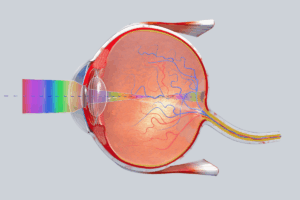
World’s First Human Implant of a 3D-Printed Cornea Restores Sight
December 15, 2025






Background
Epidemiology
It is frequently recognized coincidentally in the asymptomatic patient during sonographic assessment for other ailments in the final trimester.
Idiopathic excessive amniotic fluid is frequently a condition that resolves on its own, but, in rare cases, a reason for elevated AFV may be found after birth.
Maternal diabetes is one of the most common underlying causes of polyhydramnios and is seen in about 8-12% of cases. The fetal anomalies contribute to polyhydramnios in around 10-25% of cases, with gastrointestinal and neurological abnormalities being common.
Polyhydramnios is more frequently observed in pregnancies with twins or other multiples. The incidence is higher in these cases, ranging from
The incidence of oligohydramnios increases as pregnancy advances beyond the expected due date. It is more commonly seen in post-term pregnancies.
Oligohydramnios can occur in pregnant individuals with chronic hypertension, preeclampsia, or chronic kidney disease, but the exact prevalence in these cases is variable.
Anatomy
Pathophysiology
Etiology
Genetics
Prognostic Factors
Clinical History
Polyhydramnios and oligohydramnios can occur across various age groups of pregnant individuals. These conditions are not limited to a specific age range but can affect individuals of reproductive age, including teenagers, women in their 20s and 30s, and older women.
Polyhydramnios and oligohydramnios can occur in pregnant teenagers. Teenagers may have a higher risk of certain causes of polyhydramnios, like inadequate prenatal care or increased rates of certain medical conditions.
Advanced maternal age, typically defined as 35 years or older at the time of pregnancy, is associated with a higher risk of certain complications during pregnancy.
Fetal Anomalies: Certain fetal abnormalities, such as gastrointestinal obstructions, central nervous system abnormalities, or chromosomal abnormalities, can be associated with polyhydramnios. These abnormalities may disrupt fetal swallowing or urine production, leading to an imbalance in amniotic fluid levels.
Maternal Diabetes: Uncontrolled diabetes in the mother can lead to polyhydramnios due to increased fetal urine production. Poorly controlled blood sugar levels can affect the fetal kidneys’ ability to reabsorb amniotic fluid, resulting in excess fluid accumulation.
Placental Dysfunction: Placental insufficiency or abnormalities can result in reduced blood flow to the fetal kidneys, leading to decreased urine production and subsequent oligohydramnios.
Premature Rupture of Membranes (PROM): If the amniotic sac ruptures before the onset of labor, it can lead to oligohydramnios. The loss of amniotic fluid can result in decreased fluid volume.
Physical Examination
Age group
Associated comorbidity
Associated activity
Acuity of presentation
Differential Diagnoses
Laboratory Studies
Imaging Studies
Procedures
Histologic Findings
Staging
Treatment Paradigm
The specific treatment approach will depend on the severity of Polyhydramnios and Oligohydramnios, gestational age, the presence of associated conditions, and individual circumstances.
by Stage
by Modality
Chemotherapy
Radiation Therapy
Surgical Interventions
Hormone Therapy
Immunotherapy
Hyperthermia
Photodynamic Therapy
Stem Cell Transplant
Targeted Therapy
Palliative Care
use-of-non-pharmacological-approach-for-treating-polyhydramnios-and-oligohydramnios
Modification of the environment or lifestyle changes can play a supportive role in managing certain aspects of polyhydramnios (excessive amniotic fluid) and oligohydramnios (insufficient amniotic fluid).
abdomen and provide more comfort for individuals with polyhydramnios.
Use of nonsteroidal anti-inflammatory (NSAID) for treatment of Polyhydramnios
The medications such as indomethacin, which is a nonsteroidal anti-inflammatory drug (NSAID), have been used to decrease amniotic fluid volume in cases of polyhydramnios.
Use of isotonic solution for treatment of Polyhydramnios
Role of Amnioinfusion for treatment of Oligohydramnios Specialty- Obstetrician, Perinatologist
use-of-intervention-with-a-procedure-in-treating-polyhydramnios-and-oligohydramnios
use-of-phases-in-managing-polyhydramnios-and-oligohydramnios
Medication
Future Trends
References
It is frequently recognized coincidentally in the asymptomatic patient during sonographic assessment for other ailments in the final trimester.
Idiopathic excessive amniotic fluid is frequently a condition that resolves on its own, but, in rare cases, a reason for elevated AFV may be found after birth.
Maternal diabetes is one of the most common underlying causes of polyhydramnios and is seen in about 8-12% of cases. The fetal anomalies contribute to polyhydramnios in around 10-25% of cases, with gastrointestinal and neurological abnormalities being common.
Polyhydramnios is more frequently observed in pregnancies with twins or other multiples. The incidence is higher in these cases, ranging from
The incidence of oligohydramnios increases as pregnancy advances beyond the expected due date. It is more commonly seen in post-term pregnancies.
Oligohydramnios can occur in pregnant individuals with chronic hypertension, preeclampsia, or chronic kidney disease, but the exact prevalence in these cases is variable.
Polyhydramnios and oligohydramnios can occur across various age groups of pregnant individuals. These conditions are not limited to a specific age range but can affect individuals of reproductive age, including teenagers, women in their 20s and 30s, and older women.
Polyhydramnios and oligohydramnios can occur in pregnant teenagers. Teenagers may have a higher risk of certain causes of polyhydramnios, like inadequate prenatal care or increased rates of certain medical conditions.
Advanced maternal age, typically defined as 35 years or older at the time of pregnancy, is associated with a higher risk of certain complications during pregnancy.
Fetal Anomalies: Certain fetal abnormalities, such as gastrointestinal obstructions, central nervous system abnormalities, or chromosomal abnormalities, can be associated with polyhydramnios. These abnormalities may disrupt fetal swallowing or urine production, leading to an imbalance in amniotic fluid levels.
Maternal Diabetes: Uncontrolled diabetes in the mother can lead to polyhydramnios due to increased fetal urine production. Poorly controlled blood sugar levels can affect the fetal kidneys’ ability to reabsorb amniotic fluid, resulting in excess fluid accumulation.
Placental Dysfunction: Placental insufficiency or abnormalities can result in reduced blood flow to the fetal kidneys, leading to decreased urine production and subsequent oligohydramnios.
Premature Rupture of Membranes (PROM): If the amniotic sac ruptures before the onset of labor, it can lead to oligohydramnios. The loss of amniotic fluid can result in decreased fluid volume.
The specific treatment approach will depend on the severity of Polyhydramnios and Oligohydramnios, gestational age, the presence of associated conditions, and individual circumstances.
OB/GYN and Women\'s Health
Modification of the environment or lifestyle changes can play a supportive role in managing certain aspects of polyhydramnios (excessive amniotic fluid) and oligohydramnios (insufficient amniotic fluid).
abdomen and provide more comfort for individuals with polyhydramnios.
Other Clinical
The medications such as indomethacin, which is a nonsteroidal anti-inflammatory drug (NSAID), have been used to decrease amniotic fluid volume in cases of polyhydramnios.
Other Clinical
Other Clinical
OB/GYN and Women\'s Health
OB/GYN and Women\'s Health

It is frequently recognized coincidentally in the asymptomatic patient during sonographic assessment for other ailments in the final trimester.
Idiopathic excessive amniotic fluid is frequently a condition that resolves on its own, but, in rare cases, a reason for elevated AFV may be found after birth.
Maternal diabetes is one of the most common underlying causes of polyhydramnios and is seen in about 8-12% of cases. The fetal anomalies contribute to polyhydramnios in around 10-25% of cases, with gastrointestinal and neurological abnormalities being common.
Polyhydramnios is more frequently observed in pregnancies with twins or other multiples. The incidence is higher in these cases, ranging from
The incidence of oligohydramnios increases as pregnancy advances beyond the expected due date. It is more commonly seen in post-term pregnancies.
Oligohydramnios can occur in pregnant individuals with chronic hypertension, preeclampsia, or chronic kidney disease, but the exact prevalence in these cases is variable.
Polyhydramnios and oligohydramnios can occur across various age groups of pregnant individuals. These conditions are not limited to a specific age range but can affect individuals of reproductive age, including teenagers, women in their 20s and 30s, and older women.
Polyhydramnios and oligohydramnios can occur in pregnant teenagers. Teenagers may have a higher risk of certain causes of polyhydramnios, like inadequate prenatal care or increased rates of certain medical conditions.
Advanced maternal age, typically defined as 35 years or older at the time of pregnancy, is associated with a higher risk of certain complications during pregnancy.
Fetal Anomalies: Certain fetal abnormalities, such as gastrointestinal obstructions, central nervous system abnormalities, or chromosomal abnormalities, can be associated with polyhydramnios. These abnormalities may disrupt fetal swallowing or urine production, leading to an imbalance in amniotic fluid levels.
Maternal Diabetes: Uncontrolled diabetes in the mother can lead to polyhydramnios due to increased fetal urine production. Poorly controlled blood sugar levels can affect the fetal kidneys’ ability to reabsorb amniotic fluid, resulting in excess fluid accumulation.
Placental Dysfunction: Placental insufficiency or abnormalities can result in reduced blood flow to the fetal kidneys, leading to decreased urine production and subsequent oligohydramnios.
Premature Rupture of Membranes (PROM): If the amniotic sac ruptures before the onset of labor, it can lead to oligohydramnios. The loss of amniotic fluid can result in decreased fluid volume.
The specific treatment approach will depend on the severity of Polyhydramnios and Oligohydramnios, gestational age, the presence of associated conditions, and individual circumstances.
OB/GYN and Women\'s Health
Modification of the environment or lifestyle changes can play a supportive role in managing certain aspects of polyhydramnios (excessive amniotic fluid) and oligohydramnios (insufficient amniotic fluid).
abdomen and provide more comfort for individuals with polyhydramnios.
Other Clinical
The medications such as indomethacin, which is a nonsteroidal anti-inflammatory drug (NSAID), have been used to decrease amniotic fluid volume in cases of polyhydramnios.
Other Clinical
Other Clinical
OB/GYN and Women\'s Health
OB/GYN and Women\'s Health

Both our subscription plans include Free CME/CPD AMA PRA Category 1 credits.

On course completion, you will receive a full-sized presentation quality digital certificate.
A dynamic medical simulation platform designed to train healthcare professionals and students to effectively run code situations through an immersive hands-on experience in a live, interactive 3D environment.

When you have your licenses, certificates and CMEs in one place, it's easier to track your career growth. You can easily share these with hospitals as well, using your medtigo app.