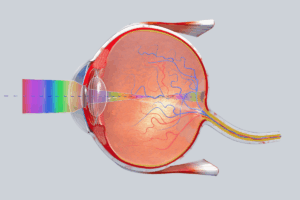
A pterygium is a non-cancerous growth of tissue that develops on the conjunctiva, which is the clear, thin membrane that covers the white part of the eye (sclera) and lines the inside of the eyelids. It usually appears as a fleshy, triangular-shaped growth that extends from the conjunctiva onto the cornea, the transparent front surface of the eye.
Pterygium can range from small, atrophic quiescent lesions to large, aggressive, swiftly developing fibrovascular lesions which could distort the corneal topography, and, in superior cases, they are able to difficult to understand the optical middle of the cornea.
Epidemiology
Pterygium is more prevalent in tropical and subtropical regions where there is increased exposure to UV light. It is found in countries with sunny climates, including those in Africa, Asia, the Middle East, and parts of Latin America.
Chronic exposure to UV light, especially from sunlight, is considered a major risk factor for the development of pterygium.
Anatomy
Pathophysiology
Prolonged exposure to UV radiation, particularly UV-B and UV-C wavelengths, can cause damage to the DNA and other cellular components in the conjunctival and corneal cells. This exposure leads to the generation of reactive oxygen species (ROS) and oxidative stress, which can damage cellular structures and trigger inflammation.
UV-induced damage and oxidative stress stimulate an inflammatory response within the conjunctival tissue. Inflammatory cells, such as macrophages and lymphocytes, are recruited to the area, releasing cytokines and other signaling molecules that promote tissue inflammation and growth.
Inflammatory signals released during UV-induced damage can stimulate the growth of new blood vessels in the affected area. These blood vessels can supply nutrients and oxygen to the damaged tissue, contributing to the growth of the pterygium.
Etiology
Chronic exposure to UV light, especially UV-B and UV-C wavelengths, is considered a primary environmental risk factor for pterygium. UV radiation can cause DNA damage, oxidative stress, and inflammation in the conjunctival and corneal cells, leading to the initiation and progression of pterygium.
UV radiation induces the production of reactive oxygen species (ROS), which can cause cellular damage and trigger inflammatory responses. Oxidative stress contributes to DNA damage and inflammation in the conjunctival tissue, promoting pterygium formation.
Chronic inflammation is a key factor in the development of pterygium. In response to UV-induced damage and oxidative stress, the conjunctival tissue undergoes an inflammatory response, involving the recruitment of immune cells and the release of cytokines and growth factors.
Genetics
Prognostic Factors
The size and extent of the pterygium plays a role in determining the prognosis. Larger pterygia that extend further onto the cornea are more likely to cause visual disturbances and discomfort.
Pterygia that grow rapidly might cause more significant symptoms and have a greater impact on vision and eye health.
Pterygium can cause symptoms such as redness, irritation, foreign body sensation, tearing, and blurred vision. The severity of these symptoms can influence the prognosis, as they can affect an individual’s quality of life.
If the pterygium encroaches onto the cornea, it can cause irregular astigmatism, which can lead to blurred or distorted vision.
Clinical History
Physical Examination
Visual Acuity Assessment: The examination often begins with a visual acuity test to assess the patient’s overall vision. External Eye Inspection: The eye care professional will visually inspect the external structures of the eye, including the eyelids, conjunctiva, and sclera.
Slit Lamp Examination: A slit lamp biomicroscope is used to examine the eye in detail. This instrument provides a magnified and well-illuminated view of the ocular structures, allowing the examiner to assess the pterygium’s characteristics.
Color and Vascularity: The pterygium’s color is usually pink and the prominence of blood vessels within it are observed.
Location: The location of the pterygium on the conjunctiva, relative to the cornea, is documented.
Shape: The pterygium’s shape and appearance, which might be triangular, or irregular are noted.
Tear Film and Eye Comfort: The patient’s reported symptoms, such as dryness, irritation, and discomfort, are discussed.
Dilation of the Pupil: Dilation of the pupil might be performed to allow for a more detailed examination of the retina and other internal eye structures.
Age group
Pterygium is most frequently diagnosed in adults between the ages of 20 and 40. During this period, individuals are often engaged in outdoor activities and may experience significant UV exposure. While pterygium is commonly seen in young to middle-aged adults, it can still develop in older individuals. In elderly adults, pterygium may cause discomfort, visual disturbances, and other symptoms that can impact their overall quality of life. Pterygium is less common in children and adolescents, it can still occur, especially in those who spend a significant amount of time outdoors without adequate eye protection.
Associated comorbidity
Dry eye syndrome involves insufficient tear production or poor-quality tears, leading to eye discomfort, irritation, and other symptoms. Pterygium can contribute to dry eye symptoms due to its disruption of the normal tear film and ocular surface.
Allergic conjunctivitis is an inflammation of the conjunctiva caused by allergic reactions. Pterygium might exacerbate allergic conjunctivitis symptoms by increasing exposure to allergens and environmental irritants.
A pinguecula is a yellowish, raised growth on the conjunctiva, typically near the cornea. It is often considered a precursor to pterygium and shares similar risk factors, such as UV exposure and dry conditions.
Associated activity
Acuity of presentation
In the early stages of pterygium, individuals might not experience significant symptoms. The growth might be small and not extend far enough onto the cornea to affect visual acuity. At this stage, individuals might only notice mild redness or irritation.
Pterygium can cause redness, irritation, and a foreign body sensation in the affected eye. These symptoms can be intermittent or persistent and might lead individuals to seek medical attention.
If the pterygium encroaches onto the cornea, it can induce irregular astigmatism and lead to blurred or distorted vision. This blurring might be more pronounced when looking at certain objects or in certain lighting conditions.
Severe pterygium that significantly alters the shape of the cornea might lead to double vision. This occurs when the cornea’s irregular curvature causes light to refract in multiple direction.
Differential Diagnoses
Conjunctival Nevi: Conjunctival nevi are pigmented, benign growths on the conjunctiva that can resemble pterygium. They are usually darker in color and may have a distinct border.
Conjunctival Lymphoma: Lymphomas of the conjunctiva can present as a mass that might mimic the appearance of pterygium. Conjunctival lymphoma is a rare condition and is more likely in older individuals.
Conjunctivitis: Various forms of conjunctivitis, such as allergic conjunctivitis or bacterial conjunctivitis, can cause redness, irritation, and eye discomfort, which might be mistaken for pterygium.
Scleral Nodule or Tumor: Rarely, scleral nodules or tumors can appear on the eye’s surface and may resemble pterygium. These might need to be differentiated through imaging and further evaluation.
Laboratory Studies
Imaging Studies
Procedures
Histologic Findings
Staging
Treatment Paradigm
Conservative Management:
Lubricating eye drops can help alleviate dryness and irritation associated with pterygium.
Wearing sunglasses with UV protection and wide-brimmed hats can help reduce UV exposure and minimize pterygium growth.
Medical Management:
Short-term use of corticosteroid eye drops might be prescribed to reduce inflammation and discomfort during pterygium flare-ups.
Nonsteroidal anti-inflammatory drugs (NSAIDs) might be used to manage inflammation and symptoms.
Surgical Intervention:
Surgical excision is considered when the pterygium causes discomfort, affects vision, or is cosmetically bothersome. The procedure involves removing the abnormal tissue and often requires grafting to cover the exposed area.
Different grafting materials, such as autografts or amniotic membrane grafts, can be used to cover the area left after pterygium removal.
Postoperative Care: Regular follow-up appointments are important to monitor healing, ensure graft success, and detect any signs of recurrence.
Wear Sunglasses: Choose sunglasses that offer 100% UV protection, including both UVA and UVB rays. Wrap-around styles provide additional protection by blocking UV light from entering the sides of the glasses.
Stay Indoors During Harsh
Conditions: On extremely sunny or windy days, consider staying indoors or engaging in activities that don’t expose your eyes to harsh environmental elements.
Use UV-Blocking Window Films: If you spend a lot of time indoors near windows, consider using UV-blocking window films to reduce UV exposure.
Protective Eyewear: If your occupation involves prolonged outdoor activities or exposure to dust and debris, consider wearing protective eyewear, such as safety goggles, to shield your eyes.
Regular Use of Lubricating Eye Drops: In dry or windy environments, using lubricating eye drops can help maintain your eye’s moisture and reduce discomfort.
Avoid Irritants: Minimize exposure to potential irritants like dust, smoke, and wind that can exacerbate eye irritation.
Keep Eyes Clean: Regularly washing your face and eyes can help remove dust and allergens that might contribute to irritation.
Use of Artificial tears in form of topical lubricating drops
Lubricating eye drops help alleviate dryness, discomfort, and irritation associated with pterygium.
These drops can be used as needed throughout the day to maintain a healthy tear film and minimize symptoms.
Artificial Tears: Artificial tears containing hyaluronic acid can provide longer-lasting relief from dryness and discomfort.
These drops can be used regularly to maintain eye moisture and comfort.
Use of Anti-Inflammatory drops
NSAID eye drops can help manage inflammation and associated symptoms. These drops might be prescribed in cases where steroid use is not suitable or as an adjunct to steroid therapy.
Prednisolone ophthalmic: It is a type of corticosteroid eye drop, can be used in the treatment of pterygium to help manage inflammation and alleviate associated symptoms.
Prednisolone eye drops are used to reduce inflammation and suppress the immune response on the ocular surface.
In cases of pterygium, prednisolone eye drops might be prescribed to manage acute inflammation, redness, irritation, and discomfort associated with the growth.
Use of Antihistamine Eye Drops
Antihistamine drops can help manage allergic symptoms associated with pterygium, such as itching and redness. These drops might be used if allergic conjunctivitis symptoms are present.
Olopatadine:Olopatadine is an antihistamine that reduces the release of histamine in the eyes, thereby relieving itching, redness, and discomfort caused by allergic reactions.
Pterygium Excision with Grafting: The patient is prepared for surgery, which involves cleaning the eye and applying a sterile drape. Local anesthesia is administered to numb the eye, ensuring the procedure is painless.
A small incision is made near the pterygium’s head (closest to the cornea) using a surgical blade or laser. The incision is extended along the length of the pterygium.
The abnormal tissue is carefully dissected and removed from the underlying layers of the conjunctiva and cornea. Special care is taken to avoid damaging surrounding healthy tissue.
The harvested graft is carefully positioned over the area from which the pterygium was removed. The graft is sutured or glued in place to promote healing and prevent recurrence.
use-of-phases-in-managing-pterygium
Clinical Examination Phase: A comprehensive eye examination, including visual acuity assessment and external eye inspection, is performed to diagnose pterygium and assess its size, location, and impact on the eye.
Conservative and Medical Management Phase:
Lubricating eye drops are recommended to manage dryness and irritation associated with pterygium.
Patients are advised to wear sunglasses with UV protection and consider protective eyewear in outdoor environments.
Surgical Intervention:
If the pterygium is causing significant discomfort, vision impairment, or cosmetic concerns, surgical intervention is discussed with the patient. The risks, benefits, and procedure details are explained.
Preoperative evaluations and measurements are performed to plan the surgical procedure and determine the appropriate grafting technique if needed.
The pterygium is surgically excised, and a graft is positioned over the area of removal to prevent recurrence.
Postoperative Care: After surgery, the patient receives instructions for using prescribed eye drops, protecting the eye, and managing any discomfort. Follow-up appointments are scheduled to monitor healing and assess the success of the graft.
Long-Term Management: Long-term follow-up appointments are essential to monitor the eye’s healing, detect any signs of recurrence, and assess overall eye health.
Patients are educated on the importance of continued UV protection to prevent recurrence and maintain eye health.
A pterygium is a non-cancerous growth of tissue that develops on the conjunctiva, which is the clear, thin membrane that covers the white part of the eye (sclera) and lines the inside of the eyelids. It usually appears as a fleshy, triangular-shaped growth that extends from the conjunctiva onto the cornea, the transparent front surface of the eye.
Pterygium can range from small, atrophic quiescent lesions to large, aggressive, swiftly developing fibrovascular lesions which could distort the corneal topography, and, in superior cases, they are able to difficult to understand the optical middle of the cornea.
Pterygium is more prevalent in tropical and subtropical regions where there is increased exposure to UV light. It is found in countries with sunny climates, including those in Africa, Asia, the Middle East, and parts of Latin America.
Chronic exposure to UV light, especially from sunlight, is considered a major risk factor for the development of pterygium.
Prolonged exposure to UV radiation, particularly UV-B and UV-C wavelengths, can cause damage to the DNA and other cellular components in the conjunctival and corneal cells. This exposure leads to the generation of reactive oxygen species (ROS) and oxidative stress, which can damage cellular structures and trigger inflammation.
UV-induced damage and oxidative stress stimulate an inflammatory response within the conjunctival tissue. Inflammatory cells, such as macrophages and lymphocytes, are recruited to the area, releasing cytokines and other signaling molecules that promote tissue inflammation and growth.
Inflammatory signals released during UV-induced damage can stimulate the growth of new blood vessels in the affected area. These blood vessels can supply nutrients and oxygen to the damaged tissue, contributing to the growth of the pterygium.
Chronic exposure to UV light, especially UV-B and UV-C wavelengths, is considered a primary environmental risk factor for pterygium. UV radiation can cause DNA damage, oxidative stress, and inflammation in the conjunctival and corneal cells, leading to the initiation and progression of pterygium.
UV radiation induces the production of reactive oxygen species (ROS), which can cause cellular damage and trigger inflammatory responses. Oxidative stress contributes to DNA damage and inflammation in the conjunctival tissue, promoting pterygium formation.
Chronic inflammation is a key factor in the development of pterygium. In response to UV-induced damage and oxidative stress, the conjunctival tissue undergoes an inflammatory response, involving the recruitment of immune cells and the release of cytokines and growth factors.
The size and extent of the pterygium plays a role in determining the prognosis. Larger pterygia that extend further onto the cornea are more likely to cause visual disturbances and discomfort.
Pterygia that grow rapidly might cause more significant symptoms and have a greater impact on vision and eye health.
Pterygium can cause symptoms such as redness, irritation, foreign body sensation, tearing, and blurred vision. The severity of these symptoms can influence the prognosis, as they can affect an individual’s quality of life.
If the pterygium encroaches onto the cornea, it can cause irregular astigmatism, which can lead to blurred or distorted vision.
Visual Acuity Assessment: The examination often begins with a visual acuity test to assess the patient’s overall vision. External Eye Inspection: The eye care professional will visually inspect the external structures of the eye, including the eyelids, conjunctiva, and sclera.
Slit Lamp Examination: A slit lamp biomicroscope is used to examine the eye in detail. This instrument provides a magnified and well-illuminated view of the ocular structures, allowing the examiner to assess the pterygium’s characteristics.
Color and Vascularity: The pterygium’s color is usually pink and the prominence of blood vessels within it are observed.
Location: The location of the pterygium on the conjunctiva, relative to the cornea, is documented.
Shape: The pterygium’s shape and appearance, which might be triangular, or irregular are noted.
Tear Film and Eye Comfort: The patient’s reported symptoms, such as dryness, irritation, and discomfort, are discussed.
Dilation of the Pupil: Dilation of the pupil might be performed to allow for a more detailed examination of the retina and other internal eye structures.
Pterygium is most frequently diagnosed in adults between the ages of 20 and 40. During this period, individuals are often engaged in outdoor activities and may experience significant UV exposure. While pterygium is commonly seen in young to middle-aged adults, it can still develop in older individuals. In elderly adults, pterygium may cause discomfort, visual disturbances, and other symptoms that can impact their overall quality of life. Pterygium is less common in children and adolescents, it can still occur, especially in those who spend a significant amount of time outdoors without adequate eye protection.
Dry eye syndrome involves insufficient tear production or poor-quality tears, leading to eye discomfort, irritation, and other symptoms. Pterygium can contribute to dry eye symptoms due to its disruption of the normal tear film and ocular surface.
Allergic conjunctivitis is an inflammation of the conjunctiva caused by allergic reactions. Pterygium might exacerbate allergic conjunctivitis symptoms by increasing exposure to allergens and environmental irritants.
A pinguecula is a yellowish, raised growth on the conjunctiva, typically near the cornea. It is often considered a precursor to pterygium and shares similar risk factors, such as UV exposure and dry conditions.
In the early stages of pterygium, individuals might not experience significant symptoms. The growth might be small and not extend far enough onto the cornea to affect visual acuity. At this stage, individuals might only notice mild redness or irritation.
Pterygium can cause redness, irritation, and a foreign body sensation in the affected eye. These symptoms can be intermittent or persistent and might lead individuals to seek medical attention.
If the pterygium encroaches onto the cornea, it can induce irregular astigmatism and lead to blurred or distorted vision. This blurring might be more pronounced when looking at certain objects or in certain lighting conditions.
Severe pterygium that significantly alters the shape of the cornea might lead to double vision. This occurs when the cornea’s irregular curvature causes light to refract in multiple direction.
Conjunctival Nevi: Conjunctival nevi are pigmented, benign growths on the conjunctiva that can resemble pterygium. They are usually darker in color and may have a distinct border.
Conjunctival Lymphoma: Lymphomas of the conjunctiva can present as a mass that might mimic the appearance of pterygium. Conjunctival lymphoma is a rare condition and is more likely in older individuals.
Conjunctivitis: Various forms of conjunctivitis, such as allergic conjunctivitis or bacterial conjunctivitis, can cause redness, irritation, and eye discomfort, which might be mistaken for pterygium.
Scleral Nodule or Tumor: Rarely, scleral nodules or tumors can appear on the eye’s surface and may resemble pterygium. These might need to be differentiated through imaging and further evaluation.
Conservative Management:
Lubricating eye drops can help alleviate dryness and irritation associated with pterygium.
Wearing sunglasses with UV protection and wide-brimmed hats can help reduce UV exposure and minimize pterygium growth.
Medical Management:
Short-term use of corticosteroid eye drops might be prescribed to reduce inflammation and discomfort during pterygium flare-ups.
Nonsteroidal anti-inflammatory drugs (NSAIDs) might be used to manage inflammation and symptoms.
Surgical Intervention:
Surgical excision is considered when the pterygium causes discomfort, affects vision, or is cosmetically bothersome. The procedure involves removing the abnormal tissue and often requires grafting to cover the exposed area.
Different grafting materials, such as autografts or amniotic membrane grafts, can be used to cover the area left after pterygium removal.
Postoperative Care: Regular follow-up appointments are important to monitor healing, ensure graft success, and detect any signs of recurrence.
Wear Sunglasses: Choose sunglasses that offer 100% UV protection, including both UVA and UVB rays. Wrap-around styles provide additional protection by blocking UV light from entering the sides of the glasses.
Stay Indoors During Harsh
Conditions: On extremely sunny or windy days, consider staying indoors or engaging in activities that don’t expose your eyes to harsh environmental elements.
Use UV-Blocking Window Films: If you spend a lot of time indoors near windows, consider using UV-blocking window films to reduce UV exposure.
Protective Eyewear: If your occupation involves prolonged outdoor activities or exposure to dust and debris, consider wearing protective eyewear, such as safety goggles, to shield your eyes.
Regular Use of Lubricating Eye Drops: In dry or windy environments, using lubricating eye drops can help maintain your eye’s moisture and reduce discomfort.
Avoid Irritants: Minimize exposure to potential irritants like dust, smoke, and wind that can exacerbate eye irritation.
Keep Eyes Clean: Regularly washing your face and eyes can help remove dust and allergens that might contribute to irritation.
Lubricating eye drops help alleviate dryness, discomfort, and irritation associated with pterygium.
These drops can be used as needed throughout the day to maintain a healthy tear film and minimize symptoms.
Artificial Tears: Artificial tears containing hyaluronic acid can provide longer-lasting relief from dryness and discomfort.
These drops can be used regularly to maintain eye moisture and comfort.
NSAID eye drops can help manage inflammation and associated symptoms. These drops might be prescribed in cases where steroid use is not suitable or as an adjunct to steroid therapy.
Prednisolone ophthalmic: It is a type of corticosteroid eye drop, can be used in the treatment of pterygium to help manage inflammation and alleviate associated symptoms.
Prednisolone eye drops are used to reduce inflammation and suppress the immune response on the ocular surface.
In cases of pterygium, prednisolone eye drops might be prescribed to manage acute inflammation, redness, irritation, and discomfort associated with the growth.
Antihistamine drops can help manage allergic symptoms associated with pterygium, such as itching and redness. These drops might be used if allergic conjunctivitis symptoms are present.
Olopatadine:Olopatadine is an antihistamine that reduces the release of histamine in the eyes, thereby relieving itching, redness, and discomfort caused by allergic reactions.
Pterygium Excision with Grafting: The patient is prepared for surgery, which involves cleaning the eye and applying a sterile drape. Local anesthesia is administered to numb the eye, ensuring the procedure is painless.
A small incision is made near the pterygium’s head (closest to the cornea) using a surgical blade or laser. The incision is extended along the length of the pterygium.
The abnormal tissue is carefully dissected and removed from the underlying layers of the conjunctiva and cornea. Special care is taken to avoid damaging surrounding healthy tissue.
The harvested graft is carefully positioned over the area from which the pterygium was removed. The graft is sutured or glued in place to promote healing and prevent recurrence.
Clinical Examination Phase: A comprehensive eye examination, including visual acuity assessment and external eye inspection, is performed to diagnose pterygium and assess its size, location, and impact on the eye.
Conservative and Medical Management Phase:
Lubricating eye drops are recommended to manage dryness and irritation associated with pterygium.
Patients are advised to wear sunglasses with UV protection and consider protective eyewear in outdoor environments.
Surgical Intervention:
If the pterygium is causing significant discomfort, vision impairment, or cosmetic concerns, surgical intervention is discussed with the patient. The risks, benefits, and procedure details are explained.
Preoperative evaluations and measurements are performed to plan the surgical procedure and determine the appropriate grafting technique if needed.
The pterygium is surgically excised, and a graft is positioned over the area of removal to prevent recurrence.
Postoperative Care: After surgery, the patient receives instructions for using prescribed eye drops, protecting the eye, and managing any discomfort. Follow-up appointments are scheduled to monitor healing and assess the success of the graft.
Long-Term Management: Long-term follow-up appointments are essential to monitor the eye’s healing, detect any signs of recurrence, and assess overall eye health.
Patients are educated on the importance of continued UV protection to prevent recurrence and maintain eye health.
A pterygium is a non-cancerous growth of tissue that develops on the conjunctiva, which is the clear, thin membrane that covers the white part of the eye (sclera) and lines the inside of the eyelids. It usually appears as a fleshy, triangular-shaped growth that extends from the conjunctiva onto the cornea, the transparent front surface of the eye.
Pterygium can range from small, atrophic quiescent lesions to large, aggressive, swiftly developing fibrovascular lesions which could distort the corneal topography, and, in superior cases, they are able to difficult to understand the optical middle of the cornea.
Pterygium is more prevalent in tropical and subtropical regions where there is increased exposure to UV light. It is found in countries with sunny climates, including those in Africa, Asia, the Middle East, and parts of Latin America.
Chronic exposure to UV light, especially from sunlight, is considered a major risk factor for the development of pterygium.
Prolonged exposure to UV radiation, particularly UV-B and UV-C wavelengths, can cause damage to the DNA and other cellular components in the conjunctival and corneal cells. This exposure leads to the generation of reactive oxygen species (ROS) and oxidative stress, which can damage cellular structures and trigger inflammation.
UV-induced damage and oxidative stress stimulate an inflammatory response within the conjunctival tissue. Inflammatory cells, such as macrophages and lymphocytes, are recruited to the area, releasing cytokines and other signaling molecules that promote tissue inflammation and growth.
Inflammatory signals released during UV-induced damage can stimulate the growth of new blood vessels in the affected area. These blood vessels can supply nutrients and oxygen to the damaged tissue, contributing to the growth of the pterygium.
Chronic exposure to UV light, especially UV-B and UV-C wavelengths, is considered a primary environmental risk factor for pterygium. UV radiation can cause DNA damage, oxidative stress, and inflammation in the conjunctival and corneal cells, leading to the initiation and progression of pterygium.
UV radiation induces the production of reactive oxygen species (ROS), which can cause cellular damage and trigger inflammatory responses. Oxidative stress contributes to DNA damage and inflammation in the conjunctival tissue, promoting pterygium formation.
Chronic inflammation is a key factor in the development of pterygium. In response to UV-induced damage and oxidative stress, the conjunctival tissue undergoes an inflammatory response, involving the recruitment of immune cells and the release of cytokines and growth factors.
The size and extent of the pterygium plays a role in determining the prognosis. Larger pterygia that extend further onto the cornea are more likely to cause visual disturbances and discomfort.
Pterygia that grow rapidly might cause more significant symptoms and have a greater impact on vision and eye health.
Pterygium can cause symptoms such as redness, irritation, foreign body sensation, tearing, and blurred vision. The severity of these symptoms can influence the prognosis, as they can affect an individual’s quality of life.
If the pterygium encroaches onto the cornea, it can cause irregular astigmatism, which can lead to blurred or distorted vision.
Visual Acuity Assessment: The examination often begins with a visual acuity test to assess the patient’s overall vision. External Eye Inspection: The eye care professional will visually inspect the external structures of the eye, including the eyelids, conjunctiva, and sclera.
Slit Lamp Examination: A slit lamp biomicroscope is used to examine the eye in detail. This instrument provides a magnified and well-illuminated view of the ocular structures, allowing the examiner to assess the pterygium’s characteristics.
Color and Vascularity: The pterygium’s color is usually pink and the prominence of blood vessels within it are observed.
Location: The location of the pterygium on the conjunctiva, relative to the cornea, is documented.
Shape: The pterygium’s shape and appearance, which might be triangular, or irregular are noted.
Tear Film and Eye Comfort: The patient’s reported symptoms, such as dryness, irritation, and discomfort, are discussed.
Dilation of the Pupil: Dilation of the pupil might be performed to allow for a more detailed examination of the retina and other internal eye structures.
Pterygium is most frequently diagnosed in adults between the ages of 20 and 40. During this period, individuals are often engaged in outdoor activities and may experience significant UV exposure. While pterygium is commonly seen in young to middle-aged adults, it can still develop in older individuals. In elderly adults, pterygium may cause discomfort, visual disturbances, and other symptoms that can impact their overall quality of life. Pterygium is less common in children and adolescents, it can still occur, especially in those who spend a significant amount of time outdoors without adequate eye protection.
Dry eye syndrome involves insufficient tear production or poor-quality tears, leading to eye discomfort, irritation, and other symptoms. Pterygium can contribute to dry eye symptoms due to its disruption of the normal tear film and ocular surface.
Allergic conjunctivitis is an inflammation of the conjunctiva caused by allergic reactions. Pterygium might exacerbate allergic conjunctivitis symptoms by increasing exposure to allergens and environmental irritants.
A pinguecula is a yellowish, raised growth on the conjunctiva, typically near the cornea. It is often considered a precursor to pterygium and shares similar risk factors, such as UV exposure and dry conditions.
In the early stages of pterygium, individuals might not experience significant symptoms. The growth might be small and not extend far enough onto the cornea to affect visual acuity. At this stage, individuals might only notice mild redness or irritation.
Pterygium can cause redness, irritation, and a foreign body sensation in the affected eye. These symptoms can be intermittent or persistent and might lead individuals to seek medical attention.
If the pterygium encroaches onto the cornea, it can induce irregular astigmatism and lead to blurred or distorted vision. This blurring might be more pronounced when looking at certain objects or in certain lighting conditions.
Severe pterygium that significantly alters the shape of the cornea might lead to double vision. This occurs when the cornea’s irregular curvature causes light to refract in multiple direction.
Conjunctival Nevi: Conjunctival nevi are pigmented, benign growths on the conjunctiva that can resemble pterygium. They are usually darker in color and may have a distinct border.
Conjunctival Lymphoma: Lymphomas of the conjunctiva can present as a mass that might mimic the appearance of pterygium. Conjunctival lymphoma is a rare condition and is more likely in older individuals.
Conjunctivitis: Various forms of conjunctivitis, such as allergic conjunctivitis or bacterial conjunctivitis, can cause redness, irritation, and eye discomfort, which might be mistaken for pterygium.
Scleral Nodule or Tumor: Rarely, scleral nodules or tumors can appear on the eye’s surface and may resemble pterygium. These might need to be differentiated through imaging and further evaluation.
Conservative Management:
Lubricating eye drops can help alleviate dryness and irritation associated with pterygium.
Wearing sunglasses with UV protection and wide-brimmed hats can help reduce UV exposure and minimize pterygium growth.
Medical Management:
Short-term use of corticosteroid eye drops might be prescribed to reduce inflammation and discomfort during pterygium flare-ups.
Nonsteroidal anti-inflammatory drugs (NSAIDs) might be used to manage inflammation and symptoms.
Surgical Intervention:
Surgical excision is considered when the pterygium causes discomfort, affects vision, or is cosmetically bothersome. The procedure involves removing the abnormal tissue and often requires grafting to cover the exposed area.
Different grafting materials, such as autografts or amniotic membrane grafts, can be used to cover the area left after pterygium removal.
Postoperative Care: Regular follow-up appointments are important to monitor healing, ensure graft success, and detect any signs of recurrence.
Wear Sunglasses: Choose sunglasses that offer 100% UV protection, including both UVA and UVB rays. Wrap-around styles provide additional protection by blocking UV light from entering the sides of the glasses.
Stay Indoors During Harsh
Conditions: On extremely sunny or windy days, consider staying indoors or engaging in activities that don’t expose your eyes to harsh environmental elements.
Use UV-Blocking Window Films: If you spend a lot of time indoors near windows, consider using UV-blocking window films to reduce UV exposure.
Protective Eyewear: If your occupation involves prolonged outdoor activities or exposure to dust and debris, consider wearing protective eyewear, such as safety goggles, to shield your eyes.
Regular Use of Lubricating Eye Drops: In dry or windy environments, using lubricating eye drops can help maintain your eye’s moisture and reduce discomfort.
Avoid Irritants: Minimize exposure to potential irritants like dust, smoke, and wind that can exacerbate eye irritation.
Keep Eyes Clean: Regularly washing your face and eyes can help remove dust and allergens that might contribute to irritation.
Lubricating eye drops help alleviate dryness, discomfort, and irritation associated with pterygium.
These drops can be used as needed throughout the day to maintain a healthy tear film and minimize symptoms.
Artificial Tears: Artificial tears containing hyaluronic acid can provide longer-lasting relief from dryness and discomfort.
These drops can be used regularly to maintain eye moisture and comfort.
NSAID eye drops can help manage inflammation and associated symptoms. These drops might be prescribed in cases where steroid use is not suitable or as an adjunct to steroid therapy.
Prednisolone ophthalmic: It is a type of corticosteroid eye drop, can be used in the treatment of pterygium to help manage inflammation and alleviate associated symptoms.
Prednisolone eye drops are used to reduce inflammation and suppress the immune response on the ocular surface.
In cases of pterygium, prednisolone eye drops might be prescribed to manage acute inflammation, redness, irritation, and discomfort associated with the growth.
Antihistamine drops can help manage allergic symptoms associated with pterygium, such as itching and redness. These drops might be used if allergic conjunctivitis symptoms are present.
Olopatadine:Olopatadine is an antihistamine that reduces the release of histamine in the eyes, thereby relieving itching, redness, and discomfort caused by allergic reactions.
Pterygium Excision with Grafting: The patient is prepared for surgery, which involves cleaning the eye and applying a sterile drape. Local anesthesia is administered to numb the eye, ensuring the procedure is painless.
A small incision is made near the pterygium’s head (closest to the cornea) using a surgical blade or laser. The incision is extended along the length of the pterygium.
The abnormal tissue is carefully dissected and removed from the underlying layers of the conjunctiva and cornea. Special care is taken to avoid damaging surrounding healthy tissue.
The harvested graft is carefully positioned over the area from which the pterygium was removed. The graft is sutured or glued in place to promote healing and prevent recurrence.
Clinical Examination Phase: A comprehensive eye examination, including visual acuity assessment and external eye inspection, is performed to diagnose pterygium and assess its size, location, and impact on the eye.
Conservative and Medical Management Phase:
Lubricating eye drops are recommended to manage dryness and irritation associated with pterygium.
Patients are advised to wear sunglasses with UV protection and consider protective eyewear in outdoor environments.
Surgical Intervention:
If the pterygium is causing significant discomfort, vision impairment, or cosmetic concerns, surgical intervention is discussed with the patient. The risks, benefits, and procedure details are explained.
Preoperative evaluations and measurements are performed to plan the surgical procedure and determine the appropriate grafting technique if needed.
The pterygium is surgically excised, and a graft is positioned over the area of removal to prevent recurrence.
Postoperative Care: After surgery, the patient receives instructions for using prescribed eye drops, protecting the eye, and managing any discomfort. Follow-up appointments are scheduled to monitor healing and assess the success of the graft.
Long-Term Management: Long-term follow-up appointments are essential to monitor the eye’s healing, detect any signs of recurrence, and assess overall eye health.
Patients are educated on the importance of continued UV protection to prevent recurrence and maintain eye health.
Both our subscription plans include Free CME/CPD AMA PRA Category 1 credits.
Digital Certificate PDF
On course completion, you will receive a full-sized presentation quality digital certificate.
medtigo Simulation
A dynamic medical simulation platform designed to train healthcare professionals and students to effectively run code situations through an immersive hands-on experience in a live, interactive 3D environment.
medtigo Points
medtigo points is our unique point redemption system created to award users for interacting on our site. These points can be redeemed for special discounts on the medtigo marketplace as well as towards the membership cost itself.
Community Forum post/reply = 5 points
*Redemption of points can occur only through the medtigo marketplace, courses, or simulation system. Money will not be credited to your bank account. 10 points = $1.
All Your Certificates in One Place
When you have your licenses, certificates and CMEs in one place, it's easier to track your career growth. You can easily share these with hospitals as well, using your medtigo app.