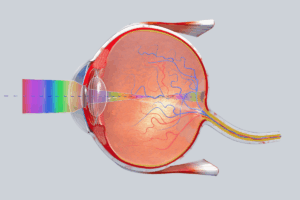
World’s First Human Implant of a 3D-Printed Cornea Restores Sight
December 15, 2025






Background
Pure B-cell disorders refer to a group of rare immunodeficiencies characterized by defects in the development, function, or survival of B cells, which are a crucial component of immune system responsible for producing antibodies. These disorders result in a compromised ability to mount effective immune responses against infections.
Various forms of pure B-cell disorders exist, including common variable immunodeficiency (CVID) and specific antibody deficiencies. Patients with these disorders may experience recurrent bacterial infections in the respiratory and gastrointestinal tracts. The underlying genetic or molecular defects in B-cell function lead to inadequate antibody production, leaving affected individuals susceptible to infections.
Diagnosis typically involves immunological testing to assess B-cell numbers, antibody levels, and specific responses to vaccinations. Management often includes antibody replacement therapy and preventive measures against infections. Understanding the genetic and immunological basis of pure B-cell disorders is essential for effective diagnosis, treatment, and ongoing care.
Epidemiology
Anatomy
Pathophysiology
Etiology
Genetics
Prognostic Factors
Clinical History
Physical Examination
Age group
Associated comorbidity
Associated activity
Acuity of presentation
Differential Diagnoses
Laboratory Studies
Imaging Studies
Procedures
Histologic Findings
Staging
Treatment Paradigm
The treatment paradigm for pure B-cell disorders, such as common variable immunodeficiency (CVID) and specific antibody deficiencies, is multifaceted and aims to manage recurrent infections, prevent complications, and improve the overall quality of life.
by Stage
by Modality
Chemotherapy
Radiation Therapy
Surgical Interventions
Hormone Therapy
Immunotherapy
Hyperthermia
Photodynamic Therapy
Stem Cell Transplant
Targeted Therapy
Palliative Care
non-pharmacological-treatment-of-pure-b-cell-disorders
Use of Intravenous immunoglobulin (IVIG) replacement therapy in Pure B-Cell Disorders
Intravenous Immunoglobulin (IVIG) replacement therapy plays a crucial role in restoring the immune system’s ability to fight infections. IVIG is a preparation of pooled antibodies derived from the plasma of thousands of donors. Administered intravenously, it serves as a passive immunization strategy, supplying the patient with a broad spectrum of antibodies against various pathogens.
The infused antibodies help compensate for the deficient or dysfunctional B cells, providing immediate protection against bacterial and viral infections. IVIG replacement therapy is indicated in individuals with Pure B-Cell Disorders, including conditions such as Common Variable Immunodeficiency (CVID) or specific antibody deficiencies.
These disorders often present with recurrent respiratory, gastrointestinal, or skin infections. IVIG helps reduce the frequency and severity of infections, improving the patient’s overall quality of life.
IVIG is typically administered at regular intervals, and the dosage is tailored to the individual’s specific needs. The infusion frequency may vary, ranging from monthly to biweekly, depending on the severity of the immunodeficiency and the patient’s response to treatment.
The goal is to maintain serum immunoglobulin levels within a target range to ensure adequate protection against infections. Regular monitoring of immunoglobulin levels, clinical response, and infection rates is essential during IVIG therapy. Adjustments to the infusion schedule or dosage may be made based on the patient’s evolving clinical status and the effectiveness of the treatment.
Use of prophylactic antibiotics in the treatment of Pure B-Cell Disorders
Antibiotic prophylaxis is often indicated in individuals with Pure B-Cell Disorders who experience recurrent respiratory, gastrointestinal, or skin infections. The goal is to provide continuous protection against specific bacterial pathogens that commonly cause infections in these patients.
Different classes of antibiotics may be used for prophylaxis based on the types of infections commonly associated with the specific immunodeficiency. Common choices include macrolides, such as azithromycin, which have broad-spectrum antibacterial activity and anti-inflammatory effects.
In patients with Pure B-Cell Disorders, respiratory infections are a significant concern. Antibiotics like azithromycin may be prescribed to prevent and reduce the frequency of respiratory infections, such as sinusitis and bronchitis.
For individuals with antibody deficiencies affecting the gastrointestinal tract, antibiotics may be used to prevent infections in the digestive system. This is particularly relevant in cases where recurrent bacterial gastroenteritis poses a risk.
hematopoietic-stem-cell-transplantation-in-pure-b-cell-disorders
The Hematopoietic stem cell transplantation is a treatment option for certain cases of Pure B-Cell Disorders, especially those associated with severe immunodeficiencies that are refractory to other treatments.
HSCT is typically considered when other conventional treatments, such as immunoglobulin replacement therapy and antibiotic prophylaxis, have failed to provide adequate control of infections or when the immunodeficiency is severe and life-threatening.
HSCT involves infusion of hematopoietic stem cells from a compatible donor, which can reconstitute the recipient’s immune system. The goal is to replace the dysfunctional or deficient immune cells, including B cells, with healthy cells derived from the donor’s stem cells. This aims to restore the patient’s ability to mount an effective immune response.
Types of HSCT:
HSCT is a complex procedure associated with potential risks and complications, including graft-versus-host disease (in allogeneic HSCT), infections, and long-term immune system effects.
The decision to pursue HSCT is carefully weighed against the potential benefits and risks, and it is often considered in severe cases where the benefits of immune system restoration outweigh the potential drawbacks.
management-of-pure-b-cell-disorders
Acute Phase:
Chronic Phase:
Medication
Future Trends
Pure B-cell disorders refer to a group of rare immunodeficiencies characterized by defects in the development, function, or survival of B cells, which are a crucial component of immune system responsible for producing antibodies. These disorders result in a compromised ability to mount effective immune responses against infections.
Various forms of pure B-cell disorders exist, including common variable immunodeficiency (CVID) and specific antibody deficiencies. Patients with these disorders may experience recurrent bacterial infections in the respiratory and gastrointestinal tracts. The underlying genetic or molecular defects in B-cell function lead to inadequate antibody production, leaving affected individuals susceptible to infections.
Diagnosis typically involves immunological testing to assess B-cell numbers, antibody levels, and specific responses to vaccinations. Management often includes antibody replacement therapy and preventive measures against infections. Understanding the genetic and immunological basis of pure B-cell disorders is essential for effective diagnosis, treatment, and ongoing care.
The treatment paradigm for pure B-cell disorders, such as common variable immunodeficiency (CVID) and specific antibody deficiencies, is multifaceted and aims to manage recurrent infections, prevent complications, and improve the overall quality of life.
Intravenous Immunoglobulin (IVIG) replacement therapy plays a crucial role in restoring the immune system’s ability to fight infections. IVIG is a preparation of pooled antibodies derived from the plasma of thousands of donors. Administered intravenously, it serves as a passive immunization strategy, supplying the patient with a broad spectrum of antibodies against various pathogens.
The infused antibodies help compensate for the deficient or dysfunctional B cells, providing immediate protection against bacterial and viral infections. IVIG replacement therapy is indicated in individuals with Pure B-Cell Disorders, including conditions such as Common Variable Immunodeficiency (CVID) or specific antibody deficiencies.
These disorders often present with recurrent respiratory, gastrointestinal, or skin infections. IVIG helps reduce the frequency and severity of infections, improving the patient’s overall quality of life.
IVIG is typically administered at regular intervals, and the dosage is tailored to the individual’s specific needs. The infusion frequency may vary, ranging from monthly to biweekly, depending on the severity of the immunodeficiency and the patient’s response to treatment.
The goal is to maintain serum immunoglobulin levels within a target range to ensure adequate protection against infections. Regular monitoring of immunoglobulin levels, clinical response, and infection rates is essential during IVIG therapy. Adjustments to the infusion schedule or dosage may be made based on the patient’s evolving clinical status and the effectiveness of the treatment.
Antibiotic prophylaxis is often indicated in individuals with Pure B-Cell Disorders who experience recurrent respiratory, gastrointestinal, or skin infections. The goal is to provide continuous protection against specific bacterial pathogens that commonly cause infections in these patients.
Different classes of antibiotics may be used for prophylaxis based on the types of infections commonly associated with the specific immunodeficiency. Common choices include macrolides, such as azithromycin, which have broad-spectrum antibacterial activity and anti-inflammatory effects.
In patients with Pure B-Cell Disorders, respiratory infections are a significant concern. Antibiotics like azithromycin may be prescribed to prevent and reduce the frequency of respiratory infections, such as sinusitis and bronchitis.
For individuals with antibody deficiencies affecting the gastrointestinal tract, antibiotics may be used to prevent infections in the digestive system. This is particularly relevant in cases where recurrent bacterial gastroenteritis poses a risk.
The Hematopoietic stem cell transplantation is a treatment option for certain cases of Pure B-Cell Disorders, especially those associated with severe immunodeficiencies that are refractory to other treatments.
HSCT is typically considered when other conventional treatments, such as immunoglobulin replacement therapy and antibiotic prophylaxis, have failed to provide adequate control of infections or when the immunodeficiency is severe and life-threatening.
HSCT involves infusion of hematopoietic stem cells from a compatible donor, which can reconstitute the recipient’s immune system. The goal is to replace the dysfunctional or deficient immune cells, including B cells, with healthy cells derived from the donor’s stem cells. This aims to restore the patient’s ability to mount an effective immune response.
Types of HSCT:
HSCT is a complex procedure associated with potential risks and complications, including graft-versus-host disease (in allogeneic HSCT), infections, and long-term immune system effects.
The decision to pursue HSCT is carefully weighed against the potential benefits and risks, and it is often considered in severe cases where the benefits of immune system restoration outweigh the potential drawbacks.
Acute Phase:
Chronic Phase:

Pure B-cell disorders refer to a group of rare immunodeficiencies characterized by defects in the development, function, or survival of B cells, which are a crucial component of immune system responsible for producing antibodies. These disorders result in a compromised ability to mount effective immune responses against infections.
Various forms of pure B-cell disorders exist, including common variable immunodeficiency (CVID) and specific antibody deficiencies. Patients with these disorders may experience recurrent bacterial infections in the respiratory and gastrointestinal tracts. The underlying genetic or molecular defects in B-cell function lead to inadequate antibody production, leaving affected individuals susceptible to infections.
Diagnosis typically involves immunological testing to assess B-cell numbers, antibody levels, and specific responses to vaccinations. Management often includes antibody replacement therapy and preventive measures against infections. Understanding the genetic and immunological basis of pure B-cell disorders is essential for effective diagnosis, treatment, and ongoing care.
The treatment paradigm for pure B-cell disorders, such as common variable immunodeficiency (CVID) and specific antibody deficiencies, is multifaceted and aims to manage recurrent infections, prevent complications, and improve the overall quality of life.
Intravenous Immunoglobulin (IVIG) replacement therapy plays a crucial role in restoring the immune system’s ability to fight infections. IVIG is a preparation of pooled antibodies derived from the plasma of thousands of donors. Administered intravenously, it serves as a passive immunization strategy, supplying the patient with a broad spectrum of antibodies against various pathogens.
The infused antibodies help compensate for the deficient or dysfunctional B cells, providing immediate protection against bacterial and viral infections. IVIG replacement therapy is indicated in individuals with Pure B-Cell Disorders, including conditions such as Common Variable Immunodeficiency (CVID) or specific antibody deficiencies.
These disorders often present with recurrent respiratory, gastrointestinal, or skin infections. IVIG helps reduce the frequency and severity of infections, improving the patient’s overall quality of life.
IVIG is typically administered at regular intervals, and the dosage is tailored to the individual’s specific needs. The infusion frequency may vary, ranging from monthly to biweekly, depending on the severity of the immunodeficiency and the patient’s response to treatment.
The goal is to maintain serum immunoglobulin levels within a target range to ensure adequate protection against infections. Regular monitoring of immunoglobulin levels, clinical response, and infection rates is essential during IVIG therapy. Adjustments to the infusion schedule or dosage may be made based on the patient’s evolving clinical status and the effectiveness of the treatment.
Antibiotic prophylaxis is often indicated in individuals with Pure B-Cell Disorders who experience recurrent respiratory, gastrointestinal, or skin infections. The goal is to provide continuous protection against specific bacterial pathogens that commonly cause infections in these patients.
Different classes of antibiotics may be used for prophylaxis based on the types of infections commonly associated with the specific immunodeficiency. Common choices include macrolides, such as azithromycin, which have broad-spectrum antibacterial activity and anti-inflammatory effects.
In patients with Pure B-Cell Disorders, respiratory infections are a significant concern. Antibiotics like azithromycin may be prescribed to prevent and reduce the frequency of respiratory infections, such as sinusitis and bronchitis.
For individuals with antibody deficiencies affecting the gastrointestinal tract, antibiotics may be used to prevent infections in the digestive system. This is particularly relevant in cases where recurrent bacterial gastroenteritis poses a risk.
The Hematopoietic stem cell transplantation is a treatment option for certain cases of Pure B-Cell Disorders, especially those associated with severe immunodeficiencies that are refractory to other treatments.
HSCT is typically considered when other conventional treatments, such as immunoglobulin replacement therapy and antibiotic prophylaxis, have failed to provide adequate control of infections or when the immunodeficiency is severe and life-threatening.
HSCT involves infusion of hematopoietic stem cells from a compatible donor, which can reconstitute the recipient’s immune system. The goal is to replace the dysfunctional or deficient immune cells, including B cells, with healthy cells derived from the donor’s stem cells. This aims to restore the patient’s ability to mount an effective immune response.
Types of HSCT:
HSCT is a complex procedure associated with potential risks and complications, including graft-versus-host disease (in allogeneic HSCT), infections, and long-term immune system effects.
The decision to pursue HSCT is carefully weighed against the potential benefits and risks, and it is often considered in severe cases where the benefits of immune system restoration outweigh the potential drawbacks.
Acute Phase:
Chronic Phase:

Both our subscription plans include Free CME/CPD AMA PRA Category 1 credits.

On course completion, you will receive a full-sized presentation quality digital certificate.
A dynamic medical simulation platform designed to train healthcare professionals and students to effectively run code situations through an immersive hands-on experience in a live, interactive 3D environment.

When you have your licenses, certificates and CMEs in one place, it's easier to track your career growth. You can easily share these with hospitals as well, using your medtigo app.