Trigonitis is caused by non-keratinizing squamous metaplasia in the vesical trigone and is related with irritative infections and primarily affects younger women.
The symptoms include irritative voiding and some may remain asymptomatic.
They has triangular tissue near urethral opening. It may result from inflammatory or cellular changes and especially hormonal imbalances.
Epidemiology
Trigonitis develops in fertile women due to nonkeratinizing squamous metaplasia in bladder, neck, and trigone. It commonly seen in 50 to 70% premenopausal women.
But autopsy studies show 7% of men have squamous metaplasia while 46% of premenopausal and postmenopausal women.
Anatomy
Pathophysiology
Trigonitis is a bladder metaplastic process which causes unknown and often irritants like catheters or infections. Trigonitis initiates the squamous metaplasia.
Etiology
In women, Squamous Metaplasia causes due to prolonged use of catheter, regular urinary tract infection, and hormonal imbalances. The exact cause is still unknown, but it responds to irritative and infectious processes.
Genetics
Prognostic Factors
Trigonitishas excellent prognosis for nonkeratinizing squamous metaplasia in bladder.The benign condition has no malignant potential thus it distinguishes from premalignant keratinizing squamous metaplasia.
Clinical History
Patients with trigonitis complaints of persistent burning pain or discomfort deep to the symphysis pubis during urination.
The symptoms of trigonitis include urgent urination, pelvic pain, difficulty in urine passing, and blood in the urine.
Physical Examination
Genitourinary examination
Age group
Associated comorbidity
Associated activity
Acuity of presentation
There is limited study data available on presentation of trigonitis.
Differential Diagnoses
Bladder stones
Interstitial cystitis
Pelvic pain syndrome
Laboratory Studies
Imaging Studies
Procedures
Histologic Findings
Staging
Treatment Paradigm
In identification and diagnosis phase, the confirmation of trigonitis diagnosis by directly observing the trigone and identifying characteristic tissue patterns.
Patients should report the discomfort and pain linked to trigonitis through prescribed medications if occurs.
Follow-Up and monitoring is necessary to examine the effectiveness of the given treatment.
by Stage
by Modality
Chemotherapy
Radiation Therapy
Surgical Interventions
Hormone Therapy
Immunotherapy
Hyperthermia
Photodynamic Therapy
Stem Cell Transplant
Targeted Therapy
Palliative Care
lifestyle-modifications-in-treating-trigonitis
Take proper fluid intake to support bladder function.
Patients need to avoid spicy foods and artificial sweeteners which acts as irritant to bladder.
Follow all good bladder habits as well as take regular bathroom breaks to avoid prolonged urine retention.
Use of antibiotics in the treatment of trigonitis
Cefixime is an antibiotic drug of cephalosporin class.
It prevent bacterial development and helps to enhance the immune system of the body.
Use of alpha-blockers in the treatment of trigonitis
Prazosinas alpha blocker works by relaxing the muscles in the urinary bladder and improvingbladder function.
Use of antidepressants in the treatment of trigonitis
Imipramine has antidepressantand analgesic properties and it control bladder pain associated with trigonitis and provides relief to individuals.
Trigonitis is caused by non-keratinizing squamous metaplasia in the vesical trigone and is related with irritative infections and primarily affects younger women.
The symptoms include irritative voiding and some may remain asymptomatic.
They has triangular tissue near urethral opening. It may result from inflammatory or cellular changes and especially hormonal imbalances.
Trigonitis develops in fertile women due to nonkeratinizing squamous metaplasia in bladder, neck, and trigone. It commonly seen in 50 to 70% premenopausal women.
But autopsy studies show 7% of men have squamous metaplasia while 46% of premenopausal and postmenopausal women.
Trigonitis is a bladder metaplastic process which causes unknown and often irritants like catheters or infections. Trigonitis initiates the squamous metaplasia.
In women, Squamous Metaplasia causes due to prolonged use of catheter, regular urinary tract infection, and hormonal imbalances. The exact cause is still unknown, but it responds to irritative and infectious processes.
Trigonitishas excellent prognosis for nonkeratinizing squamous metaplasia in bladder.The benign condition has no malignant potential thus it distinguishes from premalignant keratinizing squamous metaplasia.
Patients with trigonitis complaints of persistent burning pain or discomfort deep to the symphysis pubis during urination.
The symptoms of trigonitis include urgent urination, pelvic pain, difficulty in urine passing, and blood in the urine.
Genitourinary examination
There is limited study data available on presentation of trigonitis.
Bladder stones
Interstitial cystitis
Pelvic pain syndrome
In identification and diagnosis phase, the confirmation of trigonitis diagnosis by directly observing the trigone and identifying characteristic tissue patterns.
Patients should report the discomfort and pain linked to trigonitis through prescribed medications if occurs.
Follow-Up and monitoring is necessary to examine the effectiveness of the given treatment.
Urology
Take proper fluid intake to support bladder function.
Patients need to avoid spicy foods and artificial sweeteners which acts as irritant to bladder.
Follow all good bladder habits as well as take regular bathroom breaks to avoid prolonged urine retention.
Urology
Cefixime is an antibiotic drug of cephalosporin class.
It prevent bacterial development and helps to enhance the immune system of the body.
Urology
Prazosinas alpha blocker works by relaxing the muscles in the urinary bladder and improvingbladder function.
Urology
Imipramine has antidepressantand analgesic properties and it control bladder pain associated with trigonitis and provides relief to individuals.
Urology
Surgical intervention is not an initial approach in treatment. Because non-surgical methods are sufficient as per physician advice.
Urology
Identification and Diagnosis phase cystoscopy is used for confirming the diagnosis.
Implementation of lifestyle modifications with proper hydration and avoidance of irritants.
Conduct regular follow-up meetings to monitor symptoms and to evaluate the effectiveness of the given treatment.
Trigonitis is caused by non-keratinizing squamous metaplasia in the vesical trigone and is related with irritative infections and primarily affects younger women.
The symptoms include irritative voiding and some may remain asymptomatic.
They has triangular tissue near urethral opening. It may result from inflammatory or cellular changes and especially hormonal imbalances.
Trigonitis develops in fertile women due to nonkeratinizing squamous metaplasia in bladder, neck, and trigone. It commonly seen in 50 to 70% premenopausal women.
But autopsy studies show 7% of men have squamous metaplasia while 46% of premenopausal and postmenopausal women.
Trigonitis is a bladder metaplastic process which causes unknown and often irritants like catheters or infections. Trigonitis initiates the squamous metaplasia.
In women, Squamous Metaplasia causes due to prolonged use of catheter, regular urinary tract infection, and hormonal imbalances. The exact cause is still unknown, but it responds to irritative and infectious processes.
Trigonitishas excellent prognosis for nonkeratinizing squamous metaplasia in bladder.The benign condition has no malignant potential thus it distinguishes from premalignant keratinizing squamous metaplasia.
Patients with trigonitis complaints of persistent burning pain or discomfort deep to the symphysis pubis during urination.
The symptoms of trigonitis include urgent urination, pelvic pain, difficulty in urine passing, and blood in the urine.
Genitourinary examination
There is limited study data available on presentation of trigonitis.
Bladder stones
Interstitial cystitis
Pelvic pain syndrome
In identification and diagnosis phase, the confirmation of trigonitis diagnosis by directly observing the trigone and identifying characteristic tissue patterns.
Patients should report the discomfort and pain linked to trigonitis through prescribed medications if occurs.
Follow-Up and monitoring is necessary to examine the effectiveness of the given treatment.
Urology
Take proper fluid intake to support bladder function.
Patients need to avoid spicy foods and artificial sweeteners which acts as irritant to bladder.
Follow all good bladder habits as well as take regular bathroom breaks to avoid prolonged urine retention.
Urology
Cefixime is an antibiotic drug of cephalosporin class.
It prevent bacterial development and helps to enhance the immune system of the body.
Urology
Prazosinas alpha blocker works by relaxing the muscles in the urinary bladder and improvingbladder function.
Urology
Imipramine has antidepressantand analgesic properties and it control bladder pain associated with trigonitis and provides relief to individuals.
Urology
Surgical intervention is not an initial approach in treatment. Because non-surgical methods are sufficient as per physician advice.
Urology
Identification and Diagnosis phase cystoscopy is used for confirming the diagnosis.
Implementation of lifestyle modifications with proper hydration and avoidance of irritants.
Conduct regular follow-up meetings to monitor symptoms and to evaluate the effectiveness of the given treatment.
Both our subscription plans include Free CME/CPD AMA PRA Category 1 credits.
Digital Certificate PDF
On course completion, you will receive a full-sized presentation quality digital certificate.
medtigo Simulation
A dynamic medical simulation platform designed to train healthcare professionals and students to effectively run code situations through an immersive hands-on experience in a live, interactive 3D environment.
medtigo Points
medtigo points is our unique point redemption system created to award users for interacting on our site. These points can be redeemed for special discounts on the medtigo marketplace as well as towards the membership cost itself.
Community Forum post/reply = 5 points
*Redemption of points can occur only through the medtigo marketplace, courses, or simulation system. Money will not be credited to your bank account. 10 points = $1.
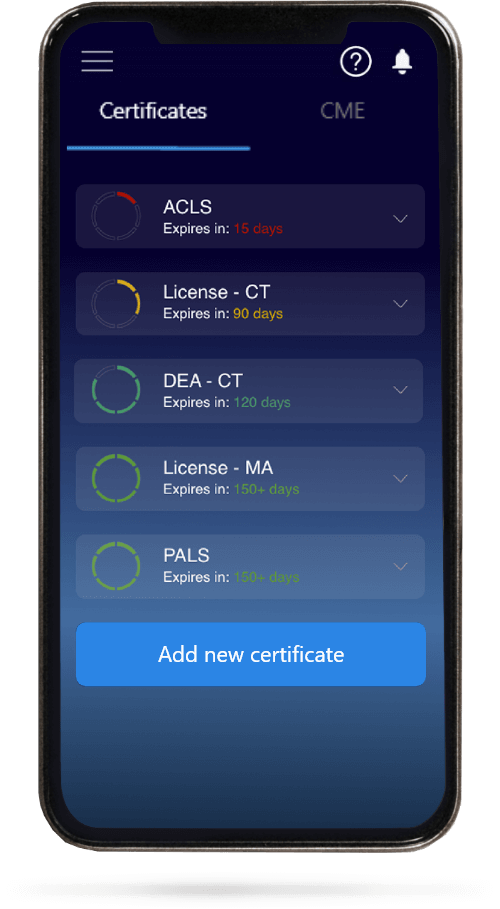
All Your Certificates in One Place
When you have your licenses, certificates and CMEs in one place, it's easier to track your career growth. You can easily share these with hospitals as well, using your medtigo app.