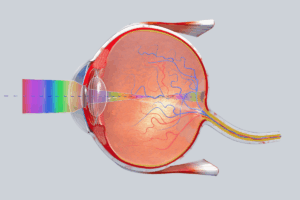
World’s First Human Implant of a 3D-Printed Cornea Restores Sight
December 15, 2025






Background
Nodules or nodes of the vocal folds (VFNs) are mostly harmless growths that form on the central lamina of the vocal folds which is also known as the laryngeal nodes or singer’s nodes. It is mostly caused by vocal strain. These ulcers occur at the junction of the vocal fold’s anterior and middle thirds and are bilateral in nature. They are more common in women ranging in age from 20s to 50s; however, they are also very common in kids, especially in male who tend to scream a lot. On the contrary, vocal fold polyps (VFPs) commonly appear as unilateral lesions with numerous appearances including edematous and hemorrhagic iterations. Vocal trauma is also a cause of VFPs but they can also be due to a single hemorrhagic episode.
Epidemiology
Vocal polyps are quite widespread and the incidence rates differ from population to population. Commonly, they are characterized in the people who take part in the vocal-straining activities such as singing, public speaking, or shouting.
Vocal nodules are also a factor, especially in people who use their voice a lot. They are very often diagnosed in children, teenagers and professionals especially those in teaching, singing, and call center working jobs, that require large amount of vocal strain. The carcinoma nodules are present in a higher level of some demographic categories, namely females and people with a low socioeconomic level.
Anatomy
Pathophysiology
Vocal polyps and nodules are due to chronic vocal abuse and tissue alterations. However, the pathophysiological processes may differ from each case, generally, the underlying cause is the muscular dysfunction of the vocal cords due to misuse or over-use.
Etiology
Vocal polyps and nodules are due to chronic vocal abuse and tissue alterations. However, the pathophysiological processes may differ from each case, generally, the underlying cause is the muscular dysfunction of the vocal cords due to misuse or over-use.
Genetics
Prognostic Factors
Individuals with shorter periods of vocal dysfunction and milder symptoms may react better to therapy and experience a decreased chance of recurrence. Important prognostic information can be obtained from the response to the first course of treatment, including surgical intervention or more conservative methods like voice therapy.
Clinical History
Vocal polyps or nodules can be found in many age groups, from children to adolescents and those in vocally demanding professions. Children may notice symptoms like hoarseness or vocal fatigue and may also face difficulties speaking or singing. Adults may have similar symptoms, as well as the history of overuse and misuse of their voice. Conditions that linked with GERD, Allergic and respiratory disorders and any activity that strains the voice are all body conditions known to cause voice disorders.
The typical presentation of the problem is chronic with symptoms developing gradually over the course of time because of the chronic use or misuse of the voice. Patients can have such complaints as hoarseness during conversation that persists for several weeks or voice fatigue as well as change of their own voice quality.
Physical Examination
An examination for voice must be done carefully to assess vocal quality, pitch, and volume. Laryngeal examination can be done in several ways. When using direct laryngoscopy, the view of the larynx and the vocal cords is visualized. The signs of vocal polyps or nodules should be observed by the doctor. Stroboscopy is a specialized examination technique which can reveal all the vocal folds functional features, vibration spectrums and other numerous quantitative data.
Age group
Associated comorbidity
Associated activity
Acuity of presentation
Differential Diagnoses
Laboratory Studies
Imaging Studies
Procedures
Histologic Findings
Staging
Treatment Paradigm
Therapeutic strategies for laryngeal lesions include vocal training, the taking of voice breaks, liquid intake, and addressing the problems that may worsen the vocal cord lesions. The voice therapy addresses both the issues of improprieties in vocal techniques and overstraining of the voice as well as of vocal hygiene.
Patients are given the instruction to keep their speaking and singing to a minimum and to stay well-hydrated. Sometimes, the tenderness of disposing of air is inadequate; in such cases, surgical intervention may be required.
Microscopic scalpels like micro flap excision or laser therapy which are utilized to remove the lesions whilst retaining high quality and workability of the voice cords.
Injection laryngoplasty is a minimally invasive procedure which might be considered for some cases of vocal fold nodules or polyps. After treatment comes the post-rehabilitation period where a patient is advised to attend voice therapy, have lifelong monitoring and should make changes in their lifestyle and environment.
by Stage
by Modality
Chemotherapy
Radiation Therapy
Surgical Interventions
Hormone Therapy
Immunotherapy
Hyperthermia
Photodynamic Therapy
Stem Cell Transplant
Targeted Therapy
Palliative Care
use-of-a-non-pharmacological-approach-for-treating-vocal-polyps-and-nodules
Role of Corticosteroids for treating Vocal Polyps And Nodules
use-of-intervention-with-a-procedure-in-treating-vocal-polyps-and-nodules
use-of-phases-in-managing-vocal-polyps-and-nodules
The initial phase entails a complete examination of the patient’s medical history and habits, and it includes evaluation of possible risk factors such as vocal abuse, smoking, or the presence of underlying conditions.
A physical examination which includes a detailed laryngeal examination, is done to see the vocal cords and assess vocal polyps and nodules. Diagnostic tests referred to as the major way of evaluating vocal function and air flow dynamics. Phase two is the intervention stage which entails non-invasive methods like speech therapy, voice rest, hydration and lifestyle adjustment.
Pharmaceutical treatments such as corticosteroids are usually prescribed. If conservative treatment protocols fail to show needed improvements than surgical or minimally invasive treatments may be an option.
Stage of rehabilitation includes exercises on the voice, post-surgical care, behavior reinforcement and long-term surveillance. The maintenance phase consists of regular follow-up visits, voice maintenance strategies and ongoing education to ensure that the patient keeps vocal health and does not get vocal polyps and nodules again.
Medication
Future Trends
Nodules or nodes of the vocal folds (VFNs) are mostly harmless growths that form on the central lamina of the vocal folds which is also known as the laryngeal nodes or singer’s nodes. It is mostly caused by vocal strain. These ulcers occur at the junction of the vocal fold’s anterior and middle thirds and are bilateral in nature. They are more common in women ranging in age from 20s to 50s; however, they are also very common in kids, especially in male who tend to scream a lot. On the contrary, vocal fold polyps (VFPs) commonly appear as unilateral lesions with numerous appearances including edematous and hemorrhagic iterations. Vocal trauma is also a cause of VFPs but they can also be due to a single hemorrhagic episode.
Vocal polyps are quite widespread and the incidence rates differ from population to population. Commonly, they are characterized in the people who take part in the vocal-straining activities such as singing, public speaking, or shouting.
Vocal nodules are also a factor, especially in people who use their voice a lot. They are very often diagnosed in children, teenagers and professionals especially those in teaching, singing, and call center working jobs, that require large amount of vocal strain. The carcinoma nodules are present in a higher level of some demographic categories, namely females and people with a low socioeconomic level.
Vocal polyps and nodules are due to chronic vocal abuse and tissue alterations. However, the pathophysiological processes may differ from each case, generally, the underlying cause is the muscular dysfunction of the vocal cords due to misuse or over-use.
Vocal polyps and nodules are due to chronic vocal abuse and tissue alterations. However, the pathophysiological processes may differ from each case, generally, the underlying cause is the muscular dysfunction of the vocal cords due to misuse or over-use.
Individuals with shorter periods of vocal dysfunction and milder symptoms may react better to therapy and experience a decreased chance of recurrence. Important prognostic information can be obtained from the response to the first course of treatment, including surgical intervention or more conservative methods like voice therapy.
Vocal polyps or nodules can be found in many age groups, from children to adolescents and those in vocally demanding professions. Children may notice symptoms like hoarseness or vocal fatigue and may also face difficulties speaking or singing. Adults may have similar symptoms, as well as the history of overuse and misuse of their voice. Conditions that linked with GERD, Allergic and respiratory disorders and any activity that strains the voice are all body conditions known to cause voice disorders.
The typical presentation of the problem is chronic with symptoms developing gradually over the course of time because of the chronic use or misuse of the voice. Patients can have such complaints as hoarseness during conversation that persists for several weeks or voice fatigue as well as change of their own voice quality.
An examination for voice must be done carefully to assess vocal quality, pitch, and volume. Laryngeal examination can be done in several ways. When using direct laryngoscopy, the view of the larynx and the vocal cords is visualized. The signs of vocal polyps or nodules should be observed by the doctor. Stroboscopy is a specialized examination technique which can reveal all the vocal folds functional features, vibration spectrums and other numerous quantitative data.
Therapeutic strategies for laryngeal lesions include vocal training, the taking of voice breaks, liquid intake, and addressing the problems that may worsen the vocal cord lesions. The voice therapy addresses both the issues of improprieties in vocal techniques and overstraining of the voice as well as of vocal hygiene.
Patients are given the instruction to keep their speaking and singing to a minimum and to stay well-hydrated. Sometimes, the tenderness of disposing of air is inadequate; in such cases, surgical intervention may be required.
Microscopic scalpels like micro flap excision or laser therapy which are utilized to remove the lesions whilst retaining high quality and workability of the voice cords.
Injection laryngoplasty is a minimally invasive procedure which might be considered for some cases of vocal fold nodules or polyps. After treatment comes the post-rehabilitation period where a patient is advised to attend voice therapy, have lifelong monitoring and should make changes in their lifestyle and environment.
Otolaryngology
Otolaryngology
Otolaryngology
Otolaryngology
The initial phase entails a complete examination of the patient’s medical history and habits, and it includes evaluation of possible risk factors such as vocal abuse, smoking, or the presence of underlying conditions.
A physical examination which includes a detailed laryngeal examination, is done to see the vocal cords and assess vocal polyps and nodules. Diagnostic tests referred to as the major way of evaluating vocal function and air flow dynamics. Phase two is the intervention stage which entails non-invasive methods like speech therapy, voice rest, hydration and lifestyle adjustment.
Pharmaceutical treatments such as corticosteroids are usually prescribed. If conservative treatment protocols fail to show needed improvements than surgical or minimally invasive treatments may be an option.
Stage of rehabilitation includes exercises on the voice, post-surgical care, behavior reinforcement and long-term surveillance. The maintenance phase consists of regular follow-up visits, voice maintenance strategies and ongoing education to ensure that the patient keeps vocal health and does not get vocal polyps and nodules again.

Nodules or nodes of the vocal folds (VFNs) are mostly harmless growths that form on the central lamina of the vocal folds which is also known as the laryngeal nodes or singer’s nodes. It is mostly caused by vocal strain. These ulcers occur at the junction of the vocal fold’s anterior and middle thirds and are bilateral in nature. They are more common in women ranging in age from 20s to 50s; however, they are also very common in kids, especially in male who tend to scream a lot. On the contrary, vocal fold polyps (VFPs) commonly appear as unilateral lesions with numerous appearances including edematous and hemorrhagic iterations. Vocal trauma is also a cause of VFPs but they can also be due to a single hemorrhagic episode.
Vocal polyps are quite widespread and the incidence rates differ from population to population. Commonly, they are characterized in the people who take part in the vocal-straining activities such as singing, public speaking, or shouting.
Vocal nodules are also a factor, especially in people who use their voice a lot. They are very often diagnosed in children, teenagers and professionals especially those in teaching, singing, and call center working jobs, that require large amount of vocal strain. The carcinoma nodules are present in a higher level of some demographic categories, namely females and people with a low socioeconomic level.
Vocal polyps and nodules are due to chronic vocal abuse and tissue alterations. However, the pathophysiological processes may differ from each case, generally, the underlying cause is the muscular dysfunction of the vocal cords due to misuse or over-use.
Vocal polyps and nodules are due to chronic vocal abuse and tissue alterations. However, the pathophysiological processes may differ from each case, generally, the underlying cause is the muscular dysfunction of the vocal cords due to misuse or over-use.
Individuals with shorter periods of vocal dysfunction and milder symptoms may react better to therapy and experience a decreased chance of recurrence. Important prognostic information can be obtained from the response to the first course of treatment, including surgical intervention or more conservative methods like voice therapy.
Vocal polyps or nodules can be found in many age groups, from children to adolescents and those in vocally demanding professions. Children may notice symptoms like hoarseness or vocal fatigue and may also face difficulties speaking or singing. Adults may have similar symptoms, as well as the history of overuse and misuse of their voice. Conditions that linked with GERD, Allergic and respiratory disorders and any activity that strains the voice are all body conditions known to cause voice disorders.
The typical presentation of the problem is chronic with symptoms developing gradually over the course of time because of the chronic use or misuse of the voice. Patients can have such complaints as hoarseness during conversation that persists for several weeks or voice fatigue as well as change of their own voice quality.
An examination for voice must be done carefully to assess vocal quality, pitch, and volume. Laryngeal examination can be done in several ways. When using direct laryngoscopy, the view of the larynx and the vocal cords is visualized. The signs of vocal polyps or nodules should be observed by the doctor. Stroboscopy is a specialized examination technique which can reveal all the vocal folds functional features, vibration spectrums and other numerous quantitative data.
Therapeutic strategies for laryngeal lesions include vocal training, the taking of voice breaks, liquid intake, and addressing the problems that may worsen the vocal cord lesions. The voice therapy addresses both the issues of improprieties in vocal techniques and overstraining of the voice as well as of vocal hygiene.
Patients are given the instruction to keep their speaking and singing to a minimum and to stay well-hydrated. Sometimes, the tenderness of disposing of air is inadequate; in such cases, surgical intervention may be required.
Microscopic scalpels like micro flap excision or laser therapy which are utilized to remove the lesions whilst retaining high quality and workability of the voice cords.
Injection laryngoplasty is a minimally invasive procedure which might be considered for some cases of vocal fold nodules or polyps. After treatment comes the post-rehabilitation period where a patient is advised to attend voice therapy, have lifelong monitoring and should make changes in their lifestyle and environment.
Otolaryngology
Otolaryngology
Otolaryngology
Otolaryngology
The initial phase entails a complete examination of the patient’s medical history and habits, and it includes evaluation of possible risk factors such as vocal abuse, smoking, or the presence of underlying conditions.
A physical examination which includes a detailed laryngeal examination, is done to see the vocal cords and assess vocal polyps and nodules. Diagnostic tests referred to as the major way of evaluating vocal function and air flow dynamics. Phase two is the intervention stage which entails non-invasive methods like speech therapy, voice rest, hydration and lifestyle adjustment.
Pharmaceutical treatments such as corticosteroids are usually prescribed. If conservative treatment protocols fail to show needed improvements than surgical or minimally invasive treatments may be an option.
Stage of rehabilitation includes exercises on the voice, post-surgical care, behavior reinforcement and long-term surveillance. The maintenance phase consists of regular follow-up visits, voice maintenance strategies and ongoing education to ensure that the patient keeps vocal health and does not get vocal polyps and nodules again.

Both our subscription plans include Free CME/CPD AMA PRA Category 1 credits.

On course completion, you will receive a full-sized presentation quality digital certificate.
A dynamic medical simulation platform designed to train healthcare professionals and students to effectively run code situations through an immersive hands-on experience in a live, interactive 3D environment.

When you have your licenses, certificates and CMEs in one place, it's easier to track your career growth. You can easily share these with hospitals as well, using your medtigo app.