Seasonal Affective Disorder (SAD) is a type of depression that occurs at a specific time of the year, usually during the fall and winter months when there is less sunlight. It is considered a subtype of major depressive disorder and is characterized by recurrent episodes of depression that occur at the same time each year.
SAD typically follows a seasonal pattern, with symptoms starting in the fall and worsening in the winter. However, some individuals may experience SAD during the spring or early summer. The symptoms of SAD are similar to those of major depressive disorder. They can include feelings of sadness or hopelessness, loss of interest or pleasure in activities, changes in sleep and appetite, difficulty concentrating, and low energy. In SAD, these symptoms tend to be more pronounced during the specific seasons.
One of the leading theories about the cause of SAD involves reduced exposure to sunlight during the fall and winter months. Limited exposure to natural sunlight can disrupt the body’s internal clock (circadian rhythm) and affect the production of certain neurotransmitters, such as serotonin and melatonin, which play a role in mood regulation and sleep-wake cycles.
Epidemiology
Prevalence: Estimates of the prevalence of SAD vary, but it is generally more common in higher latitudes, where there is a more significant variation in daylight between seasons. It is less common in equatorial regions where daylight hours remain relatively consistent throughout the year. Prevalence rates are also influenced by factors such as age, sex, and genetic predisposition.
Geographical Variation: SAD is more prevalent in northern and southern latitudes, where there are significant changes in day length and sunlight exposure across seasons. Countries at higher latitudes, such as those in Scandinavia and Northern Europe, report higher rates of SAD compared to equatorial or tropical regions.
Seasonal Patterns: As the name suggests, SAD follows a seasonal pattern. In most cases, symptoms begin in the fall or winter and improve in the spring or summer. However, a minority of individuals may experience SAD, with symptoms occurring in the spring or early summer.
Sex Differences: SAD is more common in women than in men. Research suggests that women may be more vulnerable to the disorder, although the reasons for this gender difference are not fully understood. Hormonal factors and genetic predisposition are among the potential contributors.
Age of Onset: SAD often first appears in young adulthood, although it can occur at any age. The risk of developing SAD may decrease with age, and older individuals may be less susceptible to its onset.
Anatomy
Pathophysiology
Circadian Rhythm Disruption: Exposure to natural light helps regulate the body’s circadian rhythms, including the sleep-wake cycle. The reduced daylight hours during fall and winter may disrupt these circadian rhythms, leading to disturbances in sleep patterns, mood, and other physiological processes.
Melatonin Dysregulation: Reduced exposure to daylight can affect the production of melatonin.In individuals with SAD, there may be abnormal melatonin patterns, with elevated levels in the morning and decreased levels in the evening, contributing to symptoms such as fatigue and disturbed sleep.
Serotonin Levels: Serotonin, a neurotransmitter that contributes to mood regulation, may be affected by reduced sunlight exposure. Low serotonin levels are associated with depression, and some studies suggest that individuals with SAD may have alterations in serotonin metabolism.
Hypothalamus Dysfunction: The hypothalamus, a region of the brain involved in regulating various physiological functions, may play a role in SAD. Changes in hypothalamic function could affect mood, appetite, and sleep.
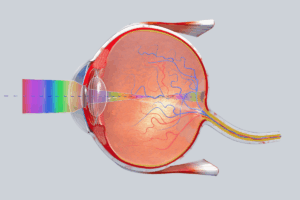
Light-Sensitive Retinal Ganglion Cells: The retina contains specialized cells known as retinal ganglion cells that are sensitive to light. These cells play a role in regulating circadian rhythms and may be involved in transmitting light-related information to the brain. Disruptions in this light input pathway could contribute to the development of SAD.
Genetic Factors: There is evidence to suggest a genetic component to SAD, as it tends to run in families. Specific genetic variations may influence an individual’s susceptibility to developing SAD, although environmental factors also play a significant role.
Neuroendocrine Changes: Changes in the activity of the hypothalamic-pituitary-adrenal (HPA) axis, which is involved in the body’s stress response, have been observed in individuals with SAD. Dysregulation of the HPA axis could contribute to symptoms such as fatigue and altered mood.
Inflammatory Processes: Some studies suggest a link between inflammation and mood disorders, including SAD. Changes in immune system function and inflammatory markers may be associated with the pathophysiology of SAD.
Etiology
Genetic Factors: There is evidence to suggest a genetic predisposition to SAD. Individuals with a family history of mood disorders or SAD may be at a higher risk. Specific genetic variations may influence susceptibility to the disorder, but the genetics of SAD are complex, and multiple genes are likely involved.
Biological Clock (Circadian Rhythm): Disruptions in the body’s internal clock, or circadian rhythm, play a role in SAD. Reduced exposure to natural light during the fall and winter months can lead to disturbances in circadian rhythms, affecting sleep-wake cycles, hormone production, and other physiological processes.
Neurotransmitter Imbalance: Changes in the levels of neurotransmitters, such as serotonin and melatonin, are associated with SAD. Reduced exposure to sunlight may lead to alterations in the synthesis and release of these neurotransmitters, contributing to mood changes and disruptions in sleep patterns.
Melatonin Regulation: Melatonin, a hormone that regulates sleep-wake cycles, is produced in response to light exposure. In individuals with SAD, there may be dysregulation in melatonin production, leading to disruptions in sleep and mood.
Light Sensitivity: The eyes contain specialized cells that are sensitive to light, mainly blue light. These cells play a role in regulating circadian rhythms and mood. Reduced exposure to natural light, incredibly blue light, during the darker months may contribute to the development of SAD.
Serotonin Transporter Gene: Some studies have suggested a link between SAD and variations in the serotonin transporter gene. Changes in this gene may affect the reuptake of serotonin, influencing mood regulation.
Hormonal Changes: Fluctuations in hormone levels, including cortisol and thyroid hormones, have been observed in individuals with SAD. These hormonal changes may contribute to symptoms such as fatigue and changes in appetite.
Environmental Factors: Seasonal changes in light exposure are a primary environmental factor associated with SAD. Living at higher latitudes, where there are more significant variations in daylight hours, increases the risk of developing SAD.
Psychosocial Factors: Stress, lifestyle factors, and individual coping mechanisms can also contribute to the development of SAD. Individuals with a history of other mood disorders or psychiatric conditions may be more susceptible.
Genetics
Prognostic Factors
Timely Treatment: Early recognition and intervention can positively impact the prognosis of SAD. Individuals who seek treatment promptly and follow through with recommended therapies, such as light therapy or psychotherapy, may experience better outcomes.
Treatment Adherence: Adherence to prescribed treatment plans is crucial for managing SAD. Whether the recommended treatment involves light therapy, psychotherapy, medication, or a combination of approaches, consistent adherence can contribute to symptom relief.
Severity of Symptoms: The severity of SAD symptoms at the time of diagnosis can influence the prognosis. Individuals with mild or moderate symptoms may respond more favorably to treatment compared to those with severe symptoms.
Previous Episodes: Individuals who have experienced SAD in previous seasons may be at an increased risk of recurrence. Learning effective coping strategies and implementing preventive measures during known high-risk periods can help manage the condition.
Presence of Co-occurring Disorders: The presence of other mental health conditions, such as major depressive disorder or anxiety disorders, can impact the prognosis of SAD. Integrated treatment plans addressing both SAD and any co-occurring disorders may be necessary for improved outcomes.
Individual Resilience and Coping Skills: Personal resilience and practical coping skills can positively impact the ability to manage SAD symptoms. Developing and utilizing coping strategies, such as stress management techniques and maintaining a healthy lifestyle, may contribute to a better prognosis.
Social Support: Having a solid support system, including friends, family, or support groups, can be beneficial for individuals with SAD. Social support can provide emotional assistance and practical help, enhancing the overall prognosis.
Geographical Location: The geographic location of an individual’s residence can also influence the prognosis of SAD. Living in regions with less sunlight during certain seasons may present additional challenges, but awareness and proactive measures can mitigate some of these effects.
Clinical History
Clinical Presentation with Age Group:
Children and Adolescents: SAD can occur in younger individuals, but its prevalence tends to increase with age. Symptoms may include changes in mood, irritability, difficulty concentrating, and changes in sleep and appetite. School performance and social relationships may be affected.
Young Adults: Common symptoms include depressed mood, fatigue, changes in sleep patterns, and difficulty concentrating. Young adults with SAD may be more likely to report irritability and increased sensitivity to rejection. Social and academic functioning may be impacted.
Adults: Adults with SAD often experience symptoms similar to major depressive disorder, such as low energy, feelings of hopelessness, and changes in appetite. Sleep disturbances, especially oversleeping, are common. Impaired concentration and a lack of interest in usual activities may be present.
Elderly: Older individuals may experience SAD, and symptoms may be mistaken for other age-related conditions. Changes in energy levels, mood disturbances, and disruptions in sleep-wake cycles may occur. Comorbid medical conditions may complicate the clinical picture.
Physical Examination
General Physical Examination: A routine physical examination is generally conducted to assess overall health and identify any physical conditions that may contribute to or mimic symptoms of depression.
Neurological Examination: A neurological examination may be performed to rule out neurological conditions that could be contributing to mood and cognitive symptoms.
Laboratory Tests: Blood tests may be conducted to rule out medical conditions that can mimic or exacerbate symptoms of depression. These may include tests to check thyroid function, vitamin D levels, and metabolic parameters.
Psychiatric Evaluation: A thorough psychiatric evaluation is crucial to assess the nature and severity of mood symptoms, changes in sleep and appetite, and the impact on daily functioning.
Mood and Psychosocial Assessment: A detailed assessment of mood symptoms, including their onset, duration, and any triggers, is essential. Psychosocial factors, stressors, and coping mechanisms are also explored.
Seasonal Pattern Assessment: The healthcare provider may inquire about the seasonal pattern of the symptoms, including when they typically start and when they tend to improve. This helps in confirming the seasonal nature characteristic of SAD.
Age group
Associated comorbidity
Major Depressive Disorder (MDD): SAD is often considered a subtype of MDD, and individuals with SAD may experience episodes of significant depression outside of the seasonal pattern.
Bipolar Disorder: Some individuals with bipolar disorder may experience seasonal patterns of mood episodes, including depressive episodes in the winter months.
Anxiety Disorders: Comorbid anxiety disorders, such as generalized anxiety disorder or social anxiety disorder, may co-occur with SAD.
Substance Use Disorders: Individuals with SAD may be at an increased risk of substance use disorders, particularly those who use substances to cope with depressive symptoms.
Chronic Medical Conditions: SAD symptoms may be exacerbated in individuals with chronic medical conditions, such as autoimmune disorders or chronic pain conditions.
Lifestyle Factors: A sedentary lifestyle, poor nutrition, and lack of exercise may contribute to the severity of SAD symptoms.
Associated activity
Acuity of presentation
Acute Onset: Some individuals may experience a relatively sudden onset of symptoms as the season changes, typically in the fall or winter.
Gradual Onset: Symptoms may gradually worsen as daylight decreases, leading to a more subtle onset.
Seasonal Fluctuations: Symptoms tend to follow a predictable pattern, with worsening in the fall or winter and improvement in the spring or summer.
Chronicity: For some individuals, symptoms may persist throughout the season, while others may experience a more episodic course.
Differential Diagnoses
Major Depressive Disorder (MDD): SAD is considered a subtype of MDD, and the symptoms of SAD overlap with those of major depression. Differential diagnosis involves determining whether the depressive symptoms have a seasonal pattern.
Bipolar Disorder: Bipolar disorder involves episodes of both depression and mania or hypomania. In some cases, individuals with bipolar disorder may experience seasonal patterns, but the presence of manic or hypomanic episodes distinguishes bipolar disorder from SAD.
Persistent Depressive Disorder (Dysthymia): Dysthymia is a chronic, low-grade depression that lasts for at least two years. It differs from SAD in terms of its chronic nature and lack of a distinct seasonal pattern.
Generalized Anxiety Disorder (GAD): Anxiety disorders, including GAD, may share symptoms with SAD. Differentiating factors include the predominant nature of symptoms (anxiety vs. depression) and the absence of a clear seasonal pattern in GAD.
Adjustment Disorder: Adjustment disorders can present with depressive symptoms triggered by a specific stressor. However, the temporal relationship between symptoms and the season is not a defining characteristic of adjustment disorders.
Attention-Deficit/Hyperactivity Disorder (ADHD): Some symptoms of ADHD, such as difficulty concentrating and restlessness, may overlap with depressive symptoms. However, the chronic and pervasive nature of ADHD symptoms distinguishes it from the seasonal pattern seen in SAD.
Substance-Induced Mood Disorder: Substance use, withdrawal, or intoxication can lead to mood changes that mimic depressive symptoms. It’s essential to consider the individual’s substance use history in the differential diagnosis.
Medical Conditions: Certain medical conditions, such as hypothyroidism, chronic fatigue syndrome, or vitamin deficiencies, can manifest with symptoms resembling depression. Laboratory tests may be necessary to rule out these conditions.
Psychotic Disorders: Psychotic disorders, such as schizophrenia or schizoaffective disorder, may involve mood symptoms. The presence of psychotic features distinguishes these disorders from SAD.
Laboratory Studies
Imaging Studies
Procedures
Histologic Findings
Staging
Treatment Paradigm
The treatment paradigm for Seasonal Affective Disorder (SAD) involves a combination of approaches aimed at relieving symptoms and preventing their recurrence. Treatment options may vary based on the severity of symptoms, individual preferences, and the presence of any co-occurring conditions. Here is a comprehensive overview of the treatment options for SAD:
Light Therapy (Phototherapy):
Light therapy is a commonly used and effective treatment for SAD. It involves exposure to a bright light that simulates natural sunlight.
The light is typically bright white and has specific intensity and duration requirements. It is important to use a lightbox designed for SAD treatment.
Individuals usually sit in front of the lightbox for a specified period each day, typically in the morning.
Light therapy is thought to help regulate circadian rhythms and improve mood.
Cognitive-behavioral therapy, particularly a modified version known as CBT for SAD (CBT-SAD), has been shown to be effective.
CBT-SAD focuses on identifying and changing negative thought patterns and behaviors associated with SAD. It also helps individuals develop coping strategies.
Medication:
Antidepressant medications, particularly selective serotonin reuptake inhibitors (SSRIs) and serotonin-norepinephrine reuptake inhibitors (SNRIs) may be prescribed to alleviate depressive symptoms.
Medication is often considered for individuals with moderate to severe symptoms or those who do not respond adequately to other treatments.
The use of medication should be discussed with a healthcare provider, considering potential side effects and individual medical history.
Dawn simulation involves the use of a device that gradually increases the intensity of light in the room to mimic the rising sun.
This approach aims to gradually wake the individual in a way that mimics a natural sunrise, potentially helping regulate circadian rhythms.
Regular Exercise:
Engaging in regular physical activity has been shown to have positive effects on mood and overall well-being.
Exercise can be a valuable adjunctive treatment for SAD. Outdoor exercise in natural light is particularly beneficial.
Maintaining a Regular Schedule:
Establishing and maintaining a regular daily routine, including consistent sleep and wake times, can help regulate circadian rhythms and improve symptoms.
Nutrition and Lifestyle Changes:
Adopting a balanced and nutritious diet can positively impact overall health, including mental well-being.
Ensuring adequate exposure to natural light during the day and minimizing exposure to artificial light in the evening can support circadian rhythm regulation.
Social Support:
Building and maintaining a strong social support system can provide emotional assistance and encouragement.
Participating in social activities and maintaining connections with friends and family can be beneficial.
Mindfulness and Relaxation Techniques:
Mindfulness-based practices, such as meditation and relaxation techniques, help manage stress and improve mood.
Seasonal Prophylaxis:
Starting preventive measures before the onset of the expected season for SAD may be considered. This could include initiating light therapy or adjusting lifestyle factors in anticipation of symptom onset.
Light Therapy (Phototherapy): Although this involves exposure to a bright light that mimics natural sunlight, it is generally considered a non-pharmacological approach. Light therapy is a standard and effective treatment for SAD. It involves sitting in front of a bright lightbox that emits full-spectrum light, typically for about 20-30 minutes each day. This exposure can help regulate the body’s internal clock (circadian rhythms) and improve mood.
Cognitive Behavioral Therapy (CBT): It is a type of talk therapy that has been shown to be effective in treating various forms of depression, including SAD. It helps individuals identify and change negative thought patterns and behaviors that contribute to their depressive symptoms. CBT can be done individually or in group settings.
Dawn Simulation: This involves using a device that gradually increases the intensity of light in the morning, simulating a natural sunrise. This can help regulate circadian rhythms and improve mood upon waking.
Physical Exercise: Regular physical activity has been shown to have a positive impact on mood and can be an effective non-pharmacological intervention for SAD. Exercise stimulates the production of endorphins, which are neurotransmitters that contribute to feelings of well-being.
Mindfulness and Relaxation Techniques: Practices such as mindfulness meditation, deep breathing exercises, and progressive muscle relaxation can help reduce stress and improve mood in individuals with SAD.
Social Support: Building and maintaining a solid social support network is important for mental health. Spending time with friends and family, participating in social activities, and engaging in positive social interactions can help alleviate symptoms of depression.
Nutritional Interventions: While not a substitute for professional treatment, maintaining a balanced diet rich in nutrients can contribute to overall well-being. Some studies suggest that omega-3 fatty acids found in fish oil may have mood-stabilizing effects.
Use of Selective Serotonin Reuptake Inhibitors for the treatment of Seasonal Affective Disorder
Selective Serotonin Reuptake Inhibitors (SSRIs) are a class of antidepressant medications commonly used for the treatment of various depressive disorders, including Seasonal Affective Disorder (SAD). SSRIs work by increasing the levels of serotonin, a neurotransmitter, in the brain.
SSRIs inhibit the reuptake of serotonin, allowing it to remain in the synaptic cleft between nerve cells for a longer duration. This enhances serotonin transmission and is believed to alleviate depressive symptoms.
A common selective serotonin reuptake inhibitor (SSRI) used to treat mood disorders such as anxiety and depression is sertraline.
Sertraline acts by preventing serotonin from being reabsorbed into the brain, which raises serotonin levels in the synaptic cleft. It is believed that this activity has a positive impact on mood and reduces symptoms of depression.
Use of melatonin supplements in the treatment of Seasonal Affective Disorder
melatonin is a hormone that plays a key role in regulating the sleep-wake cycle and is produced naturally by the pineal gland in response to darkness.
While melatonin supplements are not typically considered a first-line treatment for Seasonal Affective Disorder (SAD), there is some evidence to suggest that they may be beneficial, particularly in addressing disruptions in circadian rhythms associated with this condition.
Seasonal Prophylaxis: Melatonin supplements may be used as a preventive measure, starting before the anticipated onset of SAD symptoms, to help regulate circadian rhythms and mitigate the impact of seasonal changes on mood.
Use of <a class="wpil_keyword_link" href="https://medtigo.com/drug/bupropion/" title="bupropion" data-wpil-keyword-link="linked">bupropion</a> in the treatment of Seasonal Affective Disorder
bupropion inhibits the reuptake of norepinephrine and dopamine, leading to increased levels of these neurotransmitters in the synaptic cleft.
This mechanism is different from SSRIs, which primarily target serotonin. bupropion is known for its stimulating effects and lack of sedation. This could be beneficial for individuals with SAD who experience fatigue and lethargy.
Light Therapy: It involves exposure to a bright light that mimics natural sunlight. A lightbox typically emits this light, and the individual sits in front of it for a specific duration each day. The light from the therapy box is thought to cause a chemical change in the brain that lifts mood and eases other symptoms of SAD. It is believed to affect the body’s internal clock (circadian rhythms) and the production of neurotransmitters like serotonin and melatonin. Daily sessions of light therapy usually last around 20 to 30 minutes, ideally in the morning. The timing is crucial, and it is recommended to use light therapy early in the day to help reset the circadian rhythm.
Environmental Considerations: Encouraging individuals with SAD to maximize their exposure to natural sunlight can complement light therapy. This includes spending more time outdoors during daylight hours, even on cloudy days. Increasing the amount of natural light in the indoor environment, such as by opening curtains and blinds, can also be beneficial.
Cognitive-Behavioral Therapy (CBT): While not a physical intervention like light therapy, CBT is a psychological approach that can be effective for managing SAD.CBT helps individuals develop coping strategies, challenge negative thoughts, and change behaviors that contribute to depressive symptoms.
Medication: In some cases, medication, such as antidepressants, may be prescribed to manage symptoms of SAD. Antidepressant medications can help regulate neurotransmitters in the brain, alleviating depressive symptoms.
Lifestyle Changes: Alongside other treatment approaches, encouraging people with SAD to adopt healthier lifestyle habits like consistent exercise, a balanced diet, and enough sleep can help them feel better. Healthy eating, getting enough sleep, and engaging in regular physical activity all support general wellbeing and can improve mood.
Managing Seasonal Affective Disorder (SAD) often involves a multi-phase approach that integrates various strategies to address symptoms and improve overall well-being. These phases may include:
Assessment Phase:
Identification of Symptoms: This phase involves recognizing and assessing the specific symptoms of Seasonal Affective Disorder. Common symptoms include low energy, changes in sleep patterns, irritability, difficulty concentrating, and changes in appetite.
Seasonal Patterns: Understanding the seasonal patterns of symptoms is crucial. Typically, SAD symptoms occur during fall and winter, with remission or improvement in spring and summer.
Diagnostic Phase:
Professional Evaluation: Seeking the expertise of a healthcare professional, such as a psychiatrist or psychologist, for a thorough evaluation is important. A proper diagnosis helps determine the most effective treatment plan.
Treatment Planning Phase:
Tailored Interventions: Based on the assessment and diagnosis, a treatment plan is developed. This plan may include a combination of interventions such as light therapy, cognitive-behavioral therapy (CBT), medication, lifestyle changes, and environmental modifications.
Setting Realistic Goals: Establishing realistic and achievable treatment goals is essential. These goals include symptom reduction, improved mood, and enhanced overall functioning.
Implementation Phase:
Initiating Treatment: This phase involves putting the treatment plan into action. For example, starting light therapy sessions, attending therapy sessions, taking prescribed medications, and making lifestyle changes are part of the implementation process.
Consistency: Consistency in implementing the treatment plan is crucial for effectiveness. Regular and committed adherence to interventions, especially in the early stages, can lead to positive outcomes.
Monitoring Phase:
Symptom Tracking: Regular monitoring of symptoms helps assess the effectiveness of the chosen interventions. Keeping a mood and symptom diary can be helpful in tracking changes over time.
Adjustments to Treatment: Based on the ongoing assessment, treatment adjustments may be necessary. This could involve modifying the duration or intensity of light therapy, adjusting medication dosages, or refining cognitive-behavioral strategies.
Maintenance Phase:
Preventive Strategies: As symptoms improve, the focus shifts to maintaining gains and preventing relapse. This may involve continued use of interventions during the high-risk seasons, such as fall and winter
Education and Empowerment Phase:
Psychoeducation: Providing individuals with information about Seasonal Affective Disorder, its causes, and effective management strategies is crucial. This helps individuals understand their condition and actively participate in their treatment.
Skill-Building: Empowering individuals with coping skills and stress management techniques enhances their ability to navigate challenging periods.
Seasonal Affective Disorder (SAD) is a type of depression that occurs at a specific time of the year, usually during the fall and winter months when there is less sunlight. It is considered a subtype of major depressive disorder and is characterized by recurrent episodes of depression that occur at the same time each year.
SAD typically follows a seasonal pattern, with symptoms starting in the fall and worsening in the winter. However, some individuals may experience SAD during the spring or early summer. The symptoms of SAD are similar to those of major depressive disorder. They can include feelings of sadness or hopelessness, loss of interest or pleasure in activities, changes in sleep and appetite, difficulty concentrating, and low energy. In SAD, these symptoms tend to be more pronounced during the specific seasons.
One of the leading theories about the cause of SAD involves reduced exposure to sunlight during the fall and winter months. Limited exposure to natural sunlight can disrupt the body’s internal clock (circadian rhythm) and affect the production of certain neurotransmitters, such as serotonin and melatonin, which play a role in mood regulation and sleep-wake cycles.
Prevalence: Estimates of the prevalence of SAD vary, but it is generally more common in higher latitudes, where there is a more significant variation in daylight between seasons. It is less common in equatorial regions where daylight hours remain relatively consistent throughout the year. Prevalence rates are also influenced by factors such as age, sex, and genetic predisposition.
Geographical Variation: SAD is more prevalent in northern and southern latitudes, where there are significant changes in day length and sunlight exposure across seasons. Countries at higher latitudes, such as those in Scandinavia and Northern Europe, report higher rates of SAD compared to equatorial or tropical regions.
Seasonal Patterns: As the name suggests, SAD follows a seasonal pattern. In most cases, symptoms begin in the fall or winter and improve in the spring or summer. However, a minority of individuals may experience SAD, with symptoms occurring in the spring or early summer.
Sex Differences: SAD is more common in women than in men. Research suggests that women may be more vulnerable to the disorder, although the reasons for this gender difference are not fully understood. Hormonal factors and genetic predisposition are among the potential contributors.
Age of Onset: SAD often first appears in young adulthood, although it can occur at any age. The risk of developing SAD may decrease with age, and older individuals may be less susceptible to its onset.
Circadian Rhythm Disruption: Exposure to natural light helps regulate the body’s circadian rhythms, including the sleep-wake cycle. The reduced daylight hours during fall and winter may disrupt these circadian rhythms, leading to disturbances in sleep patterns, mood, and other physiological processes.
Melatonin Dysregulation: Reduced exposure to daylight can affect the production of melatonin.In individuals with SAD, there may be abnormal melatonin patterns, with elevated levels in the morning and decreased levels in the evening, contributing to symptoms such as fatigue and disturbed sleep.
Serotonin Levels: Serotonin, a neurotransmitter that contributes to mood regulation, may be affected by reduced sunlight exposure. Low serotonin levels are associated with depression, and some studies suggest that individuals with SAD may have alterations in serotonin metabolism.
Hypothalamus Dysfunction: The hypothalamus, a region of the brain involved in regulating various physiological functions, may play a role in SAD. Changes in hypothalamic function could affect mood, appetite, and sleep.
Light-Sensitive Retinal Ganglion Cells: The retina contains specialized cells known as retinal ganglion cells that are sensitive to light. These cells play a role in regulating circadian rhythms and may be involved in transmitting light-related information to the brain. Disruptions in this light input pathway could contribute to the development of SAD.
Genetic Factors: There is evidence to suggest a genetic component to SAD, as it tends to run in families. Specific genetic variations may influence an individual’s susceptibility to developing SAD, although environmental factors also play a significant role.
Neuroendocrine Changes: Changes in the activity of the hypothalamic-pituitary-adrenal (HPA) axis, which is involved in the body’s stress response, have been observed in individuals with SAD. Dysregulation of the HPA axis could contribute to symptoms such as fatigue and altered mood.
Inflammatory Processes: Some studies suggest a link between inflammation and mood disorders, including SAD. Changes in immune system function and inflammatory markers may be associated with the pathophysiology of SAD.
Genetic Factors: There is evidence to suggest a genetic predisposition to SAD. Individuals with a family history of mood disorders or SAD may be at a higher risk. Specific genetic variations may influence susceptibility to the disorder, but the genetics of SAD are complex, and multiple genes are likely involved.
Biological Clock (Circadian Rhythm): Disruptions in the body’s internal clock, or circadian rhythm, play a role in SAD. Reduced exposure to natural light during the fall and winter months can lead to disturbances in circadian rhythms, affecting sleep-wake cycles, hormone production, and other physiological processes.
Neurotransmitter Imbalance: Changes in the levels of neurotransmitters, such as serotonin and melatonin, are associated with SAD. Reduced exposure to sunlight may lead to alterations in the synthesis and release of these neurotransmitters, contributing to mood changes and disruptions in sleep patterns.
Melatonin Regulation: Melatonin, a hormone that regulates sleep-wake cycles, is produced in response to light exposure. In individuals with SAD, there may be dysregulation in melatonin production, leading to disruptions in sleep and mood.
Light Sensitivity: The eyes contain specialized cells that are sensitive to light, mainly blue light. These cells play a role in regulating circadian rhythms and mood. Reduced exposure to natural light, incredibly blue light, during the darker months may contribute to the development of SAD.
Serotonin Transporter Gene: Some studies have suggested a link between SAD and variations in the serotonin transporter gene. Changes in this gene may affect the reuptake of serotonin, influencing mood regulation.
Hormonal Changes: Fluctuations in hormone levels, including cortisol and thyroid hormones, have been observed in individuals with SAD. These hormonal changes may contribute to symptoms such as fatigue and changes in appetite.
Environmental Factors: Seasonal changes in light exposure are a primary environmental factor associated with SAD. Living at higher latitudes, where there are more significant variations in daylight hours, increases the risk of developing SAD.
Psychosocial Factors: Stress, lifestyle factors, and individual coping mechanisms can also contribute to the development of SAD. Individuals with a history of other mood disorders or psychiatric conditions may be more susceptible.
Timely Treatment: Early recognition and intervention can positively impact the prognosis of SAD. Individuals who seek treatment promptly and follow through with recommended therapies, such as light therapy or psychotherapy, may experience better outcomes.
Treatment Adherence: Adherence to prescribed treatment plans is crucial for managing SAD. Whether the recommended treatment involves light therapy, psychotherapy, medication, or a combination of approaches, consistent adherence can contribute to symptom relief.
Severity of Symptoms: The severity of SAD symptoms at the time of diagnosis can influence the prognosis. Individuals with mild or moderate symptoms may respond more favorably to treatment compared to those with severe symptoms.
Previous Episodes: Individuals who have experienced SAD in previous seasons may be at an increased risk of recurrence. Learning effective coping strategies and implementing preventive measures during known high-risk periods can help manage the condition.
Presence of Co-occurring Disorders: The presence of other mental health conditions, such as major depressive disorder or anxiety disorders, can impact the prognosis of SAD. Integrated treatment plans addressing both SAD and any co-occurring disorders may be necessary for improved outcomes.
Individual Resilience and Coping Skills: Personal resilience and practical coping skills can positively impact the ability to manage SAD symptoms. Developing and utilizing coping strategies, such as stress management techniques and maintaining a healthy lifestyle, may contribute to a better prognosis.
Social Support: Having a solid support system, including friends, family, or support groups, can be beneficial for individuals with SAD. Social support can provide emotional assistance and practical help, enhancing the overall prognosis.
Geographical Location: The geographic location of an individual’s residence can also influence the prognosis of SAD. Living in regions with less sunlight during certain seasons may present additional challenges, but awareness and proactive measures can mitigate some of these effects.
Clinical Presentation with Age Group:
Children and Adolescents: SAD can occur in younger individuals, but its prevalence tends to increase with age. Symptoms may include changes in mood, irritability, difficulty concentrating, and changes in sleep and appetite. School performance and social relationships may be affected.
Young Adults: Common symptoms include depressed mood, fatigue, changes in sleep patterns, and difficulty concentrating. Young adults with SAD may be more likely to report irritability and increased sensitivity to rejection. Social and academic functioning may be impacted.
Adults: Adults with SAD often experience symptoms similar to major depressive disorder, such as low energy, feelings of hopelessness, and changes in appetite. Sleep disturbances, especially oversleeping, are common. Impaired concentration and a lack of interest in usual activities may be present.
Elderly: Older individuals may experience SAD, and symptoms may be mistaken for other age-related conditions. Changes in energy levels, mood disturbances, and disruptions in sleep-wake cycles may occur. Comorbid medical conditions may complicate the clinical picture.
General Physical Examination: A routine physical examination is generally conducted to assess overall health and identify any physical conditions that may contribute to or mimic symptoms of depression.
Neurological Examination: A neurological examination may be performed to rule out neurological conditions that could be contributing to mood and cognitive symptoms.
Laboratory Tests: Blood tests may be conducted to rule out medical conditions that can mimic or exacerbate symptoms of depression. These may include tests to check thyroid function, vitamin D levels, and metabolic parameters.
Psychiatric Evaluation: A thorough psychiatric evaluation is crucial to assess the nature and severity of mood symptoms, changes in sleep and appetite, and the impact on daily functioning.
Mood and Psychosocial Assessment: A detailed assessment of mood symptoms, including their onset, duration, and any triggers, is essential. Psychosocial factors, stressors, and coping mechanisms are also explored.
Seasonal Pattern Assessment: The healthcare provider may inquire about the seasonal pattern of the symptoms, including when they typically start and when they tend to improve. This helps in confirming the seasonal nature characteristic of SAD.
Major Depressive Disorder (MDD): SAD is often considered a subtype of MDD, and individuals with SAD may experience episodes of significant depression outside of the seasonal pattern.
Bipolar Disorder: Some individuals with bipolar disorder may experience seasonal patterns of mood episodes, including depressive episodes in the winter months.
Anxiety Disorders: Comorbid anxiety disorders, such as generalized anxiety disorder or social anxiety disorder, may co-occur with SAD.
Substance Use Disorders: Individuals with SAD may be at an increased risk of substance use disorders, particularly those who use substances to cope with depressive symptoms.
Chronic Medical Conditions: SAD symptoms may be exacerbated in individuals with chronic medical conditions, such as autoimmune disorders or chronic pain conditions.
Lifestyle Factors: A sedentary lifestyle, poor nutrition, and lack of exercise may contribute to the severity of SAD symptoms.
Acute Onset: Some individuals may experience a relatively sudden onset of symptoms as the season changes, typically in the fall or winter.
Gradual Onset: Symptoms may gradually worsen as daylight decreases, leading to a more subtle onset.
Seasonal Fluctuations: Symptoms tend to follow a predictable pattern, with worsening in the fall or winter and improvement in the spring or summer.
Chronicity: For some individuals, symptoms may persist throughout the season, while others may experience a more episodic course.
Major Depressive Disorder (MDD): SAD is considered a subtype of MDD, and the symptoms of SAD overlap with those of major depression. Differential diagnosis involves determining whether the depressive symptoms have a seasonal pattern.
Bipolar Disorder: Bipolar disorder involves episodes of both depression and mania or hypomania. In some cases, individuals with bipolar disorder may experience seasonal patterns, but the presence of manic or hypomanic episodes distinguishes bipolar disorder from SAD.
Persistent Depressive Disorder (Dysthymia): Dysthymia is a chronic, low-grade depression that lasts for at least two years. It differs from SAD in terms of its chronic nature and lack of a distinct seasonal pattern.
Generalized Anxiety Disorder (GAD): Anxiety disorders, including GAD, may share symptoms with SAD. Differentiating factors include the predominant nature of symptoms (anxiety vs. depression) and the absence of a clear seasonal pattern in GAD.
Adjustment Disorder: Adjustment disorders can present with depressive symptoms triggered by a specific stressor. However, the temporal relationship between symptoms and the season is not a defining characteristic of adjustment disorders.
Attention-Deficit/Hyperactivity Disorder (ADHD): Some symptoms of ADHD, such as difficulty concentrating and restlessness, may overlap with depressive symptoms. However, the chronic and pervasive nature of ADHD symptoms distinguishes it from the seasonal pattern seen in SAD.
Substance-Induced Mood Disorder: Substance use, withdrawal, or intoxication can lead to mood changes that mimic depressive symptoms. It’s essential to consider the individual’s substance use history in the differential diagnosis.
Medical Conditions: Certain medical conditions, such as hypothyroidism, chronic fatigue syndrome, or vitamin deficiencies, can manifest with symptoms resembling depression. Laboratory tests may be necessary to rule out these conditions.
Psychotic Disorders: Psychotic disorders, such as schizophrenia or schizoaffective disorder, may involve mood symptoms. The presence of psychotic features distinguishes these disorders from SAD.
The treatment paradigm for Seasonal Affective Disorder (SAD) involves a combination of approaches aimed at relieving symptoms and preventing their recurrence. Treatment options may vary based on the severity of symptoms, individual preferences, and the presence of any co-occurring conditions. Here is a comprehensive overview of the treatment options for SAD:
Light Therapy (Phototherapy):
Light therapy is a commonly used and effective treatment for SAD. It involves exposure to a bright light that simulates natural sunlight.
The light is typically bright white and has specific intensity and duration requirements. It is important to use a lightbox designed for SAD treatment.
Individuals usually sit in front of the lightbox for a specified period each day, typically in the morning.
Light therapy is thought to help regulate circadian rhythms and improve mood.
Cognitive-behavioral therapy, particularly a modified version known as CBT for SAD (CBT-SAD), has been shown to be effective.
CBT-SAD focuses on identifying and changing negative thought patterns and behaviors associated with SAD. It also helps individuals develop coping strategies.
Medication:
Antidepressant medications, particularly selective serotonin reuptake inhibitors (SSRIs) and serotonin-norepinephrine reuptake inhibitors (SNRIs) may be prescribed to alleviate depressive symptoms.
Medication is often considered for individuals with moderate to severe symptoms or those who do not respond adequately to other treatments.
The use of medication should be discussed with a healthcare provider, considering potential side effects and individual medical history.
Dawn simulation involves the use of a device that gradually increases the intensity of light in the room to mimic the rising sun.
This approach aims to gradually wake the individual in a way that mimics a natural sunrise, potentially helping regulate circadian rhythms.
Regular Exercise:
Engaging in regular physical activity has been shown to have positive effects on mood and overall well-being.
Exercise can be a valuable adjunctive treatment for SAD. Outdoor exercise in natural light is particularly beneficial.
Maintaining a Regular Schedule:
Establishing and maintaining a regular daily routine, including consistent sleep and wake times, can help regulate circadian rhythms and improve symptoms.
Nutrition and Lifestyle Changes:
Adopting a balanced and nutritious diet can positively impact overall health, including mental well-being.
Ensuring adequate exposure to natural light during the day and minimizing exposure to artificial light in the evening can support circadian rhythm regulation.
Social Support:
Building and maintaining a strong social support system can provide emotional assistance and encouragement.
Participating in social activities and maintaining connections with friends and family can be beneficial.
Mindfulness and Relaxation Techniques:
Mindfulness-based practices, such as meditation and relaxation techniques, help manage stress and improve mood.
Seasonal Prophylaxis:
Starting preventive measures before the onset of the expected season for SAD may be considered. This could include initiating light therapy or adjusting lifestyle factors in anticipation of symptom onset.
Light Therapy (Phototherapy): Although this involves exposure to a bright light that mimics natural sunlight, it is generally considered a non-pharmacological approach. Light therapy is a standard and effective treatment for SAD. It involves sitting in front of a bright lightbox that emits full-spectrum light, typically for about 20-30 minutes each day. This exposure can help regulate the body’s internal clock (circadian rhythms) and improve mood.
Cognitive Behavioral Therapy (CBT): It is a type of talk therapy that has been shown to be effective in treating various forms of depression, including SAD. It helps individuals identify and change negative thought patterns and behaviors that contribute to their depressive symptoms. CBT can be done individually or in group settings.
Dawn Simulation: This involves using a device that gradually increases the intensity of light in the morning, simulating a natural sunrise. This can help regulate circadian rhythms and improve mood upon waking.
Physical Exercise: Regular physical activity has been shown to have a positive impact on mood and can be an effective non-pharmacological intervention for SAD. Exercise stimulates the production of endorphins, which are neurotransmitters that contribute to feelings of well-being.
Mindfulness and Relaxation Techniques: Practices such as mindfulness meditation, deep breathing exercises, and progressive muscle relaxation can help reduce stress and improve mood in individuals with SAD.
Social Support: Building and maintaining a solid social support network is important for mental health. Spending time with friends and family, participating in social activities, and engaging in positive social interactions can help alleviate symptoms of depression.
Nutritional Interventions: While not a substitute for professional treatment, maintaining a balanced diet rich in nutrients can contribute to overall well-being. Some studies suggest that omega-3 fatty acids found in fish oil may have mood-stabilizing effects.
Selective Serotonin Reuptake Inhibitors (SSRIs) are a class of antidepressant medications commonly used for the treatment of various depressive disorders, including Seasonal Affective Disorder (SAD). SSRIs work by increasing the levels of serotonin, a neurotransmitter, in the brain.
SSRIs inhibit the reuptake of serotonin, allowing it to remain in the synaptic cleft between nerve cells for a longer duration. This enhances serotonin transmission and is believed to alleviate depressive symptoms.
A common selective serotonin reuptake inhibitor (SSRI) used to treat mood disorders such as anxiety and depression is sertraline.
Sertraline acts by preventing serotonin from being reabsorbed into the brain, which raises serotonin levels in the synaptic cleft. It is believed that this activity has a positive impact on mood and reduces symptoms of depression.
melatonin is a hormone that plays a key role in regulating the sleep-wake cycle and is produced naturally by the pineal gland in response to darkness.
While melatonin supplements are not typically considered a first-line treatment for Seasonal Affective Disorder (SAD), there is some evidence to suggest that they may be beneficial, particularly in addressing disruptions in circadian rhythms associated with this condition.
Seasonal Prophylaxis: Melatonin supplements may be used as a preventive measure, starting before the anticipated onset of SAD symptoms, to help regulate circadian rhythms and mitigate the impact of seasonal changes on mood.
bupropion inhibits the reuptake of norepinephrine and dopamine, leading to increased levels of these neurotransmitters in the synaptic cleft.
This mechanism is different from SSRIs, which primarily target serotonin. bupropion is known for its stimulating effects and lack of sedation. This could be beneficial for individuals with SAD who experience fatigue and lethargy.
Light Therapy: It involves exposure to a bright light that mimics natural sunlight. A lightbox typically emits this light, and the individual sits in front of it for a specific duration each day. The light from the therapy box is thought to cause a chemical change in the brain that lifts mood and eases other symptoms of SAD. It is believed to affect the body’s internal clock (circadian rhythms) and the production of neurotransmitters like serotonin and melatonin. Daily sessions of light therapy usually last around 20 to 30 minutes, ideally in the morning. The timing is crucial, and it is recommended to use light therapy early in the day to help reset the circadian rhythm.
Environmental Considerations: Encouraging individuals with SAD to maximize their exposure to natural sunlight can complement light therapy. This includes spending more time outdoors during daylight hours, even on cloudy days. Increasing the amount of natural light in the indoor environment, such as by opening curtains and blinds, can also be beneficial.
Cognitive-Behavioral Therapy (CBT): While not a physical intervention like light therapy, CBT is a psychological approach that can be effective for managing SAD.CBT helps individuals develop coping strategies, challenge negative thoughts, and change behaviors that contribute to depressive symptoms.
Medication: In some cases, medication, such as antidepressants, may be prescribed to manage symptoms of SAD. Antidepressant medications can help regulate neurotransmitters in the brain, alleviating depressive symptoms.
Lifestyle Changes: Alongside other treatment approaches, encouraging people with SAD to adopt healthier lifestyle habits like consistent exercise, a balanced diet, and enough sleep can help them feel better. Healthy eating, getting enough sleep, and engaging in regular physical activity all support general wellbeing and can improve mood.
Managing Seasonal Affective Disorder (SAD) often involves a multi-phase approach that integrates various strategies to address symptoms and improve overall well-being. These phases may include:
Assessment Phase:
Identification of Symptoms: This phase involves recognizing and assessing the specific symptoms of Seasonal Affective Disorder. Common symptoms include low energy, changes in sleep patterns, irritability, difficulty concentrating, and changes in appetite.
Seasonal Patterns: Understanding the seasonal patterns of symptoms is crucial. Typically, SAD symptoms occur during fall and winter, with remission or improvement in spring and summer.
Diagnostic Phase:
Professional Evaluation: Seeking the expertise of a healthcare professional, such as a psychiatrist or psychologist, for a thorough evaluation is important. A proper diagnosis helps determine the most effective treatment plan.
Treatment Planning Phase:
Tailored Interventions: Based on the assessment and diagnosis, a treatment plan is developed. This plan may include a combination of interventions such as light therapy, cognitive-behavioral therapy (CBT), medication, lifestyle changes, and environmental modifications.
Setting Realistic Goals: Establishing realistic and achievable treatment goals is essential. These goals include symptom reduction, improved mood, and enhanced overall functioning.
Implementation Phase:
Initiating Treatment: This phase involves putting the treatment plan into action. For example, starting light therapy sessions, attending therapy sessions, taking prescribed medications, and making lifestyle changes are part of the implementation process.
Consistency: Consistency in implementing the treatment plan is crucial for effectiveness. Regular and committed adherence to interventions, especially in the early stages, can lead to positive outcomes.
Monitoring Phase:
Symptom Tracking: Regular monitoring of symptoms helps assess the effectiveness of the chosen interventions. Keeping a mood and symptom diary can be helpful in tracking changes over time.
Adjustments to Treatment: Based on the ongoing assessment, treatment adjustments may be necessary. This could involve modifying the duration or intensity of light therapy, adjusting medication dosages, or refining cognitive-behavioral strategies.
Maintenance Phase:
Preventive Strategies: As symptoms improve, the focus shifts to maintaining gains and preventing relapse. This may involve continued use of interventions during the high-risk seasons, such as fall and winter
Education and Empowerment Phase:
Psychoeducation: Providing individuals with information about Seasonal Affective Disorder, its causes, and effective management strategies is crucial. This helps individuals understand their condition and actively participate in their treatment.
Skill-Building: Empowering individuals with coping skills and stress management techniques enhances their ability to navigate challenging periods.
Seasonal Affective Disorder (SAD) is a type of depression that occurs at a specific time of the year, usually during the fall and winter months when there is less sunlight. It is considered a subtype of major depressive disorder and is characterized by recurrent episodes of depression that occur at the same time each year.
SAD typically follows a seasonal pattern, with symptoms starting in the fall and worsening in the winter. However, some individuals may experience SAD during the spring or early summer. The symptoms of SAD are similar to those of major depressive disorder. They can include feelings of sadness or hopelessness, loss of interest or pleasure in activities, changes in sleep and appetite, difficulty concentrating, and low energy. In SAD, these symptoms tend to be more pronounced during the specific seasons.
One of the leading theories about the cause of SAD involves reduced exposure to sunlight during the fall and winter months. Limited exposure to natural sunlight can disrupt the body’s internal clock (circadian rhythm) and affect the production of certain neurotransmitters, such as serotonin and melatonin, which play a role in mood regulation and sleep-wake cycles.
Prevalence: Estimates of the prevalence of SAD vary, but it is generally more common in higher latitudes, where there is a more significant variation in daylight between seasons. It is less common in equatorial regions where daylight hours remain relatively consistent throughout the year. Prevalence rates are also influenced by factors such as age, sex, and genetic predisposition.
Geographical Variation: SAD is more prevalent in northern and southern latitudes, where there are significant changes in day length and sunlight exposure across seasons. Countries at higher latitudes, such as those in Scandinavia and Northern Europe, report higher rates of SAD compared to equatorial or tropical regions.
Seasonal Patterns: As the name suggests, SAD follows a seasonal pattern. In most cases, symptoms begin in the fall or winter and improve in the spring or summer. However, a minority of individuals may experience SAD, with symptoms occurring in the spring or early summer.
Sex Differences: SAD is more common in women than in men. Research suggests that women may be more vulnerable to the disorder, although the reasons for this gender difference are not fully understood. Hormonal factors and genetic predisposition are among the potential contributors.
Age of Onset: SAD often first appears in young adulthood, although it can occur at any age. The risk of developing SAD may decrease with age, and older individuals may be less susceptible to its onset.
Circadian Rhythm Disruption: Exposure to natural light helps regulate the body’s circadian rhythms, including the sleep-wake cycle. The reduced daylight hours during fall and winter may disrupt these circadian rhythms, leading to disturbances in sleep patterns, mood, and other physiological processes.
Melatonin Dysregulation: Reduced exposure to daylight can affect the production of melatonin.In individuals with SAD, there may be abnormal melatonin patterns, with elevated levels in the morning and decreased levels in the evening, contributing to symptoms such as fatigue and disturbed sleep.
Serotonin Levels: Serotonin, a neurotransmitter that contributes to mood regulation, may be affected by reduced sunlight exposure. Low serotonin levels are associated with depression, and some studies suggest that individuals with SAD may have alterations in serotonin metabolism.
Hypothalamus Dysfunction: The hypothalamus, a region of the brain involved in regulating various physiological functions, may play a role in SAD. Changes in hypothalamic function could affect mood, appetite, and sleep.
Light-Sensitive Retinal Ganglion Cells: The retina contains specialized cells known as retinal ganglion cells that are sensitive to light. These cells play a role in regulating circadian rhythms and may be involved in transmitting light-related information to the brain. Disruptions in this light input pathway could contribute to the development of SAD.
Genetic Factors: There is evidence to suggest a genetic component to SAD, as it tends to run in families. Specific genetic variations may influence an individual’s susceptibility to developing SAD, although environmental factors also play a significant role.
Neuroendocrine Changes: Changes in the activity of the hypothalamic-pituitary-adrenal (HPA) axis, which is involved in the body’s stress response, have been observed in individuals with SAD. Dysregulation of the HPA axis could contribute to symptoms such as fatigue and altered mood.
Inflammatory Processes: Some studies suggest a link between inflammation and mood disorders, including SAD. Changes in immune system function and inflammatory markers may be associated with the pathophysiology of SAD.
Genetic Factors: There is evidence to suggest a genetic predisposition to SAD. Individuals with a family history of mood disorders or SAD may be at a higher risk. Specific genetic variations may influence susceptibility to the disorder, but the genetics of SAD are complex, and multiple genes are likely involved.
Biological Clock (Circadian Rhythm): Disruptions in the body’s internal clock, or circadian rhythm, play a role in SAD. Reduced exposure to natural light during the fall and winter months can lead to disturbances in circadian rhythms, affecting sleep-wake cycles, hormone production, and other physiological processes.
Neurotransmitter Imbalance: Changes in the levels of neurotransmitters, such as serotonin and melatonin, are associated with SAD. Reduced exposure to sunlight may lead to alterations in the synthesis and release of these neurotransmitters, contributing to mood changes and disruptions in sleep patterns.
Melatonin Regulation: Melatonin, a hormone that regulates sleep-wake cycles, is produced in response to light exposure. In individuals with SAD, there may be dysregulation in melatonin production, leading to disruptions in sleep and mood.
Light Sensitivity: The eyes contain specialized cells that are sensitive to light, mainly blue light. These cells play a role in regulating circadian rhythms and mood. Reduced exposure to natural light, incredibly blue light, during the darker months may contribute to the development of SAD.
Serotonin Transporter Gene: Some studies have suggested a link between SAD and variations in the serotonin transporter gene. Changes in this gene may affect the reuptake of serotonin, influencing mood regulation.
Hormonal Changes: Fluctuations in hormone levels, including cortisol and thyroid hormones, have been observed in individuals with SAD. These hormonal changes may contribute to symptoms such as fatigue and changes in appetite.
Environmental Factors: Seasonal changes in light exposure are a primary environmental factor associated with SAD. Living at higher latitudes, where there are more significant variations in daylight hours, increases the risk of developing SAD.
Psychosocial Factors: Stress, lifestyle factors, and individual coping mechanisms can also contribute to the development of SAD. Individuals with a history of other mood disorders or psychiatric conditions may be more susceptible.
Timely Treatment: Early recognition and intervention can positively impact the prognosis of SAD. Individuals who seek treatment promptly and follow through with recommended therapies, such as light therapy or psychotherapy, may experience better outcomes.
Treatment Adherence: Adherence to prescribed treatment plans is crucial for managing SAD. Whether the recommended treatment involves light therapy, psychotherapy, medication, or a combination of approaches, consistent adherence can contribute to symptom relief.
Severity of Symptoms: The severity of SAD symptoms at the time of diagnosis can influence the prognosis. Individuals with mild or moderate symptoms may respond more favorably to treatment compared to those with severe symptoms.
Previous Episodes: Individuals who have experienced SAD in previous seasons may be at an increased risk of recurrence. Learning effective coping strategies and implementing preventive measures during known high-risk periods can help manage the condition.
Presence of Co-occurring Disorders: The presence of other mental health conditions, such as major depressive disorder or anxiety disorders, can impact the prognosis of SAD. Integrated treatment plans addressing both SAD and any co-occurring disorders may be necessary for improved outcomes.
Individual Resilience and Coping Skills: Personal resilience and practical coping skills can positively impact the ability to manage SAD symptoms. Developing and utilizing coping strategies, such as stress management techniques and maintaining a healthy lifestyle, may contribute to a better prognosis.
Social Support: Having a solid support system, including friends, family, or support groups, can be beneficial for individuals with SAD. Social support can provide emotional assistance and practical help, enhancing the overall prognosis.
Geographical Location: The geographic location of an individual’s residence can also influence the prognosis of SAD. Living in regions with less sunlight during certain seasons may present additional challenges, but awareness and proactive measures can mitigate some of these effects.
Clinical Presentation with Age Group:
Children and Adolescents: SAD can occur in younger individuals, but its prevalence tends to increase with age. Symptoms may include changes in mood, irritability, difficulty concentrating, and changes in sleep and appetite. School performance and social relationships may be affected.
Young Adults: Common symptoms include depressed mood, fatigue, changes in sleep patterns, and difficulty concentrating. Young adults with SAD may be more likely to report irritability and increased sensitivity to rejection. Social and academic functioning may be impacted.
Adults: Adults with SAD often experience symptoms similar to major depressive disorder, such as low energy, feelings of hopelessness, and changes in appetite. Sleep disturbances, especially oversleeping, are common. Impaired concentration and a lack of interest in usual activities may be present.
Elderly: Older individuals may experience SAD, and symptoms may be mistaken for other age-related conditions. Changes in energy levels, mood disturbances, and disruptions in sleep-wake cycles may occur. Comorbid medical conditions may complicate the clinical picture.
General Physical Examination: A routine physical examination is generally conducted to assess overall health and identify any physical conditions that may contribute to or mimic symptoms of depression.
Neurological Examination: A neurological examination may be performed to rule out neurological conditions that could be contributing to mood and cognitive symptoms.
Laboratory Tests: Blood tests may be conducted to rule out medical conditions that can mimic or exacerbate symptoms of depression. These may include tests to check thyroid function, vitamin D levels, and metabolic parameters.
Psychiatric Evaluation: A thorough psychiatric evaluation is crucial to assess the nature and severity of mood symptoms, changes in sleep and appetite, and the impact on daily functioning.
Mood and Psychosocial Assessment: A detailed assessment of mood symptoms, including their onset, duration, and any triggers, is essential. Psychosocial factors, stressors, and coping mechanisms are also explored.
Seasonal Pattern Assessment: The healthcare provider may inquire about the seasonal pattern of the symptoms, including when they typically start and when they tend to improve. This helps in confirming the seasonal nature characteristic of SAD.
Major Depressive Disorder (MDD): SAD is often considered a subtype of MDD, and individuals with SAD may experience episodes of significant depression outside of the seasonal pattern.
Bipolar Disorder: Some individuals with bipolar disorder may experience seasonal patterns of mood episodes, including depressive episodes in the winter months.
Anxiety Disorders: Comorbid anxiety disorders, such as generalized anxiety disorder or social anxiety disorder, may co-occur with SAD.
Substance Use Disorders: Individuals with SAD may be at an increased risk of substance use disorders, particularly those who use substances to cope with depressive symptoms.
Chronic Medical Conditions: SAD symptoms may be exacerbated in individuals with chronic medical conditions, such as autoimmune disorders or chronic pain conditions.
Lifestyle Factors: A sedentary lifestyle, poor nutrition, and lack of exercise may contribute to the severity of SAD symptoms.
Acute Onset: Some individuals may experience a relatively sudden onset of symptoms as the season changes, typically in the fall or winter.
Gradual Onset: Symptoms may gradually worsen as daylight decreases, leading to a more subtle onset.
Seasonal Fluctuations: Symptoms tend to follow a predictable pattern, with worsening in the fall or winter and improvement in the spring or summer.
Chronicity: For some individuals, symptoms may persist throughout the season, while others may experience a more episodic course.
Major Depressive Disorder (MDD): SAD is considered a subtype of MDD, and the symptoms of SAD overlap with those of major depression. Differential diagnosis involves determining whether the depressive symptoms have a seasonal pattern.
Bipolar Disorder: Bipolar disorder involves episodes of both depression and mania or hypomania. In some cases, individuals with bipolar disorder may experience seasonal patterns, but the presence of manic or hypomanic episodes distinguishes bipolar disorder from SAD.
Persistent Depressive Disorder (Dysthymia): Dysthymia is a chronic, low-grade depression that lasts for at least two years. It differs from SAD in terms of its chronic nature and lack of a distinct seasonal pattern.
Generalized Anxiety Disorder (GAD): Anxiety disorders, including GAD, may share symptoms with SAD. Differentiating factors include the predominant nature of symptoms (anxiety vs. depression) and the absence of a clear seasonal pattern in GAD.
Adjustment Disorder: Adjustment disorders can present with depressive symptoms triggered by a specific stressor. However, the temporal relationship between symptoms and the season is not a defining characteristic of adjustment disorders.
Attention-Deficit/Hyperactivity Disorder (ADHD): Some symptoms of ADHD, such as difficulty concentrating and restlessness, may overlap with depressive symptoms. However, the chronic and pervasive nature of ADHD symptoms distinguishes it from the seasonal pattern seen in SAD.
Substance-Induced Mood Disorder: Substance use, withdrawal, or intoxication can lead to mood changes that mimic depressive symptoms. It’s essential to consider the individual’s substance use history in the differential diagnosis.
Medical Conditions: Certain medical conditions, such as hypothyroidism, chronic fatigue syndrome, or vitamin deficiencies, can manifest with symptoms resembling depression. Laboratory tests may be necessary to rule out these conditions.
Psychotic Disorders: Psychotic disorders, such as schizophrenia or schizoaffective disorder, may involve mood symptoms. The presence of psychotic features distinguishes these disorders from SAD.
The treatment paradigm for Seasonal Affective Disorder (SAD) involves a combination of approaches aimed at relieving symptoms and preventing their recurrence. Treatment options may vary based on the severity of symptoms, individual preferences, and the presence of any co-occurring conditions. Here is a comprehensive overview of the treatment options for SAD:
Light Therapy (Phototherapy):
Light therapy is a commonly used and effective treatment for SAD. It involves exposure to a bright light that simulates natural sunlight.
The light is typically bright white and has specific intensity and duration requirements. It is important to use a lightbox designed for SAD treatment.
Individuals usually sit in front of the lightbox for a specified period each day, typically in the morning.
Light therapy is thought to help regulate circadian rhythms and improve mood.
Cognitive-behavioral therapy, particularly a modified version known as CBT for SAD (CBT-SAD), has been shown to be effective.
CBT-SAD focuses on identifying and changing negative thought patterns and behaviors associated with SAD. It also helps individuals develop coping strategies.
Medication:
Antidepressant medications, particularly selective serotonin reuptake inhibitors (SSRIs) and serotonin-norepinephrine reuptake inhibitors (SNRIs) may be prescribed to alleviate depressive symptoms.
Medication is often considered for individuals with moderate to severe symptoms or those who do not respond adequately to other treatments.
The use of medication should be discussed with a healthcare provider, considering potential side effects and individual medical history.
Dawn simulation involves the use of a device that gradually increases the intensity of light in the room to mimic the rising sun.
This approach aims to gradually wake the individual in a way that mimics a natural sunrise, potentially helping regulate circadian rhythms.
Regular Exercise:
Engaging in regular physical activity has been shown to have positive effects on mood and overall well-being.
Exercise can be a valuable adjunctive treatment for SAD. Outdoor exercise in natural light is particularly beneficial.
Maintaining a Regular Schedule:
Establishing and maintaining a regular daily routine, including consistent sleep and wake times, can help regulate circadian rhythms and improve symptoms.
Nutrition and Lifestyle Changes:
Adopting a balanced and nutritious diet can positively impact overall health, including mental well-being.
Ensuring adequate exposure to natural light during the day and minimizing exposure to artificial light in the evening can support circadian rhythm regulation.
Social Support:
Building and maintaining a strong social support system can provide emotional assistance and encouragement.
Participating in social activities and maintaining connections with friends and family can be beneficial.
Mindfulness and Relaxation Techniques:
Mindfulness-based practices, such as meditation and relaxation techniques, help manage stress and improve mood.
Seasonal Prophylaxis:
Starting preventive measures before the onset of the expected season for SAD may be considered. This could include initiating light therapy or adjusting lifestyle factors in anticipation of symptom onset.
Light Therapy (Phototherapy): Although this involves exposure to a bright light that mimics natural sunlight, it is generally considered a non-pharmacological approach. Light therapy is a standard and effective treatment for SAD. It involves sitting in front of a bright lightbox that emits full-spectrum light, typically for about 20-30 minutes each day. This exposure can help regulate the body’s internal clock (circadian rhythms) and improve mood.
Cognitive Behavioral Therapy (CBT): It is a type of talk therapy that has been shown to be effective in treating various forms of depression, including SAD. It helps individuals identify and change negative thought patterns and behaviors that contribute to their depressive symptoms. CBT can be done individually or in group settings.
Dawn Simulation: This involves using a device that gradually increases the intensity of light in the morning, simulating a natural sunrise. This can help regulate circadian rhythms and improve mood upon waking.
Physical Exercise: Regular physical activity has been shown to have a positive impact on mood and can be an effective non-pharmacological intervention for SAD. Exercise stimulates the production of endorphins, which are neurotransmitters that contribute to feelings of well-being.
Mindfulness and Relaxation Techniques: Practices such as mindfulness meditation, deep breathing exercises, and progressive muscle relaxation can help reduce stress and improve mood in individuals with SAD.
Social Support: Building and maintaining a solid social support network is important for mental health. Spending time with friends and family, participating in social activities, and engaging in positive social interactions can help alleviate symptoms of depression.
Nutritional Interventions: While not a substitute for professional treatment, maintaining a balanced diet rich in nutrients can contribute to overall well-being. Some studies suggest that omega-3 fatty acids found in fish oil may have mood-stabilizing effects.
Selective Serotonin Reuptake Inhibitors (SSRIs) are a class of antidepressant medications commonly used for the treatment of various depressive disorders, including Seasonal Affective Disorder (SAD). SSRIs work by increasing the levels of serotonin, a neurotransmitter, in the brain.
SSRIs inhibit the reuptake of serotonin, allowing it to remain in the synaptic cleft between nerve cells for a longer duration. This enhances serotonin transmission and is believed to alleviate depressive symptoms.
A common selective serotonin reuptake inhibitor (SSRI) used to treat mood disorders such as anxiety and depression is sertraline.
Sertraline acts by preventing serotonin from being reabsorbed into the brain, which raises serotonin levels in the synaptic cleft. It is believed that this activity has a positive impact on mood and reduces symptoms of depression.
melatonin is a hormone that plays a key role in regulating the sleep-wake cycle and is produced naturally by the pineal gland in response to darkness.
While melatonin supplements are not typically considered a first-line treatment for Seasonal Affective Disorder (SAD), there is some evidence to suggest that they may be beneficial, particularly in addressing disruptions in circadian rhythms associated with this condition.
Seasonal Prophylaxis: Melatonin supplements may be used as a preventive measure, starting before the anticipated onset of SAD symptoms, to help regulate circadian rhythms and mitigate the impact of seasonal changes on mood.
bupropion inhibits the reuptake of norepinephrine and dopamine, leading to increased levels of these neurotransmitters in the synaptic cleft.
This mechanism is different from SSRIs, which primarily target serotonin. bupropion is known for its stimulating effects and lack of sedation. This could be beneficial for individuals with SAD who experience fatigue and lethargy.
Light Therapy: It involves exposure to a bright light that mimics natural sunlight. A lightbox typically emits this light, and the individual sits in front of it for a specific duration each day. The light from the therapy box is thought to cause a chemical change in the brain that lifts mood and eases other symptoms of SAD. It is believed to affect the body’s internal clock (circadian rhythms) and the production of neurotransmitters like serotonin and melatonin. Daily sessions of light therapy usually last around 20 to 30 minutes, ideally in the morning. The timing is crucial, and it is recommended to use light therapy early in the day to help reset the circadian rhythm.
Environmental Considerations: Encouraging individuals with SAD to maximize their exposure to natural sunlight can complement light therapy. This includes spending more time outdoors during daylight hours, even on cloudy days. Increasing the amount of natural light in the indoor environment, such as by opening curtains and blinds, can also be beneficial.
Cognitive-Behavioral Therapy (CBT): While not a physical intervention like light therapy, CBT is a psychological approach that can be effective for managing SAD.CBT helps individuals develop coping strategies, challenge negative thoughts, and change behaviors that contribute to depressive symptoms.
Medication: In some cases, medication, such as antidepressants, may be prescribed to manage symptoms of SAD. Antidepressant medications can help regulate neurotransmitters in the brain, alleviating depressive symptoms.
Lifestyle Changes: Alongside other treatment approaches, encouraging people with SAD to adopt healthier lifestyle habits like consistent exercise, a balanced diet, and enough sleep can help them feel better. Healthy eating, getting enough sleep, and engaging in regular physical activity all support general wellbeing and can improve mood.
Managing Seasonal Affective Disorder (SAD) often involves a multi-phase approach that integrates various strategies to address symptoms and improve overall well-being. These phases may include:
Assessment Phase:
Identification of Symptoms: This phase involves recognizing and assessing the specific symptoms of Seasonal Affective Disorder. Common symptoms include low energy, changes in sleep patterns, irritability, difficulty concentrating, and changes in appetite.
Seasonal Patterns: Understanding the seasonal patterns of symptoms is crucial. Typically, SAD symptoms occur during fall and winter, with remission or improvement in spring and summer.
Diagnostic Phase:
Professional Evaluation: Seeking the expertise of a healthcare professional, such as a psychiatrist or psychologist, for a thorough evaluation is important. A proper diagnosis helps determine the most effective treatment plan.
Treatment Planning Phase:
Tailored Interventions: Based on the assessment and diagnosis, a treatment plan is developed. This plan may include a combination of interventions such as light therapy, cognitive-behavioral therapy (CBT), medication, lifestyle changes, and environmental modifications.
Setting Realistic Goals: Establishing realistic and achievable treatment goals is essential. These goals include symptom reduction, improved mood, and enhanced overall functioning.
Implementation Phase:
Initiating Treatment: This phase involves putting the treatment plan into action. For example, starting light therapy sessions, attending therapy sessions, taking prescribed medications, and making lifestyle changes are part of the implementation process.
Consistency: Consistency in implementing the treatment plan is crucial for effectiveness. Regular and committed adherence to interventions, especially in the early stages, can lead to positive outcomes.
Monitoring Phase:
Symptom Tracking: Regular monitoring of symptoms helps assess the effectiveness of the chosen interventions. Keeping a mood and symptom diary can be helpful in tracking changes over time.
Adjustments to Treatment: Based on the ongoing assessment, treatment adjustments may be necessary. This could involve modifying the duration or intensity of light therapy, adjusting medication dosages, or refining cognitive-behavioral strategies.
Maintenance Phase:
Preventive Strategies: As symptoms improve, the focus shifts to maintaining gains and preventing relapse. This may involve continued use of interventions during the high-risk seasons, such as fall and winter
Education and Empowerment Phase:
Psychoeducation: Providing individuals with information about Seasonal Affective Disorder, its causes, and effective management strategies is crucial. This helps individuals understand their condition and actively participate in their treatment.
Skill-Building: Empowering individuals with coping skills and stress management techniques enhances their ability to navigate challenging periods.
Both our subscription plans include Free CME/CPD AMA PRA Category 1 credits.
Digital Certificate PDF
On course completion, you will receive a full-sized presentation quality digital certificate.
medtigo Simulation
A dynamic medical simulation platform designed to train healthcare professionals and students to effectively run code situations through an immersive hands-on experience in a live, interactive 3D environment.
medtigo Points
medtigo points is our unique point redemption system created to award users for interacting on our site. These points can be redeemed for special discounts on the medtigo marketplace as well as towards the membership cost itself.
Community Forum post/reply = 5 points
*Redemption of points can occur only through the medtigo marketplace, courses, or simulation system. Money will not be credited to your bank account. 10 points = $1.
All Your Certificates in One Place
When you have your licenses, certificates and CMEs in one place, it's easier to track your career growth. You can easily share these with hospitals as well, using your medtigo app.