Hidden Risks of Exosome Injections in Pain Management
April 8, 2026




Brand Name :
Eurartesim, Codisin plus
Synonyms :
Artenimol, beta-Dihydroartemisinin/1,3-bis[4-(7-chloroquinolin-4-yl)piperazin-1-yl]propane
Class :
Antiprotozoals, Antimalarials, Antihelmenthic, Antiparasitic, artemisinin and derivatives, Combinations



Brand Name :
Eurartesim, Codisin plus
Synonyms :
Artenimol, beta-Dihydroartemisinin/1,3-bis[4-(7-chloroquinolin-4-yl)piperazin-1-yl]propane
Class :
Antiprotozoals, Antimalarials, Antihelmenthic, Antiparasitic, artemisinin and derivatives, Combinations
Dosage Forms & Strengths
Tablet (film-coated)
20 mg/160 mg
32 mg/320 mg
40 mg/320 mg
90 mg/720 mg
Dosage Forms & Strengths
Tablet (film-coated)
20 mg/160 mg
32 mg/320 mg
40 mg/320 mg
90 mg/720 mg
Refer to the adult dosing
combination of dihydroartemisinin/piperaquine with amiodarone will have QTc prolongation
combination of dihydroartemisinin/piperaquine with fluconazole will have QTc prolongation
combination of dihydroartemisinin/piperaquine with hydroxyzine will have QTc prolongation
combination of dihydroartemisinin/piperaquine with ondansetron will have QTc prolongation
combination of dihydroartemisinin/piperaquine with phenobarbital will decrease the levels of DHA/PPQ in blood
combination of dihydroartemisinin/piperaquine with phenytoin will decrease the levels of DHA/PPQ in blood
combination of dihydroartemisinin/piperaquine with carbamazepine will decrease the levels of DHA/PPQ in blood
Actions and Spectrum:
Actions:
Eurartesim is a medicine used to fight malaria. It combines two ingredients: dihydroartemisinin and piperaquine. Dihydroartemisinin works fast to kill malaria parasites in the blood. It attacks the early life stages of the Plasmodium parasite. Piperaquine then keeps working to prevent more malaria from coming back. This duo targets the parasites in different ways. Their team effort makes Eurartesim effective against various malaria species, especially Plasmodium falciparum. You take Eurartesim by mouth. But you shouldn’t eat anything for a while before or after each dose. Doing so helps your body absorb the medicine better. Be sure to follow the dosing schedule and food timing instructions carefully.
Spectrum:
Eurartesim mainly attacks Plasmodium falciparum. This parasite often causes malaria in humans. The medicine fights infections caused by this parasite. It works well in areas where falciparum malaria is common.
Frequency defined
>1%
RBC reduction (1.4%)
Headache (3.9%)
Hb decreased (1.7%)
Anemia (2.8%)
Pyrexia (1.5%)
Sinus tachycardia (1.7%)
QTc Prolongation (3.4%)
Eosinophilia (1.7%)
P.falciparum infection (3.0%)
Hemotocrit decreased (1.6%)
>5%
Pyrexia (22.4%)
Vomiting (5.5%)
Cough (32%)
Diarrhea (9.4%)
Influenza (16.0%)
Anorexia (5.2%)
P.falciparum infection (14.1%)
Anorexia (5.2%)
Frequency Not defined
RTI
Dizziness
Sinus arrythmias
Anorexia
Convulsion
Bradycardia
Cardiac conduction disroders
Abdominal pain
Nausea
Hepatitis
Abnormal LFTs
Pruritis
Arthralgia
Hepatomegaly
Myalgia
Asthenia
Infuenza
P.falciparum infection
Tachycardia
Headache
Anemia
Pyrexia
Ear infection
Leucocytosis
Thrombocytopenia
Conjunctivitis
Stomatitis
Hypochromasia
Spleenomegaly
Rash
Rhinorrhoea
Acanthosis
Dermatitis
Lymphadenopathy
Epistaxis
Black Box Warning:
Doctors advise against using Eurartesim to cure severe malaria caused by Plasmodium falciparum. Moreover, insufficient evidence exists supporting its use for malaria resulting from other Plasmodium species like P. malariae, P. vivax, or P. ovale. Piperaquine, a key ingredient in Eurartesim, raises concerns when administered at high doses. Studies link such high doses to changes in blood pressure, prolonged PR intervals, and increased QRS duration on electrocardiograms. The primary cardiac risk centers around potential disruptions in electrical conduction through the heart.
Contraindication/Caution:
Contraindications
Cautions
Pregnancy consideration:
No data is available regarding the administration of the drug during pregnancy.
Breastfeeding warnings:
No data is available regarding the excretion of drug in breast milk.
Pregnancy category:
Category A: well-controlled and satisfactory studies show no risk to the fetus in the first or later trimester.
<b>Category B: there was no evidence of risk to the fetus in animal studies, and there were not enough studies on pregnant women.
Category C: there was evidence of risk of adverse effects in animal reproduction studies, and no adequate evidence in human studies must take care of potential risks in pregnant women.
Category D: adequate data with sufficient evidence of human fetal risk from various platforms, but despite the potential risk, and used only in emergency cases for potential benefits.
Category X: Drugs listed in this category outweigh the risks over benefits. Hence these categories of drugs need to be avoided by pregnant women.
Category N: No data is available for the drug under this category.
Pharmacology:
Dihydroartemisinin fights malaria parasites fast. It damages their inner parts and releases harmful substances. In Eurartesim, it’s the main ingredient that kills parasites. Piperaquine is the other drug. It makes the effects last longer. It stops parasites from growing and multiplying, preventing malaria from coming back. Dihydroartemisinin and piperaquine work together in Eurartesim. Dihydroartemisinin acts quickly, while piperaquine keeps working for a long time. This combination aims to work really well and reduce the risk of parasites becoming resistant.
Pharmacodynamics:
Pharmacodynamics studies how drugs affect the body. It looks at how the drugs work and what changes they cause. Eurartesim has two parts that do different things. Dihydroartemisinin comes from artemisinin and fights malaria parasites fast. It damages parts inside the parasite and releases toxic stuff. Piperaquine, the other part of Eurartesim, makes the effects last longer. It kills any remaining parasites and stops them from coming back. Dihydroartemisinin and piperaquine work together really well. The combo acts quickly and keeps working, making it super effective against malaria. And since it attacks in different ways, it’s harder for the parasites to become resistant. Eurartesim specifically targets Plasmodium falciparum, the main malaria parasite in humans. You take Eurartesim by mouth on an empty stomach so it can get absorbed properly into your bloodstream. Eurartesim’s multiple attack plan makes it a powerful weapon against malaria.
Pharmacokinetics:
Absorption
Absorption is quick for artenimol, taking 1-2 hours to work best. But piperaquine takes about 5 hours.
Distribution
For distribution, artenimol binds to 44-93% of proteins. Piperaquine binds to over 99% of proteins. The space artenimol spreads to is 0.8 L/kg. Piperaquine spreads much wider at 730 L/kg.
Metabolism
Artenimol changes into alpha-artenimol-beta-glucuronide when broken down. Piperaquine breaks down into carboxyl acid pieces and mono-N-oxidated things.
Elimination and Excretion
Artenimol leaves the body fast, in 1 hour. Piperaquine stays much longer, for 22 days in adults and 20 days in kids.
Administration:
Eurartesim is taken by mouth with water. Don’t eat food three hours before or after each dose. The doses should be three hours apart. For babies or kids who can’t swallow tablets, crush the Eurartesim tablets and mix with water. But the mixture must be used right after being prepared. Eating food or taking doses too close together reduces the medicine’s effectiveness. So, take Eurartesim exactly as directed by your doctor or pharmacist.
Patient information leaflet
Generic Name: dihydroartemisinin/piperaquine
Pronounced: Dye-hi-droh-ar-tem-is-in/pip-er-a-kween
Why do we use dihydroartemisinin/piperaquine?
Dihydroartemisinin/piperaquine treats malaria. It quickly reduces malaria parasites with dihydroartemisinin, and piperaquine ensures lasting clearance. This combination therapy works against different malaria parasites. It makes it harder for parasites to develop resistance to both drugs. Dihydroartemisinin/piperaquine is given once daily, making it easier for patients to take correctly. Doctors can choose this therapy based on local drug-resistant malaria levels. Dihydroartemisinin/piperaquine is useful for controlling malaria in many areas.

Both our subscription plans include Free CME/CPD AMA PRA Category 1 credits.
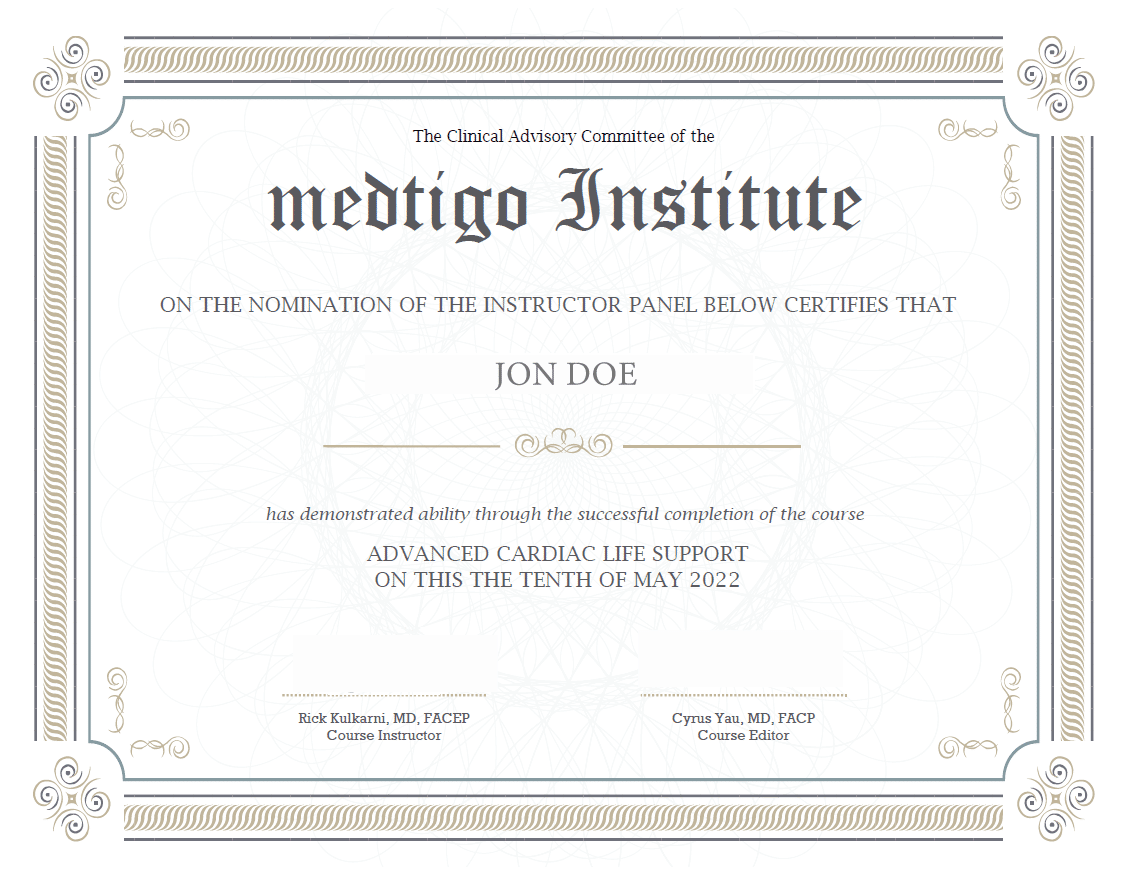
On course completion, you will receive a full-sized presentation quality digital certificate.
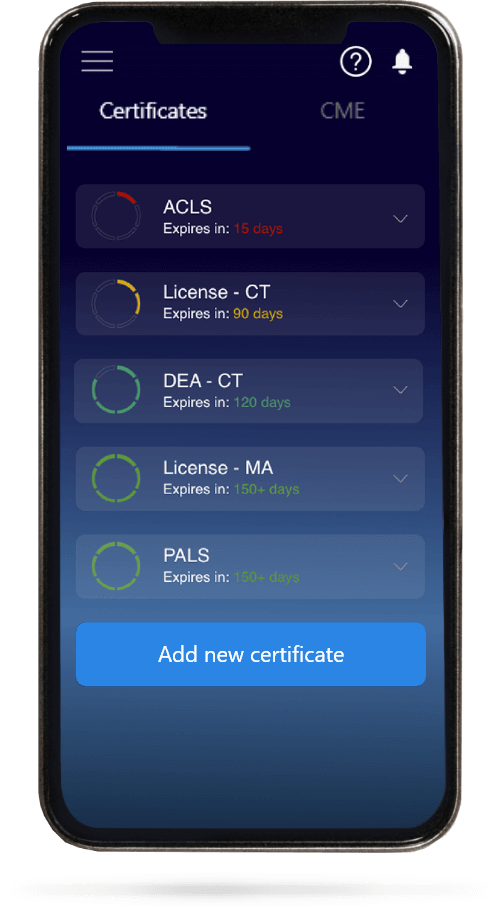
When you have your licenses, certificates and CMEs in one place, it's easier to track your career growth. You can easily share these with hospitals as well, using your medtigo app.