Hidden Risks of Exosome Injections in Pain Management
April 8, 2026






Brand Name :
Fal-DP
Synonyms :
piperaquine
Class :
Antiparasitic drug


Dosage Forms & Strengths
Capsule
500 mg
750 mg
1000 mg
1500 mg
(off-label)
Take a dose of 500 mg orally for three consecutive days
Not indicated
Refer to adult dosing
may enhance the risk of adverse effect of dapsone
piperaquine: they may increase the QTc-prolonging effect of QTc-prolonging Agents
piperaquine: they may increase the QTc-prolonging effect of QTc-prolonging Agents
piperaquine: they may increase the QTc-prolonging effect of QTc-prolonging Agents
piperaquine: they may increase the QTc-prolonging effect of QTc-prolonging Agents
piperaquine: they may increase the QTc-prolonging effect of QTc-prolonging Agents
CYP3A strong enhancers of the small intestine may reduce the bioavailability of piperaquine
piperaquine: they may enhance the serum concentration of CYP3A4 Inhibitors
piperaquine: they may enhance the serum concentration of CYP3A4 Inhibitors
piperaquine: they may enhance the serum concentration of CYP3A4 Inhibitors
piperaquine: they may enhance the serum concentration of CYP3A4 Inhibitors
piperaquine: they may enhance the serum concentration of CYP3A4 Inhibitors
Actions and Spectrum
Action:
Piperaquine prevents the release of heme polymerization, which is caused when parasites break down haemoglobin. This accumulation of toxins disrupts detoxification and ultimately results in the death of the parasite.
Frequency not defined
Palpitations
Nausea
Vomiting
Weakness
Atrial arrhythmias
Cough
Breathlessness
Black Box Warning
None
Contraindication/Caution:
Contraindication:
Hypersenstivity: People allergic to piperaquine or its components should avoid using it.
Caution:
Cardiac disease
Liver dysfunction
Pharmacology
Piperaquine prevents the release of heme polymerization, which is caused when parasites break down haemoglobin. This accumulation of toxins disrupts detoxification and ultimately results in the death of the parasite.
Pharmacodynamics
The body’s level of piperaquine determines how effective it is against malaria; larger levels have a greater effect. The efficacy of piperaquine depends on blood concentrations remaining within therapeutic ranges.
Pharmacokinetics
Absorption
Piperaquine gets absorbed in the GI tract.
Distribution
Piperaquine binds strongly to plasma proteins.
Metabolism
The metabolism occurs in the liver.
Excretion and Elimination
Piperaquine eliminated the body via feces and urine.
Administration
The route of administration is oral.
Patient information leaflet
Generic Name: piperaquine
Why do we use piperaquine?
Piperaquine treats and prevents malaria. It’s often combined with other antimalarial drugs like artemisinin in treatment.

Both our subscription plans include Free CME/CPD AMA PRA Category 1 credits.
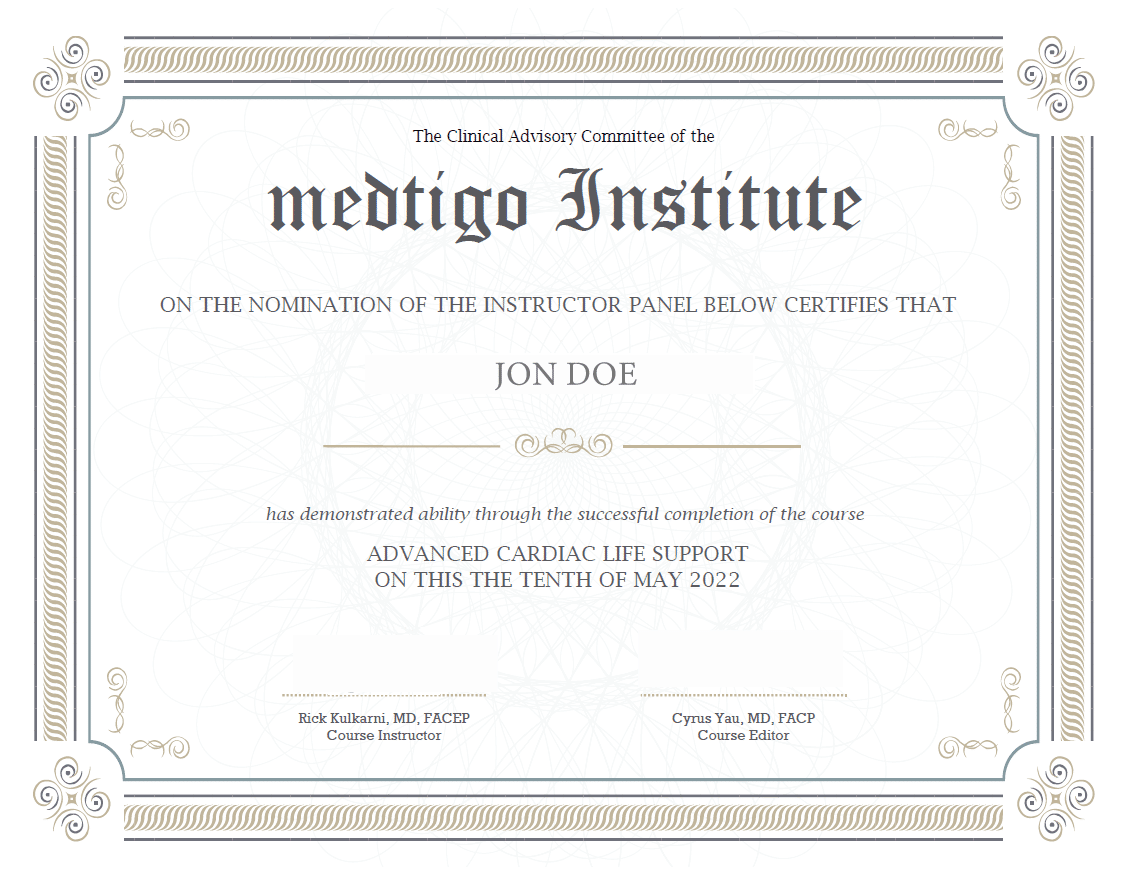
On course completion, you will receive a full-sized presentation quality digital certificate.
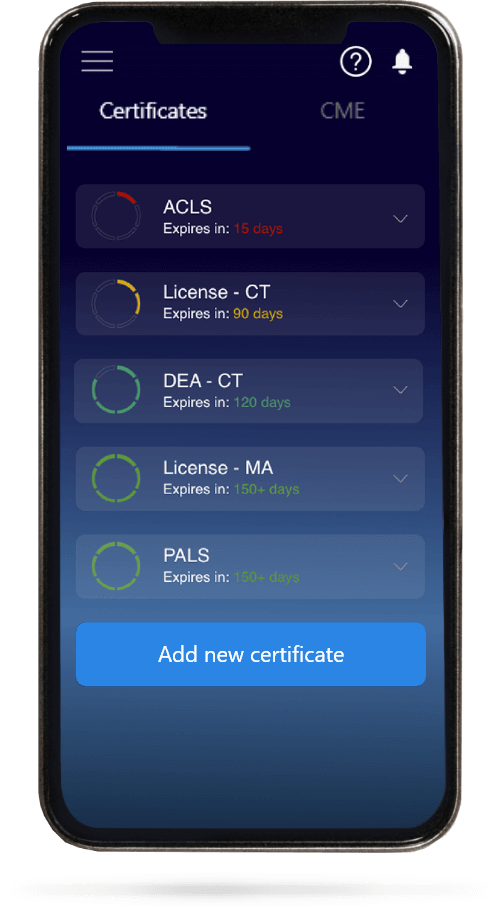
When you have your licenses, certificates and CMEs in one place, it's easier to track your career growth. You can easily share these with hospitals as well, using your medtigo app.