Codes Over Cuts: How Acute Care Surgeons Are Rewriting the Rules of Reimbursement
April 15, 2026




Brand Name :
Parsabiv
Synonyms :
etelcalcetide
Class :
Calcium-Sensing Receptor Agonists





Brand Name :
Parsabiv
Synonyms :
etelcalcetide
Class :
Calcium-Sensing Receptor Agonists
Dosage Forms & Strengths
Injectable solution
2.5mg/0.5mL
5mg/mL
10mg/2mL
Safety and efficacy not established
Refer adult dosing
etelcalcetide: they may increase the QTc-prolonging effect of QTc-prolonging agents
etelcalcetide: they may increase the QTc-prolonging effect of QTc-prolonging agents
etelcalcetide: they may increase the QTc-prolonging effect of QTc-prolonging agents
etelcalcetide: they may increase the QTc-prolonging effect of QTc-prolonging agents
etelcalcetide: they may increase the QTc-prolonging effect of QTc-prolonging agents
may increase the hypocalcemic effect of cinacalcet
Actions and Spectrum:
The actions of etelcalcetide can be summarized as follows:
The spectrum of etelcalcetide refers to the range of conditions that the medication can be used to treat. Etelcalcetide is approved by the FDA for the treatment of secondary hyperparathyroidism in adult patients with chronic kidney disease who are undergoing dialysis. It is not indicated for the treatment of primary hyperparathyroidism or for patients who are not receiving dialysis.
Frequency Defined
>10%
Muscle spasms (12%)
Nausea (11%)
Diarrhea (11%)
1-10%
Headache (8%)
Paresthesia (6%)
Hypocalcemia (7%)
Vomiting (9%)
Hypersensitivity (4.4%)
Hospitalization for heart failure (2%)
Hyperkalemia (4%)
Myalgia (2%)
Hypophosphatemia (1%)
QTc prolongation secondary to hypocalcemia (1.2%)
Black Box Warning:
The black box warning for etelcalcetide is related to the risk of hypocalcemia, which is a condition where there is a low level of calcium in the blood. Hypocalcemia can lead to a number of serious health problems, including seizures, cardiac arrhythmias, and muscle spasms.
Contraindication/Caution:
Pregnancy warnings:
Pregnancy category: N/A
Lactation: Excreted into human milk is unknown
Pregnancy Categories:
Category A: Studies that were well-controlled and met expectations revealed no risk to the fetus in either the first or second trimester.
Category B: There were lack of studies on pregnant women and no evidence of risk to the foetus in animal experiments.
Category C: there was evidence of risk of adverse effects in animal reproduction studies, and no adequate evidence in human studies must take care of potential risks in pregnant women.
Category D: adequate data available with sufficient evidence of human fetal risk from various platforms, but despite the potential risk, and used only in emergency cases for potential benefits.
Category X: Drugs listed in this category outweigh the risks over benefits. Hence these categories of drugs need to be avoided by pregnant women.
Category N: There is no data available for the drug under this category
Pharmacology:
etelcalcetide is a calcimimetic agent that is used for the treatment of secondary hyperparathyroidism (HPT) in patients with chronic kidney disease who are undergoing hemodialysis.
Pharmacodynamics:
It works by activating the calcium-sensing receptors (CaSR) on the parathyroid gland, which results in the reduction of parathyroid hormone (PTH) secretion.
Pharmacokinetics:
Absorption
etelcalcetide is administered intravenously, and its bioavailability is not applicable.
Distribution
The distribution of etelcalcetide in humans has not been specifically studied. However, it is known that the drug binds to the calcium-sensing receptor (CaSR) on the parathyroid gland, thereby decreasing the secretion of parathyroid hormone (PTH).
Metabolism
The metabolism of etelcalcetide has not been specifically studied in humans. It is known that the drug is a peptide and can be hydrolyzed by proteolytic enzymes.
Elimination and Excretion
etelcalcetide is eliminated primarily via the kidneys, with a half-life of approximately 5 hours in patients with end-stage renal disease
Administration:
etelcalcetide is a medication that is used to treat hyperparathyroidism in patients with chronic kidney disease who are undergoing dialysis. It is typically administered as an injection by a healthcare provider.
The injection is given into a vein, usually in the arm or hand. The dose and frequency of administration will depend on the patient’s individual condition and response to treatment
Patient information leaflet
Generic Name: etelcalcetide
Why do we use etelcalcetide?
etelcalcetide is used to treat hyperparathyroidism in patients with chronic kidney disease who are undergoing dialysis. Hyperparathyroidism is a condition where the parathyroid glands produce too much parathyroid hormone (PTH), which can lead to high levels of calcium in the blood, bone disease, and other complications.
etelcalcetide works by binding to and activating calcium-sensing receptors in the parathyroid gland, which reduces the secretion of PTH. This helps to lower the levels of calcium in the blood and prevent complications associated with hyperparathyroidism.

Both our subscription plans include Free CME/CPD AMA PRA Category 1 credits.
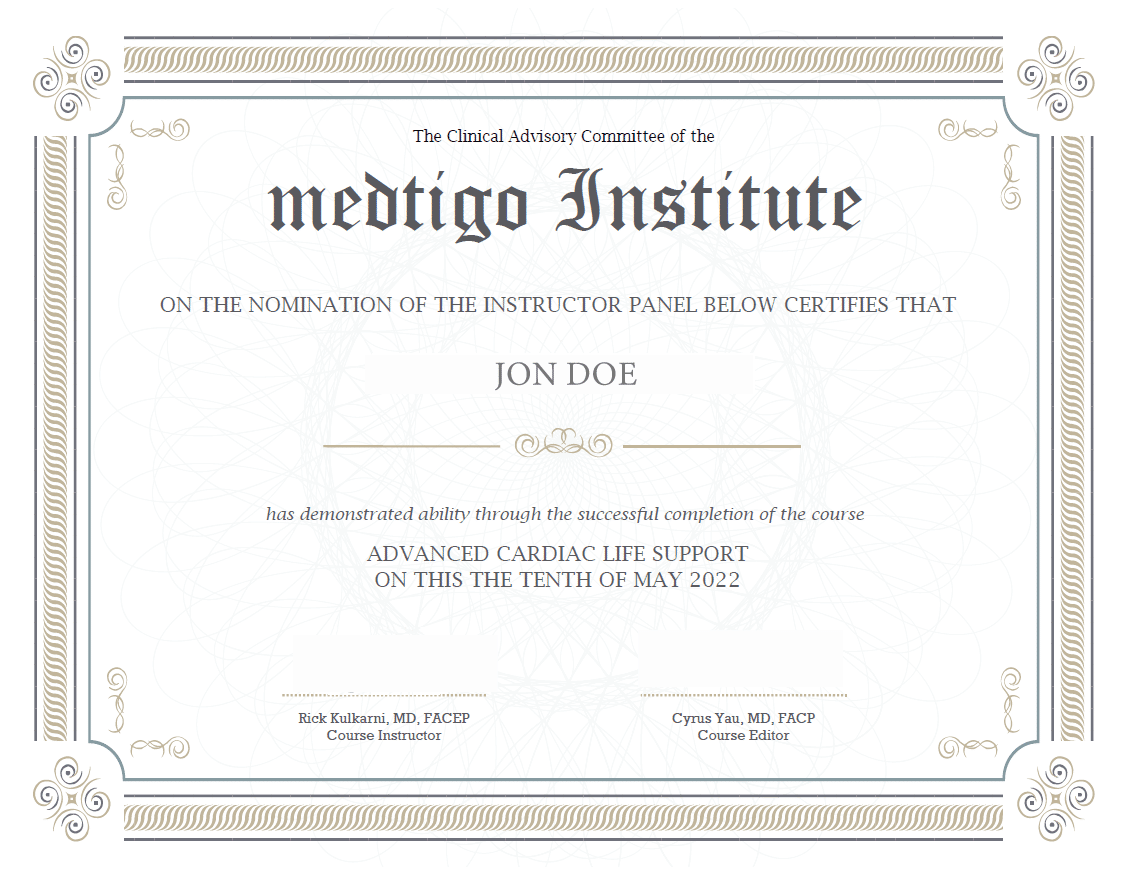
On course completion, you will receive a full-sized presentation quality digital certificate.

When you have your licenses, certificates and CMEs in one place, it's easier to track your career growth. You can easily share these with hospitals as well, using your medtigo app.