Rising Adoption of Continuous Glucose Monitors in Medicare Advantage: Trends from 2021–2023
April 13, 2026




Brand Name :
ProstaScint
Synonyms :
indium In-111 capromab pendetide
Class :
Radiopharmaceutical



Brand Name :
ProstaScint
Synonyms :
indium In-111 capromab pendetide
Class :
Radiopharmaceutical
Dosage Forms & Strengths
Intravenous kit
0.5 mg per vial
Indicated as diagnostic imaging:
0.5 mg of indium 111 chloride radiolabelled with 5 mCi. May need to be delivered again if there is infiltration or a scan that is not accurate enough.
Indicated as diagnostic imaging:
0.5 mg of indium 111 chloride radiolabelled with 5 mCi. May need to be delivered again if there is infiltration or a scan that is not accurate enough.
Safety and efficacy not established
Refer adult dosing
may decrease the diagnostic effect when combined
may decrease the diagnostic effect when combined
may decrease the diagnostic effect when combined
may decrease the diagnostic effect when combined
may decrease the diagnostic effect when combined
may decrease the diagnostic effect when combined
may decrease the diagnostic effect when combined
may decrease the diagnostic effect when combined
may decrease the diagnostic effect when combined
may decrease the diagnostic effect when combined
may decrease the diagnostic effect when combined
may decrease the diagnostic effect when combined
may decrease the diagnostic effect when combined
may decrease the diagnostic effect when combined
may decrease the diagnostic effect when combined
may decrease the diagnostic effect when combined
may decrease the diagnostic effect when combined
may decrease the diagnostic effect when combined
may decrease the diagnostic effect when combined
may decrease the diagnostic effect when combined
may decrease the diagnostic effect when combined
may decrease the diagnostic effect when combined
may decrease the diagnostic effect when combined
may decrease the diagnostic effect when combined
may decrease the diagnostic effect when combined
may decrease the diagnostic effect when combined
may decrease the diagnostic effect when combined
may decrease the diagnostic effect when combined
Actions and Spectrum:
indium In-111 capromab pendetide comprises a monoclonal antibody (7E11-C5.3) attached to the radionuclide indium-111. The monoclonal antibody targets the prostate-specific membrane antigen (PSMA), a protein expressed on the surface of prostate cancer cells. PSMA is overexpressed in prostate cancer and is not typically found in significant amounts in normal tissues.
When indium In-111 capromab pendetide is administered intravenously, the monoclonal antibody selectively binds to the PSMA on prostate cancer cells. The attached indium-111 emits gamma radiation, which can be detected by a gamma camera or other imaging devices during nuclear medicine scans.
Spectrum of Activity
indium In-111 capromab pendetide is specifically designed to detect prostate cancer, and its spectrum of activity is limited to imaging PSMA-expressing prostate cancer cells. It is not used for therapeutic purposes and has no direct therapeutic effects on cancer cells.
Frequency defined
>10%
Antibody development
1-10%
Hypotension
Increased serum bilirubin
<1%
Dysgeusia
Fever
Burning sensation (thigh),
Dyspnea
Headache
Black box warning:
None
Contraindications/caution:
Contraindications:
Hypersensitivity
Caution:
Pregnancy consideration: It is not advised to use in women.
Lactation: It is not advised to use in women.
Pregnancy category:
Category A: well-controlled and Satisfactory studies show no risk to the fetus in the first or later trimester.
Category B: there was no evidence of risk to the fetus in animal studies, and there were not enough studies on pregnant women.
Category C: there was evidence of risk of adverse effects in animal reproduction studies, and no adequate evidence in human studies must take care of potential risks in pregnant women.
Category D: adequate data with sufficient evidence of human fetal risk from various platforms, but despite the potential risk, and used only in emergency cases for potential benefits.
Category X: Drugs listed in this category outweigh the risks over benefits. Hence these categories of drugs need to be avoided by pregnant women.
Category N: There is no data available for the drug under this category
Pharmacology:
The pharmacology of indium In-111 capromab pendetide (ProstaScint®) involves its use as a diagnostic radiopharmaceutical agent for imaging prostate-specific membrane antigen (PSMA)-expressing prostate cancer cells.
Pharmacodynamics:
The pharmacodynamics of indium In-111 capromab pendetide involves its specific interactions with prostate-specific membrane antigen (PSMA)-expressing prostate cancer cells and the effects of gamma radiation emitted by the attached indium-111 radionuclide.
Pharmacokinetics:
Absorption
indium In-111 capromab pendetide is administered intravenously, typically as an injection into the bloodstream. It is radiopharmaceutical and is not absorbed through the gastrointestinal tract like conventional drugs.
Distribution
The volume of distribution (Vd) of the drug ranges from approximately 2 to 6 liters (L).
Metabolism
The drug undergoes decay by electron capture during its metabolism. Electron capture is a type of radioactive decay where an electron is captured by a proton-rich nucleus, transforming the nucleus and releasing radiation.
Elimination and Excretion
The drug has two half-life values: a physical half-life of 67.2 hours and a terminal half-life of approximately 56 to 78 hours. The drug is primarily excreted in the urine, with approximately 10% of the administered dose being eliminated over 72 hours.
Administration:
Intravenous administration
Patient information leaflet
Generic Name: indium In-111 capromab pendetide
Why do we use indium In-111 capromab pendetide?
indium In-111 capromab pendetide is a radiopharmaceutical used for specific diagnostic purposes in prostate cancer. Its primary clinical use is for imaging and staging prostate cancer, particularly in cases where conventional imaging techniques have limitations. The primary uses of indium In-111 capromab pendetide are as follows:

Both our subscription plans include Free CME/CPD AMA PRA Category 1 credits.
On course completion, you will receive a full-sized presentation quality digital certificate.
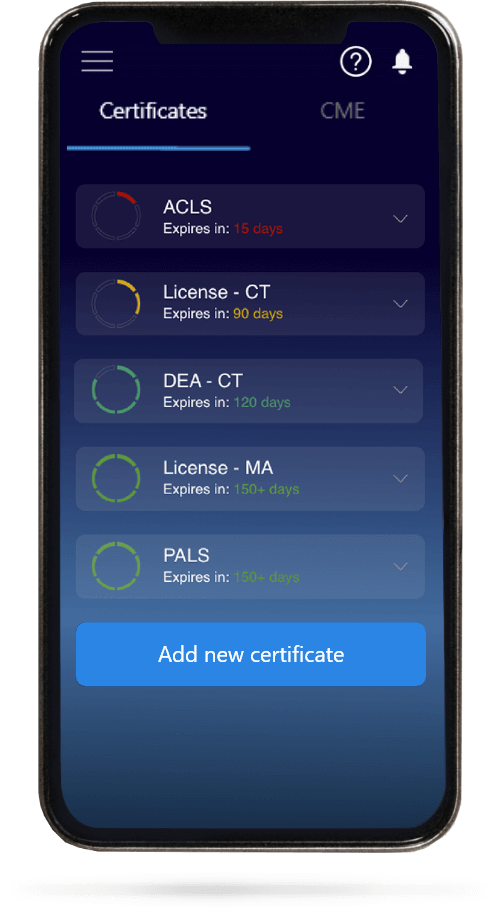
When you have your licenses, certificates and CMEs in one place, it's easier to track your career growth. You can easily share these with hospitals as well, using your medtigo app.