Rising Adoption of Continuous Glucose Monitors in Medicare Advantage: Trends from 2021–2023
April 13, 2026




Brand Name :
Simdax (Austria, Australia, Brazil, Colombia, Czech Republic, Estonia, Malaysia, Ukraine)
Synonyms :
levosimendan
Class :
Calcium sensitizers; Vasodilator


Dosage Forms & Strengths
Intravenous Solution
2.5mg/ml
Congestive Heart Failure (CHF)
Load 6-12 mcg/kg as an infusion for 10 minutes
Maintenance dose- 0.1 mcg/kg intravenously each minute through infusion
Decrease the dose to 0.05 mcg/kg each minute if cardiac disturbances occur
The drug is contraindicated in the case of severe renal (CrCl<30 ml/min) and hepatic impairment
No data is available
Refer to the adult dosing
Actions and Spectrum
Actions:
levosimendan belongs to a class of drugs known as calcium sensitizers. It enhances the sensitivity of cardiac muscle cells to calcium ions, which play a crucial role in the contraction of the heart muscle. levosimendan enhances the heart’s contractility by increasing calcium sensitivity, unlike traditional positive inotropic drugs, without significantly increasing intracellular calcium levels.
Spectrum:
levosimendan is often employed when other treatments like diuretics, vasodilators, and positive inotropic agents (such as dobutamine) have not yielded adequate results in patients with acute decompensated heart failure. It improves cardiac contractility, enhances diuresis, and reduces afterload, offering a comprehensive approach to managing heart failure symptoms.
Frequency not defined
Hypokalemia
Atrial fibrillation
Vomiting
Nausea
Diarrhea
Dizziness
Constipation
Myocardial ischemia
Insomnia
Black Box Warning:
None
Contraindication/Caution:
Contraindications:
Cautions:
Pregnancy consideration:
Utilize levosimendan with caution during pregnancy.
Breastfeeding warnings:
levosimendan is not recommended during lactation.
Pregnancy category:
Category A: Well-controlled and satisfactory studies show no risk to the fetus in the initial or later trimester.
<b>Category B: There was no evidence of risk to the fetus in animal studies, and there were not enough studies on pregnant women.
Category C: there was evidence of risk of adverse effects in animal reproduction studies, and no adequate evidence in human studies must take care of potential risks in pregnant women.
Category D: adequate data with sufficient evidence of human fetal risk from various platforms, but despite the potential risk, and used only in emergency cases for potential benefits.
Category X: Drugs listed in this category outweigh the risks over benefits. Hence, these categories of drugs need to be avoided by pregnant women.
Category N: No data is available for the drug under this category.
Pharmacology:
levosimendan is a medication with unique pharmacological properties that make it particularly useful in managing acute heart failure. Its action mechanism enhances the heart muscle’s contractility while promoting vasodilation.
Pharmacodynamics:
levosimendan enhances the sensitivity of troponin C, a protein involved in muscle contraction, to calcium ions. This allows for stronger interactions between calcium and troponin, increasing cross-bridging between actin and myosin filaments within cardiac muscle cells.
levosimendan is associated with increased nitric oxide (NO) release from endothelial cells lining blood vessels. Nitric oxide is a potent vasodilator that helps further relax blood vessels, contributing to the overall vasodilatory effect of levosimendan.
Pharmacokinetics:
Absorption
It takes 2 days for levosimendan to reach the peak plasma concentration.
Distribution
97-98% of protein is bound to plasma
Metabolism
levosimendan is extensively metabolized in the body.
5% is metabolized in the intestine
Elimination and Excretion
54% is excreted as metabolites in urine and 44% in feces.
Administration:
levosimendan is administered as a slow intravenous infusion. An infusion pump usually controls the infusion rate to ensure accurate dosing and avoid rapid administration, which could lead to adverse effects.
Patient information leaflet
Generic Name: levosimendan
Pronounced as: lee-voe-see-men-dan
Why do we use levosimendan?
levosimendan is used primarily to manage acute heart failure, mainly when other conventional treatments are insufficient. It offers a unique pharmacological approach that combines positive inotropic effects (increased cardiac contractility) with vasodilation, making it a valuable option in particular heart failure scenarios.

Both our subscription plans include Free CME/CPD AMA PRA Category 1 credits.
On course completion, you will receive a full-sized presentation quality digital certificate.
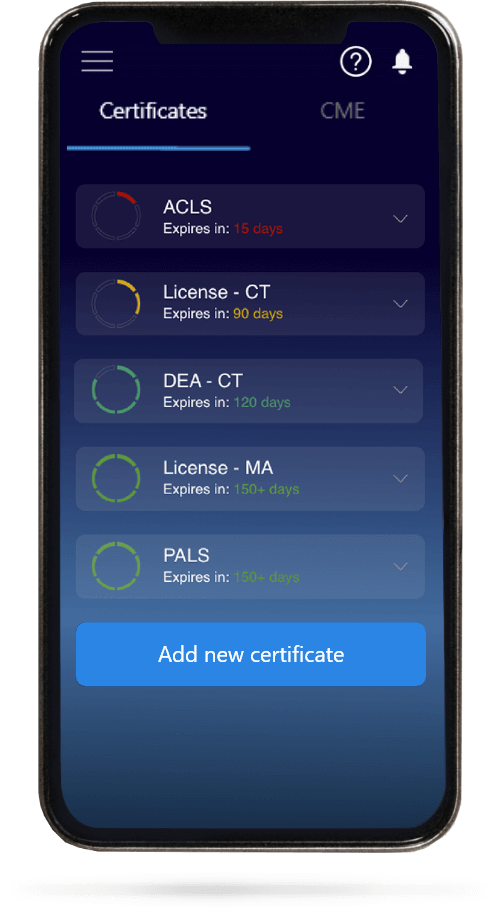
When you have your licenses, certificates and CMEs in one place, it's easier to track your career growth. You can easily share these with hospitals as well, using your medtigo app.