Hidden Risks of Exosome Injections in Pain Management
April 8, 2026




Brand Name :
Neo-Synalar
Synonyms :
neomycin/fluocinolone
Class :
Antibiotics, Corticosteroids, Topical


Dosage Forms & Strengths
Cream
0.5%/0.025%
(neomycin/fluocinolone)
Kit
0.35%/0.025%
(neomycin/fluocinolone)
Corticosteroid-responsive Dermatoses
Apply a thin layer to the affected area up to two to four times in a day
Dosing modification
Renal Impairment
No dose modification required
Hepatic Impairment
No dose modification required
Dosage Forms & Strengths
Cream
0.5%/0.025%
(neomycin/fluocinolone)
Kit
0.35%/0.025%
(neomycin/fluocinolone)
Corticosteroid-responsive Dermatoses
For Children and Adolescents:
Apply a thin layer to the affected area up to two to four times in a day
Refer to adult dosing
Actions and Spectrum
neomycin is an antibiotic belonging to the aminoglycoside class. It works by inhibiting bacterial protein synthesis, primarily by binding to the 30s subunit of the bacterial ribosome.
fluocinolone is a synthetic corticosteroid, which is a type of anti-inflammatory and immunosuppressive medication. It works by reducing inflammation, suppressing the immune response, and alleviating symptoms associated with various skin conditions.
Frequency not defined
Local irritation
Ototoxicity, nephrotoxicity
Hyperglycaemia, glucosuria
Pruritus, dryness
Hypersensitivity reactions
Burning sensation
Atrophy of the skin
Cushing’s syndrome
Folliculitis
Dermatitis
New or worsening acne
Striae
Hypertrichosis
Hypopigmentation
Black Box Warning
None
Contraindication/Caution:
Contraindication:
neomycin/fluocinolone should not be used in individuals with a known hypersensitivity or allergy to neomycin/fluocinolone or other aminoglycoside antibiotics.
Caution:
neomycin can potentially cause damage to the inner ear and kidneys, especially when used for prolonged periods.
fluocinolone should generally be avoided in the presence of systemic fungal infections.
Pregnancy consideration:
Pregnancy category: N/A
Lactation: Excretion into human milk is unknown
Pregnancy Categories:
Category A: well-controlled and Satisfactory studies show no risk to the fetus in the first or later trimester.
Category B: there was no evidence of risk to the fetus in animal studies, and there were not enough studies on pregnant women.
Category C: there was evidence of risk of adverse effects in animal reproduction studies, and no adequate evidence in human studies must take care of potential risks in pregnant women.
Category D: adequate data with sufficient evidence of human fetal risk from various platforms, but despite the potential risk, and used only in emergency cases for potential benefits.
Category X: Drugs listed in this category outweigh the risks over benefits. Hence these categories of drugs need to be avoided by pregnant women.
Category N: There is no data available for the drug under this category.
Pharmacology
neomycin is an antibiotic which works by binding to the 30S subunit of the bacterial ribosome, specifically inhibiting bacterial protein synthesis. This interference with protein synthesis disrupts bacterial cell growth and eventually leads to the death of susceptible bacteria.
fluocinonide attaches to the cytoplasmic glucocorticoid receptor. Following attachment, the newly formed receptor-ligand complex moves itself into the cell nucleus, where it attaches to numerous glucocorticoid response elements (GRE) in the promoter region of the target genes.
Pharmacodynamics
neomycin leads to the misreading of mRNA (messenger RNA) and results in the incorporation of incorrect amino acids into the growing polypeptide chain and then disrupting bacterial protein synthesis also causing bacterial cell death.
fluocinolone functions as a natural antagonist to insulin by reducing glycogenesis (creation of glycogen). It additionally stimulates the degradation of fats (lipolysis) and proteins, resulting in the release of non-liver amino acids and ketone bodies.
Pharmacokinetics
Absorption
neomycin is poorly absorbed from unbroken skin while fluocinolone is absorbed from unbroken skin.
Distribution
neomycin/fluocinolone both are distributed throughout the body.
Metabolism
neomycin is not metabolized in the body while fluocinolone undergo metabolism in the liver.
Elimination and excretion
neomycin/fluocinolone is excreted through the urine.
Administration
neomycin/fluocinolone is typically administered topically and it is available in cream and ointment form.
Patient information leaflet
Generic Name: neomycin/fluocinolone
Why do we use neomycin/fluocinolone?
The combination drug neomycin and fluocinolone applied topically i.e., for the skin is used to treat infection, irritation, and itching caused by skin diseases.
neomycin/fluocinolone is used to treat skin infections caused by susceptible bacteria which includes Impetigo and Infected Dermatitis. fluocinolone provides anti-inflammatory and immunosuppressive effects beneficial for managing Eczema.


Both our subscription plans include Free CME/CPD AMA PRA Category 1 credits.
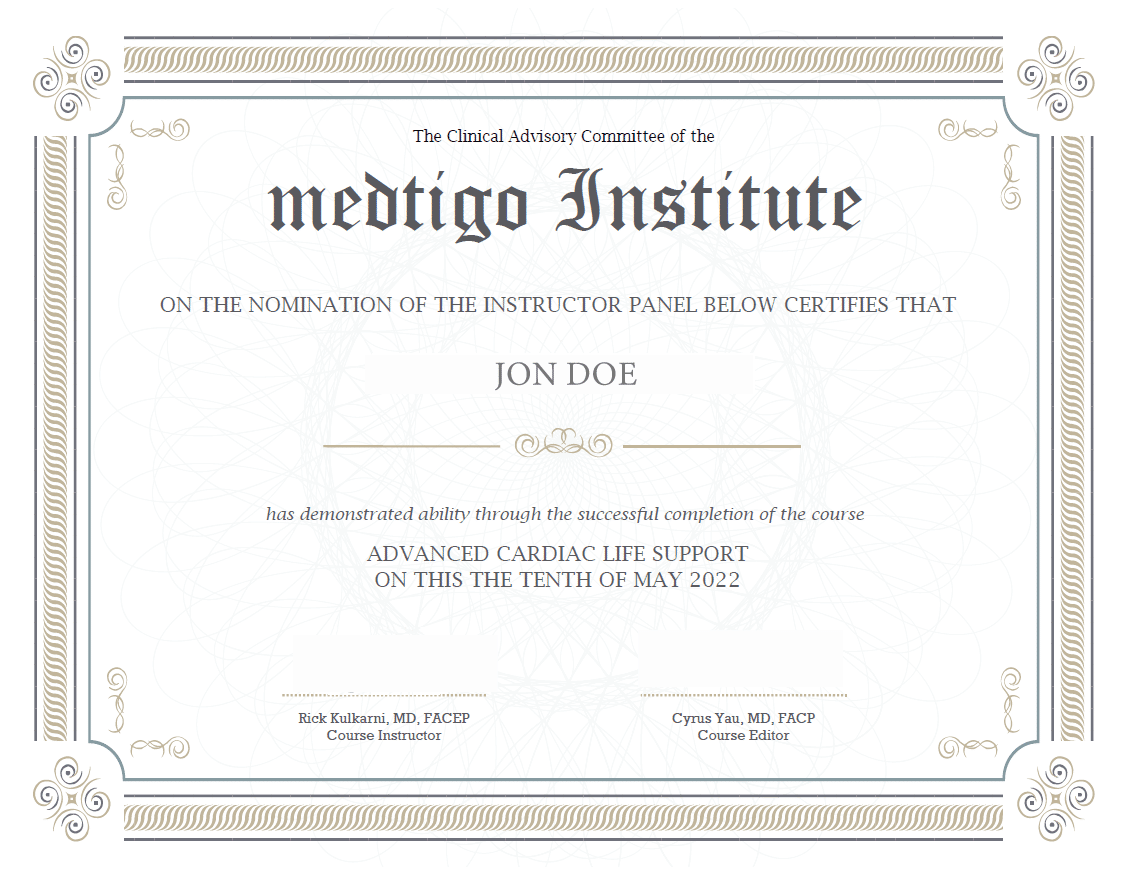
On course completion, you will receive a full-sized presentation quality digital certificate.
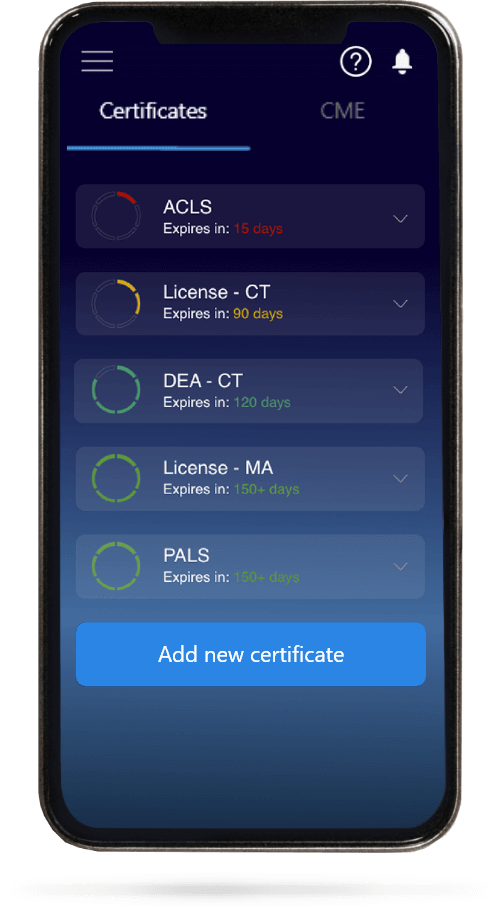
When you have your licenses, certificates and CMEs in one place, it's easier to track your career growth. You can easily share these with hospitals as well, using your medtigo app.